Tag: Moving

  • Discovering Duluth: Your Guide to Moving to This Minnesota Gem

    Discovering Duluth: Your Guide to Moving to This Minnesota Gem

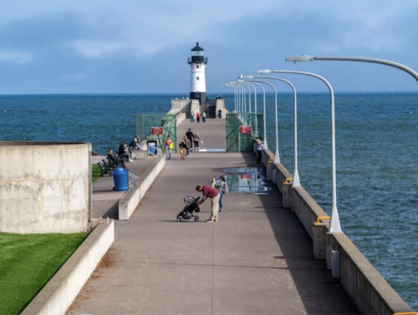
    Unravel the beauty of Duluth, Minnesota, a city that effortlessly blends the stunning natural allure with abundant history and a lively community spirit. Despite its status as one of the largest urban areas in the North Star State, Duluth preserves its quaint, historical charm, teeming with myriad activities and delectable dining experiences. Known for its outdoor pursuits, scenic landscapes, and affable locals, Duluth has grown into a popular destination for those seeking a tranquil lifestyle or an unforgettable weekend escape.

    Whether you’re keen on exploring Property Records of Minnesota or just curious about the allure of Duluth, this guide is a perfect starting point. Get a glimpse of this city’s unique charm through these seven compelling reasons to consider a move to Duluth, MN.

    Experiencing Duluth’s Natural Grandeur

    Embrace Stunning Natural Beauty: Duluth boasts awe-inspiring landscapes featuring the rugged charm of Lake Superior, gushing waterfalls, and lush forests. Its 162 parks, including the prominent Canal Park and Enger Park, offer mesmerizing views, intricate walking trails, and abundant recreational opportunities. Nature enthusiasts will cherish the opportunity to delve into outdoor activities like hiking, biking, and birdwatching.

    Immersing in Outdoor Adventures

    Plentiful Outdoor Recreation: Duluth presents an assortment of outdoor pursuits for all ages and skill levels. The presence of Lake Superior enables residents to indulge in sailing, kayaking, and fishing during the warm months. Winter sports aficionados can enjoy skiing, snowboarding, and snowshoeing at the nearby Spirit Mountain. The Superior Hiking Trail and the Duluth Traverse provide miles of trails for hiking and mountain biking enthusiasts.

    Duluth further offers convenient access to the Boundary Waters Canoe Area Wilderness, a sprawling natural expanse spanning over one million acres, making it a paradise for canoeing, camping, fishing, and more.

    Enjoying the Four-Season Charm

    Four Distinct Seasons: The climate in Duluth ushers in four distinct seasons, allowing residents to savor the unique beauty of each. Spring is marked by blossoming wildflowers and budding trees, while summer promises warm days ideal for swimming and boating. Fall unveils vibrant foliage and crisp air, with winter turning the landscape into a snowy wonderland perfect for winter sports and cozy fireplace evenings.
    Duluth’s temperatures fluctuate from season to season, with summer highs averaging in the 70s and winter lows in the single digits, offering the second most number of days below freezing of any major city in the contiguous US, next only to International Falls.

    Exploring Duluth’s Affordability

    Affordable Cost of Living: One of the main draws of Duluth, MN, is its lower cost of living compared to other cities in the United States. Particularly, housing costs are relatively low, making the city a desirable option for those seeking affordability. The median house sale price in Duluth stands at $279,000, substantially lower than the national median. Rental living also presents an affordable choice; the average one-bedroom apartment costs $1,495.
    Housing options are diverse, from historic homes to modern apartments, typically priced lower than the national average. The city’s comparably low property taxes and utility costs also contribute to its affordability.

    Experiencing Duluth’s Vibrant Community

    Strong Sense of Community: Duluth’s friendly and welcoming ambiance is one of its most attractive features. The city hosts numerous community events and festivals such as the Duluth Airshow, Bayfront Blues Festival, and Grandma’s Marathon. These festivities bring the residents together, celebrating local culture and traditions. Moreover, the active arts scene, featuring establishments like the Duluth Playhouse and the Tweed Museum of Art, fosters a powerful sense of community.

    Indulging in Duluth’s Culinary Scene

    Thriving Culinary Scene: Duluth’s food scene is diverse and ever-evolving, presenting an array of dining options to cater to every palate. The city’s proximity to Lake Superior ensures a fresh supply of seafood, while local ingredients promise a farm-to-table experience in many eateries. Duluth also boasts a burgeoning number of craft breweries like Bent Paddle Brewing Co. and Canal Park Brewing Company, thereby creating a dynamic local beer scene for residents and visitors alike.

    Immersing in Duluth’s Rich History

    Rich History: Duluth has an extensive and intriguing maritime history, harking back to the days of fur trading and the evolution of the Great Lakes shipping industry. The city’s Lake Superior Maritime Visitor Center and the SS William A. Irvin Ore Boat Museum provide captivating insights into the region’s past. The iconic Aerial Lift Bridge stands as a testament to Duluth’s enduring connection to the water.

    In essence, Duluth, Minnesota, is a captivating blend of nature, community, affordability, and historical richness. Whether you are scrutinizing the Property Records of Minnesota or just exploring potential new homes, Duluth invites you to experience its charm firsthand.
  • Living in St. Paul, MN: Pros and Cons

    Living in St. Paul, MN: Pros and Cons

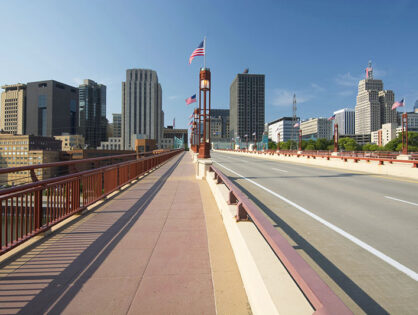
    St. Paul, Minnesota, is a lively and diverse city known for its beautiful buildings, delicious food, and rich cultural scene. It’s a city full of opportunities for fun, career growth, and an exciting urban lifestyle. However, like any city, it has its challenges. In this article, we’ll look at the good and bad sides of living in St. Paul to help you decide if it’s the right place for you.

    Vibrant Arts and Culture Scene

    Pro: A Thriving Arts Community
    St. Paul is a great place for art and culture lovers. The city is home to many theaters, art galleries, and music venues. Every year, it hosts the Minnesota State Fair, one of the biggest and most popular state fairs in the country. There are always cultural events and activities happening, making it an exciting place to live for those who enjoy the arts.

    Con: Limited Nightlife Options
    While St. Paul has a rich cultural scene, it may not have as many nightlife options as its neighboring city, Minneapolis. If you enjoy a vibrant nightlife with lots of bars, clubs, and entertainment venues, you might find St. Paul’s offerings a bit limited in comparison.

    The Weather

    Con: Harsh Winter Weather
    One of the downsides of living in St. Paul is the cold and snowy winters. The winters are long and can be quite harsh, with heavy snowfall. This can make commuting and outdoor activities challenging. If you prefer a milder climate, the extreme cold and snow might be a downside.

    Pro: Summer Festivals and Events
    Despite the harsh winters, St. Paul comes alive in the summer with many festivals and events. The warmer months offer a variety of outdoor activities and community gatherings that make up for the cold winter season.

    Parks and Green Spaces

    Pro: Abundance of Parks and Nature
    St. Paul is known for its many parks and green spaces. Places like Como Park and the Mississippi National River and Recreation Area offer scenic trails, picnic spots, and opportunities to see wildlife. If you love the outdoors, you’ll appreciate the city’s access to nature.

    Con: Traffic Congestion in Parks
    However, popular parks and green spaces can get crowded, especially on weekends and holidays. Traffic congestion in and around these areas can sometimes be a hassle for those looking to enjoy a peaceful day in nature.

    Transportation

    Con: Limited Public Transportation
    St. Paul does have a public transportation system, but it’s not as extensive as in some bigger cities. You might need to rely on your car for daily commutes, as public transport might not be the most convenient or efficient way to get around.

    Pro: Accessible Highways
    On the flip side, St. Paul has good highway access, making it easier for drivers to navigate the city and reach surrounding areas quickly.

    Cost of Living

    Con: High Cost of Living
    Living in St. Paul can be more expensive compared to other cities in the Midwest. Housing, utilities, and groceries tend to cost more. For example, the median home price is around $298,700, and renting a two-bedroom apartment averages about $1,480 per month. This can be a challenge if you’re on a tight budget.

    Pro: Strong Job Market
    Despite the higher cost of living, St. Paul boasts a strong job market. There are many job opportunities in fields like healthcare, education, and technology. The city is home to major corporations and has a growing startup scene, providing ample career prospects and economic stability.

    Community and Education

    Pro: Strong Sense of Community
    St. Paul has a close-knit community feel, with many neighborhoods known for their friendly and active residents. People often take pride in their city and participate in local events and community initiatives, making it a welcoming place for newcomers.

    Pro: Access to Higher Education
    The city is home to several higher education institutions, such as the University of St. Thomas and Concordia University. Residents have access to quality education and lifelong learning opportunities, which adds to the cultural and intellectual vibe of the city.

    Con: Traffic Congestion
    Like many big cities, St. Paul experiences traffic congestion, especially during peak commuting hours. This can lead to delays and long commutes, which can be frustrating for daily travelers.

    In summary, St. Paul offers a vibrant cultural scene, beautiful parks, and a strong job market, but it also has its challenges, like harsh winters and a high cost of living. By weighing these pros and cons, you can decide if St. Paul is the right place for you.

  • A Large Number of City Residents Are Making a Transition to Suburban Living

    A Large Number of City Residents Are Making a Transition to Suburban Living

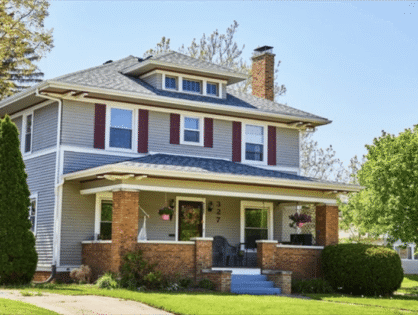
    The once-booming downtown metropolises, the pillars of industry and economic growth, are experiencing an exodus that’s reshaping the real estate landscape. As we continue to navigate the societal impacts of the 21st century, an undeniable trend has been gaining momentum: people are moving from crowded city centers to more spacious suburbs. This shift is not simply a demographic change; it is a social transformation influenced by overpopulation, anxiety, crime, and the high cost of living.

    The City Overpopulation Factor

    Big cities like New York, Los Angeles, and Chicago have long been a magnet for individuals seeking job opportunities, diverse cultures, and a vibrant lifestyle. However, as these metropolises become increasingly crowded, overpopulation has become a major concern. It leads to inadequate access to basic amenities, congested traffic, pollution, and a significant decrease in the quality of life. As a result, many are trading city life for the more comfortable, less crowded surroundings of the suburbs.

    Anxiety: The Unseen Enemy

    Modern urban life, with its unceasing demands and rapid pace, can lead to increased levels of anxiety. The COVID-19 pandemic only exacerbated this issue by fostering fear and insecurity, especially in densely populated areas. Meanwhile, suburban areas, with their slower pace of life and greater access to nature, offer a perceived respite from such stresses, causing many city dwellers to rethink their lifestyle choices.

    Crime Rates: A Push Factor

    While it is an oversimplification to state that all cities have higher crime rates than suburbs, perception plays a key role in influencing decisions. High-profile instances of crime, widely reported in the media, can foster an atmosphere of fear, making the comparative safety of suburban neighborhoods more appealing.

    The High Cost of City Living

    The economic aspect of this migration cannot be overstated. City living comes with high costs: skyrocketing rents, expensive groceries, elevated transportation costs, and more. According to the Council for Community and Economic Research, the cost of living in Manhattan, for instance, is 148% higher than the national average. In contrast, suburban areas often offer more affordable housing options, lower cost of living, and potentially better quality of life.

    Impact on the Real Estate Market

    The implications of this urban-to-suburban migration are reshaping the real estate industry. Demand for suburban properties has seen a surge, leading to increased property values and a more competitive market in these areas. Meanwhile, the urban real estate market is experiencing a shift, with an oversupply of apartments and condos leading to decreased rental prices. It’s also led to a change in what buyers and renters are looking for. A home office has gone from a luxury to a necessity for many, as remote working becomes more widespread.

    Conclusion

    The great migration from cities to suburbs is a complex phenomenon, driven by factors such as overpopulation, anxiety, crime, and high cost of living. It’s a clear reflection of changing lifestyle preferences and societal trends. For the real estate industry, understanding and adapting to these shifts will be critical to staying ahead of the curve.

    This urban-to-suburban exodus is not just about where people are choosing to live. It’s about why they’re making these choices and how these reasons are intrinsically tied to the quest for a better quality of life. This migration may very well be a reflection of a broader societal shift towards prioritizing well-being, community, and affordability over the perceived advantages of city living.