The Rochester MN housing market may not have caught up with Minnesota’s downstate economy, but recent developments show promising signs. While it is best not to compare Rochester with Minneapolis or St. Paul, the city has witnessed three consecutive years of appreciation rates, which have brought about some much-needed relief for homeowners.
According to Zillow, home values are expected to increase by 2.3% over the next year. The median home price in Rochester is currently $128,100, and while the city’s appreciation rate may not match the national average, it is heading in the right direction.
The recent appreciation rates have resulted in many Rochester homeowners having more equity now than at any point during the recession. This influx of equity could promote owners to sell, leading to an increase in inventory levels.
The following figures illustrate the amount of equity gained relative to the year of a home’s purchase:
- Homes purchased in the Rochester housing market one year ago have appreciated, on average, by $3,444. The national average was $12,731 over the same period.
- Homes purchased in the Rochester housing market three years ago have appreciated, on average, by $14,561. The national average was $51,204 over the same period.
- Homes purchased in the Rochester housing market five years ago have appreciated, on average, by $17,874. The national average was $48,225 over the same period.
- Homes purchased in the Rochester housing market seven years ago have appreciated, on average, by $21,514. The national average was $1,750 over the same period.
- Homes purchased in the Rochester housing market nine years ago have appreciated, on average, by $32,435. The national average increased by $5,043 over the same period.
A property profile report, free owner search, or property owner finder can provide valuable insights into the Minneapolis housing market. While the city’s housing market may have a ways to go to catch up with the downstate economy, recent developments suggest that Rochester is on the right track.
Exploring the Rochester Housing Market: An Analysis of Key Trends and Neighborhoods
The Rochester housing market has been on a steady path of recovery, but it still has a way to go before it catches up with Minneapolis’s economy. Nevertheless, there are plenty of reasons for optimism. According to Zillow, the median home price in Rochester is $128,100, and the housing market has experienced appreciation rates for three consecutive years. The forecast for the next year also looks promising, with a projected 2.4% increase in home values. This report analyzes key trends in the Rochester housing market, including its job sector, new construction, affordability, and delinquencies. It also highlights some of the most popular neighborhoods in Rochester, as identified by Trulia.
Job Sector and Growth
Although Rochester’s job sector is better than the national average, it still has room to grow. The city has a lower unemployment rate than the national average, which is currently at 5.8%. In particular, Rochester’s unemployment rate is close to that of Kansas City. However, the city’s job growth rate is a cause for concern, as it has only demonstrated a job growth rate of 0.5% over the course of a year. At that rate, Rochester is nearly one-quarter of the national average, whereas local employment growth for the rest of the country is just under 2%. Despite this, the job sector has demonstrated an ability to keep the Rochester housing market afloat.
New Construction
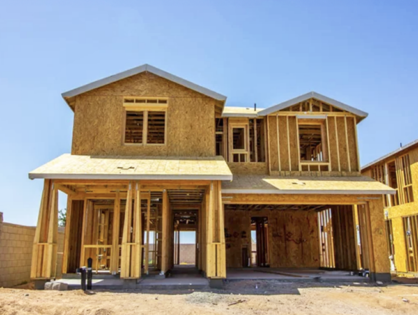
The current state of the Rochester housing market has not promoted new housing developments. Construction appears to have bottomed out, falling 3.2% below the long-term national average. The distinct lack of new construction should limit new supply to the market. With fewer properties available for purchase, inventory will temper just enough for demand to catch up. However, foreclosures and short sales in the Rochester housing market will add more properties to the market than in previous years. The presence of distressed inventory should place downward pressure on median home prices.
Delinquencies and Affordability
More than 6% of homeowners in the United States are delinquent on mortgage payments. However, the Rochester housing market nearly doubles the national average, with about 13% of all homeowners in the Rochester area behind on payments. Despite the high delinquency rate, only 11% of Rochester homeowners are underwater, meaning that they owe more on their property than it is worth. Affordability in the Rochester housing market continues to drive demand, as the city is more affordable than most markets across the country. The average Rochester homeowner allocates only 6.4% of their monthly income towards mortgage payments, which is less than half of what the average homeowner typically allocates, at 16.1% of their monthly income.
Popular Neighborhoods
As with any major metro, individual neighborhoods in Rochester perform at different levels. Trulia’s research identified some of the most popular areas in Rochester, including Bloomington, Duluth, Brooklyn Park, Woodbury, and Lakeville. These neighborhoods have outperformed others on an annual and even weekly basis, making them attractive areas to buy a home.
In conclusion, the Rochester housing market is on the right track. While there are challenges to be addressed, such as the city’s job growth rate and delinquency rate, the city’s affordability and steady appreciation rates are driving demand. Moreover, some neighborhoods in Rochester are performing better than others, creating opportunities for buyers and sellers alike. With a projected increase in home values over the next year, now may be a good time to explore the Rochester housing market further. Don’t forget to take advantage of free owner searches and property owner finder services to make your search easier.
Historic Price Changes & Housing Affordability
Kiplinger recently published a report that provides an affordability index of one to 10 for the 100 largest metropolitan areas in the United States. This index assesses how affordable housing is based on the percentage of annual income needed to purchase a median-priced home. A score of one indicates the most affordable location, while 10 represents the least affordable. The Rochester metropolitan real estate market has an affordability index of 3, making it one of the more affordable places to own a home. Since the previous real estate peak, home prices in Rochester have increased by 44.4%, and since the last market bottom, they have grown by 60.3%. Kiplinger predicts that housing prices in Rochester and throughout the United States will likely continue to rise due to surging demand.
Rochester, MN’s Economy
In terms of quality of life, Business Insider ranks Rochester among the top 30 cities to live in as the economy recovers. The report considered nine key quality-of-life metrics, including population density, education levels, housing affordability, and the ability to work from home. According to Forbes, the cost of living in Rochester is 11% below the national average.
Niche.com gives Rochester an overall B grade, with high ratings for outdoor activities, commuting, and nightlife. U.S. News & World Report ranks Rochester among the best places to live and retire in the country, with friendly residents. Furthermore, 37% of Rochester’s population is aged between 20 and 49, a demographic that usually prefers to rent than to own a home. Rochester experiences a humid continental climate, with four distinct seasons and regular precipitation throughout the year. Commute times average slightly over 21 minutes, allowing for more time with friends and family. The city is nicknamed the “World’s Image Centre,” as it has been the birthplace of innovative companies such as Kodak, Xerox, and Bausch & Lomb.
Rochester continues to be a center for higher education, medical, and technological development, and its cultural institutions include the Rochester Philharmonic Orchestra, the International Museum of Photography and Film, and the Rochester Museum & Science Center.