Tag: Rochester

  • What the 2026 ICE Raids Mean for Minnesota’s Renters, Homeowners, and Workers

    What the 2026 ICE Raids Mean for Minnesota’s Renters, Homeowners, and Workers

    The ICE raids that expanded across Minnesota in 2026 have gone far beyond immigration enforcement. They are reshaping neighborhoods, disrupting housing stability, and changing how people move through their daily routines. While the raids are officially aimed at immigration violations, their ripple effects are being felt by renters, homeowners, landlords, employers, schools, and entire communities.

    Fear Is Driving Housing Decisions

    One of the biggest impacts is fear, and fear directly affects where people live.

    In many immigrant-heavy neighborhoods across the Twin Cities and surrounding areas, families are leaving apartments they have lived in for years. Some are moving in with relatives. Others are relocating to smaller towns or different states. Even households with mixed legal status are making sudden decisions to move, worried that a routine stop outside their building could turn into detention.

    This has led to higher vacancy rates in certain apartment complexes, especially older multifamily buildings that traditionally housed working-class families. Property owners are seeing more broken leases, last-minute move-outs, and tenants asking to be removed from lease agreements early. In a normal market, this level of turnover would be unusual.

    Rental Markets Are Slowing in Targeted Areas

    Rental demand has softened in neighborhoods most affected by enforcement activity. In places where rents were steadily rising just a year ago, landlords are now offering concessions to fill units. These include discounted rent, waived application fees, and more flexible lease terms.

    At the same time, demand is increasing in areas perceived as quieter or safer. Suburbs and smaller cities farther from visible enforcement activity are seeing higher interest from renters who can afford to move. This uneven demand is creating pockets of slowdown alongside pockets of pressure, rather than a single statewide trend.

    For renters who remain, the stress is financial as well as emotional. Missed work, reduced hours, or job loss tied to fear of leaving home has made it harder to pay rent on time. Tenant advocates report a rise in eviction filings that are indirectly tied to enforcement-related disruptions, even when the tenant has lived in the unit responsibly for years.

    Homeowners Are Also Affected

    Homeowners are not immune to the impact. In some neighborhoods, homes are being listed for sale sooner than expected as families decide they no longer feel safe staying. This is especially true for multigenerational households, where one person’s legal risk affects the entire family.

    Real estate agents report longer listing times in certain areas, not because homes are undesirable, but because buyers are hesitant about instability and community disruption. Even buyers with no connection to immigration issues are factoring in protests, enforcement visibility, and long-term uncertainty when deciding where to purchase.

    Everyday Life Has Quieted Down

    Beyond housing, daily life in many Minnesota communities has changed noticeably.

    Public spaces are emptier. Parks, libraries, and community centers that were once busy are seeing fewer families. Transit ridership has dipped in some neighborhoods as people avoid routine travel. Grocery shopping is happening less often, with households trying to limit trips outside.

    Workplaces are struggling with attendance. Industries like construction, food service, cleaning, caregiving, and agriculture are seeing staffing shortages because workers are afraid to commute or show up consistently. Some employers are trying to adjust schedules or offer flexibility, but many jobs simply cannot be done remotely.

    Schools and Children Are Caught in the Middle

    Schools are seeing the consequences as well. Attendance has dropped in districts with large immigrant populations. Some parents are keeping children home out of fear that enforcement activity near bus stops or school grounds could separate families.

    This has forced school districts to bring back remote or hybrid options, not because of health concerns, but because families no longer feel safe with normal routines. Educators say the emotional toll on students is growing, with anxiety, distraction, and disengagement becoming more common.

    Small Businesses Are Losing Customers

    Small businesses are taking a hit as well. Restaurants, neighborhood shops, salons, and local services depend on regular foot traffic. When people stay home, revenue drops fast. Some business owners are reducing hours or closing temporarily during periods of heavy enforcement activity.

    The concern among business groups is not just short-term losses, but long-term damage. If families permanently relocate, entire commercial corridors could struggle to recover.

    Rising Tension and Community Strain

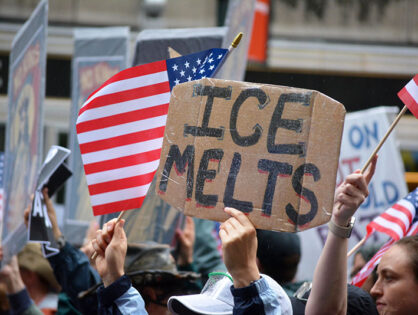
    The raids have also increased tension between residents, law enforcement, and government officials. Protests have become more frequent, sometimes disrupting traffic and commerce. Communities are divided, with some residents supporting strict enforcement and others seeing the operations as harmful and excessive.

    Trust in institutions has eroded in many neighborhoods. Even people with legal status are hesitant to interact with authorities, which affects everything from reporting crimes to accessing public services.

    A Tragic Moment That Intensified the Crisis

    The situation escalated further after the fatal shooting of Renee Goods, a U.S. citizen, during an ICE operation in early 2026. The incident shocked the state and intensified public anger, protests, and legal challenges, becoming a symbol of how dangerous and far-reaching the enforcement actions had become.

    Long-Term Uncertainty for Minnesota

    What makes the situation especially difficult is uncertainty. Real estate markets depend on stability. Renters need predictability. Employers need reliable workers. Schools need consistent attendance. The ongoing raids have disrupted all of these at once.

    Even if enforcement slows in the future, the aftereffects will linger. Neighborhoods that lost residents may take years to recover. Trust, once broken, is slow to rebuild. For Minnesota, the ICE raids of 2026 are no longer just an immigration issue. They are a housing issue, an economic issue, and a community issue that will shape the state for years to come.
  • The Fastest-Growing Cities in Minnesota: A Real Estate Perspective

    The Fastest-Growing Cities in Minnesota: A Real Estate Perspective

    Minnesota is growing at a fast pace. When it comes to the U.S. Midwest, Minnesota stands out not only for its picturesque landscapes and thousands of lakes but also for its dynamic and growing cities. While the Twin Cities – Minneapolis and St. Paul – often steal the spotlight, there are other cities in Minnesota experiencing significant growth, presenting enticing opportunities for real estate investors and homebuyers alike. In this article, we delve into the fastest-growing cities in Minnesota and explore the factors that make them attractive from a real estate perspective.

    Woodbury

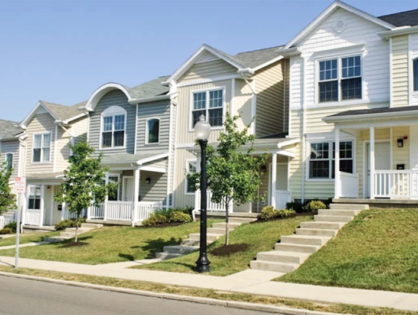
    Located to the east of St. Paul, Woodbury has been a hot spot for families and professionals. With its proximity to the Twin Cities, Woodbury offers a balance between suburban living and urban convenience. The city has seen a surge in new residential developments, catering to a growing demand for housing.

    Real Estate Implication: Woodbury’s real estate market has seen a consistent rise in home values due to demand. New constructions are dominant, which means there’s potential for investors interested in modern homes.

    Lakeville

    Situated to the south of the metropolitan area, Lakeville is celebrated for its recreational options, particularly its lakes. Its school system is another attractive feature for families. As the population is growing, so is the demand for homes.

    Real Estate Implication: Lakeville’s growth is reflected in its property prices. However, its spacious plots offer great value for those looking for more land.

    Maple Grove

    This city, northwest of Minneapolis, is known for its well-planned residential communities and excellent amenities. Maple Grove has also attracted businesses, leading to local job growth.

    Real Estate Implication: With both residential and commercial properties in demand, Maple Grove presents diverse investment opportunities.

    Rochester

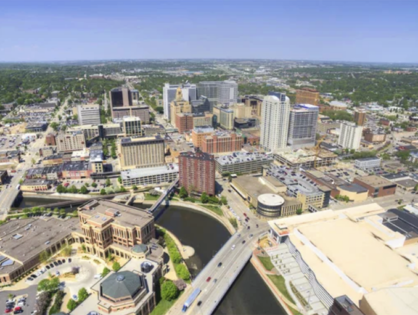
    Home to the renowned Mayo Clinic, Rochester has always been on the map. However, in recent years, it has experienced exponential growth thanks to the Destination Medical Center (DMC) initiative, aiming to make the city a global hub for health and wellness.

    Real Estate Implication: As the DMC initiative progresses, demand for housing for medical professionals, researchers, and students will surge. This presents long-term investment potential.

    Blaine

    A blend of residential, commercial, and natural spaces, Blaine is drawing more residents, especially those seeking a balanced lifestyle. The National Sports Center also makes it a unique attraction.

    Real Estate Implication: With diverse housing options from apartments to single-family homes, Blaine offers varied price points for investors and homebuyers.

    Factors Driving Growth

    Several consistent factors contribute to the growth of these cities:

    Proximity to the Twin Cities: Easy access to Minneapolis and St. Paul offers residents a blend of suburban peace with urban conveniences.

    Educational Institutions: Top-tier schools and colleges make these cities magnet zones for families.

    Economic Growth: From local businesses to global giants, job opportunities in these cities are on the rise.

    Infrastructure Development: As populations swell, there’s a concurrent boost in infrastructure, making these cities more livable and connected.

    Conclusion

    Minnesota’s fastest-growing cities are no longer just satellite towns orbiting the Twin Cities. They’re becoming hubs in their own right, with a blend of economic opportunities, recreational spaces, and residential comfort. For real estate investors and homebuyers, these cities present a mix of short-term and long-term opportunities. As always, due diligence, understanding local market nuances, and consulting with real estate professionals can guide decisions in these promising locales.

  • Analyzing Rochester’s Housing Market Trends and Neighborhoods

    Analyzing Rochester’s Housing Market Trends and Neighborhoods

    The Rochester MN housing market may not have caught up with Minnesota’s downstate economy, but recent developments show promising signs. While it is best not to compare Rochester with Minneapolis or St. Paul, the city has witnessed three consecutive years of appreciation rates, which have brought about some much-needed relief for homeowners.

    According to Zillow, home values are expected to increase by 2.3% over the next year. The median home price in Rochester is currently $128,100, and while the city’s appreciation rate may not match the national average, it is heading in the right direction.

    The recent appreciation rates have resulted in many Rochester homeowners having more equity now than at any point during the recession. This influx of equity could promote owners to sell, leading to an increase in inventory levels.

    The following figures illustrate the amount of equity gained relative to the year of a home’s purchase:

    • Homes purchased in the Rochester housing market one year ago have appreciated, on average, by $3,444. The national average was $12,731 over the same period.
    • Homes purchased in the Rochester housing market three years ago have appreciated, on average, by $14,561. The national average was $51,204 over the same period.
    • Homes purchased in the Rochester housing market five years ago have appreciated, on average, by $17,874. The national average was $48,225 over the same period.
    • Homes purchased in the Rochester housing market seven years ago have appreciated, on average, by $21,514. The national average was $1,750 over the same period.
    • Homes purchased in the Rochester housing market nine years ago have appreciated, on average, by $32,435. The national average increased by $5,043 over the same period.

    A property profile report, free owner search, or property owner finder can provide valuable insights into the Minneapolis housing market. While the city’s housing market may have a ways to go to catch up with the downstate economy, recent developments suggest that Rochester is on the right track.

    Exploring the Rochester Housing Market: An Analysis of Key Trends and Neighborhoods

    The Rochester housing market has been on a steady path of recovery, but it still has a way to go before it catches up with Minneapolis’s economy. Nevertheless, there are plenty of reasons for optimism. According to Zillow, the median home price in Rochester is $128,100, and the housing market has experienced appreciation rates for three consecutive years. The forecast for the next year also looks promising, with a projected 2.4% increase in home values. This report analyzes key trends in the Rochester housing market, including its job sector, new construction, affordability, and delinquencies. It also highlights some of the most popular neighborhoods in Rochester, as identified by Trulia.

    Job Sector and Growth

    Although Rochester’s job sector is better than the national average, it still has room to grow. The city has a lower unemployment rate than the national average, which is currently at 5.8%. In particular, Rochester’s unemployment rate is close to that of Kansas City. However, the city’s job growth rate is a cause for concern, as it has only demonstrated a job growth rate of 0.5% over the course of a year. At that rate, Rochester is nearly one-quarter of the national average, whereas local employment growth for the rest of the country is just under 2%. Despite this, the job sector has demonstrated an ability to keep the Rochester housing market afloat.

    New Construction

    The current state of the Rochester housing market has not promoted new housing developments. Construction appears to have bottomed out, falling 3.2% below the long-term national average. The distinct lack of new construction should limit new supply to the market. With fewer properties available for purchase, inventory will temper just enough for demand to catch up. However, foreclosures and short sales in the Rochester housing market will add more properties to the market than in previous years. The presence of distressed inventory should place downward pressure on median home prices.

    Delinquencies and Affordability

    More than 6% of homeowners in the United States are delinquent on mortgage payments. However, the Rochester housing market nearly doubles the national average, with about 13% of all homeowners in the Rochester area behind on payments. Despite the high delinquency rate, only 11% of Rochester homeowners are underwater, meaning that they owe more on their property than it is worth. Affordability in the Rochester housing market continues to drive demand, as the city is more affordable than most markets across the country. The average Rochester homeowner allocates only 6.4% of their monthly income towards mortgage payments, which is less than half of what the average homeowner typically allocates, at 16.1% of their monthly income.

    As with any major metro, individual neighborhoods in Rochester perform at different levels. Trulia’s research identified some of the most popular areas in Rochester, including Bloomington, Duluth, Brooklyn Park, Woodbury, and Lakeville. These neighborhoods have outperformed others on an annual and even weekly basis, making them attractive areas to buy a home.

    In conclusion, the Rochester housing market is on the right track. While there are challenges to be addressed, such as the city’s job growth rate and delinquency rate, the city’s affordability and steady appreciation rates are driving demand. Moreover, some neighborhoods in Rochester are performing better than others, creating opportunities for buyers and sellers alike. With a projected increase in home values over the next year, now may be a good time to explore the Rochester housing market further. Don’t forget to take advantage of free owner searches and property owner finder services to make your search easier.

    Historic Price Changes & Housing Affordability

    Kiplinger recently published a report that provides an affordability index of one to 10 for the 100 largest metropolitan areas in the United States. This index assesses how affordable housing is based on the percentage of annual income needed to purchase a median-priced home. A score of one indicates the most affordable location, while 10 represents the least affordable. The Rochester metropolitan real estate market has an affordability index of 3, making it one of the more affordable places to own a home. Since the previous real estate peak, home prices in Rochester have increased by 44.4%, and since the last market bottom, they have grown by 60.3%. Kiplinger predicts that housing prices in Rochester and throughout the United States will likely continue to rise due to surging demand.

    Rochester, MN’s Economy

    In terms of quality of life, Business Insider ranks Rochester among the top 30 cities to live in as the economy recovers. The report considered nine key quality-of-life metrics, including population density, education levels, housing affordability, and the ability to work from home. According to Forbes, the cost of living in Rochester is 11% below the national average.

    Niche.com gives Rochester an overall B grade, with high ratings for outdoor activities, commuting, and nightlife. U.S. News & World Report ranks Rochester among the best places to live and retire in the country, with friendly residents. Furthermore, 37% of Rochester’s population is aged between 20 and 49, a demographic that usually prefers to rent than to own a home. Rochester experiences a humid continental climate, with four distinct seasons and regular precipitation throughout the year. Commute times average slightly over 21 minutes, allowing for more time with friends and family. The city is nicknamed the “World’s Image Centre,” as it has been the birthplace of innovative companies such as Kodak, Xerox, and Bausch & Lomb.

    Rochester continues to be a center for higher education, medical, and technological development, and its cultural institutions include the Rochester Philharmonic Orchestra, the International Museum of Photography and Film, and the Rochester Museum & Science Center.