Author: Jon McNab

  • Living in St. Paul, MN: Pros and Cons

    Living in St. Paul, MN: Pros and Cons

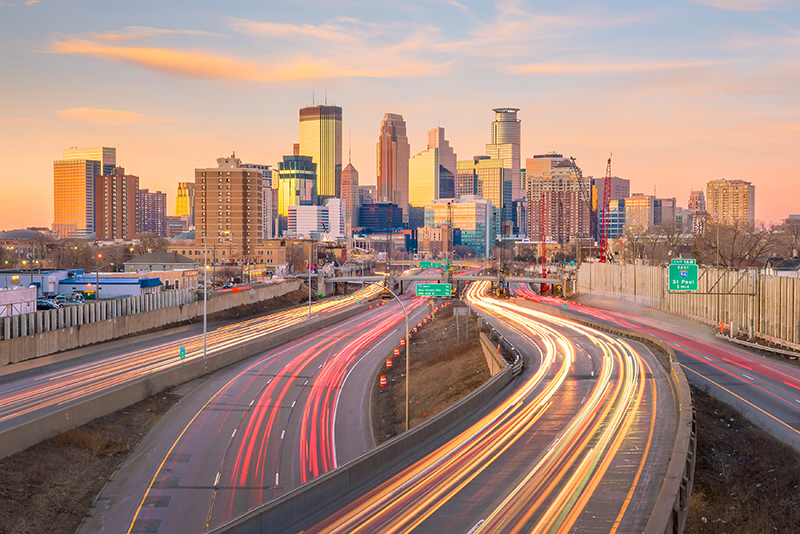
    St. Paul, Minnesota, is a lively and diverse city known for its beautiful buildings, delicious food, and rich cultural scene. It’s a city full of opportunities for fun, career growth, and an exciting urban lifestyle. However, like any city, it has its challenges. In this article, we’ll look at the good and bad sides of living in St. Paul to help you decide if it’s the right place for you.

    Vibrant Arts and Culture Scene

    Pro: A Thriving Arts Community
    St. Paul is a great place for art and culture lovers. The city is home to many theaters, art galleries, and music venues. Every year, it hosts the Minnesota State Fair, one of the biggest and most popular state fairs in the country. There are always cultural events and activities happening, making it an exciting place to live for those who enjoy the arts.

    Con: Limited Nightlife Options
    While St. Paul has a rich cultural scene, it may not have as many nightlife options as its neighboring city, Minneapolis. If you enjoy a vibrant nightlife with lots of bars, clubs, and entertainment venues, you might find St. Paul’s offerings a bit limited in comparison.

    The Weather

    Con: Harsh Winter Weather
    One of the downsides of living in St. Paul is the cold and snowy winters. The winters are long and can be quite harsh, with heavy snowfall. This can make commuting and outdoor activities challenging. If you prefer a milder climate, the extreme cold and snow might be a downside.

    Pro: Summer Festivals and Events
    Despite the harsh winters, St. Paul comes alive in the summer with many festivals and events. The warmer months offer a variety of outdoor activities and community gatherings that make up for the cold winter season.

    Parks and Green Spaces

    Pro: Abundance of Parks and Nature
    St. Paul is known for its many parks and green spaces. Places like Como Park and the Mississippi National River and Recreation Area offer scenic trails, picnic spots, and opportunities to see wildlife. If you love the outdoors, you’ll appreciate the city’s access to nature.

    Con: Traffic Congestion in Parks
    However, popular parks and green spaces can get crowded, especially on weekends and holidays. Traffic congestion in and around these areas can sometimes be a hassle for those looking to enjoy a peaceful day in nature.

    Transportation

    Con: Limited Public Transportation
    St. Paul does have a public transportation system, but it’s not as extensive as in some bigger cities. You might need to rely on your car for daily commutes, as public transport might not be the most convenient or efficient way to get around.

    Pro: Accessible Highways
    On the flip side, St. Paul has good highway access, making it easier for drivers to navigate the city and reach surrounding areas quickly.

    Cost of Living

    Con: High Cost of Living
    Living in St. Paul can be more expensive compared to other cities in the Midwest. Housing, utilities, and groceries tend to cost more. For example, the median home price is around $298,700, and renting a two-bedroom apartment averages about $1,480 per month. This can be a challenge if you’re on a tight budget.

    Pro: Strong Job Market
    Despite the higher cost of living, St. Paul boasts a strong job market. There are many job opportunities in fields like healthcare, education, and technology. The city is home to major corporations and has a growing startup scene, providing ample career prospects and economic stability.

    Community and Education

    Pro: Strong Sense of Community
    St. Paul has a close-knit community feel, with many neighborhoods known for their friendly and active residents. People often take pride in their city and participate in local events and community initiatives, making it a welcoming place for newcomers.

    Pro: Access to Higher Education
    The city is home to several higher education institutions, such as the University of St. Thomas and Concordia University. Residents have access to quality education and lifelong learning opportunities, which adds to the cultural and intellectual vibe of the city.

    Con: Traffic Congestion
    Like many big cities, St. Paul experiences traffic congestion, especially during peak commuting hours. This can lead to delays and long commutes, which can be frustrating for daily travelers.

    In summary, St. Paul offers a vibrant cultural scene, beautiful parks, and a strong job market, but it also has its challenges, like harsh winters and a high cost of living. By weighing these pros and cons, you can decide if St. Paul is the right place for you.

  • First-Time Buyers Struggle as Minnesota Homes Top $400,000

    First-Time Buyers Struggle as Minnesota Homes Top $400,000

    Housing prices across Minnesota have reached their highest point in history. The median price of a home statewide has climbed to around $370,000. In the Twin Cities area, the average price just passed $400,000 for the first time. This milestone shows how much the housing market has changed in the past few years.

    Experts say this rise didn’t happen overnight. Home prices have been increasing steadily for more than a decade due to a mix of strong demand, limited housing supply, and higher construction costs. While it feels shocking to see the numbers cross into a new range, the growth has been slow and consistent rather than sudden.

    Why It Feels So Expensive

    Even though the price growth has been gradual, many buyers are feeling more pressure than ever. For years, homes in the $200,000–$300,000 range were common in Minnesota. Now, seeing listings at $400,000 or more makes the market feel out of reach for many working families.

    Experts point out that the increase is partly psychological; crossing major price thresholds creates the sense that homes have suddenly become unaffordable, even though the pace of change hasn’t really sped up. However, this perception does matter, especially for people comparing prices to what homes cost just a few years ago.

    First-Time Buyers Are Struggling Most

    Rising interest rates have made things even harder for people trying to buy their first home. Just a few years ago, mortgage rates hovered around 3%. Today, they’re closer to 7%. That difference means that even if the home price stayed the same, the monthly payment would be hundreds of dollars higher.

    First-time buyers also face more competition from people moving within the market; sellers who already have equity from their current homes can often make larger down payments or buy outright, leaving newcomers at a disadvantage. As a result, some younger buyers are putting their plans on hold or moving to smaller towns where prices are still lower.

    Urban and Rural Gaps Keep Growing

    The price gap between the Twin Cities and the rest of Minnesota continues to widen. In urban areas, newer construction and higher demand for jobs, schools, and amenities push prices higher. Many homes sell quickly, often with multiple offers.

    In smaller towns and rural areas, homes are typically older and smaller, keeping prices lower overall. But even there, prices have jumped sharply compared to just a few years ago. For local residents whose wages haven’t kept up with inflation or rising costs, the increases can still feel just as painful as they do in big cities.

    Some families are choosing to stay put and remodel rather than buy something new, while others are moving even farther out from metro areas in search of affordability.

    Could the Market Be Turning a Corner?

    While prices remain high, there are small signs that the housing market might be shifting. More homes are appearing for sale, and some sellers are finding that they can’t command the same bidding wars they saw a year or two ago.

    Experts say the market is slowly moving toward balance, where buyers have a bit more negotiating power. But that doesn’t necessarily mean prices will fall anytime soon. Most predictions point to continued, moderate growth instead of a crash or sharp correction.

    If interest rates start to drop in the coming months, more buyers could return to the market, keeping prices from slipping. On the other hand, if rates stay high, demand could cool further and slow price growth.

    Conclusion: A Market at a Crossroads

    Minnesota’s housing market has hit a turning point. Prices have reached record highs, making homeownership tougher for many people, especially first-time buyers. At the same time, the rapid pace of price increases seems to be slowing.

    Whether this shift becomes a long-term trend depends on what happens with mortgage rates, wages, and new housing construction. For now, buyers and sellers alike are watching closely, hoping for a bit more balance after years of dramatic growth.

  • Get Rid of Bugs From Your Home and How to Keep Them Out (VIDEO)

    Get Rid of Bugs From Your Home and How to Keep Them Out (VIDEO)

    As a pre-winter chill immovably grabs hold, assuming you’re truly on your game, you’ve been methodically fixing up your home to shield it from the typical bugs that find their way inside: mice, rodents, and the essential dreadful little animals. However, there may be one you’re not searching for, and we would like to caution you, it smells.
    Researchers say insects, which have been stressing ranchers and irritating property holders since they showed up here in the last part of ’90s, are simply proceeding to spread across the U.S. What’s more, with cooler temps here (or possibly coming), these bugs will very reasonably advance inside — importance into your home.

    In truth, smell bugs don’t nibble. They don’t sting, by the same token. At about a half-inch when they’re completely developed, they’re not enormous, and they’re not typically even that stinky. (Think cilantro.) Still, nobody enjoys a house visitor — human or bug — who creeps in excluded and will not leave. This is the very thing you want to be aware of to get — and keep — smell insects out of your home.

    Bugs 101

    The bug, also known as the brown marmorated bug, has an awful propensity for puncturing the tissue of foods grown from the ground and drawing out their nutrients, subsequently delivering any produce it contacts unappetizing, according to Jason Everitt, an entomologist at Rottler Pest and Lawn Solutions in St. Louis. Ranchers are certainly not fans.

    Brown marmorated bugs are local to China, Japan, Korea, and Taiwan, Everitt says, and in all probability initially hitched a ride to the U.S. in the last part of 1990s through landscape plants. Presently, here, they are similar to it. Yet, insects could do without the chilly, and that implies they need a spot to remain over the colder months.

    Environmental change can likewise assist in making sense of why bugs appear to be everywhere these days. That truly means that after the current year’s especially warm summer, there are more insects out there, and a greater number of them are looking for asylum in your home. How bugs can make your life hopeless

    Insects

    Assuming bugs advance inside your habitation, you probably won’t be familiar with them for a significant length of time. Fortunately, they won’t harm your possessions. They’re very thoughtful visitors — yet not until the end of time.

    That scent has frequently been contrasted and the smell of a solid spice like cilantro. That probably won’t sound all that awful, yet relying upon the species and your olfactory faculties, a smell bug could smell considerably fouler, like skunk spray or spoiled product.

    Step-by-step instructions to snuff out small insects

    The most ideal way to stay away from this malodorous situation is to prevent insects from slithering into your home in any case. On the off chance that you live on a property with loads of trees, you have your work removed. Bugs incline toward lush properties, Everitt says. From that point, they’ll advance into your home, in all probability through your upper room or attic. And keeping in mind that it could sound peculiar, switch off your yard light.

    Controlling bugs turns out to be a greater degree of a test once they enter your home. Yet, you can definitely relax, in all actuality do have a few choices. Simply try not to crush them!
    Bring them down individually: See a bug anywhere?

    Put out your own snares: If you feel like you’re essentially running an Airbnb for bugs, blend water in with a dish cleaner and empty the combination into two or three containers. Encourage exhorts. (Chuckling twistedly, and it is discretionary to focus on your hand’s joy.)

    Vacuum

    Convey your vacuum: Going after bugs with a vacuum cleaner is the treatment Everitt suggests. Simply try to exhaust the vacuum pack or compartment outside your home. In any case, cautions Foster.

    Shower poisonous synthetic compounds: Pesticides on the outside of your home, particularly around section focuses, can help in serious cases, Everitt says. Since you’ll have to focus on window overhang and edges, it may be important to converse with, vital expert in hardware to arrive at the higher designs, he notes.

    7 Effective Ways to Get Rid of All Insects at Home – Video

    The genius will likewise have the lowdown on how best to apply hostile to bug synthetic substances (e.g., just before evening temperatures drop to 50 degrees Fahrenheit or underneath). In any case, bugs might have previously looked into your warm, hot home.

    Small Bugs

    Give your insects to science: Since 1996, bother supervisory groups at Rutgers University’s New Jersey Agricultural Experiment Station have been concentrating on bugs, a part of which includes confirming sightings all through the U.S.

    Assuming you live close to Rutgers’ grounds in New Brunswick, NJ, basically come around and drop off live bugs at the entomology division. You can likewise pop a bug or two (in any condition) into a pill holder and mail it in. Not your bug, er, sack? You can definitely relax, messaging a bug selfie works, as well.

    Why go to the difficulty? More data implies entomologists can sort out better ways of controlling bugs — and perhaps keep them outside your home.

  • Duluth Faces a Shortage of Over 6,000 Homes

    Duluth Faces a Shortage of Over 6,000 Homes

    A new study has shown that Duluth is facing a serious housing shortage. To meet the needs of its current and future residents, the city would need about 6,200 additional homes. Without these new homes, more families, workers, and seniors will continue to struggle to find a place to live. The shortage affects both renters and homeowners, making it harder for people to settle in the city or to stay long-term.

    Shortages Across All Price Ranges

    The lack of housing isn’t just a problem for people looking for low-cost options. Homes at nearly every price range are in short supply. Families searching for affordable starter homes can’t find enough choices, and middle-income buyers are also competing for limited options. This widespread shortage is pushing many people to either pay more than they can afford or delay buying altogether.

    High Rent and Low Vacancies

    Rental housing in Duluth is also in trouble. The average rent is around $1,443 a month, which is a lot when compared to average incomes in the area. More than half of renters spend over 30 percent of their earnings just on rent, which puts a strain on their budgets for food, healthcare, and other needs. On top of that, the vacancy rate is only 1.8 percent. A healthy market usually has closer to 5 to 7 percent vacancy, meaning Duluth is well below what is needed for renters to have real options.

    Seniors in Need of More Options

    Another major finding of the study is the need for more housing designed for older adults. By the year 2030, Duluth will need about 2,400 units built specifically for seniors. This would not only give older residents more suitable places to live, but it would also open up existing homes for younger families when seniors move into better-fitting housing. Without this kind of development, the pressure on the overall housing market will only grow.

    Possible Solutions for the City

    To address this housing crisis, Duluth will need to take action in several different ways. Building new homes is the most obvious solution, but that alone won’t be enough. Other options include repurposing older buildings, turning vacant offices into apartments, and finding creative ways to add more units throughout the city. The scale of the shortage means that no single solution will fix the problem. Instead, Duluth will need a combination of approaches to give residents more choices and to keep the city affordable and livable for the future.

  • A Large Number of City Residents Are Making a Transition to Suburban Living

    A Large Number of City Residents Are Making a Transition to Suburban Living

    The once-booming downtown metropolises, the pillars of industry and economic growth, are experiencing an exodus that’s reshaping the real estate landscape. As we continue to navigate the societal impacts of the 21st century, an undeniable trend has been gaining momentum: people are moving from crowded city centers to more spacious suburbs. This shift is not simply a demographic change; it is a social transformation influenced by overpopulation, anxiety, crime, and the high cost of living.

    The City Overpopulation Factor

    Big cities like New York, Los Angeles, and Chicago have long been a magnet for individuals seeking job opportunities, diverse cultures, and a vibrant lifestyle. However, as these metropolises become increasingly crowded, overpopulation has become a major concern. It leads to inadequate access to basic amenities, congested traffic, pollution, and a significant decrease in the quality of life. As a result, many are trading city life for the more comfortable, less crowded surroundings of the suburbs.

    Anxiety: The Unseen Enemy

    Modern urban life, with its unceasing demands and rapid pace, can lead to increased levels of anxiety. The COVID-19 pandemic only exacerbated this issue by fostering fear and insecurity, especially in densely populated areas. Meanwhile, suburban areas, with their slower pace of life and greater access to nature, offer a perceived respite from such stresses, causing many city dwellers to rethink their lifestyle choices.

    Crime Rates: A Push Factor

    While it is an oversimplification to state that all cities have higher crime rates than suburbs, perception plays a key role in influencing decisions. High-profile instances of crime, widely reported in the media, can foster an atmosphere of fear, making the comparative safety of suburban neighborhoods more appealing.

    The High Cost of City Living

    The economic aspect of this migration cannot be overstated. City living comes with high costs: skyrocketing rents, expensive groceries, elevated transportation costs, and more. According to the Council for Community and Economic Research, the cost of living in Manhattan, for instance, is 148% higher than the national average. In contrast, suburban areas often offer more affordable housing options, lower cost of living, and potentially better quality of life.

    Impact on the Real Estate Market

    The implications of this urban-to-suburban migration are reshaping the real estate industry. Demand for suburban properties has seen a surge, leading to increased property values and a more competitive market in these areas. Meanwhile, the urban real estate market is experiencing a shift, with an oversupply of apartments and condos leading to decreased rental prices. It’s also led to a change in what buyers and renters are looking for. A home office has gone from a luxury to a necessity for many, as remote working becomes more widespread.

    Conclusion

    The great migration from cities to suburbs is a complex phenomenon, driven by factors such as overpopulation, anxiety, crime, and high cost of living. It’s a clear reflection of changing lifestyle preferences and societal trends. For the real estate industry, understanding and adapting to these shifts will be critical to staying ahead of the curve.

    This urban-to-suburban exodus is not just about where people are choosing to live. It’s about why they’re making these choices and how these reasons are intrinsically tied to the quest for a better quality of life. This migration may very well be a reflection of a broader societal shift towards prioritizing well-being, community, and affordability over the perceived advantages of city living.

  • Foreclosure 101: What Every Minnesota Homeowner Needs to Know

    Foreclosure 101: What Every Minnesota Homeowner Needs to Know

    Foreclosure is a challenging process for many homeowners. In Minnesota, understanding the nuances of repossession, including its causes, legal proceedings, and financial implications, is essential. This article explores the foreclosure process in Minnesota’s largest cities like Minneapolis, St. Paul, Rochester, Bloomington, and Duluth, focusing on critical aspects such as loans, banking, financing, and associated fees.

    What Leads to Foreclosure?

    The journey to foreclosure often begins when homeowners fail to make their mortgage payments. Various factors can lead to this situation, including job loss, unexpected medical expenses, or significant changes in the economy. In Minnesota, like elsewhere, these are the typical causes that push homeowners toward the brink of losing their homes.

    The Role of Loans and Financing

    Loans and financing are at the heart of the foreclosure process. When purchasing a home, most individuals take out a mortgage—a type of loan specifically for real estate. Initially, lenders assess the borrower’s ability to repay based on their credit history, income, and other debts. However, if the homeowners face financial instability, their ability to meet mortgage obligations can falter, leading to repossession.

    Banking and Its Impact on Repossession

    Banks play a crucial role in the foreclosure process. They not only provide the initial financing but also manage the ongoing payment processes. If homeowners default on their payments, banks are typically the entities that initiate the foreclosure process. In Minnesota, banks follow specific legal protocols before foreclosing on a property, which includes notifying the borrower and offering options for repayment.

    Understanding Foreclosure Fees

    Foreclosure involves various fees that can accumulate quickly, adding financial strain to already distressed homeowners. These fees might include late payment penalties, legal fees, and costs associated with processing the repossession. In Minnesota, transparency about these fees is required by law, providing homeowners with a clear understanding of what to expect if they face foreclosure.

    Legal Process of Foreclosure in Minnesota

    The legal process of foreclosure in Minnesota involves several steps designed to ensure that all parties are fairly treated. Minnesota typically uses judicial foreclosure, which requires the lender to sue the borrower and obtain a court order to foreclose. This process ensures that the repossession is justified and that the homeowner has the opportunity to defend themselves.

    Prevention and Mitigation of Foreclosure

    Preventing foreclosure is beneficial for both the homeowner and the lender. In Minnesota’s largest cities, various programs and resources are available to help homeowners manage their mortgage payments more effectively. These include counseling services, refinancing options, and government-assisted programs designed to help those in financial distress.

    Conclusion

    Foreclosure is a daunting process that affects many homeowners across Minnesota, particularly in its largest cities. Understanding the intricacies of loans, banking, financing, and the legal steps involved can help homeowners navigate these challenging waters more effectively. Awareness and access to resources can significantly mitigate the impact of repossession, providing struggling homeowners with the necessary tools to regain their financial stability.

  • Building a Brighter Future: Solving Minnesota’s Housing Crisis

    Building a Brighter Future: Solving Minnesota’s Housing Crisis

    Is the housing crisis getting out of hand in Minnesota? In the intricate tapestry of life, few things hold as much significance as having a secure and stable place to call home. Without this foundation, the rest of life’s endeavors often falter. However, despite its paramount importance, investment and innovation in housing have long been overlooked by state governments. In Minnesota, the dire consequences of this negligence have become evident, exacerbated by the housing crisis that has worsened since the onset of the pandemic.

    The Alarming Impact of Unaffordable Rent: Minnesota’s Housing Crisis Unveiled

    From Albert Lea to International Falls, working families find themselves burdened by unaffordable rent. Even seniors on fixed incomes are being priced out of their homes. Shockingly, over 550,000 Minnesotans currently allocate more than 30% of their income to housing, leaving them grappling to make ends meet. The distressing statistics continue: family homelessness in Hennepin County alone increased by 250% last year, and the state witnessed over 20,000 evictions, surpassing pre-pandemic levels.

    The Multifaceted Consequences:

    The impact of Minnesota’s deepening housing crisis is not limited to the individuals directly affected. Its collateral consequences permeate all age groups and undermine the state’s economy as a whole. Housing instability directly contributes to poorer educational outcomes for students, reduced productivity among workers, and limited social mobility. Consequently, the housing crisis not only poses a moral hazard but also carries severe economic implications. Communities throughout the state struggle to attract and retain workers due to the scarcity of suitable housing options.

    Addressing the Urgent Need for Safe and Stable Homes Across the State

    As chairs of the House and Senate housing committees, we recognize the urgency of the situation and firmly believe that it is time to move beyond simply acknowledging the problem. Instead, we must make game-changing investments to alter the trajectory of Minnesota’s housing crisis. To this end, we propose a comprehensive road map that involves sustained biennial investments of over $1 billion, aiming to ensure that all Minnesotans have access to a safe and stable place they can call home. Here are the highlights of our visionary plan:

    Ending Child and Youth Homelessness by 2030:

    Recognizing the staggering number of homeless individuals in Minnesota, nearly half of whom are children, we prioritize eradicating child and youth homelessness by 2030. Our plan encompasses state-based housing vouchers and direct support systems for low-income families, effectively preventing housing crises before they occur. Immediate action includes fast-tracking $100 million in funding for the Family Homeless Prevention and Assistance Program. We also emphasize the preservation of existing affordable housing to prevent the displacement of families.

    Reducing the Racial Homeownership Gap:

    Minnesota harbors one of the most severe racial gaps in homeownership due to systemic racism within housing policies and the housing crisis. To address this issue, we propose building more affordable homes and implementing innovative down payment assistance initiatives. Our plan aims to facilitate the realization of homeownership for over 5,000 new first-generation homebuyers, thus significantly closing the racial homeownership gap.

    Supercharging Housing Supply:

    A key ingredient in tackling homelessness among youth and reducing racial disparities in housing lies in the production and preservation of affordable homes—many affordable homes. Currently, Minnesota faces a staggering 100,000-unit supply gap for homes that are affordable for lower-income individuals. The shortage also extends to affordable homes available for ownership, driving up prices for everyone.

    Recognizing that the free market alone cannot solve this crisis, we propose sustained and substantial public funding, coupled with nonprofit and for-profit investments, to spur the production of homes. Our ambitious plan aims to build and preserve an estimated 150,000 affordable homes, encompassing deeply affordable rental units, the preservation of public housing and naturally occurring affordable housing, manufactured home preservation, and creation, as well as new affordable homes for ownership.

    Tackling Minnesota’s Housing Crisis for a Brighter 2023 and Beyond

    Whether we are striving to bridge opportunity gaps in education, improve health outcomes, or enhance the economic stability of families, the path inevitably leads back home. Let us seize the year 2023 as an opportunity to take bold and decisive action, resolving Minnesota’s housing crisis once and for all. By investing in safe and stable homes for all Minnesotans, we can lay the foundation for a brighter future, where prosperity and well-being flourish throughout the state.

  • Lakefront Living in Minnesota: How It Became So Popular

    Lakefront Living in Minnesota: How It Became So Popular

    Minnesota is known as the “Land of 10,000 Lakes,” but in reality, the state has even more than that. With so many lakes spread across the state, it’s no surprise that living near the water has become a dream for many people. What started as small summer cabins has turned into one of the strongest real estate markets in Minnesota for lakefront homes. Let’s explore how these properties became such an important part of Minnesota life and why they are still in high demand today.

    The Everyday Connection to Lakes

    Lakes are part of Minnesota culture. People spend summers fishing, swimming, and boating, while winters bring ice fishing, skating, and snowmobiling across frozen lakes. Because of this year-round use, lakes are more than just a backdrop; they’re part of people’s routines. A home on the water means instant access to recreation, relaxation, and views that never get old. This everyday connection is one of the biggest reasons lakefront properties grew in popularity.

    From Small Cabins to Permanent Homes

    Decades ago, lakefront living was mostly about cabins. Families would pack up for weekends or summers, spending time in modest wooden cabins built close to the shore. Over time, these cabins were remodeled, expanded, or replaced with full-size homes. As cities grew, many people also realized they could commute or even retire by the lake, making year-round lakefront living more common. What once was a seasonal escape has now become a lifestyle choice for permanent residents.

    Why Shoreline Means Higher Value

    Not all land is equal, and shoreline proves that point. There is only a limited amount of lakefront property in Minnesota, and demand has grown faster than supply. A lake view or direct access to water can raise the value of a property significantly compared to a home just a few blocks away. Buyers often see it as an investment because lakefront homes not only provide enjoyment but also tend to hold value over time. This scarcity has made lakefront real estate some of the most competitive in the state.

    The Role of Tourism and Out-of-State Buyers

    Tourism has also played a big role in the rise of lakefront property. Many families from neighboring states have spent their summer vacationing in Minnesota’s lake regions. After experiencing the lifestyle, some decide to buy their own homes on the water, either as vacation homes or permanent residences. This outside interest has added extra demand, pushing prices higher and making lakefront property even more desirable. Local Minnesotans and newcomers alike see these homes as a symbol of the state’s identity.

    What Buyers Should Know Today

    Today, owning a home on the lake is more than just about location; it’s about lifestyle. Buyers should be prepared for higher prices, limited availability, and competition from others who share the same dream. Still, the benefits are hard to ignore. Lakefront living offers peace, beauty, and a strong sense of community. Families gather for bonfires by the water, kids grow up learning to fish and swim, and adults enjoy the quiet views at sunrise or sunset. For many, these experiences make the extra cost worthwhile worth considering for many people.

  • Duluth Ends Deal for $500M Incline Village Project After Developer Fails to Show Funding

    Duluth Ends Deal for $500M Incline Village Project After Developer Fails to Show Funding

    Duluth officials voted to cancel their development agreement for a massive project called Incline Village. The plan was to build a $500 million mix of housing, retail, and other community spaces on the old Central High School site, a prime location that overlooks downtown and Lake Superior. City leaders said they had no choice but to end the deal because the developer, Incline Plaza Development LLC, failed to prove they had enough money lined up to build it.

    Why the Agreement Fell Apart

    The city’s Economic Development Authority, known as DEDA, required the developer to show proof of financing. That proof never came. Without it, Duluth couldn’t risk letting the project drag on. Officials stressed this wasn’t about rejecting development—it was about holding the developer accountable. After months of waiting and repeated extensions, the five commissioners voted unanimously to cancel the agreement.

    The Developer Pushes Back

    The company’s representatives argued that they had already invested heavily, putting in close to ten million dollars in cash and taking on millions more in debt. They claimed the delays weren’t their fault, pointing to problems with a bank that had promised financial backing but failed to deliver. That disagreement even turned into a lawsuit. One of the developers, Luzy Ostreicher, flew in from New York to plead for more time. He asked the city for a 120-day extension to secure the funding. Despite his appeal, the commissioners said they couldn’t allow any more delays.

    The Mayor’s Take

    Mayor Roger Reinert supported DEDA’s decision. He said the agreement included protections to keep taxpayers from paying the price if things went wrong, and that foresight paid off. Reinert emphasized that the city spent no public money on Incline Village and still views the Central High School site as valuable for future housing and development. He stressed that the issue wasn’t whether development should happen but whether the city should trust someone who could actually deliver.

    What Happens Now

    The site itself still belongs to the developer, which complicates things. Duluth can’t simply hand the land to another builder, at least not right away. City officials have made it clear they want to see housing and community growth on the property, but they’ll need a partner who can prove they have the money and the stability to make it happen. For now, the project is at a standstill, and the future of Incline Village depends on whether Ostreicher can rebuild trust with the city or if a new developer eventually steps in.

  • What Saint Paul Homeowners Need to Know About Next Year’s Taxes

    What Saint Paul Homeowners Need to Know About Next Year’s Taxes

    In recent years, Saint Paul has seen steady growth in single-family home values, reflecting the strong demand for residential properties. However, not all property types are experiencing the same trend. Commercial properties, industrial buildings, and apartment complexes have slightly dipped in their estimated market values over the past year. This shift in property value dynamics has significant implications for homeowners, as the value of various property types in the area heavily influences property taxes. As a result, Saint Paul homeowners are likely to face higher property tax bills in the coming year.

    Property Tax Increases Expected for Homeowners

    For most homeowners, property taxes are a major expense, and Saint Paul residents should brace themselves for a noticeable increase. A typical single-family home with a median value could see a property tax hike of about $200 next year. This increase is the result of combined tax levies from the city, county, and school districts. But that’s not all – fees for essential services like trash collection, water, recycling, and sewer are expected to rise as well, adding at least $100 more to household expenses. Altogether, homeowners may face approximately $300 in additional taxes and fees next year, depending on their neighborhood and the final approved tax rates.

    Budget Challenges and Shifting Tax Burdens

    The city’s leaders are navigating a challenging financial landscape, with a growing reliance on residential property taxes to balance the budget. Saint Paul’s mayor has proposed a 7.9% increase to the city’s property tax levy, which would raise $16.5 million in additional revenue. While this is a significant increase, it is not unprecedented, as larger tax hikes have occurred in the past decade. The tax burden appears to be shifting more toward residential properties, as the value of commercial and industrial properties has declined. This means that Saint Paul homeowners will likely shoulder a larger share of the city’s tax needs compared to previous years.

    Neighborhoods Experience Different Impacts

    These tax increases will affect Saint Paul unevenly. In neighborhoods like Highland Park, where home values are climbing by over 5%, homeowners can expect substantial property tax bill increases. For example, a home in Highland Park worth $413,000 may see its taxes increase by $527 next year. On the other hand, downtown condo owners could see some relief, as property values in that area have slightly declined. Other neighborhoods will fall somewhere in the middle. For instance, a home in the Payne-Phalen neighborhood, with a smaller increase in market value, might see a more modest tax hike of around $89.

    Decline in Commercial and Apartment Values

    While residential property values are on the rise, commercial and industrial properties, as well as apartment buildings, are experiencing a downturn. Commercial property values have dropped by 1.5%, industrial values by 2.4%, and apartment values by 4.5%. This decline means these property types will likely see lower property tax bills, providing some financial relief for businesses and landlords. However, this shift places a heavier burden on residential properties to make up for the revenue shortfall. The commercial and office real estate markets are also adjusting to new trends, such as hybrid work models and fewer retail developments, which could further affect property values and tax revenues.

    Development and Programs to Offset Tax Impacts

    Despite the challenges, there are bright spots in Saint Paul’s real estate and financial landscape. Major residential development projects, such as Highland Bridge and The Heights, are moving forward, along with other large-scale developments throughout Ramsey County. These projects are expected to boost the housing market and provide long-term benefits to the local economy. Additionally, Saint Paul benefits from a regional fiscal disparities program, which redistributes property tax revenue from commercial-industrial properties across counties. Ramsey County is set to receive $56.8 million from this program in 2025, an increase of nearly 12% compared to last year. This shared revenue helps offset some of the tax burdens on homeowners.

    Preparing for a Challenging Year Ahead

    Saint Paul residents should prepare for a challenging year as property taxes and fees rise to address the city’s budget needs. While development and fiscal programs may provide some relief, the increase in residential property taxes is inevitable for many homeowners. Those looking to minimize their tax burden should consider exploring options such as challenging their property’s market value assessment, a method some homeowners have already used successfully. As city, county, and school district officials finalize budgets in the coming months, they may still adjust tax rates, but the general trend shows higher costs for Saint Paul households in 2025.

  • Saint Paul’s Downtown Crisis Didn’t Happen Overnight

    Saint Paul’s Downtown Crisis Didn’t Happen Overnight

    Downtown Saint Paul has been struggling lately. People are noticing closed stores, empty office buildings, and fewer people walking around. For example, the last full-service grocery store in the area shut down, and one of the major office towers, the Alliance Bank Center, is now sitting mostly vacant. It feels like the area is falling apart. But the truth is, this isn’t the first time downtown Saint Paul has hit a rough patch. Over the years, downtown has been called “dead” or “dying” many times. It has had its ups and downs for more than a century.

    So while things might seem especially bad now, there’s more to the story than just a struggling downtown. The bigger issue has to do with how certain properties were handled and neglected, and how that had a ripple effect across the whole area.

    One Saint Paul Landlord Made Things Worse

    Much of the damage to downtown Saint Paul can be traced to a company called Madison Equities. For more than a decade, they owned some of the most important buildings in the downtown area. Instead of taking care of those properties, they let many of them fall into disrepair. Elevators stopped working, garbage piled up, and businesses started moving out.

    Madison Equities kept buying more buildings while ignoring the condition of the ones they already had. This had a snowball effect. When buildings aren’t maintained, they lose tenants. When tenants leave, there’s less foot traffic and fewer people spending money in the area. Other businesses nearby start to suffer, and eventually, the entire downtown feels lifeless.

    A History of Neglect and Legal Trouble

    The problems with Madison Equities didn’t happen overnight. In 2012, the company bought the Lowry Hotel and turned it into apartments, but they didn’t put enough money into keeping the building in good shape. In 2013, they took over the U.S. Bank Center and replaced union janitors with cheaper workers. In 2015, they refused to work with union labor for renovations, which led to more tension with city officials and workers.

    Later on, the company got into serious legal trouble. The Minnesota attorney general sued Madison Equities for things like wage theft and mistreatment of workers. The case is still being appealed, but it shows how the company repeatedly avoided responsibility.

    Madison Equities also pulled out of a program that helps keep downtown areas clean and welcoming, known as the Downtown Improvement District. Other businesses stayed in the program, but Madison chose not to contribute, even though they owned so much of the property. This made it harder for downtown as a whole to stay appealing.

    Things Got Worse After the Owner Died

    The founder of Madison Equities, Jim Crockarell, passed away in early 2024. After his death, the company began falling apart. His family started selling off properties, and the buildings were no longer being managed properly. One by one, tenants started leaving, and the conditions got worse.

    At the Lowry Hotel, the situation became so bad that the city had to shut it down and evacuate tenants. Other buildings followed. In early 2025, the company even shut off power and utilities in the Alliance Bank Center without warning. That building was an important part of the downtown skyway system, a network of indoor walkways connecting buildings. Because of the closure, parts of the skyway were forced to shut down too. Now, people can’t move through downtown the way they used to, which only adds to the sense that the area is falling apart.

    What Can Be Done to Fix Downtown Saint Paul?

    Despite how bad things look, downtown Saint Paul isn’t beyond saving. But fixing it will take strong leadership and long-term thinking. City officials, businesses, and property owners will need to work together, which is something that didn’t happen with Madison Equities.

    There are good examples in other cities. For instance, downtown Detroit once had similar problems: abandoned buildings, lack of investment, and a shrinking population. But one investor bought up many of the worst buildings and took the time to repair them. Over the years, that effort brought people back to the area.

    Saint Paul needs something like that, someone who sees the long-term value in rebuilding and doesn’t just let buildings rot. It also needs cooperation between property owners and public programs that can keep the area clean, safe, and active.

    Right now, the downtown area is facing a crisis not just because of economic changes, but because of poor leadership and neglect. If those issues are addressed, there’s still hope for a comeback. It won’t happen overnight, but downtown can thrive again with the right attention and care.

  • Twin Cities Home Prices Hit $400K for the First Time

    Twin Cities Home Prices Hit $400K for the First Time

    For the first time ever, the median price of a home in the Twin Cities metro area (which includes Minneapolis, St. Paul, and surrounding suburbs) has gone over $400,000. In June 2025, the typical home sold for $401,000. “Median” means half the homes sold for more than that, and half sold for less. This is a big milestone for the local housing market, but not exactly a surprise. Home prices have been slowly rising for the last few years.

    Prices Are Growing Slowly but Steadily

    The increase in price isn’t part of some sudden boom. Compared to the same time last year, the median price only rose by about 2.8%. That’s a pretty average rate of growth, according to real estate analysts. It shows that prices are rising in a stable, predictable way—not spiking like they did during the pandemic-era housing frenzy. Experts say this kind of slow growth is healthy for the market, but it still makes it harder for first-time buyers to get in.

    It’s Getting Harder for People to Afford Homes

    Even though home prices aren’t skyrocketing, affordability is still a big problem. Interest rates are currently hovering around 7%, which means monthly mortgage payments are much higher than they were just a few years ago. On top of that, wages haven’t gone up as fast as housing costs, so many buyers are getting priced out. Some would-be buyers are choosing to wait it out or continue renting, even though they’d prefer to own a home.

    The Cost of Owning Goes Beyond the Mortgage

    Buying a home is just the beginning—owning one is expensive too. In Minnesota, homeowners spend an average of $19,000 a year on things like property taxes, insurance, utilities, and maintenance. Out of that, about $7,000 typically goes just to regular upkeep like repairs, lawn care, and cleaning. These ongoing costs often surprise first-time buyers who focus only on the down payment and monthly mortgage bill.

    Not Enough Homes Means Higher Prices

    One big reason prices keep climbing is that there just aren’t enough homes for sale. The Twin Cities metro area is short by about 50,000 homes, according to housing experts. This shortage makes it hard for buyers to find something in their price range and puts upward pressure on prices. Without more housing being built—especially entry-level and affordable options—the market will likely stay tight for the foreseeable future.