Category: Moving

  • Why Minneapolis Is Considering New Taxes and Fees

    Why Minneapolis Is Considering New Taxes and Fees

    City leaders in Minneapolis are discussing new ways to increase tax revenue as the city faces financial pressure and rising costs. A new report presented to local officials suggested several ideas that could help bring in more money for public services and future projects. Some of the proposals include a city income tax, taxes on empty homes, real estate transfer taxes, and congestion pricing for drivers entering busy parts of the city.

    The report has started major conversations across Minnesota because many residents are already dealing with higher living costs, rising home prices, and increasing property taxes. Supporters of the ideas say the city needs more revenue to pay for services and infrastructure, while critics worry additional taxes could place even more pressure on homeowners, renters, and businesses.

    The discussion also highlights larger concerns about how cities across the country are trying to balance growing expenses with slowing revenue growth.

    Minneapolis Says It Needs More Revenue Sources

    According to the report, Minneapolis depends heavily on property taxes compared to many other large cities. Officials say about 87% of the city’s tax revenue currently comes from property taxes, which has become a concern as property values fluctuate and financial needs continue growing.

    City leaders say relying too much on one source of income can create long-term financial problems. As costs increase for public safety, transportation, infrastructure, housing programs, and city operations, officials are looking for additional ways to generate revenue.

    The report argues that Minneapolis collects less tax revenue per person compared to several similar metropolitan areas around the country. Because of that, city officials are now studying whether new taxes or fees could help stabilize the city’s finances in the future.

    Some leaders also believe the city should improve how it collects existing taxes and fees before introducing major new taxes. The report suggested both strategies may be necessary moving forward.

    City Income Tax Sparks Strong Reactions

    One of the biggest ideas mentioned in the report is a possible city-level income tax. This proposal quickly became one of the most debated parts of the discussion.

    Supporters say an income tax could help diversify city revenue and reduce pressure on property taxes. Some believe higher earners should contribute more toward funding city services, public transportation, affordable housing, and infrastructure improvements.

    Others strongly oppose the idea. Critics argue a city income tax could push residents and businesses to move outside Minneapolis into nearby suburbs to avoid paying extra taxes. Since Minneapolis is surrounded by many neighboring communities, opponents worry businesses and workers could easily relocate.

    The report itself noted that implementing a city income tax would likely be difficult because it would require approval from the Minnesota state legislature before it could become law.

    Online discussions about the proposal quickly became divided. Some residents supported progressive taxation, while others argued that middle-class families are already struggling with inflation, housing costs, and rising taxes.

    Empty Homes Tax and Real Estate Fees Gain Attention

    Another proposal receiving attention is an empty homes tax. This would place additional taxes on residential or commercial properties that stay vacant for long periods of time.

    Supporters say the tax could encourage property owners to rent or sell unused buildings instead of leaving them empty. Some residents believe vacant commercial properties hurt neighborhoods by reducing business activity and making areas look neglected.

    Others believe an empty homes tax could increase housing availability and reduce speculation in the real estate market. In cities with a tight housing supply, some leaders argue vacant properties should not sit unused while housing costs continue rising.

    The report also mentioned the possibility of a real estate transfer tax. This type of tax would apply when ownership of a property changes hands during a sale. Similar taxes already exist in some cities and states across the country.

    Critics of transfer taxes argue they can make home buying more expensive, especially during periods when mortgage rates and housing prices are already high. Real estate professionals often warn that additional transaction costs may discourage buyers and slow market activity.

    Minneapolis Also Considering Congestion Pricing

    One of the more controversial ideas in the report involves congestion pricing. This system would charge drivers a fee for entering certain high-traffic areas during busy hours.

    Supporters point to cities like New York, where congestion pricing was introduced to reduce traffic, pollution, and overcrowding. Some transportation experts believe the system can help fund transit improvements while also improving traffic flow.

    Critics argue that congestion pricing may unfairly impact workers who commute into the city every day. Some residents worry it would increase costs for middle-class workers who already face high transportation expenses.

    Others fear it could hurt businesses located inside downtown areas if shoppers and visitors decide to avoid extra fees.

    The debate reflects a growing trend in large cities where leaders are trying to reduce traffic congestion while finding new ways to fund public transportation and infrastructure projects.

    Rising Property Taxes Remain a Major Concern

    The discussion about new taxes comes at a time when many Minnesota homeowners are already worried about rising property taxes. State reports have shown property tax levies across Minnesota may continue increasing in 2026.

    Many local governments say inflation, higher labor costs, infrastructure repairs, and growing service demands are contributing to these increases.

    For homeowners, this creates additional financial pressure on top of higher mortgage rates, insurance costs, utilities, and everyday living expenses. Some residents worry that adding new city taxes could make housing even less affordable in the future.

    Real estate experts often point out that taxes can strongly influence housing markets. Higher taxes may affect where people choose to live, invest, or purchase homes. Businesses also consider local tax policies when deciding where to open offices or expand operations.

    As Minneapolis explores new revenue ideas, city leaders will likely face increasing pressure from both residents and business groups concerned about affordability.

    Cities Across the Country Are Facing Similar Challenges

    Minneapolis is not alone in looking for new revenue sources. Cities across the United States are struggling with rising costs, aging infrastructure, housing shortages, and growing demands for public services.

    Some cities are exploring wealth taxes, transfer taxes, vacancy taxes, congestion pricing, and other new revenue strategies. Supporters argue these ideas can help cities maintain services and invest in long-term improvements.

    Critics warn that excessive taxation may push residents, businesses, and investors away from urban areas, especially when neighboring communities offer lower costs.

    The challenge for many cities will be finding a balance between generating enough revenue to support growth while keeping housing and living costs affordable for residents.

    As Minneapolis continues studying these proposals, the conversation is likely to remain highly debated among homeowners, renters, business owners, and city leaders across the region.

  • 10 Suburbs Near Minneapolis Offering Affordable Living and Easy Commutes

    10 Suburbs Near Minneapolis Offering Affordable Living and Easy Commutes

    If you’re in the market for a home in Minneapolis this year, it might be wise to broaden your search to the nearby cities. These neighboring communities offer a compelling mix of affordability and convenience, providing a diverse range of options for both renters and buyers alike. Living just a short distance from Minneapolis allows you to enjoy the best of both worlds—proximity to the city’s amenities while benefiting from the unique features and charm of surrounding areas.
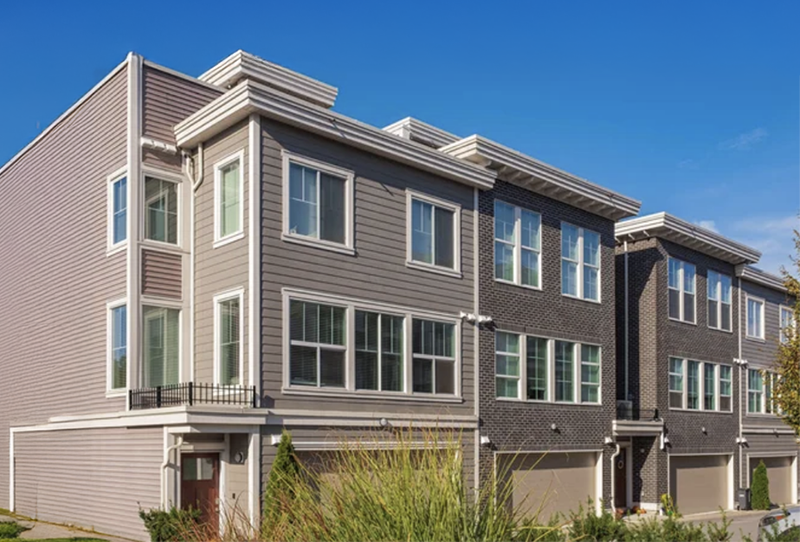
    Additionally, Minneapolis has seen an influx of renters drawn by its more affordable housing options compared to larger metropolitan areas. This trend has made the city an attractive destination for those looking to balance cost with quality of life. This article dives into the rent and housing costs, commute times, and lifestyle factors to help you find a place that suits your budget and preferences.

    1. St. Paul

    • Average commute to Minneapolis: 15 minutes
    • Median home sale price: $300,000
    • Average rent: $1,047
    • Highlights: Historical landmarks, cultural diversity, educational institutions

    St. Paul, Minnesota’s capital city, is steeped in history and brimming with cultural diversity. It’s home to the iconic Minnesota State Capitol and the stunning Cathedral of Saint Paul, both of which draw visitors from near and far. The city’s educational landscape is enriched by institutions like the University of St. Thomas and Hamline University, fostering a vibrant intellectual community. With a diverse economy supported by government, education, and healthcare sectors, St. Paul offers a balanced lifestyle. Residents enjoy a continental climate, experiencing cold winters perfect for ice skating and warm summers ideal for boating and other outdoor activities. The city’s dedication to sustainability and community-driven initiatives makes it an inviting place to call home.

    2. Bloomington

    • Average commute to Minneapolis: 20 minutes
    • Median home sale price: $370,000
    • Average rent: $1,804
    • Highlights: Shopping, outdoor activities, friendly environment

    Bloomington is a dynamic city just south of Minneapolis, famed for hosting the Mall of America, a retail and entertainment hub that attracts visitors globally. Besides shopping, Bloomington offers a wealth of outdoor activities, from skiing in the winter to hiking in the summer, thanks to its varied seasonal climate. Major employers in the retail, hospitality, and healthcare sectors bolster the city’s economy. Bloomington is also a city that values green spaces, with numerous parks that encourage an active and healthy lifestyle.

    3. Edina

    • Average commute to Minneapolis: 15 minutes
    • Median home sale price: $650,000
    • Average rent: $1,237
    • Highlights: Upscale living, excellent schools, golf courses

    Edina is synonymous with luxury and sophistication, offering an upscale suburban lifestyle with top-tier schools and abundant amenities. The city is home to premier shopping destinations like the Galleria and Southdale Center, which cater to discerning shoppers. Edina’s parks and golf courses make it a haven for outdoor enthusiasts, providing ample opportunities for recreation throughout the year. The city’s strong economy, driven by sectors like retail, healthcare, and professional services, coupled with its commitment to maintaining a high quality of life, makes it a sought-after place to live.

    4. Maple Grove

    • Average commute to Minneapolis: 25 minutes
    • Median home sale price: $418,000
    • Average rent: $1,715
    • Highlights: Shopping, parks, active lifestyle

    Maple Grove, located northwest of Minneapolis, is a vibrant suburb known for its extensive shopping and recreational facilities. The Shoppes at Arbor Lakes is a major draw, offering a diverse array of retail and dining options. The city is also rich in green spaces, with numerous parks and trails, including the expansive Elm Creek Park Reserve, which supports an active, outdoor lifestyle. Maple Grove’s climate, with its cold winters and mild summers, provides a perfect backdrop for seasonal activities like snowshoeing and biking. The city’s focus on sustainability and environmental preservation makes it an appealing choice for eco-conscious residents.

    5. Plymouth

    • Average commute to Minneapolis: 20 minutes
    • Median home sale price: $490,000
    • Average rent: $912
    • Highlights: Parks, lakes, community events

    Plymouth, located to the west of Minneapolis, is celebrated for its picturesque parks and serene lakes. The city offers a wealth of recreational opportunities, including the popular French Regional Park and Medicine Lake, ideal for boating, fishing, and picnicking. Plymouth’s community spirit is showcased in the numerous events held throughout the year, fostering a close-knit atmosphere among residents. The city’s long fall season and cooler weather make it a perfect place to enjoy autumnal activities. Plymouth is also known for its strong local economy, driven by key sectors such as retail, healthcare, and professional services.

    6. Eden Prairie

    • Average commute to Minneapolis: 25 minutes
    • Median home sale price: $515,000
    • Average rent: $1,935
    • Highlights: Business parks, outdoor activities, shopping

    Eden Prairie is a thriving suburb southwest of Minneapolis, renowned for its business parks and outdoor recreation. The city is home to several major companies, including C.H. Robinson and Optum, making it a significant employment hub. Eden Prairie also offers a wealth of parks and trails, including the scenic Purgatory Creek Park and Staring Lake Park, providing ample opportunities for hiking, biking, and enjoying the outdoors. The local economy is robust, supported by sectors like technology, healthcare, and retail, making Eden Prairie an attractive option for both work and play.

    7. Minnetonka

    • Average commute to Minneapolis: 20 minutes
    • Median home sale price: $543,000
    • Average rent: $1,654
    • Highlights: Lakes, parks, business opportunities

    Minnetonka, a scenic suburb west of Minneapolis, is known for its stunning lakes and parks. The city offers an abundance of recreational activities, from boating on Lake Minnetonka to hiking in Minnetonka Regional Park. Minnetonka is also a key business hub, with major employers like UnitedHealth Group and Cargill headquartered here, contributing to a diverse and thriving economy. The city’s commitment to environmental preservation and sustainability, coupled with its cold winters and warm summers, makes it a desirable place to live.

    8. Eagan

    • Average commute to Minneapolis: 25 minutes
    • Median home sale price: $390,000
    • Average rent: $1,382
    • Highlights: Parks, business opportunities, community-based environment

    Eagan, situated to the south of Minneapolis, is a bustling suburb known for its extensive parks and strong business environment. The city’s Lebanon Hills Regional Park is a favorite among residents for hiking, biking, and fishing. Eagan is also home to several major companies, including Thomson Reuters and Blue Cross Blue Shield of Minnesota, making it a significant employment center. The local economy thrives on key sectors such as healthcare, technology, and retail. Eagan’s commitment to sustainability and community initiatives, coupled with its seasonal climate, makes it a well-rounded and attractive place to live.

    9. Burnsville

    • Average commute to Minneapolis: 25 minutes
    • Median home sale price: $370,000
    • Average rent: $1,468
    • Highlights: Shopping, parks, close-knit community

    Burnsville, located south of Minneapolis, is a vibrant suburb known for its shopping and recreational offerings. The Burnsville Center is a popular shopping destination, providing a wide variety of retail options. The city’s parks and trails, including Buck Hill, offer seasonal activities like skiing in the winter and mountain biking in the summer. Burnsville’s economy is diverse, with strong retail, healthcare, and manufacturing sectors, and its close-knit community makes it an inviting place to settle down.

    10. Woodbury

    • Average commute to Minneapolis: 30 minutes
    • Median home sale price: $474,000
    • Average rent: $1,599
    • Highlights: Shopping, parks, growing town

    Woodbury, a thriving suburb east of Minneapolis, is recognized for its expansive shopping and recreational opportunities. The Woodbury Lakes shopping center is a focal point for retail therapy, while Carver Lake Park offers outdoor activities such as hiking, biking, and fishing. Woodbury’s economy is robust, with key sectors like retail, healthcare, and technology driving growth. The city’s climate, characterized by cold winters and warm summers, supports a wide range of seasonal activities, making Woodbury an increasingly popular choice for new residents.

  • Maple Grove Sees Continued Growth in Townhome Developments

    Maple Grove Sees Continued Growth in Townhome Developments

    A townhome complex in a quiet neighborhood has recently been sold for just over $10 million. The purchase was confirmed through a certificate of real estate value. The complex is located in Maple Grove and consists of six buildings, originally built in 1996. With a total of 48 units, the cost per unit comes out to about $213,000.

    Details of the Complex

    The townhomes, known for their spacious living arrangements, include 16 units with two bedrooms and 32 units with three bedrooms. Each unit also has one and a half bathrooms, making them attractive to renters looking for a bit more space. In 2014, the complex underwent renovations to update its features, ensuring the property remains modern and appealing.

    New Ownership and Investment Strategy

    The new owner of the complex specializes in multifamily investments. This group has previously invested in properties across other states, including Missouri and Texas. However, this purchase marks their third investment in Minnesota, following earlier purchases of apartment buildings in Rochester. Their focus is on acquiring and managing older multifamily housing that typically appeals to working-class families.

    Rising Property Values in Maple Grove

    Interestingly, the sale price is significantly higher than the property’s assessed value by Hennepin County, which placed the value at $8 million in 2022. The previous owner had bought the complex for around $7.6 million in 2020, making this recent sale a substantial profit for them. Rent for these townhomes varies between $1,895 and $2,295, making them relatively affordable for families and seniors looking for rental options.

    Future Townhome Developments

    Maple Grove is expected to see more townhome development shortly. Another entity has purchased land for $4.25 million to build 155 rental townhomes, further boosting the area’s housing options. In addition, other developers are planning to add more townhome communities, with a focus on build-to-rent properties that cater to growing demand in the area.

    The ongoing development of townhomes reflects the growing interest in rental communities, particularly for those transitioning into or out of homeownership. This trend is likely to continue as Maple Grove and surrounding areas experience more growth and demand for housing options.

  • What the 2026 ICE Raids Mean for Minnesota’s Renters, Homeowners, and Workers

    What the 2026 ICE Raids Mean for Minnesota’s Renters, Homeowners, and Workers

    The ICE raids that expanded across Minnesota in 2026 have gone far beyond immigration enforcement. They are reshaping neighborhoods, disrupting housing stability, and changing how people move through their daily routines. While the raids are officially aimed at immigration violations, their ripple effects are being felt by renters, homeowners, landlords, employers, schools, and entire communities.
    Fear Is Driving Housing Decisions

    One of the biggest impacts is fear, and fear directly affects where people live.

    In many immigrant-heavy neighborhoods across the Twin Cities and surrounding areas, families are leaving apartments they have lived in for years. Some are moving in with relatives. Others are relocating to smaller towns or different states. Even households with mixed legal status are making sudden decisions to move, worried that a routine stop outside their building could turn into detention.

    This has led to higher vacancy rates in certain apartment complexes, especially older multifamily buildings that traditionally housed working-class families. Property owners are seeing more broken leases, last-minute move-outs, and tenants asking to be removed from lease agreements early. In a normal market, this level of turnover would be unusual.

    Rental Markets Are Slowing in Targeted Areas

    Rental demand has softened in neighborhoods most affected by enforcement activity. In places where rents were steadily rising just a year ago, landlords are now offering concessions to fill units. These include discounted rent, waived application fees, and more flexible lease terms.

    At the same time, demand is increasing in areas perceived as quieter or safer. Suburbs and smaller cities farther from visible enforcement activity are seeing higher interest from renters who can afford to move. This uneven demand is creating pockets of slowdown alongside pockets of pressure, rather than a single statewide trend.

    For renters who remain, the stress is financial as well as emotional. Missed work, reduced hours, or job loss tied to fear of leaving home has made it harder to pay rent on time. Tenant advocates report a rise in eviction filings that are indirectly tied to enforcement-related disruptions, even when the tenant has lived in the unit responsibly for years.

    Homeowners Are Also Affected

    Homeowners are not immune to the impact. In some neighborhoods, homes are being listed for sale sooner than expected as families decide they no longer feel safe staying. This is especially true for multigenerational households, where one person’s legal risk affects the entire family.

    Real estate agents report longer listing times in certain areas, not because homes are undesirable, but because buyers are hesitant about instability and community disruption. Even buyers with no connection to immigration issues are factoring in protests, enforcement visibility, and long-term uncertainty when deciding where to purchase.

    Everyday Life Has Quieted Down

    Beyond housing, daily life in many Minnesota communities has changed noticeably.

    Public spaces are emptier. Parks, libraries, and community centers that were once busy are seeing fewer families. Transit ridership has dipped in some neighborhoods as people avoid routine travel. Grocery shopping is happening less often, with households trying to limit trips outside.

    Workplaces are struggling with attendance. Industries like construction, food service, cleaning, caregiving, and agriculture are seeing staffing shortages because workers are afraid to commute or show up consistently. Some employers are trying to adjust schedules or offer flexibility, but many jobs simply cannot be done remotely.

    Schools and Children Are Caught in the Middle

    Schools are seeing the consequences as well. Attendance has dropped in districts with large immigrant populations. Some parents are keeping children home out of fear that enforcement activity near bus stops or school grounds could separate families.

    This has forced school districts to bring back remote or hybrid options, not because of health concerns, but because families no longer feel safe with normal routines. Educators say the emotional toll on students is growing, with anxiety, distraction, and disengagement becoming more common.

    Small Businesses Are Losing Customers

    Small businesses are taking a hit as well. Restaurants, neighborhood shops, salons, and local services depend on regular foot traffic. When people stay home, revenue drops fast. Some business owners are reducing hours or closing temporarily during periods of heavy enforcement activity.

    The concern among business groups is not just short-term losses, but long-term damage. If families permanently relocate, entire commercial corridors could struggle to recover.

    Rising Tension and Community Strain

    The raids have also increased tension between residents, law enforcement, and government officials. Protests have become more frequent, sometimes disrupting traffic and commerce. Communities are divided, with some residents supporting strict enforcement and others seeing the operations as harmful and excessive.

    Trust in institutions has eroded in many neighborhoods. Even people with legal status are hesitant to interact with authorities, which affects everything from reporting crimes to accessing public services.

    A Tragic Moment That Intensified the Crisis

    The situation escalated further after the fatal shooting of Renee Goods, a U.S. citizen, during an ICE operation in early 2026. The incident shocked the state and intensified public anger, protests, and legal challenges, becoming a symbol of how dangerous and far-reaching the enforcement actions had become.

    Long-Term Uncertainty for Minnesota

    What makes the situation especially difficult is uncertainty. Real estate markets depend on stability. Renters need predictability. Employers need reliable workers. Schools need consistent attendance. The ongoing raids have disrupted all of these at once.

    Even if enforcement slows in the future, the aftereffects will linger. Neighborhoods that lost residents may take years to recover. Trust, once broken, is slow to rebuild. For Minnesota, the ICE raids of 2026 are no longer just an immigration issue. They are a housing issue, an economic issue, and a community issue that will shape the state for years to come.

  • Discovering Duluth: Your Guide to Moving to This Minnesota Gem

    Discovering Duluth: Your Guide to Moving to This Minnesota Gem

    Unravel the beauty of Duluth, Minnesota, a city that effortlessly blends the stunning natural allure with abundant history and a lively community spirit. Despite its status as one of the largest urban areas in the North Star State, Duluth preserves its quaint, historical charm, teeming with myriad activities and delectable dining experiences. Known for its outdoor pursuits, scenic landscapes, and affable locals, Duluth has grown into a popular destination for those seeking a tranquil lifestyle or an unforgettable weekend escape.
    Whether you’re keen on exploring Property Records of Minnesota or just curious about the allure of Duluth, this guide is a perfect starting point. Get a glimpse of this city’s unique charm through these seven compelling reasons to consider a move to Duluth, MN.

    Experiencing Duluth’s Natural Grandeur

    Embrace Stunning Natural Beauty: Duluth boasts awe-inspiring landscapes featuring the rugged charm of Lake Superior, gushing waterfalls, and lush forests. Its 162 parks, including the prominent Canal Park and Enger Park, offer mesmerizing views, intricate walking trails, and abundant recreational opportunities. Nature enthusiasts will cherish the opportunity to delve into outdoor activities like hiking, biking, and birdwatching.

    Immersing in Outdoor Adventures

    Plentiful Outdoor Recreation: Duluth presents an assortment of outdoor pursuits for all ages and skill levels. The presence of Lake Superior enables residents to indulge in sailing, kayaking, and fishing during the warm months. Winter sports aficionados can enjoy skiing, snowboarding, and snowshoeing at the nearby Spirit Mountain. The Superior Hiking Trail and the Duluth Traverse provide miles of trails for hiking and mountain biking enthusiasts.

    Duluth further offers convenient access to the Boundary Waters Canoe Area Wilderness, a sprawling natural expanse spanning over one million acres, making it a paradise for canoeing, camping, fishing, and more.

    Enjoying the Four-Season Charm

    Four Distinct Seasons: The climate in Duluth ushers in four distinct seasons, allowing residents to savor the unique beauty of each. Spring is marked by blossoming wildflowers and budding trees, while summer promises warm days ideal for swimming and boating. Fall unveils vibrant foliage and crisp air, with winter turning the landscape into a snowy wonderland perfect for winter sports and cozy fireplace evenings.
    Duluth’s temperatures fluctuate from season to season, with summer highs averaging in the 70s and winter lows in the single digits, offering the second most number of days below freezing of any major city in the contiguous US, next only to International Falls.

    Exploring Duluth’s Affordability

    Affordable Cost of Living: One of the main draws of Duluth, MN, is its lower cost of living compared to other cities in the United States. Particularly, housing costs are relatively low, making the city a desirable option for those seeking affordability. The median house sale price in Duluth stands at $279,000, substantially lower than the national median. Rental living also presents an affordable choice; the average one-bedroom apartment costs $1,495.
    Housing options are diverse, from historic homes to modern apartments, typically priced lower than the national average. The city’s comparably low property taxes and utility costs also contribute to its affordability.

    Experiencing Duluth’s Vibrant Community

    Strong Sense of Community: Duluth’s friendly and welcoming ambiance is one of its most attractive features. The city hosts numerous community events and festivals such as the Duluth Airshow, Bayfront Blues Festival, and Grandma’s Marathon. These festivities bring the residents together, celebrating local culture and traditions. Moreover, the active arts scene, featuring establishments like the Duluth Playhouse and the Tweed Museum of Art, fosters a powerful sense of community.

    Indulging in Duluth’s Culinary Scene

    Thriving Culinary Scene: Duluth’s food scene is diverse and ever-evolving, presenting an array of dining options to cater to every palate. The city’s proximity to Lake Superior ensures a fresh supply of seafood, while local ingredients promise a farm-to-table experience in many eateries. Duluth also boasts a burgeoning number of craft breweries like Bent Paddle Brewing Co. and Canal Park Brewing Company, thereby creating a dynamic local beer scene for residents and visitors alike.

    Immersing in Duluth’s Rich History

    Rich History: Duluth has an extensive and intriguing maritime history, harking back to the days of fur trading and the evolution of the Great Lakes shipping industry. The city’s Lake Superior Maritime Visitor Center and the SS William A. Irvin Ore Boat Museum provide captivating insights into the region’s past. The iconic Aerial Lift Bridge stands as a testament to Duluth’s enduring connection to the water.

    In essence, Duluth, Minnesota, is a captivating blend of nature, community, affordability, and historical richness. Whether you are scrutinizing the Property Records of Minnesota or just exploring potential new homes, Duluth invites you to experience its charm firsthand.

  • The Fastest-Growing Cities in Minnesota: A Real Estate Perspective

    The Fastest-Growing Cities in Minnesota: A Real Estate Perspective

    Minnesota is growing at a fast pace. When it comes to the U.S. Midwest, Minnesota stands out not only for its picturesque landscapes and thousands of lakes but also for its dynamic and growing cities. While the Twin Cities – Minneapolis and St. Paul – often steal the spotlight, there are other cities in Minnesota experiencing significant growth, presenting enticing opportunities for real estate investors and homebuyers alike. In this article, we delve into the fastest-growing cities in Minnesota and explore the factors that make them attractive from a real estate perspective.

    Woodbury

    Located to the east of St. Paul, Woodbury has been a hot spot for families and professionals. With its proximity to the Twin Cities, Woodbury offers a balance between suburban living and urban convenience. The city has seen a surge in new residential developments, catering to a growing demand for housing.

    Real Estate Implication: Woodbury’s real estate market has seen a consistent rise in home values due to demand. New constructions are dominant, which means there’s potential for investors interested in modern homes.

    Lakeville

    Situated to the south of the metropolitan area, Lakeville is celebrated for its recreational options, particularly its lakes. Its school system is another attractive feature for families. As the population is growing, so is the demand for homes.

    Real Estate Implication: Lakeville’s growth is reflected in its property prices. However, its spacious plots offer great value for those looking for more land.

    Maple Grove

    This city, northwest of Minneapolis, is known for its well-planned residential communities and excellent amenities. Maple Grove has also attracted businesses, leading to local job growth.

    Real Estate Implication: With both residential and commercial properties in demand, Maple Grove presents diverse investment opportunities.

    Rochester

    Home to the renowned Mayo Clinic, Rochester has always been on the map. However, in recent years, it has experienced exponential growth thanks to the Destination Medical Center (DMC) initiative, aiming to make the city a global hub for health and wellness.

    Real Estate Implication: As the DMC initiative progresses, demand for housing for medical professionals, researchers, and students will surge. This presents long-term investment potential.

    Blaine

    A blend of residential, commercial, and natural spaces, Blaine is drawing more residents, especially those seeking a balanced lifestyle. The National Sports Center also makes it a unique attraction.

    Real Estate Implication: With diverse housing options from apartments to single-family homes, Blaine offers varied price points for investors and homebuyers.

    Factors Driving Growth

    Several consistent factors contribute to the growth of these cities:

    Proximity to the Twin Cities: Easy access to Minneapolis and St. Paul offers residents a blend of suburban peace with urban conveniences.

    Educational Institutions: Top-tier schools and colleges make these cities magnet zones for families.

    Economic Growth: From local businesses to global giants, job opportunities in these cities are on the rise.

    Infrastructure Development: As populations swell, there’s a concurrent boost in infrastructure, making these cities more livable and connected.

    Conclusion

    Minnesota’s fastest-growing cities are no longer just satellite towns orbiting the Twin Cities. They’re becoming hubs in their own right, with a blend of economic opportunities, recreational spaces, and residential comfort. For real estate investors and homebuyers, these cities present a mix of short-term and long-term opportunities. As always, due diligence, understanding local market nuances, and consulting with real estate professionals can guide decisions in these promising locales.

  • How Fortune 500 Companies Shape the Minnesota Housing Market

    How Fortune 500 Companies Shape the Minnesota Housing Market

    Minnesota is known for its lakes, parks, and friendly communities, but it’s also home to a powerful business scene. The Twin Cities metropolitan area, which includes Minneapolis and St. Paul, has one of the highest concentrations of Fortune 500 companies in the country. Big names like Target, Best Buy, 3M, U.S. Bancorp, General Mills, and UnitedHealth Group are all based here.

    Even if people don’t think about it, these companies strongly influence the local real estate market. When major employers hire thousands of workers, offer steady salaries, and attract talent from around the country, housing demand naturally changes.

    More Jobs Mean More People Moving In

    When companies like Target or Best Buy expand, they bring in new employees. Some are local, but many move from out of state. This creates higher demand for homes, apartments, and condos, especially near the Twin Cities. Neighborhoods close to corporate offices or near major highways usually see the fastest growth.

    Higher Demand Often Raises Home Prices

    As more people compete for housing, prices tend to go up. This has happened in several Twin Cities suburbs where many corporate workers live, such as Bloomington, Eagan, St. Louis Park, Edina, and Maple Grove. These areas offer short drives to office campuses, which makes them popular.

    New Development Follows Big Employers

    Large companies attract restaurants, shops, and entertainment to the surrounding areas. Developers respond by building new apartment buildings, townhomes, and mixed-use projects. This boosts property values and transforms older neighborhoods into busy, modern areas.

    Stable Companies Create Stable Housing Markets

    One reason Minnesota real estate stays strong is the job security these companies offer. Even during economic slowdowns, major employers like 3M and General Mills help keep the job market steady. When jobs remain stable, the housing market usually avoids sharp drops.

    Renters Feel the Impact Too

    High-paying corporate jobs can push rents higher. Areas near downtown Minneapolis and St. Paul, or close to business hubs like Eagan or Richfield, often see higher rent because landlords know demand stays strong.

    A Strong Future for Minnesota Real Estate

    As long as the Twin Cities remain home to so many Fortune 500 headquarters, the real estate market is likely to stay competitive. Companies attract workers, workers need housing, and housing costs rise in the most popular neighborhoods. For buyers and investors, Minnesota offers a mix of long-term stability and steady demand.

  • Living in St. Paul, MN: Pros and Cons

    Living in St. Paul, MN: Pros and Cons

    St. Paul, Minnesota, is a lively and diverse city known for its beautiful buildings, delicious food, and rich cultural scene. It’s a city full of opportunities for fun, career growth, and an exciting urban lifestyle. However, like any city, it has its challenges. In this article, we’ll look at the good and bad sides of living in St. Paul to help you decide if it’s the right place for you.

    Vibrant Arts and Culture Scene

    Pro: A Thriving Arts Community
    St. Paul is a great place for art and culture lovers. The city is home to many theaters, art galleries, and music venues. Every year, it hosts the Minnesota State Fair, one of the biggest and most popular state fairs in the country. There are always cultural events and activities happening, making it an exciting place to live for those who enjoy the arts.

    Con: Limited Nightlife Options
    While St. Paul has a rich cultural scene, it may not have as many nightlife options as its neighboring city, Minneapolis. If you enjoy a vibrant nightlife with lots of bars, clubs, and entertainment venues, you might find St. Paul’s offerings a bit limited in comparison.

    The Weather

    Con: Harsh Winter Weather
    One of the downsides of living in St. Paul is the cold and snowy winters. The winters are long and can be quite harsh, with heavy snowfall. This can make commuting and outdoor activities challenging. If you prefer a milder climate, the extreme cold and snow might be a downside.

    Pro: Summer Festivals and Events
    Despite the harsh winters, St. Paul comes alive in the summer with many festivals and events. The warmer months offer a variety of outdoor activities and community gatherings that make up for the cold winter season.

    Parks and Green Spaces

    Pro: Abundance of Parks and Nature
    St. Paul is known for its many parks and green spaces. Places like Como Park and the Mississippi National River and Recreation Area offer scenic trails, picnic spots, and opportunities to see wildlife. If you love the outdoors, you’ll appreciate the city’s access to nature.

    Con: Traffic Congestion in Parks
    However, popular parks and green spaces can get crowded, especially on weekends and holidays. Traffic congestion in and around these areas can sometimes be a hassle for those looking to enjoy a peaceful day in nature.

    Transportation

    Con: Limited Public Transportation
    St. Paul does have a public transportation system, but it’s not as extensive as in some bigger cities. You might need to rely on your car for daily commutes, as public transport might not be the most convenient or efficient way to get around.

    Pro: Accessible Highways
    On the flip side, St. Paul has good highway access, making it easier for drivers to navigate the city and reach surrounding areas quickly.

    Cost of Living

    Con: High Cost of Living
    Living in St. Paul can be more expensive compared to other cities in the Midwest. Housing, utilities, and groceries tend to cost more. For example, the median home price is around $298,700, and renting a two-bedroom apartment averages about $1,480 per month. This can be a challenge if you’re on a tight budget.

    Pro: Strong Job Market
    Despite the higher cost of living, St. Paul boasts a strong job market. There are many job opportunities in fields like healthcare, education, and technology. The city is home to major corporations and has a growing startup scene, providing ample career prospects and economic stability.

    Community and Education

    Pro: Strong Sense of Community
    St. Paul has a close-knit community feel, with many neighborhoods known for their friendly and active residents. People often take pride in their city and participate in local events and community initiatives, making it a welcoming place for newcomers.

    Pro: Access to Higher Education
    The city is home to several higher education institutions, such as the University of St. Thomas and Concordia University. Residents have access to quality education and lifelong learning opportunities, which adds to the cultural and intellectual vibe of the city.

    Con: Traffic Congestion
    Like many big cities, St. Paul experiences traffic congestion, especially during peak commuting hours. This can lead to delays and long commutes, which can be frustrating for daily travelers.

    In summary, St. Paul offers a vibrant cultural scene, beautiful parks, and a strong job market, but it also has its challenges, like harsh winters and a high cost of living. By weighing these pros and cons, you can decide if St. Paul is the right place for you.

  • First-Time Buyers Struggle as Minnesota Homes Top $400,000

    First-Time Buyers Struggle as Minnesota Homes Top $400,000

    Housing prices across Minnesota have reached their highest point in history. The median price of a home statewide has climbed to around $370,000. In the Twin Cities area, the average price just passed $400,000 for the first time. This milestone shows how much the housing market has changed in the past few years.

    Experts say this rise didn’t happen overnight. Home prices have been increasing steadily for more than a decade due to a mix of strong demand, limited housing supply, and higher construction costs. While it feels shocking to see the numbers cross into a new range, the growth has been slow and consistent rather than sudden.

    Why It Feels So Expensive

    Even though the price growth has been gradual, many buyers are feeling more pressure than ever. For years, homes in the $200,000–$300,000 range were common in Minnesota. Now, seeing listings at $400,000 or more makes the market feel out of reach for many working families.

    Experts point out that the increase is partly psychological; crossing major price thresholds creates the sense that homes have suddenly become unaffordable, even though the pace of change hasn’t really sped up. However, this perception does matter, especially for people comparing prices to what homes cost just a few years ago.

    First-Time Buyers Are Struggling Most

    Rising interest rates have made things even harder for people trying to buy their first home. Just a few years ago, mortgage rates hovered around 3%. Today, they’re closer to 7%. That difference means that even if the home price stayed the same, the monthly payment would be hundreds of dollars higher.

    First-time buyers also face more competition from people moving within the market; sellers who already have equity from their current homes can often make larger down payments or buy outright, leaving newcomers at a disadvantage. As a result, some younger buyers are putting their plans on hold or moving to smaller towns where prices are still lower.

    Urban and Rural Gaps Keep Growing

    The price gap between the Twin Cities and the rest of Minnesota continues to widen. In urban areas, newer construction and higher demand for jobs, schools, and amenities push prices higher. Many homes sell quickly, often with multiple offers.

    In smaller towns and rural areas, homes are typically older and smaller, keeping prices lower overall. But even there, prices have jumped sharply compared to just a few years ago. For local residents whose wages haven’t kept up with inflation or rising costs, the increases can still feel just as painful as they do in big cities.

    Some families are choosing to stay put and remodel rather than buy something new, while others are moving even farther out from metro areas in search of affordability.

    Could the Market Be Turning a Corner?

    While prices remain high, there are small signs that the housing market might be shifting. More homes are appearing for sale, and some sellers are finding that they can’t command the same bidding wars they saw a year or two ago.

    Experts say the market is slowly moving toward balance, where buyers have a bit more negotiating power. But that doesn’t necessarily mean prices will fall anytime soon. Most predictions point to continued, moderate growth instead of a crash or sharp correction.

    If interest rates start to drop in the coming months, more buyers could return to the market, keeping prices from slipping. On the other hand, if rates stay high, demand could cool further and slow price growth.

    Conclusion: A Market at a Crossroads

    Minnesota’s housing market has hit a turning point. Prices have reached record highs, making homeownership tougher for many people, especially first-time buyers. At the same time, the rapid pace of price increases seems to be slowing.

    Whether this shift becomes a long-term trend depends on what happens with mortgage rates, wages, and new housing construction. For now, buyers and sellers alike are watching closely, hoping for a bit more balance after years of dramatic growth.

  • Get Rid of Bugs From Your Home and How to Keep Them Out (VIDEO)

    Get Rid of Bugs From Your Home and How to Keep Them Out (VIDEO)

    As a pre-winter chill immovably grabs hold, assuming you’re truly on your game, you’ve been methodically fixing up your home to shield it from the typical bugs that find their way inside: mice, rodents, and the essential dreadful little animals. However, there may be one you’re not searching for, and we would like to caution you, it smells.

    Researchers say insects, which have been stressing ranchers and irritating property holders since they showed up here in the last part of ’90s, are simply proceeding to spread across the U.S. What’s more, with cooler temps here (or possibly coming), these bugs will very reasonably advance inside — importance into your home.

    In truth, smell bugs don’t nibble. They don’t sting, by the same token. At about a half-inch when they’re completely developed, they’re not enormous, and they’re not typically even that stinky. (Think cilantro.) Still, nobody enjoys a house visitor — human or bug — who creeps in excluded and will not leave. This is the very thing you want to be aware of to get — and keep — smell insects out of your home.

    Bugs 101

    The bug, also known as the brown marmorated bug, has an awful propensity for puncturing the tissue of foods grown from the ground and drawing out their nutrients, subsequently delivering any produce it contacts unappetizing, according to Jason Everitt, an entomologist at Rottler Pest and Lawn Solutions in St. Louis. Ranchers are certainly not fans.

    Brown marmorated bugs are local to China, Japan, Korea, and Taiwan, Everitt says, and in all probability initially hitched a ride to the U.S. in the last part of 1990s through landscape plants. Presently, here, they are similar to it. Yet, insects could do without the chilly, and that implies they need a spot to remain over the colder months.

    Environmental change can likewise assist in making sense of why bugs appear to be everywhere these days. That truly means that after the current year’s especially warm summer, there are more insects out there, and a greater number of them are looking for asylum in your home. How bugs can make your life hopeless

    Insects

    Assuming bugs advance inside your habitation, you probably won’t be familiar with them for a significant length of time. Fortunately, they won’t harm your possessions. They’re very thoughtful visitors — yet not until the end of time.

    That scent has frequently been contrasted and the smell of a solid spice like cilantro. That probably won’t sound all that awful, yet relying upon the species and your olfactory faculties, a smell bug could smell considerably fouler, like skunk spray or spoiled product.

    Step-by-step instructions to snuff out small insects

    The most ideal way to stay away from this malodorous situation is to prevent insects from slithering into your home in any case. On the off chance that you live on a property with loads of trees, you have your work removed. Bugs incline toward lush properties, Everitt says. From that point, they’ll advance into your home, in all probability through your upper room or attic. And keeping in mind that it could sound peculiar, switch off your yard light.

    Controlling bugs turns out to be a greater degree of a test once they enter your home. Yet, you can definitely relax, in all actuality do have a few choices. Simply try not to crush them!
    Bring them down individually: See a bug anywhere?

    Put out your own snares: If you feel like you’re essentially running an Airbnb for bugs, blend water in with a dish cleaner and empty the combination into two or three containers. Encourage exhorts. (Chuckling twistedly, and it is discretionary to focus on your hand’s joy.)

    Vacuum

    Convey your vacuum: Going after bugs with a vacuum cleaner is the treatment Everitt suggests. Simply try to exhaust the vacuum pack or compartment outside your home. In any case, cautions Foster.

    Shower poisonous synthetic compounds: Pesticides on the outside of your home, particularly around section focuses, can help in serious cases, Everitt says. Since you’ll have to focus on window overhang and edges, it may be important to converse with, vital expert in hardware to arrive at the higher designs, he notes.

    7 Effective Ways to Get Rid of All Insects at Home – Video

    The genius will likewise have the lowdown on how best to apply hostile to bug synthetic substances (e.g., just before evening temperatures drop to 50 degrees Fahrenheit or underneath). In any case, bugs might have previously looked into your warm, hot home.

    Small Bugs

    Give your insects to science: Since 1996, bother supervisory groups at Rutgers University’s New Jersey Agricultural Experiment Station have been concentrating on bugs, a part of which includes confirming sightings all through the U.S.

    Assuming you live close to Rutgers’ grounds in New Brunswick, NJ, basically come around and drop off live bugs at the entomology division. You can likewise pop a bug or two (in any condition) into a pill holder and mail it in. Not your bug, er, sack? You can definitely relax, messaging a bug selfie works, as well.

    Why go to the difficulty? More data implies entomologists can sort out better ways of controlling bugs — and perhaps keep them outside your home.

  • Duluth Faces a Shortage of Over 6,000 Homes

    Duluth Faces a Shortage of Over 6,000 Homes

    A new study has shown that Duluth is facing a serious housing shortage. To meet the needs of its current and future residents, the city would need about 6,200 additional homes. Without these new homes, more families, workers, and seniors will continue to struggle to find a place to live. The shortage affects both renters and homeowners, making it harder for people to settle in the city or to stay long-term.

    Shortages Across All Price Ranges

    The lack of housing isn’t just a problem for people looking for low-cost options. Homes at nearly every price range are in short supply. Families searching for affordable starter homes can’t find enough choices, and middle-income buyers are also competing for limited options. This widespread shortage is pushing many people to either pay more than they can afford or delay buying altogether.

    High Rent and Low Vacancies

    Rental housing in Duluth is also in trouble. The average rent is around $1,443 a month, which is a lot when compared to average incomes in the area. More than half of renters spend over 30 percent of their earnings just on rent, which puts a strain on their budgets for food, healthcare, and other needs. On top of that, the vacancy rate is only 1.8 percent. A healthy market usually has closer to 5 to 7 percent vacancy, meaning Duluth is well below what is needed for renters to have real options.

    Seniors in Need of More Options

    Another major finding of the study is the need for more housing designed for older adults. By the year 2030, Duluth will need about 2,400 units built specifically for seniors. This would not only give older residents more suitable places to live, but it would also open up existing homes for younger families when seniors move into better-fitting housing. Without this kind of development, the pressure on the overall housing market will only grow.

    Possible Solutions for the City

    To address this housing crisis, Duluth will need to take action in several different ways. Building new homes is the most obvious solution, but that alone won’t be enough. Other options include repurposing older buildings, turning vacant offices into apartments, and finding creative ways to add more units throughout the city. The scale of the shortage means that no single solution will fix the problem. Instead, Duluth will need a combination of approaches to give residents more choices and to keep the city affordable and livable for the future.

  • A Large Number of City Residents Are Making a Transition to Suburban Living

    A Large Number of City Residents Are Making a Transition to Suburban Living

    The once-booming downtown metropolises, the pillars of industry and economic growth, are experiencing an exodus that’s reshaping the real estate landscape. As we continue to navigate the societal impacts of the 21st century, an undeniable trend has been gaining momentum: people are moving from crowded city centers to more spacious suburbs. This shift is not simply a demographic change; it is a social transformation influenced by overpopulation, anxiety, crime, and the high cost of living.

    The City Overpopulation Factor

    Big cities like New York, Los Angeles, and Chicago have long been a magnet for individuals seeking job opportunities, diverse cultures, and a vibrant lifestyle. However, as these metropolises become increasingly crowded, overpopulation has become a major concern. It leads to inadequate access to basic amenities, congested traffic, pollution, and a significant decrease in the quality of life. As a result, many are trading city life for the more comfortable, less crowded surroundings of the suburbs.

    Anxiety: The Unseen Enemy

    Modern urban life, with its unceasing demands and rapid pace, can lead to increased levels of anxiety. The COVID-19 pandemic only exacerbated this issue by fostering fear and insecurity, especially in densely populated areas. Meanwhile, suburban areas, with their slower pace of life and greater access to nature, offer a perceived respite from such stresses, causing many city dwellers to rethink their lifestyle choices.

    Crime Rates: A Push Factor

    While it is an oversimplification to state that all cities have higher crime rates than suburbs, perception plays a key role in influencing decisions. High-profile instances of crime, widely reported in the media, can foster an atmosphere of fear, making the comparative safety of suburban neighborhoods more appealing.

    The High Cost of City Living

    The economic aspect of this migration cannot be overstated. City living comes with high costs: skyrocketing rents, expensive groceries, elevated transportation costs, and more. According to the Council for Community and Economic Research, the cost of living in Manhattan, for instance, is 148% higher than the national average. In contrast, suburban areas often offer more affordable housing options, lower cost of living, and potentially better quality of life.

    Impact on the Real Estate Market

    The implications of this urban-to-suburban migration are reshaping the real estate industry. Demand for suburban properties has seen a surge, leading to increased property values and a more competitive market in these areas. Meanwhile, the urban real estate market is experiencing a shift, with an oversupply of apartments and condos leading to decreased rental prices. It’s also led to a change in what buyers and renters are looking for. A home office has gone from a luxury to a necessity for many, as remote working becomes more widespread.

    Conclusion

    The great migration from cities to suburbs is a complex phenomenon, driven by factors such as overpopulation, anxiety, crime, and high cost of living. It’s a clear reflection of changing lifestyle preferences and societal trends. For the real estate industry, understanding and adapting to these shifts will be critical to staying ahead of the curve.

    This urban-to-suburban exodus is not just about where people are choosing to live. It’s about why they’re making these choices and how these reasons are intrinsically tied to the quest for a better quality of life. This migration may very well be a reflection of a broader societal shift towards prioritizing well-being, community, and affordability over the perceived advantages of city living.