Category: Moving

  • Requirements to Obtain a Real Estate License in Minnesota

    Requirements to Obtain a Real Estate License in Minnesota

    The real estate industry is a vast, interconnected network of professionals dedicated to helping individuals buy, sell, or lease properties. In the U.S., each state has established its own unique set of requirements for becoming a licensed real estate agent or broker. While there are many similarities between states, there are also distinct differences that set them apart. Minnesota, known as the “Land of 10,000 Lakes,” is no exception. This article aims to elucidate the process of obtaining a real estate license in Minnesota and how it stands out from other states.

    Minnesota Real Estate License Requirements:

    1. Age and Eligibility:

    Prospective agents must be at least 18 years old.

    1. Education:

    Minnesota requires aspiring real estate agents to complete 90 hours of pre-license education from an approved provider. These hours are typically divided into three 30-hour courses.

    1. Examination:

    After the coursework is completed, candidates must pass the state real estate examination. This exam consists of both a national and state-specific section, ensuring that agents are proficient in general real estate principles as well as Minnesota-specific laws and regulations.

    1. Background Check:

    Minnesota requires applicants to undergo a background check. This helps protect consumers and ensures that those entering the profession have a clean record.

    1. Application and Fees:

    Upon passing the exam, candidates must submit an application to the Minnesota Department of Commerce along with the necessary fees.

    1. Affiliation with a Broker:

    New agents must be affiliated with a licensed Minnesota real estate broker. This allows them to work under the guidance and mentorship of experienced professionals.

    1. Continuing Education:

    Once licensed, real estate agents in Minnesota are required to complete 30 hours of continuing education every two years to renew their licenses.

    How Minnesota Differs from Other States:

    Education Hours:

    The requirement of 90 hours of pre-license education in Minnesota is more than in some states but less than in others. For example, California requires 135 hours, whereas Pennsylvania requires only 60 hours. This places Minnesota in a middle ground when it comes to education hours.

    Broker Affiliation:

    Some states allow new agents a grace period to find a sponsoring broker, while Minnesota mandates immediate affiliation upon licensing.

    Reciprocity:

    Minnesota has reciprocity agreements with some states but not all. This means if you’re a licensed agent in a state with a reciprocity agreement, you might not have to complete all the requirements or take the state-specific part of the exam. The specifics of these agreements can vary, making it essential for out-of-state agents to check the particulars when considering moving to or operating in Minnesota.

    Background Checks:

    While many states require background checks for aspiring real estate agents, Minnesota’s background check is quite thorough, ensuring a high standard of professionalism in the industry.

    Renewal and Continuing Education:

    The requirement for 30 hours of continuing education every two years in Minnesota is comparable to many states. However, the specific content and focus of the coursework might vary. Some states might emphasize ethics, while others could focus on recent legal changes or emerging market trends.

    In conclusion, while the journey to becoming a licensed real estate agent has many common elements across states, Minnesota’s approach aims to ensure that its agents are well-prepared and professional, and operate with the utmost integrity. Whether you’re considering a career in real estate in Minnesota or any other state, it’s crucial to understand and meet the specific requirements of that state to ensure success in the industry.

  • College and University-Friendly Cities in Minnesota: The Positive Impact on Real Estate

    College and University-Friendly Cities in Minnesota: The Positive Impact on Real Estate

    Minnesota, popularly known as the “Land of 10,000 Lakes”, is not only famed for its picturesque lakes and wilderness but also for its thriving education sector. Numerous cities in the state are home to prestigious colleges and universities, making them hotspots for students, faculty, and educational professionals. These institutions not only contribute to the cultural, social, and economic fabric of these cities but also play a pivotal role in influencing the real estate market.
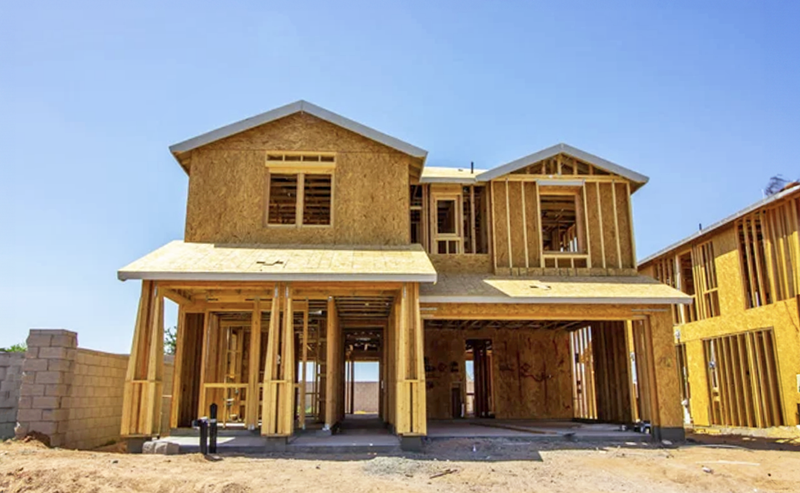
    This article dives deep into some of the college and university-friendly cities in Minnesota and how these institutions buoy the real estate sector.

    Minneapolis

    As the largest city in Minnesota, Minneapolis houses the flagship campus of the University of Minnesota. This public research university alone caters to over 50,000 students. The presence of such a significant institution has made the area a hub for students, educators, and professionals.

    Real Estate Impact: The high influx of students and faculty requires housing, leading to a consistent demand for rental properties, especially close to the university. This demand drives up property values in the vicinity and ensures stable rental income for property owners.

    St. Paul

    Adjacent to Minneapolis, St. Paul, the state’s capital, is another educational hub. Institutions like Macalester College, St. Catherine University, and Concordia University reside here.

    Real Estate Impact: St. Paul’s diverse academic landscape means there’s a diverse student population looking for housing options. Consequently, there’s a thriving market for multi-family residences, townhomes, and apartments catering to both short-term and long-term stays.

    Duluth

    Home to the University of Minnesota Duluth and The College of St. Scholastica, Duluth is a scenic city by Lake Superior. Its academic institutions are prominent contributors to the local economy.

    Real Estate Impact: Apart from the regular student housing demand, Duluth’s allure as a lake city makes it an attractive place for faculty and university staff to settle down. This has boosted the residential real estate market, especially in areas offering lake views.

    Mankato

    With institutions like Minnesota State University, and Mankato, the city is an educational center for the southern part of the state.

    Real Estate Impact: The consistent growth of the university has ensured a steady demand for housing in Mankato. This has resulted in the growth of off-campus student housing complexes and an uptick in the rental market.

    Moorhead

    Moorhead hosts Concordia College and Minnesota State University Moorhead. The city, being adjacent to Fargo, North Dakota, benefits from a combined student population of both states.

    Real Estate Impact: Moorhead’s housing market is buoyant because of the combined demand from both cities. Rental properties, especially those catering to students, have seen significant appreciation over the years.

    How Colleges and Universities Positively Impact Real Estate:

    Consistent Demand: Every academic year ushers in a new wave of students, ensuring a constant demand for housing.

    Infrastructure Development: Colleges often lead to better infrastructure in areas where they’re located, making them more appealing for real estate investments.

    Economic Boost: Colleges employ faculty, and staff, and indirectly boost local businesses, positively affecting the local economy and, by extension, the real estate sector.

    Cultural Hubs: University towns are often cultural hubs, hosting events, festivals, and conferences, which enhances the city’s appeal and livability, thereby bolstering property values.

    Stable Investment: Even during economic downturns, educational institutions can provide stability, making real estate investments in these areas less volatile.

    Conclusion

    Minnesota’s educational landscape, dotted with numerous colleges and universities, has had a pronounced positive influence on its real estate sector. Whether it’s the vibrant twin cities of Minneapolis and St. Paul or the scenic city of Duluth, these institutions have played a pivotal role in shaping the state’s real estate dynamics. Investing in cities with strong educational anchors is not just about capital appreciation but also about contributing to the growth of communities anchored in knowledge and culture.

  • Unveiling Property Records of Minnesota: The Ultimate Real Estate Information Hub

    Unveiling Property Records of Minnesota: The Ultimate Real Estate Information Hub

    Real estate is often considered one of the most crucial aspects of our lives, representing not only a physical dwelling or commercial space but a tangible embodiment of our dreams, aspirations, and financial milestones. It is no surprise then that making informed decisions about property requires a treasure trove of information. For Minnesotians, this wealth of information is now at your fingertips, thanks to the services of Property Records of Minnesota.

    Who is Property Records of Minnesota?

    Property Records of Minnesota is a one-stop hub for all your property-related information needs. Whether you are a first-time homebuyer, a seasoned real estate investor, or someone simply curious about the history of a property, this establishment provides a comprehensive array of insights about properties within the state of Minnesota.

    Why Minnesotians Need Property Records of Minnesota

    Real estate transactions can be intricate. The stakes are high, and every decision must be backed by solid research. This is where Property Records of Minnesota comes into play:

    Real Estate Guidance: Navigating the real estate market can be daunting. With Property Records of Minnesota, you’re never alone in your journey. They provide insights that can guide your buying, selling, or investment decisions.

    Property History Reports: Every property has a story. Knowing the chronological events associated with a property can illuminate potential issues or advantages. From past owners to structural changes, every piece of history can impact your decision.

    Deed Transactions and Title Transfers: These official documents determine property ownership. It is essential to understand the chain of title, ensuring that there are no hiccups or challenges in future transactions.

    Property Profile Reports: A snapshot of any property’s current status, these reports give you a comprehensive view, helping you make informed decisions.

    Foreclosure Activity: This gives potential buyers insights into properties that might come onto the market or areas that might be facing economic challenges.

    Demographics & Transaction History: Understanding the neighborhood’s demographic makeup can provide context about community characteristics, average property prices, and more.

    Teacher-to-Student Ratio: For families, education is a priority. Property Records of Minnesota goes beyond the brick and mortar, offering valuable information about educational institutions, and ensuring your family’s educational needs are met.

    Why Trust Property Records of Minnesota?

    Trust is a pillar of any transaction, especially in real estate. The company has built its reputation on providing accurate, up-to-date, and comprehensive data to its users.

    Conclusion

    Property Records of Minnesota is not just a service; it’s a commitment to empowering every Minnesotian with the knowledge to make informed real estate decisions. As the real estate landscape evolves, the need for reliable, detailed, and comprehensive property data becomes even more crucial. And for the people of Minnesota, Property Records of Minnesota is the beacon lighting their path.

    So, whether you’re stepping into the realm of real estate for the first time or you’re a seasoned expert, remember that the company is here, ensuring you have every bit of information you need at your disposal. Welcome to a world where real estate decisions become easier, more informed, and tailored for success.

  • Minnesota Real Estate Myths: A Detailed Report

    Minnesota Real Estate Myths: A Detailed Report

    Minnesota, known for its lakes, cold winters, and vibrant cultural scene, has its fair share of real estate myths. Understanding these myths can be essential for prospective buyers, sellers, or investors. Here’s a closer look at some of the most common misconceptions.

    Minnesota’s Harsh Winters Make Real Estate Unsellable During Cold Months

    Myth: No one buys homes in Minnesota during the winter due to harsh weather conditions.

    Reality: While it’s true that winters can be tough, the Minnesota real estate market doesn’t completely freeze over. Savvy buyers often consider winter a prime time to buy since there’s typically less competition, and they can potentially get a better deal.

    Lakefront Property is Only for the Wealthy

    Myth: Only the rich can afford lakefront properties in the “Land of 10,000 Lakes.”

    Reality: Minnesota boasts over 11,800 lakes, and while many lakefront properties come with a premium, there are affordable options available, especially on smaller or lesser-known lakes.

    Urban Properties are More Valuable than Rural Ones

    Myth: Homes in the Twin Cities (Minneapolis and St. Paul) are always more valuable than homes in rural areas.

    Reality: While urban areas typically have higher property values due to demand and amenities, certain rural properties, especially those with unique features or on larger land plots, can be quite valuable.

    Minnesota Real Estate is Only About Single-Family Homes

    Myth: The state mainly offers single-family homes, limiting options for buyers.

    Reality: Minnesota’s real estate market is diverse. The Twin Cities and other urban centers offer condos, townhomes, and lofts. Additionally, the increasing demand for multi-family homes and duplexes has further diversified available property types.

    New Homes Are Always Better than Older Ones

    Myth: New constructions are superior in quality and investment potential.

    Reality: While new homes offer modern amenities and designs, many older homes in Minnesota, especially in historic neighborhoods, are sought after for their character, craftsmanship, and charm. Properly maintained older homes can be just as valuable, if not more so, than newer constructions.

    The North is Too Remote for Real Estate Investments

    Myth: Areas in Northern Minnesota are too isolated to be considered good real estate investments.

    Reality: Northern Minnesota, with its natural beauty and recreational opportunities, has seen growth in vacation rentals, cabins, and retreats. As remote work becomes more prevalent, the desire for serene, natural settings might further boost property demand in these areas.

    Minnesota’s Taxes Make it a Bad Place to Buy

    Myth: High property taxes in Minnesota make it an unattractive state for real estate investments.

    Reality: While Minnesota does have relatively high property taxes compared to some states, it also offers good public services, schools, and infrastructure. For many, the trade-offs are worth it. Additionally, property value appreciation in certain areas can offset tax concerns.

    Conclusion

    Every real estate market has its myths and misconceptions. By understanding the realities of the Minnesota market, buyers, sellers, and investors can make informed decisions and potentially find great opportunities. Always consult with local real estate professionals to get the most accurate and up-to-date information.

  • Traveling to Minneapolis, MN: What to Expect and Instagram-Worthy Spots

    Traveling to Minneapolis, MN: What to Expect and Instagram-Worthy Spots

    Minneapolis, affectionately known as the “City of Lakes”, has long been a haven for travelers seeking a mix of urban sophistication and natural beauty. Whether you’re planning your trip for the purpose of photography or just looking to enjoy all that the city has to offer, this guide provides a comprehensive overview of what to expect.

    Minneapolis at a Glance

    When you think of travel in the Midwest, Minneapolis should be at the top of your list. Situated on the banks of the Mississippi River, the city presents an eclectic mix of modern architecture, historic landmarks, and natural beauty.

    Weather Expectations

    Minneapolis experiences all four seasons. Summers can be warm, with temperatures often reaching the 80s (Fahrenheit), while winters are known for their snow and can be quite chilly. Fall offers a picturesque backdrop of golden and crimson hues, making it a favorite for photographers. Spring is rejuvenating, with blossoms and fresh greenery.

    Getting Around

    Walking: Downtown Minneapolis is pedestrian-friendly, and many attractions are within walking distance of each other.

    Uber and other rideshares: These services are readily available and offer a convenient mode of transport.
    Train: The Metro Transit Light Rail connects major spots like the Mall of America and the airport.
    AirBnB and Hotels: Minneapolis offers a range of accommodation options. Airbnb provides a local feel, while the city’s hotels cater to a range of budgets.

    Expenses

    Traveling in Minneapolis can be done on a budget or in luxury. Dining ranges from affordable food trucks to gourmet restaurants. Accommodations vary in price, with AirBnB options often being more budget-friendly than upscale hotels. As always, it’s advisable to plan and book in advance to get the best deals.

    Instagram Locations

    For IG enthusiasts and photographers, Minneapolis is a goldmine. Some Instagram-worthy spots include:

    Stone Arch Bridge: This historic bridge offers panoramic views of the city skyline and the roaring Mississippi River.
    Minnehaha Falls: A 53-foot waterfall located within the city limits. Best photographed in spring or after a rainfall.
    Walker Art Center and Minneapolis Sculpture Garden: Home to the iconic “Spoonbridge and Cherry” sculpture.
    Guthrie Theater’s Endless Bridge: Offers sweeping views of the city and river, especially during sunset.

    Tips for Photographers

    Golden Hour: Just like any city, Minneapolis is bathed in a golden hue during the early mornings and late afternoons, perfect for those photo sessions.
    Local Hotspots: Engage with local photographers or join Instagram groups focused on Minneapolis to discover lesser-known, picturesque locations.

    In conclusion, Minneapolis offers a unique blend of urban and natural beauty, making it a must-visit for travelers and photographers alike. Whether you’re capturing the perfect Instagram shot or just soaking in the vibrant atmosphere, the city promises a memorable experience.

  • Navigating Property Inheritance in Minnesota: To Rent, Sell, or Live?

    Navigating Property Inheritance in Minnesota: To Rent, Sell, or Live?

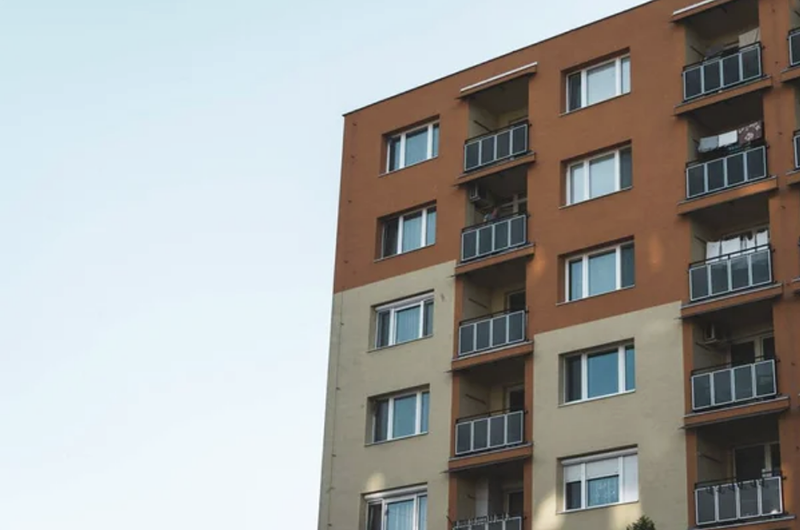
    As an heir in Minnesota, inheriting property may introduce various questions and complexities. Should you live in the property, rent it out, or sell it? How can you manage the tax implications of your inheritance, and what laws should you be aware of? This article will discuss these questions and more, highlighting key elements such as capital gain avoidance, Minnesota’s property laws, and Property Records of Minnesota.
    The Capital Gains Advantage of Inherited Property

    When a loved one passes away, becoming a beneficiary can have significant financial implications. Under Minnesota law, the property you inherit is assessed at its market value at the time of the previous owner’s death. The IRS recognizes this as a ‘stepped-up basis,’ which could prove a beneficial loophole in terms of capital gain tax.

    To Sell or Not to Sell: Weighing Your Options

    Whether to sell or hold onto the property is a crucial decision. The implications of both options in terms of capital gains are important to consider, as they have potential tax advantages and drawbacks.

    The Rental Route: Income and Responsibilities

    Renting inherited property is another viable option. This could provide a steady income stream, particularly if the property is located in a desirable area with high rental demand. However, it’s important to remember that rental income is taxable, and being a landlord entails certain responsibilities.

    Making it Home: Living in the Inherited Property

    Choosing to live in the property is a third option. For some, this can be an emotional decision, tied to maintaining a connection with the deceased owner. However, the practical aspects must also be considered. If you decide to live in the property, it becomes your primary residence, which can come with certain tax benefits, especially if you sell the property later.

    Deciphering Property Records in Minnesota

    The Property Records of Minnesota will be your primary source of property ownership data. This comprehensive record is publicly accessible and can help in verifying property ownership, tracing property history, and evaluating tax data.

    Navigating Minnesota Estate Laws

    Inheriting a property can also introduce certain complications with estate laws. Minnesota’s estate law stipulates that if the deceased owner’s estate exceeds a certain value ($3 million as of 2021), estate tax may apply. It’s crucial to consult with an estate attorney to understand your legal responsibilities fully.

    Making the Decision: Rent, Sell, or Live

    Ultimately, the decision to rent, sell, or live in an inherited property depends on a variety of factors including your financial circumstances, the condition and location of the property, and your personal preferences.

    The Takeaway

    Inheriting a property may appear daunting, but with a proper understanding of the IRS rules, Minnesota property laws, and the real estate market, you can make informed decisions that work best for you. Remember to consult with a tax advisor or real estate professional to navigate this complex process effectively. It may feel overwhelming, but with the right information and guidance, you can turn a challenging situation into a rewarding opportunity.

  • Federal Judge Dismisses Lawsuit Challenging Rent Control in Saint Paul

    Federal Judge Dismisses Lawsuit Challenging Rent Control in Saint Paul

    A United States federal judge has dismissed a lawsuit lodged against the city of Saint Paul, Minnesota, by a group of apartment owners. The litigants argued that the city’s rent control policy constituted an unconstitutional confiscation of private property. This lawsuit also included additional purported violations of various statutes of state and federal law. The decision marks a significant turning point in the ongoing debate surrounding the legitimacy of rent control measures.

    Nancy Brasel’s Landmark Judgment

    Presiding over the case was U.S. District Court Judge Nancy Brasel, who penned a comprehensive 51-page judgment on Monday, effectively terminating the federal lawsuit. Brasel flatly rejected the plaintiff’s request for a summary judgment, a legal motion requesting a final decision without proceeding to a full trial. In contrast, she granted the city’s request for summary judgment, effectively halting the lawsuit in its tracks.

    Context: Saint Paul’s Rent Control Ordinance

    The residents of Saint Paul approved the city’s rent control ordinance via a vote back in November of 2021. This statute imposed a 3% limit on annual rent increases, which at the time was recognized as one of the most stringent rent control policies in the United States. Subsequently, in September last year, the city council made amendments to this policy, exempting affordable housing projects as well as any new construction projects for the following 20 years.

    The plaintiffs, Woodstone Limited Partnership and Lofts at Farmers Market LLC, own properties within the city. Woodstone’s property is located at 2335 Stewart Ave., off Shepard Road, and the Lofts at Farmers Market is located at 260 Fifth St. E. between downtown Mears Park and CHS Field.

    Judge Brasel’s Opinion: A Rejection of Plaintiffs’ Claims

    Judge Brasel issued an expansive opinion, finding little to no substance in the claims made by the plaintiffs. They had argued that the voter-approved 3% cap on yearly rent increases could potentially devalue property assets and disincentivize the investment in affordable housing. In her judgment, Brasel argued, “Plaintiffs contend that the amended ordinance will not work and will not meet its stated objectives. These predictions may come true, but a poor policy decision is not a due‐process violation.”

    The judge highlighted that the city has put in place mechanisms for landlords to pursue rent increases of up to 8% via virtually automatic self-certifications. Increases beyond this limit can be sought with the approval of city staff. Contrasting this case with a 1976 suit against the city of Berkeley, California, she noted that Saint Paul has granted the majority of requested rent control exceptions without requiring public hearings. As proof of the system’s efficiency, she pointed out that out of 152 applications, only five led to appeals.

    The Constitutionality of Rent Control

    The argument that rent control violates the contracts clause of the U.S. Constitution was also addressed. Judge Brasel declared this point moot in the case of the Lofts at Farmers Market, as their downtown St. Paul apartment building, established in 2012, falls within the recent 20 years and is thus exempt from rent control starting from January 1st. She further declared, “Woodstone also should have reasonably known that courts have long upheld the constitutionality of rent‐stabilization policies that guarantee a reasonable return on investment.”

    Rent Control: Legal Precedents and Implications

    Judge Brasel was not convinced by the argument that placing limits on landlord rents equates to the government essentially confiscating money from them in two ways, both in terms of actual income and the resale value of their property. In her decision, she referenced legal precedents for rent control from across the country, as well as state housing law, stating that the Minnesota housing market is “highly regulated” and that “courts have long held that comparable rent‐stabilization policies are constitutional.”

    Judge Brasel concluded her judgment by noting that, in the context of rent stabilization, the Supreme Court has repeatedly asserted that states have considerable authority to regulate housing conditions and landlord-tenant relationships without the necessity of providing compensation for all economic injuries that such regulation might incur.

  • Minnesota Legislature Considers Ban on Corporate Ownership of Single-Family Homes for Rentals

    Minnesota Legislature Considers Ban on Corporate Ownership of Single-Family Homes for Rentals

    If passed, this proposed ban would ensure that families have a fair chance to access affordable homes without being priced out by corporate investors. The Minnesota Legislature, which is controlled by Democrats, is considering a new bill that seeks to prohibit corporations, real estate developers, and residential building contractors from purchasing single-family homes to rent them out. This proposed ban is a brainchild of Representative Esther Agbaje, who is taking a proactive approach to combat the state’s affordable housing crisis.
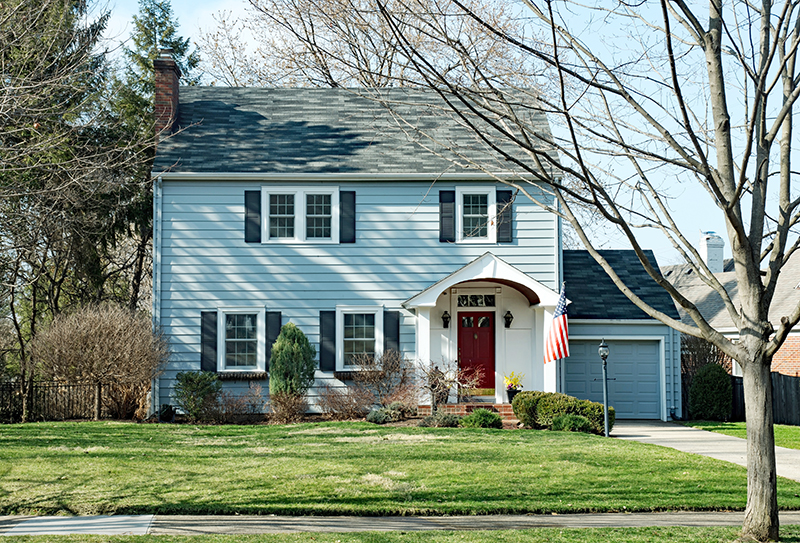
    Proposed Legislation Aims to Alleviate Affordable Housing Crisis in Minnesota

    The Twin Cities metro and other areas in the state have witnessed a surge in housing prices, making it increasingly difficult for Minnesota families to find homes they can afford. Rep. Agbaje’s bill, if passed into law, would go a long way in alleviating the housing affordability problem.

    Under the legislation, the state attorney general’s office would be responsible for enforcing the ban. Any corporation caught flouting the law would have one year to divest from the property. Failure to sell the property within this timeframe would result in the foreclosure process, where the property would be sold in court.

    Ban Would Apply to Real Estate Developers and Residential Building Contractors

    Currently, the bill is under the scrutiny of the Judiciary Finance and Civil Law Committee. The committee is responsible for evaluating the financial impact of the proposed legislation and will decide whether to send it to the House floor for further discussion and voting.

    In conclusion, this proposed ban on corporate ownership of single-family homes for rental purposes is a much-needed step toward addressing the affordable housing crisis in Minnesota. If passed, it would prevent corporations from monopolizing the housing market, thereby giving families a fair chance to find homes they can afford.

  • 10 Cheapest Cities in Minnesota to Buy a Home With Minimum Down Payment

    10 Cheapest Cities in Minnesota to Buy a Home With Minimum Down Payment

    Minnesota the Land of 10,000 Lakes is a great state to purchase a house. Affordable and economical housing is not impossible if you look in the right place. Qualified buyers are able to buy their dream homes for a low cost with a minimum down payment of 3%. The North Star State offers great mortgage and downpayment loan programs for first-time homebuyers. Property Records of Minnesota created a 2022-23 list of the cheapest cities where you can buy a home.

    1. Montevideo, MN

    Montevideo is a small city in Minnesota in Chippewa County with one of the cheapest real estate in the state, with a population of over 5,290 residents as of 2022. The city has one of the largest populations of Norwegians outside of Norway. The average home price is about $147,000 for a two-bedroom which is 5.5% under the list price.

    2. Hibbing, MN

    Hibbing is a small town in Saint Louis County with a population of over 16,000 residents. The median home price of $145,000 gives homebuyers the opportunity to buy an affordable home with a low monthly payment. Hibbing is a great place to buy a low-priced home since the majority of houses have a good size front and backyard. This is a great town for couples who plan on starting a family in the future and plan on buying real estate for the cheapest price with good value.

    3. Kasson, MN

    Kasson is a small city located in the middle of Dodge County with an elevation of 1,253 and a population of over 6,930 residents as of 2021. This cozy city is a great and affordable city where most of the residents own their homes. Even though the city might be small it packs a great punch with activities for families like a historic museum, park, theatre, and restaurants. The median home price is $169,000 and up.

    4. Stewartville, MN

    Stewartville is a city 15 minutes away from Rochester, Minnesota with a growing population of over 6,750 residents. Located in Olmsted County the city offers great school districts, parks, restaurants, and upcoming housing developments and one of the cheapest real estate in the state. Stewartville gets all four seasons but it does get really cold in the wintertime. Just like Kasson, Stewartville has a median listing home price of $169,000 which is reasonably low-price.

    5. St. Paul Park, MN

    St. Paul Park is a small city in Washington County that was established in the late 1880s with a population of over 5,480 residents as of 2021. If you like parks this is the city for you. St. Paul Park has over 200 small and large parks. With a median home price of $165,000, St. Paul Park makes buying a house easy to afford.

    6. Owatonna, MN

    Owatonna is one of Minnesota’s cheapest cities to live in. Located in Steele County and an hour away from Minneapolis. The city has a population of over 26,390 residents as of 2021 with a 1,152′ elevation. Not only is the area ranked among the most livable small cities it’s also economical compared to other cities. The median listing home price is $281,000.

    7. St. Joseph, MN

    Saint Joseph is located in Stearns County and it offers residents a suburban feel with low crime. It is home to the College of Saint Benedict and a women’s University. Any time a neighborhood has a school in the neighborhood you will see an increase in property value sooner. St. Joseph has a population of over 6,930 residents as of 2021. The median income is an average of $25,400 and the median home price is $271,000.

    8. New Ulm, MN

    If you are looking for the cheapest real estate money can buy you are in the right place. New Ulm is located 1.5 hours away from Minneapolis with low-priced homes. The city has a great small-town feel but is not too far from the big city. New Ulm is the home of Martin Luther College, a private college that was established in 1995. With a population of over 14,090 residents, this city is affordable and safe for families of all sizes. The median house price is $168,500 according to Realtor.com. First-time homebuyers should take a look into buying affordable and economical homes in New Ulm, this city will help you save a few bucks.

    9. North Branch, MN

    North Branch, Minnesota is a city 40 minutes away from Minneapolis. In the past few years, home value has gone up making this city a great location to invest in. The median real estate price is $335,842 as of 2022 according to Zillow. Located in Chisago County on Interstate 35, North Branch, is a suburban area that recently was approved for twin-home and single-family residential development.

    10. International Falls, MN

    International Falls is located in Koochiching County right next to the Canadian border. The city goes by the nickname “Icebox of the Nation” due to having the lowest inter temperatures in the contiguous 48 states. The Couchiching Falls are a big reason why tourists go to International Falls. The main home price as of 2022 is $102,093. From cheap to cheapest International Falls has it all. Home prices keep increasing in this area due to somewhat high demand.

  • How to Improve Your Credit Score for Buying a House in Minnesota

    How to Improve Your Credit Score for Buying a House in Minnesota

    Buying a home is a significant milestone that many Americans strive for, but it can be a challenging process for those with less-than-perfect credit scores. If you’re a new homeowner in Minnesota, it’s essential to understand how your FICO Score affects your ability to get a mortgage and what you can do to improve it.

    What is a Good Credit Score for Buying a House?

    A good credit score for buying a house depends on the type of loan you’re applying for. FHA-insured loans, which are backed by the Federal Housing Administration, allow borrowers with poor credit scores to qualify for a mortgage. A FICO Score of 580 or higher is required for a down payment of 3.5%. However, a score of 500-579 will require a 10% down payment.

    For VA loans, which are available to veterans and active-duty military members, there is no specific credit score requirement. However, most lenders prefer a FICO Score of at least 620. For fix-rate mortgages, conventional loans, and USDA loans, lenders typically require a credit score of at least 620. A credit score of 700 or higher is considered very good, and borrowers may qualify for lower interest rates and better loan terms.

    Can I Get a Mortgage with a Low FICO Score?

    Yes, it is possible to get a mortgage with a low credit score, but it may be challenging. Borrowers with poor or fair credit may need to pay higher interest rates or come up with a larger down payment to offset the risk to lenders. To improve your chances of getting a mortgage with a low FICO Score, you can consider applying for an FHA-insured loan or a VA loan, which are specifically designed to help borrowers with less-than-perfect credit.

    How Much Money Do You Need to Buy a House in MN?

    The amount of money you need to buy a house in Minnesota depends on several factors, such as the price of the home, your credit score, and the type of loan you’re applying for. Generally, most lenders require a down payment of at least 3% of the home’s purchase price, but some programs, such as VA loans and USDA loans, require no down payment.

    In addition to the down payment, you’ll need to factor in closing costs, which typically range from 2% to 5% of the purchase price. You’ll also need to have funds set aside for home inspections, appraisals, and any necessary repairs.

    Why Does Minnesota Have the Highest Credit Score?

    According to a recent report by Experian, Minnesota has the highest credit score in the nation, with an average score of 739. The state’s residents tend to have low credit card balances and a high percentage of on-time payments.

    What Does My Credit Score Need to Be to Buy a House FHA?

    As mentioned earlier, a credit score of 580 or higher is required for an FHA-insured loan with a 3.5% down payment. If your FICO Score falls between 500-579, you’ll need to make a 10% down payment to qualify for an FHA-insured loan.

    How Much of a Home Loan Can I Get with a 650 Credit Score?

    The amount of home loan you can get with a 650 FICO Score depends on several factors, such as your debt-to-income ratio and the type of loan you’re applying for. Generally, a credit score of 650 is considered fair, and you may be eligible for a conventional loan with a down payment of at least 5%.

    What Credit Score is Needed to Buy a 300k House?

    To buy a $300,000 house, you’ll need a credit score of at least 620 for most conventional loans. However, some lenders may require a higher FICO Score or a larger down payment to offset the risk of lending to borrowers with less-than-perfect credit.

    Is 700 a Good Credit Score to Buy a House?

    Yes, a credit score of 700 is considered very good and may make you eligible for lower interest rates and better loan terms. However, it’s important to remember that lenders also consider other factors, such as your debt-to-income ratio and employment history, when deciding whether to approve your mortgage application.

    How Can I Raise My Credit Score by 100 Points Overnight?

    Unfortunately, there is no way to raise your credit score by 100 points overnight. Improving your FICO Score is a gradual process that takes time and effort. However, there are several steps you can take to improve your credit score, such as paying your bills on time, keeping your credit card balances low, and checking your credit report regularly for errors.

    Debt-to-Income Ratio

    Your debt-to-income ratio is a crucial factor that lenders consider when deciding whether to approve your mortgage application. Your debt-to-income ratio is the amount of debt you owe compared to your income. Ideally, lenders prefer a debt-to-income ratio of 36% or less.

    Old Credit Account

    Having an old credit account can be beneficial for your credit score, as it demonstrates a long history of responsible credit use. However, if you’re not using an old credit account, you may want to consider closing it to avoid paying unnecessary fees.

    Pay for Delete

    Pay for delete is a negotiation strategy that allows you to request that a creditor remove a negative item from your credit report in exchange for payment. While pay-for-delete is not always successful, it’s worth considering if you have a negative item on your credit report that is preventing you from getting approved for a mortgage.

    Collections

    If you have a collection account on your credit report, it may lower your credit score and make it harder to get approved for a mortgage. However, you can take steps to resolve the collection account, such as paying off the debt or negotiating a payment plan with the creditor.

    Creditor

    A creditor is a person or entity that lends money or extends credit to a borrower. When you apply for a mortgage, lenders will consider your credit history and the relationships you have with your creditors to determine whether to approve your application.

    In conclusion, your FICO Score plays a crucial role in your ability to buy a house in Minnesota. By understanding the credit score requirements for different types of loans and taking steps to improve your credit, you can increase your chances of getting approved for a mortgage and achieving your dream of homeownership.

  • How to Keep Squirrels Out of Your Home for Good (VIDEO)

    How to Keep Squirrels Out of Your Home for Good (VIDEO)

    Regardless of how adorable they examine Disney films, squirrels can cause a great deal of harm. They could crunch on vegetables in your nursery, menace birds at your feeders, and invade your loft — and that is not long before lunch. So on the off chance that you’re prepared to oust these terrible young men, this is the way to dispose of squirrels in your yard, home, and elsewhere they might be creating a commotion.

    Instructions to dispose of squirrels in your nursery

    While individuals depend on adding cayenne pepper to the dirt or hanging up gleaming CDs close by to drive them off, truly disposing of squirrels is an experimentation cycle — what scares one may be overlooked by another. And keeping in mind that some recommend that canines and felines can frighten off rodents, that is not a solid technique, so keep the food bowls inside.

    Squirrel problem

    The most ideal way to keep squirrels out of a nursery is to make an actual boundary, for example, a wired network with quarter-inch squares arcing over and around your plants. You would rather not conceal that beautiful grower, you say? You simply need to continue to attempt to see what works. By establishing specific kinds of blossoms squirrels tend to not eat (lilies, marigolds, hyacinths, and daffodils, for instance), yet their feasting inclinations will fluctuate contingent upon the region and the sorts of food they’re utilized to.

    So with everything taken into account, be ready to lose a few blossoms and veggies as you sort out what your own critters can’t stomach.

    Step-by-step instructions to dispose of squirrels threatening your bird feeder

    Since squirrels can bounce 10 feet or higher, your smartest option is to put bird feeders as distant from your home and trees as could be expected. Nichols proposes utilizing a metal post (normally excessively tricky for a squirrel’s grip) moored into the ground with the feeder appended at the top.

    “Squirrel-confirmation bird feeders” flourish as do different instruments like high-recurrence sound gadgets, yet they aren’t secure. Where there’s food, rodents will frequently track down away, so have a go at everything until something works.

    Instructions to keep squirrels out of your home

    Squirrels in your plants and birdseed are a certain something, yet having them set up camp in the dividers of your home or upper room is another. So to make quick work of it, check your protection for signs it has been tangled down or that trails have been made. Additionally, search for any indications of bitten wires and trash, for example, leaves or sticks that squirrels could have acquired.

    Assuming you have squirrels in your home, you’ll have to enlist an exterminator or purchase or lease a squirrel trap. Altruistic snares that catch them alive empower you to deliver them somewhere else, yet subsequently, how would you keep them out? You’ll have to brace your home’s squirrel protection and eliminate any doormats you could have accidentally spread out.

    Pest control

    The National Pest Management Association offers the accompanying extra tips to keep squirrels out of your home:

    • Seal all potential places of passage around the house utilizing a silicone-based caulk, steel fleece, or a blend of both.
    • Cover exhaust fan openings, soffits, and upper room vents.
    • Introduce smokestack covers.
    • Keep tree appendages sliced back 6 to 8 feet from the roofline.

  • Here is How You Make Your Small Dining Area Look Bigger and More Expensive

    Here is How You Make Your Small Dining Area Look Bigger and More Expensive

    A small dining area can feel cramped and uninviting, especially if you’re on a tight budget. However, with some creative thinking and smart design choices, you can transform your space into a luxurious and spacious dining area that’s sure to impress. Here are some tips to help you make your small dining area look bigger and more expensive without breaking the bank.

    Minimalist and Modern Design

    Minimalism is a popular design trend that emphasizes simplicity and clean lines. When it comes to a small dining area, a minimalist and modern design can help make the space look more spacious and luxurious. Choose a neutral color scheme with pops of color to add interest, and avoid cluttering the space with too many decorative items. Keep the design simple and streamlined for a sleek and modern look.

    Play with Lighting

    Lighting can have a big impact on the perceived size of a room. Consider incorporating multiple light sources, such as pendant lights, wall sconces, and table lamps, to create a warm and inviting atmosphere. Additionally, using light-colored curtains or sheer fabrics can help maximize natural light and create the illusion of more space.

    Add a Statement Piece

    One statement piece can instantly elevate the look of a small dining area and make it feel more luxurious. Consider investing in a unique chandelier, a piece of art, or a striking rug to add visual interest and personality to your space. Keep the rest of the decor simple to let the statement piece shine.

    Mix and Match Furniture

    Mixing and matching furniture pieces can add a sense of depth and character to your small dining area. Consider pairing different styles and materials, such as a wooden table with metal chairs, to create a modern and eclectic look. Additionally, consider using furniture with visible legs to create the illusion of more space.

    Shop Smart and Affordable

    Creating a luxurious and spacious dining area doesn’t have to break the bank. Shop smart and affordable by looking for deals and steals at thrift stores, flea markets, and online marketplaces. Additionally, consider shopping at affordable furniture retailers like IKEA, which offer a wide range of stylish and modern pieces at low-cost prices.

    Conclusion

    With some creative thinking and smart design choices, you can transform your small dining area into a luxurious and spacious space without spending a fortune. Consider a minimalist and modern design, play with lighting, add a statement piece, mix and match furniture, and shop smart and affordable. By following these tips, you can create a dining area that looks and feels expensive, modern, and inviting.