Category: Moving

  • Building a Brighter Future: Solving Minnesota’s Housing Crisis

    Building a Brighter Future: Solving Minnesota’s Housing Crisis

    Is the housing crisis getting out of hand in Minnesota? In the intricate tapestry of life, few things hold as much significance as having a secure and stable place to call home. Without this foundation, the rest of life’s endeavors often falter. However, despite its paramount importance, investment and innovation in housing have long been overlooked by state governments. In Minnesota, the dire consequences of this negligence have become evident, exacerbated by the housing crisis that has worsened since the onset of the pandemic.
    The Alarming Impact of Unaffordable Rent: Minnesota’s Housing Crisis Unveiled

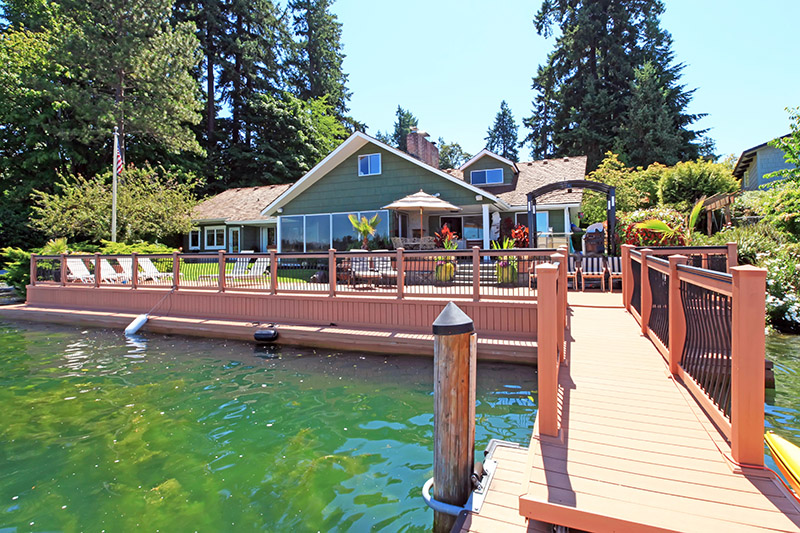
    From Albert Lea to International Falls, working families find themselves burdened by unaffordable rent. Even seniors on fixed incomes are being priced out of their homes. Shockingly, over 550,000 Minnesotans currently allocate more than 30% of their income to housing, leaving them grappling to make ends meet. The distressing statistics continue: family homelessness in Hennepin County alone increased by 250% last year, and the state witnessed over 20,000 evictions, surpassing pre-pandemic levels.

    The Multifaceted Consequences:

    The impact of Minnesota’s deepening housing crisis is not limited to the individuals directly affected. Its collateral consequences permeate all age groups and undermine the state’s economy as a whole. Housing instability directly contributes to poorer educational outcomes for students, reduced productivity among workers, and limited social mobility. Consequently, the housing crisis not only poses a moral hazard but also carries severe economic implications. Communities throughout the state struggle to attract and retain workers due to the scarcity of suitable housing options.

    Addressing the Urgent Need for Safe and Stable Homes Across the State

    As chairs of the House and Senate housing committees, we recognize the urgency of the situation and firmly believe that it is time to move beyond simply acknowledging the problem. Instead, we must make game-changing investments to alter the trajectory of Minnesota’s housing crisis. To this end, we propose a comprehensive road map that involves sustained biennial investments of over $1 billion, aiming to ensure that all Minnesotans have access to a safe and stable place they can call home. Here are the highlights of our visionary plan:

    Ending Child and Youth Homelessness by 2030:

    Recognizing the staggering number of homeless individuals in Minnesota, nearly half of whom are children, we prioritize eradicating child and youth homelessness by 2030. Our plan encompasses state-based housing vouchers and direct support systems for low-income families, effectively preventing housing crises before they occur. Immediate action includes fast-tracking $100 million in funding for the Family Homeless Prevention and Assistance Program. We also emphasize the preservation of existing affordable housing to prevent the displacement of families.

    Reducing the Racial Homeownership Gap:

    Minnesota harbors one of the most severe racial gaps in homeownership due to systemic racism within housing policies and the housing crisis. To address this issue, we propose building more affordable homes and implementing innovative down payment assistance initiatives. Our plan aims to facilitate the realization of homeownership for over 5,000 new first-generation homebuyers, thus significantly closing the racial homeownership gap.

    Supercharging Housing Supply:

    A key ingredient in tackling homelessness among youth and reducing racial disparities in housing lies in the production and preservation of affordable homes—many affordable homes. Currently, Minnesota faces a staggering 100,000-unit supply gap for homes that are affordable for lower-income individuals. The shortage also extends to affordable homes available for ownership, driving up prices for everyone.

    Recognizing that the free market alone cannot solve this crisis, we propose sustained and substantial public funding, coupled with nonprofit and for-profit investments, to spur the production of homes. Our ambitious plan aims to build and preserve an estimated 150,000 affordable homes, encompassing deeply affordable rental units, the preservation of public housing and naturally occurring affordable housing, manufactured home preservation, and creation, as well as new affordable homes for ownership.

    Tackling Minnesota’s Housing Crisis for a Brighter 2023 and Beyond

    Whether we are striving to bridge opportunity gaps in education, improve health outcomes, or enhance the economic stability of families, the path inevitably leads back home. Let us seize the year 2023 as an opportunity to take bold and decisive action, resolving Minnesota’s housing crisis once and for all. By investing in safe and stable homes for all Minnesotans, we can lay the foundation for a brighter future, where prosperity and well-being flourish throughout the state.

  • Lakefront Living in Minnesota: How It Became So Popular

    Lakefront Living in Minnesota: How It Became So Popular

    Minnesota is known as the “Land of 10,000 Lakes,” but in reality, the state has even more than that. With so many lakes spread across the state, it’s no surprise that living near the water has become a dream for many people. What started as small summer cabins has turned into one of the strongest real estate markets in Minnesota for lakefront homes. Let’s explore how these properties became such an important part of Minnesota life and why they are still in high demand today.
    The Everyday Connection to Lakes

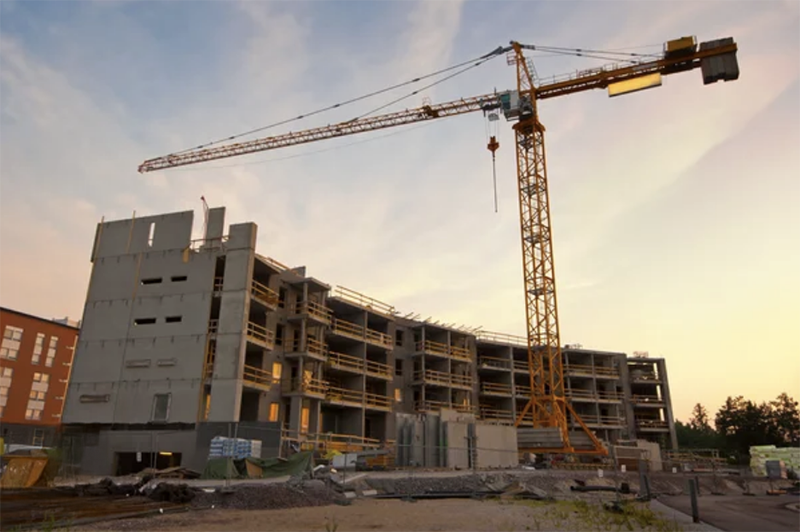
    Lakes are part of Minnesota culture. People spend summers fishing, swimming, and boating, while winters bring ice fishing, skating, and snowmobiling across frozen lakes. Because of this year-round use, lakes are more than just a backdrop; they’re part of people’s routines. A home on the water means instant access to recreation, relaxation, and views that never get old. This everyday connection is one of the biggest reasons lakefront properties grew in popularity.

    From Small Cabins to Permanent Homes

    Decades ago, lakefront living was mostly about cabins. Families would pack up for weekends or summers, spending time in modest wooden cabins built close to the shore. Over time, these cabins were remodeled, expanded, or replaced with full-size homes. As cities grew, many people also realized they could commute or even retire by the lake, making year-round lakefront living more common. What once was a seasonal escape has now become a lifestyle choice for permanent residents.

    Why Shoreline Means Higher Value

    Not all land is equal, and shoreline proves that point. There is only a limited amount of lakefront property in Minnesota, and demand has grown faster than supply. A lake view or direct access to water can raise the value of a property significantly compared to a home just a few blocks away. Buyers often see it as an investment because lakefront homes not only provide enjoyment but also tend to hold value over time. This scarcity has made lakefront real estate some of the most competitive in the state.

    The Role of Tourism and Out-of-State Buyers

    Tourism has also played a big role in the rise of lakefront property. Many families from neighboring states have spent their summer vacationing in Minnesota’s lake regions. After experiencing the lifestyle, some decide to buy their own homes on the water, either as vacation homes or permanent residences. This outside interest has added extra demand, pushing prices higher and making lakefront property even more desirable. Local Minnesotans and newcomers alike see these homes as a symbol of the state’s identity.

    What Buyers Should Know Today

    Today, owning a home on the lake is more than just about location; it’s about lifestyle. Buyers should be prepared for higher prices, limited availability, and competition from others who share the same dream. Still, the benefits are hard to ignore. Lakefront living offers peace, beauty, and a strong sense of community. Families gather for bonfires by the water, kids grow up learning to fish and swim, and adults enjoy the quiet views at sunrise or sunset. For many, these experiences make the extra cost worthwhile worth considering for many people.

  • Duluth Ends Deal for $500M Incline Village Project After Developer Fails to Show Funding

    Duluth Ends Deal for $500M Incline Village Project After Developer Fails to Show Funding

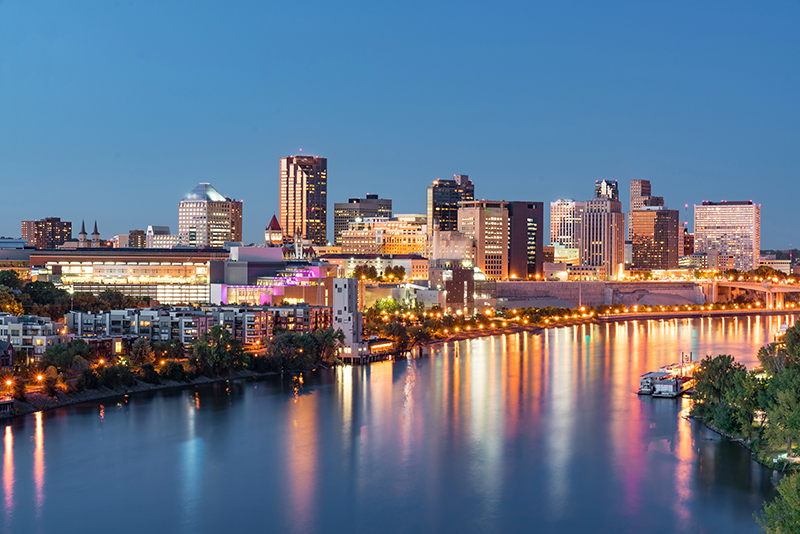
    Duluth officials voted to cancel their development agreement for a massive project called Incline Village. The plan was to build a $500 million mix of housing, retail, and other community spaces on the old Central High School site, a prime location that overlooks downtown and Lake Superior. City leaders said they had no choice but to end the deal because the developer, Incline Plaza Development LLC, failed to prove they had enough money lined up to build it.
    Why the Agreement Fell Apart

    The city’s Economic Development Authority, known as DEDA, required the developer to show proof of financing. That proof never came. Without it, Duluth couldn’t risk letting the project drag on. Officials stressed this wasn’t about rejecting development—it was about holding the developer accountable. After months of waiting and repeated extensions, the five commissioners voted unanimously to cancel the agreement.

    The Developer Pushes Back

    The company’s representatives argued that they had already invested heavily, putting in close to ten million dollars in cash and taking on millions more in debt. They claimed the delays weren’t their fault, pointing to problems with a bank that had promised financial backing but failed to deliver. That disagreement even turned into a lawsuit. One of the developers, Luzy Ostreicher, flew in from New York to plead for more time. He asked the city for a 120-day extension to secure the funding. Despite his appeal, the commissioners said they couldn’t allow any more delays.

    The Mayor’s Take

    Mayor Roger Reinert supported DEDA’s decision. He said the agreement included protections to keep taxpayers from paying the price if things went wrong, and that foresight paid off. Reinert emphasized that the city spent no public money on Incline Village and still views the Central High School site as valuable for future housing and development. He stressed that the issue wasn’t whether development should happen but whether the city should trust someone who could actually deliver.

    What Happens Now

    The site itself still belongs to the developer, which complicates things. Duluth can’t simply hand the land to another builder, at least not right away. City officials have made it clear they want to see housing and community growth on the property, but they’ll need a partner who can prove they have the money and the stability to make it happen. For now, the project is at a standstill, and the future of Incline Village depends on whether Ostreicher can rebuild trust with the city or if a new developer eventually steps in.

  • What Saint Paul Homeowners Need to Know About Next Year’s Taxes

    What Saint Paul Homeowners Need to Know About Next Year’s Taxes

    In recent years, Saint Paul has seen steady growth in single-family home values, reflecting the strong demand for residential properties. However, not all property types are experiencing the same trend. Commercial properties, industrial buildings, and apartment complexes have slightly dipped in their estimated market values over the past year. This shift in property value dynamics has significant implications for homeowners, as the value of various property types in the area heavily influences property taxes. As a result, Saint Paul homeowners are likely to face higher property tax bills in the coming year.

    Property Tax Increases Expected for Homeowners

    For most homeowners, property taxes are a major expense, and Saint Paul residents should brace themselves for a noticeable increase. A typical single-family home with a median value could see a property tax hike of about $200 next year. This increase is the result of combined tax levies from the city, county, and school districts. But that’s not all – fees for essential services like trash collection, water, recycling, and sewer are expected to rise as well, adding at least $100 more to household expenses. Altogether, homeowners may face approximately $300 in additional taxes and fees next year, depending on their neighborhood and the final approved tax rates.

    Budget Challenges and Shifting Tax Burdens

    The city’s leaders are navigating a challenging financial landscape, with a growing reliance on residential property taxes to balance the budget. Saint Paul’s mayor has proposed a 7.9% increase to the city’s property tax levy, which would raise $16.5 million in additional revenue. While this is a significant increase, it is not unprecedented, as larger tax hikes have occurred in the past decade. The tax burden appears to be shifting more toward residential properties, as the value of commercial and industrial properties has declined. This means that Saint Paul homeowners will likely shoulder a larger share of the city’s tax needs compared to previous years.

    Neighborhoods Experience Different Impacts

    These tax increases will affect Saint Paul unevenly. In neighborhoods like Highland Park, where home values are climbing by over 5%, homeowners can expect substantial property tax bill increases. For example, a home in Highland Park worth $413,000 may see its taxes increase by $527 next year. On the other hand, downtown condo owners could see some relief, as property values in that area have slightly declined. Other neighborhoods will fall somewhere in the middle. For instance, a home in the Payne-Phalen neighborhood, with a smaller increase in market value, might see a more modest tax hike of around $89.

    Decline in Commercial and Apartment Values

    While residential property values are on the rise, commercial and industrial properties, as well as apartment buildings, are experiencing a downturn. Commercial property values have dropped by 1.5%, industrial values by 2.4%, and apartment values by 4.5%. This decline means these property types will likely see lower property tax bills, providing some financial relief for businesses and landlords. However, this shift places a heavier burden on residential properties to make up for the revenue shortfall. The commercial and office real estate markets are also adjusting to new trends, such as hybrid work models and fewer retail developments, which could further affect property values and tax revenues.

    Development and Programs to Offset Tax Impacts

    Despite the challenges, there are bright spots in Saint Paul’s real estate and financial landscape. Major residential development projects, such as Highland Bridge and The Heights, are moving forward, along with other large-scale developments throughout Ramsey County. These projects are expected to boost the housing market and provide long-term benefits to the local economy. Additionally, Saint Paul benefits from a regional fiscal disparities program, which redistributes property tax revenue from commercial-industrial properties across counties. Ramsey County is set to receive $56.8 million from this program in 2025, an increase of nearly 12% compared to last year. This shared revenue helps offset some of the tax burdens on homeowners.

    Preparing for a Challenging Year Ahead

    Saint Paul residents should prepare for a challenging year as property taxes and fees rise to address the city’s budget needs. While development and fiscal programs may provide some relief, the increase in residential property taxes is inevitable for many homeowners. Those looking to minimize their tax burden should consider exploring options such as challenging their property’s market value assessment, a method some homeowners have already used successfully. As city, county, and school district officials finalize budgets in the coming months, they may still adjust tax rates, but the general trend shows higher costs for Saint Paul households in 2025.

  • Saint Paul’s Downtown Crisis Didn’t Happen Overnight

    Saint Paul’s Downtown Crisis Didn’t Happen Overnight

    Downtown Saint Paul has been struggling lately. People are noticing closed stores, empty office buildings, and fewer people walking around. For example, the last full-service grocery store in the area shut down, and one of the major office towers, the Alliance Bank Center, is now sitting mostly vacant. It feels like the area is falling apart. But the truth is, this isn’t the first time downtown Saint Paul has hit a rough patch. Over the years, downtown has been called “dead” or “dying” many times. It has had its ups and downs for more than a century.

    So while things might seem especially bad now, there’s more to the story than just a struggling downtown. The bigger issue has to do with how certain properties were handled and neglected, and how that had a ripple effect across the whole area.

    One Saint Paul Landlord Made Things Worse

    Much of the damage to downtown Saint Paul can be traced to a company called Madison Equities. For more than a decade, they owned some of the most important buildings in the downtown area. Instead of taking care of those properties, they let many of them fall into disrepair. Elevators stopped working, garbage piled up, and businesses started moving out.

    Madison Equities kept buying more buildings while ignoring the condition of the ones they already had. This had a snowball effect. When buildings aren’t maintained, they lose tenants. When tenants leave, there’s less foot traffic and fewer people spending money in the area. Other businesses nearby start to suffer, and eventually, the entire downtown feels lifeless.

    A History of Neglect and Legal Trouble

    The problems with Madison Equities didn’t happen overnight. In 2012, the company bought the Lowry Hotel and turned it into apartments, but they didn’t put enough money into keeping the building in good shape. In 2013, they took over the U.S. Bank Center and replaced union janitors with cheaper workers. In 2015, they refused to work with union labor for renovations, which led to more tension with city officials and workers.

    Later on, the company got into serious legal trouble. The Minnesota attorney general sued Madison Equities for things like wage theft and mistreatment of workers. The case is still being appealed, but it shows how the company repeatedly avoided responsibility.

    Madison Equities also pulled out of a program that helps keep downtown areas clean and welcoming, known as the Downtown Improvement District. Other businesses stayed in the program, but Madison chose not to contribute, even though they owned so much of the property. This made it harder for downtown as a whole to stay appealing.

    Things Got Worse After the Owner Died

    The founder of Madison Equities, Jim Crockarell, passed away in early 2024. After his death, the company began falling apart. His family started selling off properties, and the buildings were no longer being managed properly. One by one, tenants started leaving, and the conditions got worse.

    At the Lowry Hotel, the situation became so bad that the city had to shut it down and evacuate tenants. Other buildings followed. In early 2025, the company even shut off power and utilities in the Alliance Bank Center without warning. That building was an important part of the downtown skyway system, a network of indoor walkways connecting buildings. Because of the closure, parts of the skyway were forced to shut down too. Now, people can’t move through downtown the way they used to, which only adds to the sense that the area is falling apart.

    What Can Be Done to Fix Downtown Saint Paul?

    Despite how bad things look, downtown Saint Paul isn’t beyond saving. But fixing it will take strong leadership and long-term thinking. City officials, businesses, and property owners will need to work together, which is something that didn’t happen with Madison Equities.

    There are good examples in other cities. For instance, downtown Detroit once had similar problems: abandoned buildings, lack of investment, and a shrinking population. But one investor bought up many of the worst buildings and took the time to repair them. Over the years, that effort brought people back to the area.

    Saint Paul needs something like that, someone who sees the long-term value in rebuilding and doesn’t just let buildings rot. It also needs cooperation between property owners and public programs that can keep the area clean, safe, and active.

    Right now, the downtown area is facing a crisis not just because of economic changes, but because of poor leadership and neglect. If those issues are addressed, there’s still hope for a comeback. It won’t happen overnight, but downtown can thrive again with the right attention and care.

  • Buying a Home Near a Lake? Start with Minnesota’s 5 Biggest Waters

    Buying a Home Near a Lake? Start with Minnesota’s 5 Biggest Waters

    If you’re thinking about buying a home or investing in property in Minnesota, chances are you’ve heard the nickname: “Land of 10,000 Lakes.” But that number’s actually way off—Minnesota has over 11,800 lakes larger than 10 acres. That means if you want to live near water, you have plenty of options.

    But let’s narrow it down. In this guide, we’re going to focus on the 5 largest lakes in Minnesota, explore what makes each one special, and give you tips on how to find a home nearby, what kind of lifestyle to expect, and what to look out for before buying.

    Lake Superior – The World’s Largest Freshwater Lake (by area)

    • Size: 31,700 square miles total (Minnesota’s share: about 150 miles of shoreline)
    • Location: Northeastern Minnesota
    • Major towns nearby: Duluth, Two Harbors, Grand Marais

    Lake Superior is massive. It’s not just big for Minnesota—it’s the largest freshwater lake by surface area on the planet. And yes, Minnesota gets a piece of it. The North Shore is where Minnesota touches Lake Superior, and this area is famous for its cliffs, waterfalls, forest trails, and rocky beaches.

    What’s it like to live near Lake Superior?

    • If you live in Duluth or nearby towns, expect cooler weather, lake-effect snow, and breathtaking views.
    • The North Shore is popular for hiking, photography, and tourism. Homes here can be used as vacation rentals or private getaways.
    • Property values are strong due to demand, especially in Duluth, which is also a growing city with a university and port.

    Homeowner tip:

    Before buying lakefront property here, ask about shoreline regulations, winter weather impact, and tourist activity. Some neighborhoods get busier in summer.

    Lake of the Woods – The Northern Escape

    • Size: 1,679 square miles (but shared with Canada)
    • Location: Far north, on the Canadian border
    • Main town: Baudette, MN

    Lake of the Woods is remote, wild, and peaceful. It’s not for people who want a city vibe—it’s for those who want to disconnect, fish, kayak, or just enjoy nature. It’s a maze of islands, bays, and forested shorelines, making it feel like you’re in a different world.

    What’s special about Lake of the Woods?

    • Over 14,000 islands and 65,000 miles of shoreline (yes, really)
    • World-famous for walleye and northern pike fishing
    • Great for ice fishing in winter—people drive right on the ice

    Is it a good place to buy property?

    • Lake cabins here are usually more affordable than lakes closer to the Twin Cities.
    • It’s a popular spot for seasonal homes and off-grid living.
    • Properties are often self-maintained with wells and septic tanks.

    Mille Lacs Lake – Easy Access from the Twin Cities

    • Size: 207 square miles
    • Location: About 100 miles north of Minneapolis
    • Main towns: Isle, Garrison, Wahkon

    If you’re looking for a lake home within driving distance of Minneapolis or St. Paul, Mille Lacs is one of the top picks. It’s big, open, and known for its wide sandy shores, summer boating, and winter ice fishing communities.

    Why is Mille Lacs Lake so popular?

    • It’s easy to get to—just about a 2-hour drive from the metro area
    • Great for year-round living or vacation homes
    • One of the best ice fishing lakes in the state, with dozens of fish houses set up every winter

    Real estate notes:

    • Expect to pay a little more for homes right on the lake, especially near Isle or Garrison.
    • Rentals are common in summer, so you might be able to earn extra income with a vacation property.
    • The surrounding towns offer grocery stores, schools, and small-town charm, so it’s not as remote as some other lakes.

    Red Lake – One Lake, Two Halves

    • Size: 444 square miles
    • Location: North-central Minnesota
    • Divided into: Upper Red Lake (public) and Lower Red Lake (tribal land)

    Red Lake is often forgotten in real estate conversations, but it shouldn’t be. While Lower Red Lake is controlled by the Red Lake Nation and not open for public use, Upper Red Lake is accessible and has become a hotspot for winter ice fishing and summer camping.

    What makes Red Lake different?

    • It’s one of the largest lakes entirely within Minnesota.
    • The area is very quiet and nature-heavy—ideal for those wanting solitude.
    • Properties tend to be more affordable, and lots are bigger.

    Should you consider buying here?

    • If you love fishing and don’t mind being off the beaten path, yes.
    • Great for retirees, outdoor enthusiasts, or people building a second home.
    • Be mindful of tribal land boundaries—you can’t just buy property anywhere near the lake.

    Leech Lake – The Friendly Giant

    • Size: 162 square miles
    • Location: North-central Minnesota
    • Main town: Walker, MN

    Leech Lake may have a funny name, but it’s a favorite among Minnesotans. It’s huge, but still feels personal. With plenty of bays, inlets, and islands, it offers the best of both worlds—open water for boating and sheltered spots for fishing and swimming.

    Why people love Leech Lake:

    • Home to Walker, a small town with shops, festivals, and a friendly vibe
    • Surrounded by the Chippewa National Forest
    • Lots of family-owned resorts, marinas, and trails

    Real estate insights:

    • Property values are steady, especially around Walker
    • Many homes are vacation rentals, so the income potential is high
    • Popular with retirees, families, and outdoor lovers

  • How Minneapolis and St. Paul Are Embracing Office-to-Residential Conversions

    How Minneapolis and St. Paul Are Embracing Office-to-Residential Conversions

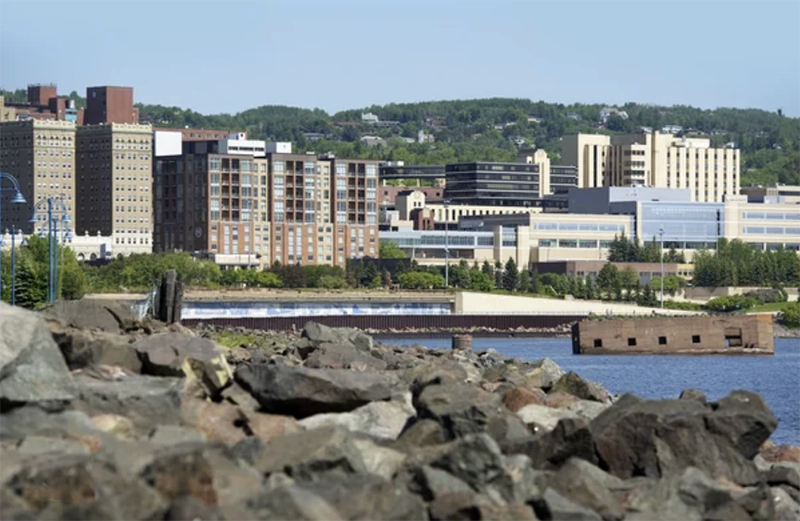
    Cities across the U.S. are reimagining what their downtowns could be, and Minneapolis and St. Paul are no exception. With so many office buildings now empty due to shifting work patterns, local leaders, developers, and city planners are promoting an idea known as “office-to-residential conversions.” This approach aims to transform unused office buildings into apartments, breathing new life into these areas. But while the concept has sparked hope, it has proven to be a complex and costly process, posing several challenges.
    Why Converting Office Spaces Matters

    Downtown areas in Minneapolis and St. Paul have seen a decline in foot traffic since more companies adopted remote and hybrid work models during the pandemic. Office buildings that were once bustling with workers are now sitting empty, and the surrounding areas lack the energy they once had. Conversion projects are seen as a way to address this problem by turning these unused spaces into homes.

    The benefits of these conversions are multiple. More housing downtown means more people living there, which increases demand for local shops, restaurants, and services, thus revitalizing the entire area. Moreover, by reducing vacant office space and creating new residential options, these projects address both the housing shortage and the issue of unused commercial real estate. City leaders view these conversions as an opportunity to reshape downtown communities into lively, mixed-use communities.

    Overcoming the Financial and Structural Hurdles

    While office-to-residential conversions offer many advantages, they are far from easy to accomplish. First, the cost of converting a building from office space to residential use is substantial. Construction expenses are high, especially when factoring in the changes needed to meet residential standards, like adding bathrooms, kitchens, and other necessary facilities. Additionally, modern office buildings, often designed with larger floor spaces and fixed windows, pose unique challenges. Unlike older buildings with smaller, flexible floor plans, these modern designs make it more challenging to create enough windows and natural light for a comfortable living space.

    Historically, developers have been able to use historic tax credits to help offset the costs of conversions, especially for older buildings. However, the rising costs of materials and labor, combined with higher interest rates, have made these credits less impactful. As a result, developers and city officials are working together to find ways to make these projects financially viable, including looking at new funding methods and incentives.

    Meeting the Need for Affordable Housing in Minneapolis

    Creating more housing downtown is essential, but city leaders and developers understand that not all of this housing should be high-end. In recent years, the apartment vacancy rate downtown has risen, so building an excess of luxury apartments may not be sustainable. To address this, many projects are focusing on providing more affordable housing options. This approach aims to attract a diverse population of residents, including service workers, students, and retirees who may find it challenging to afford high rents.

    By offering affordable options, these conversions can meet the needs of those who work downtown or rely on public transit and may not want—or be able—to pay for high-end apartments. Some recent projects have even prioritized housing for individuals who have experienced homelessness, providing not only shelter but also access to support services to help these individuals thrive.

    Support from Local and State Governments

    Recognizing the potential of these conversions, both Minneapolis and St. Paul are actively supporting the movement. City officials have introduced new measures to reduce the time and cost involved in these projects. For instance, Minneapolis recently passed a law waiving the city’s inclusionary zoning requirement for office-to-residential conversions, making it easier for developers to move forward. In addition, St. Paul has included funds in its budget to help cover permitting and other fees for conversion projects, signaling strong support for these efforts.

    Beyond the city level, advocates are pushing for state tax credits that could further reduce the cost burden on developers. A proposed five-year tax credit program would cover up to 30% of qualified project expenses for converting underutilized or vacant buildings. Although this proposal has not yet passed, it has garnered support and could play a crucial role in future conversion projects.

    A Vision for a Mixed-Use, Vibrant Downtown Minneapolis

    In the past, downtown areas were often segmented by purpose: business districts, entertainment areas, and retail zones each existed separately. However, the current vision for Minneapolis and St. Paul’s downtowns involves blending these areas to create a more dynamic, 24/7 neighborhood where people can live, work, and play. Successful examples of this mixed-use approach can already be seen in areas like Minneapolis’ North Loop and St. Paul’s Lowertown, where former warehouses have been turned into trendy apartments, attracting new residents, shops, and restaurants.

    For the larger, high-rise office buildings that dominate the heart of downtown, conversions will require even more innovation and investment. Yet leaders believe that by adding residential space, creating walkable areas, and blending entertainment, retail, and housing options, they can create vibrant downtown cores that draw a diverse range of people.

    Creating a Path Forward for Downtown’s Future

    While the vision for a reinvigorated downtown is clear, making it a reality requires substantial coordination and support. Nonprofits and coalitions are working behind the scenes to study which buildings are best suited for conversion and to help educate property owners on the potential benefits of these projects. For example, the nonprofit St. Paul Downtown Alliance has commissioned studies on 20 downtown buildings to determine their suitability for conversion, while a new group called CityShift is working to provide developers with a blueprint for how to carry out these transformations.

    CityShift, made up of architects, consultants, and market analysts, serves as a one-stop resource for anyone interested in learning more about conversions. By providing insight into the financial, structural, and market aspects of these projects, the group aims to attract more investors to consider office-to-residential conversions as a valuable and realistic option.

    The hope is that with a mix of public incentives, private investments, and careful planning, Minneapolis and St. Paul can create thriving downtown neighborhoods that attract new residents and foster a vibrant community. Though there are challenges, the potential rewards are significant, and the movement toward creating a new, blended-use downtown is already underway.

    Leaders acknowledge that transforming these large, empty buildings will take time, creativity, and flexibility. But with the right support, they believe that a new era is on the horizon for the Twin Cities’ downtowns, one that could revitalize these areas and make them once again the bustling hearts of Minneapolis and St. Paul.

  • New Housing Developments Bring Opportunities for Duluth Residents

    New Housing Developments Bring Opportunities for Duluth Residents

    In Duluth, many businesses have struggled to attract and keep employees due to a severe housing shortage. To address this issue, local businesses joined forces to form the Northland Housing Partners (NHP). This group is dedicated to creating more housing options in the region, helping both current and future residents find affordable and suitable places to live.
    First Housing Development Launches in West Duluth

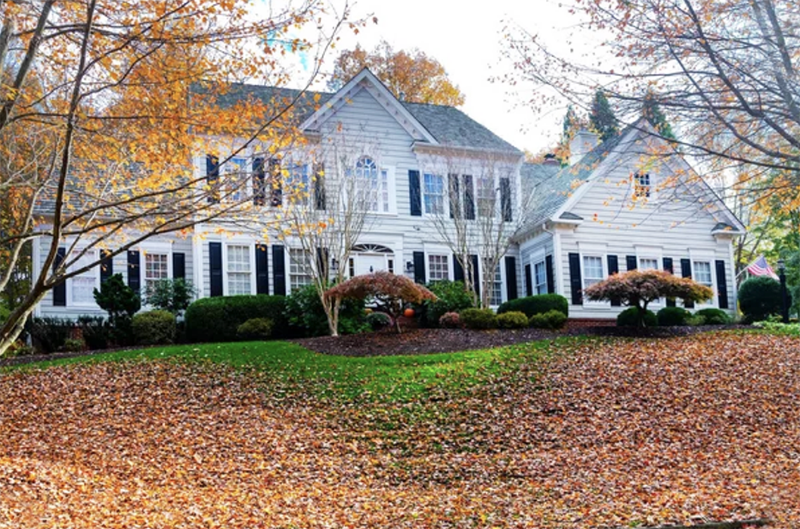
    The Northland Housing Partners recently celebrated their first major project in the RiverWest Development located in West Duluth. This development includes 20 newly built single-family homes for sale, adding to the existing vacation homes in the community. The houses are open to anyone interested in buying, with prices set by RiverWest developers and their partnered real estate agents.

    This project marks a significant step forward in addressing the local housing shortage. By creating more permanent housing options, the initiative provides stability for the growing workforce and their families.

    NHP’s Role in Funding Housing Projects

    The Northland Housing Partners played a critical role in making the RiverWest project possible by offering a financial “gap loan.” This type of loan helps cover any funding shortfall that developers face, ensuring projects can move forward. Businesses and charitable foundations that invest in NHP’s efforts will see returns on their contributions, making it a mutually beneficial arrangement.

    One major employer in Duluth has already invested heavily in NHP, contributing $3 million to the initiative so far. This Duluth-based employer has committed to a total of $10 million to fund future projects aimed at providing a variety of housing options. Their leadership has inspired other businesses in Duluth to consider similar contributions.

    Housing to Match a Diverse Workforce

    The housing being developed through NHP in Duluth is intentionally diverse to meet the needs of the community’s varied workforce. Some projects will include single-family homes like those in RiverWest, while others will focus on multi-family housing such as apartments. The goal is to ensure there are options in Duluth for individuals and families at different stages of life and income levels.

    NHP understands that the workforce is made up of people with different needs. From young professionals looking for apartments to families seeking spacious homes, the organization aims to create housing solutions that fit everyone.

    Impact on the Local Housing Market

    The RiverWest Development is already making a noticeable impact. Of the 20 new homes built, seven have been sold, and interest continues to grow. This development is also helping to free up existing housing in the area. For example, when someone moves into a new home or apartment, their previous residence often becomes available, creating more opportunities for others.

    This chain reaction is critical for a healthy housing market. As housing availability increases, more people will be able to find places to live, whether they are moving to Duluth for work or upgrading to a new home within the city.

    Building a Sustainable Future for Duluth

    NHP’s ultimate goal is to create a balanced housing system that supports both economic growth and community well-being. By filling the gaps in housing development, they aim to ensure Duluth remains an attractive place for businesses and employees alike. Leaders involved with NHP emphasize the importance of housing as part of a thriving, sustainable community.

    While the RiverWest Development is a strong start, the work of NHP is far from over. More projects are planned, including additional single-family homes and apartments, to address the ongoing demand for housing. With continued investment and collaboration, Duluth is taking big steps toward solving its housing crisis and securing a prosperous future for all.

  • The Twin Cities Real Estate Market: Navigating a Changing Landscape

    The Twin Cities Real Estate Market: Navigating a Changing Landscape

    A renowned digital real estate brokerage provides a comprehensive analysis of the housing market across the 100 largest metropolitan areas in the United States. This assessment spans from February 2022 to February 2023, focusing on critical metrics such as changes in home prices, the prevalence of price reductions, inventory levels, pending sales, the sale-to-list price ratio, and the proportion of homes selling within a fortnight. This data paints a detailed picture of the current state and trends in the national housing market.

    The Impact of Tech Sector Instability on Housing

    Redfin’s study extends beyond mere data, incorporating insights from agents on ground-level impacts. A notable focus is the influence of the technology sector’s fluctuations, including widespread tech layoffs, volatile tech stock markets, and recent banking sector unrest, on local housing markets. The report reveals varying responses from potential buyers, ranging from those deterred by job insecurity and unstable tech stocks to others facing challenges due to a scarcity of available housing. These findings underscore the interconnectedness of different economic sectors and their collective influence on real estate dynamics.

    Stability Rankings and the Outliers

    Central to Redfin’s analysis is the stability ranking of the real estate markets across these metropolitan areas. The Twin Cities, for example, are positioned at number 34 out of 100, indicating relative stability in their real estate market compared to others. The report also highlights the accelerated cooling in markets predominantly associated with tech hubs, attributable to a confluence of factors such as high mortgage rates, tech industry challenges, and a dearth of reasonably priced homes.

    Additionally, it touches upon the effects of the recent banking sector crisis on major financial centers like the San Francisco Bay Area and New York City. The analysis concludes by spotlighting the five cities most impacted by these trends and the ten metros demonstrating the greatest resilience in their housing markets.

  • The Changing Landscape of Minnesota’s Farmland Real Estate

    The Changing Landscape of Minnesota’s Farmland Real Estate

    In the heart of the Midwest, Minnesota has long been celebrated for its lush agriculture, abundant farmlands, and scenic ranches. However, like all things, the real estate market in this northern state has seen significant shifts in recent years. As companies like Property Records of Minnesota closely monitor these fluctuations, it becomes clear that various factors, from laws to weather, play a pivotal role in determining the value and appeal of agricultural properties.

    Size Does Matter

    Minnesota’s farmland properties can range from small plots suitable for personal use to expansive ranches that stretch for miles. Notably, the demand for both small and big farmlands has increased. Many city dwellers seek small plots to reconnect with nature and perhaps grow organic produce. On the other hand, commercial entities are on the lookout for bigger acreages, particularly for cattle ranching and large-scale agricultural ventures.

    The Allure of Horse and Cattle Properties

    Horse properties and cattle ranches hold a special place in Minnesota’s real estate portfolio. These properties are not just about land but also about the lifestyle they offer. Riding trails, vast open spaces, and the joy of rearing livestock are some of the many appeals. Yet, potential buyers should be well-versed with the state’s laws concerning livestock. Regulations pertaining to the treatment, transport, and general care of animals can impact the overall functioning of such properties.

    Weather Woes and Wins

    Minnesota’s weather, with its crisp winters and warm summers, has always influenced agricultural yields. While some crops thrive in this climate, certain prolonged weather patterns can adversely affect yields and, in turn, property values. Savvy investors and buyers often turn to experts like Property Records of Minnesota to gauge the impact of weather trends on specific real estate assets.

    The Financial Aspect: Fees and Taxes

    Any discussion about real estate is incomplete without addressing the financial components. The price of agricultural properties in Minnesota is subject to various fees and taxes. These can range from standard real estate transaction fees to specific taxes levied on agricultural assets. Moreover, certain tax breaks or incentives might be available for sustainable farming or conservation efforts. As always, potential investors should consult with professionals to get a clear picture of all costs involved.

    In Conclusion

    Minnesota’s agricultural real estate market is as vibrant and diverse as its landscapes. Whether you’re drawn to the allure of horse property, the expanse of a cattle ranch, or the promise of a fertile small plot, understanding the nuances of this market is crucial. As the demand for these properties continues to grow, companies like Property Records of Minnesota remain instrumental in providing insights and guidance to both sellers and buyers.

    Navigating the complex terrain of fees, taxes, laws, and the ever-changing weather might seem daunting, but with the right knowledge and expert assistance, Minnesota’s farmlands and ranches can be a rewarding investment.

  • Home Prices in Minnesota Climb Despite Slowing Market Activity

    Home Prices in Minnesota Climb Despite Slowing Market Activity

    The real estate market in Minnesota has been experiencing notable changes as of September. While home prices continue to edge upwards, there’s a simultaneous dip in the activity levels of buyers and sellers. The latest report from Minnesota Realtors highlights these trends, revealing a 3% increase in median home sale prices compared to the same period last year. However, this rise in prices contrasts with a significant decrease in closed sales, which have fallen by nearly 17%, and a 5.5% drop in new listings.

    Market Analysis and Expert Insights

    Despite the decline in transactions, the market still seems to favor sellers. Homes are selling in about a month, and the supply of available homes has slightly increased, now standing at 2.6 months – a 23.8% increase from last year. Minnesota Realtors President Bob Parker finds the ongoing price increases rather “puzzling,” given the overall market scenario. She points out that even though some areas have witnessed a softening in sales, the parallel decline in buyer and seller activity has kept the market relatively balanced. This trend aligns with earlier reports from July, where a similar pattern of declining sales and listings was observed.

    The Buyer’s Perspective and Future Outlook

    There’s a silver lining for buyers, as they seem to be gaining some leverage. The gap between listing and selling prices is narrowing, with buyers paying 98.5% of the original listing prices in September, compared to just over 100% in July. Jamar Hardy, President-elect of the Minneapolis Area Realtors, views these developments as part of an adjustment phase the industry has been experiencing, especially after the impact of high-interest rates.

    The 16-county Twin Cities area, in particular, saw a 9.4% drop in inventory, yet the monthly supply of homes for sale has increased. Hardy sees this increase as a positive sign for market balance, but also expresses concern about the sustainability of current price levels and when they might start to decline. He believes that reaching a nine-month supply of homes would be indicative of a shift towards a buyer’s market.

    Minnesota’s Real Estate

    In summary, Minnesota’s real estate market is undergoing a phase of transition with mixed signals. Prices are rising, but the overall activity is slowing down, creating a unique set of challenges and opportunities for both buyers and sellers. Understanding these trends is crucial for navigating the market effectively.

  • Why Property Taxes Are Rising: An Overview of Changes in the Twin Cities

    Why Property Taxes Are Rising: An Overview of Changes in the Twin Cities

    Property taxes are through the roof. A homeowner was taken aback when they checked their mailbox and found a notice about a significant increase in their property tax for the coming year. The notice stated that the county tax levy would increase by 16.9%, and the city tax levy for their area would jump by 17.1%. This unexpected news was the start of a challenging financial adjustment for the homeowner.

    Substantial Rise in Annual Property Tax Expenses

    Despite the decrease in the market value of the homeowner’s property located in the northeast part of the city, the fiscal implications were quite the opposite. According to the notice, the homeowner’s annual property taxes were projected to increase by approximately 10%, which translates to an increase of nearly $580. This rise in tariffs was stark, especially considering the decline in property value, presenting a disheartening scenario for the homeowner.

    The Financial Strain on Single-Income Households

    The homeowner, managing their household finances on a single income, found the increase in property taxes to be particularly burdensome. They expressed deep concern over the financial strain this would cause, noting that such substantial increases are detrimental to the everyday management of household finances. The homeowner highlighted the difficulty average homeowners face in coping with such sharp increases in property tariffs, stressing the impact on their budget and overall financial planning.

    Regional Trends in Property Tax Increases

    This situation was not unique to just one homeowner; it reflected a broader trend affecting many residents across the metro area. As November rolled around, numerous homeowners began receiving their property tax statements, providing them with a preview of the proposed taxes for the next year. This preview often brought with it a sense of financial “heartburn” as residents anticipated higher expenses.

    Why Are Taxes Increasing Across Multiple Counties?

    The trend of increasing tax levies was evident across several counties within the metro area, with each proposing various hikes in their tax levies to meet budgetary demands. For example, one county proposed a 5.5% increase in its levy, while another planned for a more than 4.7% increase. Other counties showed similar trends with their proposed increases:

    • Anoka County proposed a 17% increase, amounting to a rise from $156.7 million to $183.1 million.
    • Dakota County eyed a 10% increase, with tax levies rising from $152.5 million to $167.6 million.
    • Carver County planned for an 8.9% increase.
    • Scott County anticipated a 6.8% increase.
    • Washington County expected a 5.9% rise.

    Another large county in the region planned a 6% increase, while a neighboring county looked at a 5% increase.

    These increases are indicative of a regional shift towards higher property taxes, impacting homeowners across various demographics and financial backgrounds, creating a challenging economic environment as they plan for the future.