Category: Moving

  • The Safest Cities in Minnesota to Start a Family and Buy a Home

    The Safest Cities in Minnesota to Start a Family and Buy a Home

    What are the safest Minnestoa cities? Minnesota, also fondly referred to as the “Land of 10,000 Lakes,” is a Midwestern U.S. state known for its stunning natural landscapes, thriving cultural scene, and rich history. Not only does it boast a reputation for being one of the friendliest states, but many of its cities consistently rank high in terms of safety. Let’s dive into some of the safest cities in Minnesota, based on crime rates, community involvement, and overall quality of life.

    Eden Prairie

    Located southwest of downtown Minneapolis, Eden Prairie consistently ranks high not just in terms of safety but also in quality of life and livability. Its robust community programs, well-maintained public spaces, and proactive law enforcement make it a top pick for many families.

    Key highlights:

    • Excellent public schools and community centers.
    • Thriving local businesses and shopping centers.
    • Extensive parks and recreational opportunities.

    Woodbury

    Situated to the east of St. Paul, Woodbury is one of the fastest-growing cities in Minnesota. The city takes a community-centric approach to safety, with many neighborhood watch programs and community policing initiatives.

    Key highlights:

    • Modern amenities and shopping destinations.
    • A range of housing options, from apartments to sprawling homes.
    • Close-knit communities with active homeowner associations.

    Eagan

    Known for its natural beauty and proximity to the Twin Cities, Eagan offers a harmonious blend of suburban and urban lifestyles. The city’s low crime rates can be attributed to the active engagement of its residents and effective community outreach by the police department.

    Key highlights:

    • Home to numerous nature preserves and parks.
    • Strong school systems and community sports programs.
    • Active arts and cultural scene.

    Maple Grove

    Situated to the northwest of Minneapolis, Maple Grove boasts a dynamic local economy and well-planned residential communities. The city’s vigilant law enforcement agencies ensure the streets remain safe, making it ideal for both families and retirees.

    Key highlights:

    • Home to The Shoppes at Arbor Lakes, a major shopping and entertainment hub.
    • Plenty of green spaces, walking trails, and outdoor recreation areas.
    • Numerous annual community events and festivals.

    Blaine

    A blend of residential, commercial, and open spaces, Blaine offers a diverse living experience for its residents. The city’s police department is proactive in ensuring the safety of its residents through regular patrols and community outreach initiatives.

    Key highlights:

    • Hosts the annual Blaine Festival, which emphasizes community engagement.
    • A plethora of recreational opportunities including golf courses and sports complexes.
    • A growing business sector with plenty of employment opportunities.

    Plymouth

    Plymouth’s reputation as a safe city can be credited to its vigilant residents and the efforts of the local police department. The city offers a balanced life with ample green spaces, a bustling downtown area, and a range of housing options.

    Key highlights:

    • Several beautiful lakes offer various water activities.
    • Numerous parks, playgrounds, and walking trails.
    • Active community groups and neighborhood watch programs.

    Lakeville

    Lakeville lives up to Minnesota’s nickname with its beautiful lakes and water bodies. It’s a haven for nature lovers and families alike. The city’s authorities prioritize safety and well-being, making it one of the top safe cities in the state.

    Key highlights:

    • A rich history dating back to the 1800s.
    • Numerous community events throughout the year.
    • A mix of historic homes and modern housing developments.

    Safest Minnesota Cities Conclusion

    Minnesota offers a plethora of safe cities for individuals and families seeking a high quality of life. While the cities listed above are some of the safest, it’s essential to recognize that safety often goes hand in hand with community engagement. The active involvement of residents in ensuring the well-being of their neighborhoods, combined with effective law enforcement, contributes significantly to making Minnesota’s cities safe havens in the heart of America. Whether you’re considering relocating or simply visiting, you’ll find peace of mind in the Land of 10,000 Lakes.

  • Exploring the Rich History and Facts of Minnesota’s Real Estate Landscape

    Exploring the Rich History and Facts of Minnesota’s Real Estate Landscape

    Facts about Minnesota’s real estate market set it apart from other states in more ways than one. Known for its vibrant culture, diverse landscapes, and robust economy, Minnesota’s property scene offers a mix of urban sophistication and rural charm.

    Surprising facts about Minnesota’s real estate reveal a market of contrasts. From bustling urban centers like Minneapolis to serene lakeside properties, Minnesota offers a diverse range of housing options.

    Fun and Cool Aspects of Minnesota Living

    Fun facts about Minnesota’s lifestyle underscore the cool aspects of living in this state. The access to numerous lakes, parks, and cultural landmarks contributes to a unique living experience.

    Jaw-Dropping Developments: Recent Changes in the Market

    Jaw-dropping facts highlight the recent developments in Minnesota’s real estate. The market has witnessed significant shifts due to factors like technological advancements and demographic changes.

    The Real Story: Understanding Market Dynamics Facts

    Real facts about Minnesota’s market dynamics show a complex and evolving landscape. Factors such as economic growth, employment rates, and climate impact real estate trends in unique ways.

    Mind-Blowing Statistics: What Sets Minnesota Apart

    Mind-blowing facts about Minnesota’s real estate statistics reveal how the state stands out. From impressive growth rates to unique architectural styles, Minnesota’s market is full of surprises.

    A Stroll Through History: How Minnesota’s Real Estate Evolved

    The history of Minnesota’s real estate is as impressive as its current state. Tracing back to its early days, we see a transformation influenced by cultural, economic, and social factors.

    What Has Changed: The Evolving Face of Minnesota’s Properties

    What has changed in Minnesota’s real estate over the years is not just about the structures but also about the people and their preferences. This evolution is reflected in the changing skylines and community layouts.

    Conclusion: Embracing the Unique Charms of Minnesota’s Real Estate Facts

    In conclusion, the facts about Minnesota’s real estate paint a picture of a state that is not only rich in history and culture but also dynamic and forward-looking. Its unique blend of urban and rural, traditional and modern, makes it a fascinating place to call home.

  • Why Twin Cities Renters Should Sign a Lease Now

    Why Twin Cities Renters Should Sign a Lease Now

    If you’re looking for a rental in the Twin Cities, this could be your golden opportunity. The current rental market is in a brief pause, offering renters a chance to find more options at reasonable prices. However, this calm period won’t last long. Let’s dive into what’s happening in the Twin Cities rental market and how you can take advantage of it.

    A Slowdown in Apartment Demand – But Not for Long

    Over the past few months, demand for apartments has cooled slightly compared to earlier this year, when units were being rented out at a rapid pace. Developers are working hard to complete thousands of new apartments, but after these projects are finished, construction is expected to slow down significantly.

    This slowdown in construction is a result of high borrowing and building costs, forcing many developers to put their plans on hold. While the current lull might offer some breathing room for renters, experts warn that competition for available apartments will heat up soon. This increase in competition is likely to drive up rents, making now a great time to secure a lease before prices climb further.

    Vacancy Rates and Rent Trends Across the Metro

    Despite a quieter rental market this fall, vacancy rates have only risen slightly. In the third quarter, the average vacancy rate across the Twin Cities metro was 4.4%, up only a fraction from earlier in the year. A vacancy rate of 5% is generally considered balanced between supply and demand, but the Twin Cities has remained below this benchmark for years.

    This tight market has kept upward pressure on rents. The average rent across the metro area is now $1,514, reflecting a 3.7% increase compared to last year. Suburban areas like St. Anthony and Mounds View are experiencing even steeper rent hikes, as new buildings in these areas attract renters willing to pay higher prices.

    Urban Areas See Growing Demand

    Minneapolis and St. Paul are also seeing changes in their rental markets. In St. Paul, the city’s rent control ordinance has slowed rent increases to 2.7% over the past year, but this rate still outpaces Minneapolis, where rents rose by about 1.7%. Downtown Minneapolis, which saw a drop in rental demand during the pandemic, is bouncing back. So far this year, 920 units have been rented out in the downtown area, with another 1,642 new units expected to open in 2024.

    Vacancy rates in downtown Minneapolis have improved significantly. When new buildings still in their initial lease-up phases are excluded, the vacancy rate was just 5.5% in the third quarter, a big improvement from the 7.7% peak seen in 2020.

    Developers Face Tough Challenges

    The slowdown in new apartment construction is largely due to high costs. Borrowing money has become more expensive, and construction costs are near record highs. These challenges have forced many developers to shelve their plans.

    In 2022, the Twin Cities metro saw a record 9,995 new apartment units built, but that number is expected to drop dramatically. Only 7,200 market-rate units are anticipated in 2024, and by 2025, that figure could fall to just 2,800. This dwindling supply is likely to increase competition among renters and push rents even higher in the coming years.

    Even now, the number of new apartments being built is a fraction of what’s needed. For example, in October, permits were issued for just 354 new multifamily units across the metro, marking the first year-over-year increase in permits since February. However, this is far below the level of construction seen in recent years.

    Shifting Trends in Downtown Rentals

    Downtown Minneapolis is experiencing a resurgence, attracting a new type of renter. Many people moving into downtown are empty nesters or those looking to downsize from larger homes in the suburbs. Luxury apartments, like the O2 Tower, are especially popular. At O2, which features rents averaging $2,700 per month, 72 of its 240 units were leased just weeks after the building opened in September.

    The Mill District neighborhood, in particular, is becoming a hotspot. New restaurants and a vibrant atmosphere have drawn more people to the area. Buildings in the neighborhood now report occupancy rates of 97%. Incentives like free rent or move-in discounts, which were common during the pandemic, are becoming rare as demand continues to grow.

    What This Means for Renters

    The Twin Cities rental market is at a turning point. While demand has softened slightly in recent months, a combination of high construction costs and a limited supply of new apartments means rents are expected to rise significantly shortly.

    If you’re considering renting in the Twin Cities, acting now could help you secure a lease before competition and prices increase. With fewer new apartments on the horizon and strong demand continuing, the current market offers a rare chance for renters to find better deals. Don’t wait too long—this window of opportunity may close sooner than you think.

  • The Most Dangerous Cities in Minnesota

    The Most Dangerous Cities in Minnesota

    Minnesota, popularly known as the “Land of 10,000 Lakes”, is known for its breathtaking landscapes, numerous lakes, friendly communities, and thriving job market. However, like any state, Minnesota has its fair share of cities where crime rates are higher than others, making them potentially more dangerous. If you’re considering purchasing real estate in Minnesota or are just curious about the state’s riskier cities, read on to gain some insights.

    Minneapolis

    Minneapolis, the largest city in the state, is a major hub for arts, culture, and commerce. However, its crime rate has been a point of concern over the years, making some areas potentially dangerous. In some years, Minneapolis has experienced higher rates of violent crime compared to other U.S. cities of similar size. The property crime rates, including burglary and vehicle theft, are also notable.

    Real Estate Perspective: While there are pockets of crime, Minneapolis also boasts upscale neighborhoods like Lowry Hill and Kenwood. Real estate in the city offers a wide variety, from luxury condos to affordable starter homes. It’s essential to research neighborhoods and work with a local realtor who understands the intricacies of the market.

    St. Paul

    The state’s capital and the twin city to Minneapolis, St. Paul has faced challenges related to crime, making certain areas potentially dangerous, particularly in specific districts. Areas like the North End and the East Side have traditionally seen higher crime rates.

    Real Estate Perspective: St. Paul has a rich history, and many neighborhoods like Summit Hill and Macalester-Groveland are highly sought after. However, due to crime concerns in certain areas, potential homeowners might find properties at a more affordable rate compared to safer neighborhoods.

    Duluth

    Located on the shores of Lake Superior, Duluth has faced issues primarily related to property crimes, making it a potentially dangerous area in terms of theft. In recent years, there have been spikes in burglaries, thefts, and car break-ins.

    Real Estate Perspective: Duluth is known for its natural beauty and historic architecture. Properties overlooking the lake are in high demand. Investors and potential homeowners can find value in this market, but they should be wary of areas with higher crime rates.

    Brooklyn Center

    A suburb of Minneapolis, Brooklyn Center has witnessed crime rates that are higher than the national average in the past. This includes both violent crimes and property crimes.

    Real Estate Perspective: Despite its challenges, Brooklyn Center offers convenient access to downtown Minneapolis and boasts numerous parks and recreational facilities.

    Bemidji

    This city, known as a gateway to the Mississippi’s headwaters, has had a notable crime rate, making some areas potentially dangerous, particularly concerning assaults and thefts.

    Real Estate Perspective: Bemidji offers a mix of lakeside properties and urban real estate. As always, careful research and understanding of local crime data can guide potential investors and homeowners in making informed decisions.

    Conclusion:

    When considering real estate in any city, not just those in Minnesota with higher crime rates, it’s essential to do thorough research to avoid potentially dangerous areas. Look at crime statistics, talk to local police departments, and engage with community members. It’s worth noting that even within cities with elevated crime rates, there are always pockets or neighborhoods that are safer and offer a higher quality of life. When considering an investment or a home purchase, one must weigh the risks against the potential benefits and opportunities a city might offer.

  • The Impact of Rising Property Taxes on Minnesota’s Home Affordability Crisis

    The Impact of Rising Property Taxes on Minnesota’s Home Affordability Crisis

    Navigating the complexities of the housing market can be a daunting task, especially when considering the impact of property taxes on the overall affordability of homeownership. As prospective buyers look to the vibrant and diverse state of Minnesota, understanding the nuances of the market becomes crucial.
    Known for its scenic landscapes and dynamic communities, the North Star State offers a wide range of living options, from bustling city life to serene rural retreats. However, the housing market’s health is not only gauged by home values but also by the property taxes that come with homeownership. These tariffs, often a reflection of the community and services provided, can significantly affect a buyer’s decision-making process.

    Rising Home Values and Property Taxes in Minnesota: Navigating the Double-Edged Sword of a Growing Housing Market

    The latest data from Zillow indicates that the average home value in Minnesota has reached $316,980, marking a 2% increase from the previous year. This upward trend in home values is a double-edged sword; while it reflects a healthy, growing market, it also raises concerns about affordability, particularly when combined with the property taxes levied on these homes. Property taxes are a crucial aspect of the monthly mortgage payment, often escrowed to ease the financial burden on homeowners. Yet, they can be the deciding factor for many when choosing where to plant their roots in Minnesota.

    Minnesota’s Property Tax Puzzle: Understanding Regional Variations and Their Impact

    A tax website provides a deeper insight into this matter, revealing that counties in Minnesota collect an average of 1.05% of a property’s assessed fair market value as property tax per year. With the median property tax at $2,098.00 annually for homes worth the median value of $200,400, Minnesota stands out for its property tax policies. The spectrum of tax rates across the state is broad, with some counties levying much higher rates than others, significantly impacting the housing market and the decision of where to buy.

    The 10 Minnesota Counties with the Highest Property Taxes in 2024

    As the housing market continues to face the challenges of high prices, potential buyers are increasingly scrutinizing property taxes. Here’s a closer look at the 10 Minnesota counties where these taxes are most burdensome, potentially slowing the market due to higher costs of living:

    • Carver County: Leading the list with nearly $3,000/year on average, cities like Chaska, Waconia, and Victoria face the highest property taxes, reflecting the county’s affluent communities and quality public services.
    • Hennepin County: With an average property tax bill of $2,831/year, Minneapolis and its surrounding cities like Brooklyn Park and Bloomington demonstrate the cost of living in the state’s most populous county.
    • Scott County: Home to Shakopee, Jordan, and Prior Lake, where the property taxes average about $2,828 per year, indicating the area’s growing appeal and development.
    • Washington County: Offering picturesque communities such as Stillwater and Woodbury, the average property tax here is $2,553 yearly, showcasing the balance between quality of life and financial consideration.
    • Chisago County: With $2,511 per year on average for areas like North Branch and Taylors Falls, the county balances rural charm with the fiscal realities of homeownership.
    • Ramsey County: A mix of urban and suburban, places like Shoreview, Maplewood, and St. Paul see an average property tax of $2,345 per year, reflecting diverse living options and community investments.
    • Dakota County: Known for cities like Eagan and Lakeville, the average property tax is $2,482 per year, a figure that underscores the county’s desirability and comprehensive amenities.
    • Anoka County: Hosting communities such as Anoka and Coon Rapids, where the average property tax bill is $2,243/year, demonstrating the cost associated with suburban living near the Twin Cities.
    • Sherburne County: With an average of $2,184 per year in places like Elk River and Big Lake, reflecting the balance between rural expansiveness and access to metropolitan areas.
    • Wright County: Cities like Monticello and Buffalo come with an average property tax of $2,080 per year, offering a glimpse into the suburban life outside Minneapolis.

    Conclusion

    In a housing market challenged by high prices, such as Minnesota’s, understanding the intricacies of property taxes is paramount for prospective homeowners. The state’s diverse counties offer a wide range of living experiences but also come with varying levels of property tax burdens.

    This detailed overview not only sheds light on the counties with the highest taxes but also emphasizes the importance of comprehensive financial planning when navigating the housing market. Prospective buyers are encouraged to consider these factors meticulously, as they significantly influence the true cost of homeownership in the beautiful North Star State.

  • Duluth’s Housing Crisis Meets Its Match with Incline Village

    Duluth’s Housing Crisis Meets Its Match with Incline Village

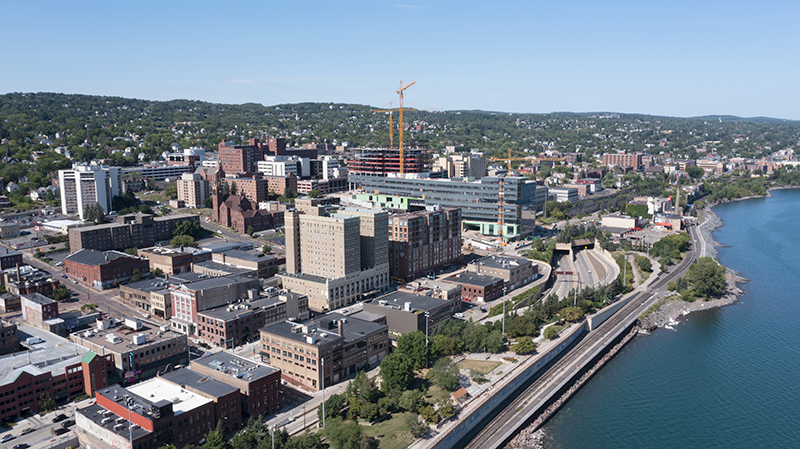
    Duluth is gearing up for a major housing project called Incline Village. This new development will be the largest in the city’s history, with plans to build 1,300 market-rate apartments and condos. The site chosen for this project is special because it overlooks Lake Superior and used to be where Central High School stood. Construction is set to begin this summer, and when it’s done, it will offer amazing views and much-needed housing.
    Duluth’s Housing Needs Are Growing

    In 2019, the city of Duluth commissioned a study to understand how many new homes were needed. The study revealed that between 2019 and 2024, the city would need to build 3,600 affordable housing units to keep up with demand. But affordable housing isn’t the only need. Since 2019, the city has added 1,183 housing units of all types, but it’s still not enough. According to Noah Hobbs, who works for One Roof Community Housing, Duluth is still far behind. Even though Incline Village will help by adding 1,300 new homes, they will be built slowly over seven to ten years.

    A Surprising Housing Shortage

    It might surprise some people that Duluth has a housing shortage, especially since the population hasn’t grown much. In fact, between 2000 and 2020, the city’s population only changed by 110 people. But there’s a shift happening in the age of the population. There are fewer young people under 19, while the number of people aged 20 to 34 is increasing. These are the ages when many people start looking to buy homes. Because of this, Duluth needs more housing now than it did in 2000. And while some homes were lost due to a hospital expansion, there hasn’t been a significant decrease in overall housing because of demolition.

    Challenges in Building New Homes

    Building new homes in Duluth isn’t easy. Two big challenges are the high interest rates and rising construction costs. This is a problem across the country, not just in Duluth. But Duluth faces some unique issues. The city doesn’t have many large general contractors, and there isn’t much land available for new housing. This makes it difficult to build enough single-family homes to solve the housing shortage. According to Hobbs, Duluth also lacks the multifamily housing options that other cities in the region have.

    Financial Help for Builders

    To encourage more housing development, Duluth is offering financial incentives to builders. For the Incline Village project, the city council approved a $25.8 million subsidy to help get the project started. There’s also a possibility that the project will receive tax-increment financing in the future. However, to build even more housing projects, Duluth will likely need to provide additional financial support.

    This project is a big step for Duluth, but there’s still a lot of work to do to meet the city’s growing housing needs.

  • Discover the Community and Amenities of Bloomington, Minnesota

    Discover the Community and Amenities of Bloomington, Minnesota

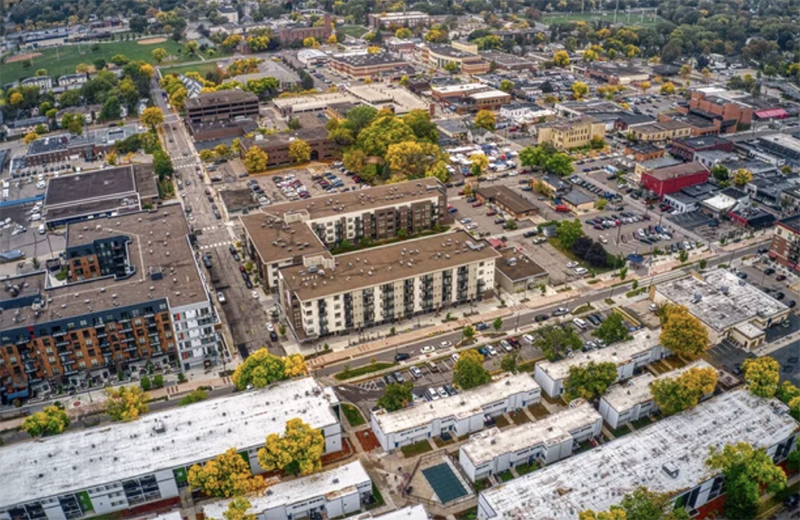
    Bloomington, Minnesota, is a lively suburb just outside of Minneapolis. Known for its friendly community and prime location, this city offers a comfortable place to live and a strong economy that supports both residents and businesses. Bloomington stands out as a key economic center, housing the headquarters of big companies like HealthPartners and Toro, which helps the city maintain a higher job-per-capita ratio compared to neighboring areas like Minneapolis and Saint Paul.
    Bloomington’s Strong Economic Base

    The economy in Bloomington is diverse, with industries ranging from healthcare and retail to manufacturing. This diversity ensures that residents have plenty of job opportunities. Major companies headquartered here play a significant role in keeping the job market strong, making Bloomington a great place for both job seekers and professionals looking to advance their careers.

    Community and Public Amenities Enhance Quality of Life

    Bloomington isn’t just about work; it’s also a community-focused city with excellent public amenities. The city is home to the famous Mall of America, which not only attracts tourists but also creates numerous retail jobs for locals. In addition, Bloomington invests in its public spaces, like the Dred Scott Playfield, which recently added modern sports facilities. These amenities make the city a welcoming place for families, professionals, and visitors alike.

    Safety in Bloomington: A Mixed Picture

    Safety in Bloomington varies depending on the area. While some parts of the city, particularly the northeast, experience higher crime rates, the southwest and southeast areas are much safer and preferred by many residents. On average, Bloomington’s crime rates are higher than the national average, with violent crimes such as assault and robbery being a concern in some neighborhoods. However, the presence of high-traffic areas like shopping centers can sometimes inflate these statistics, making the city seem less safe than it is in residential zones.

    Exploring Bloomington’s Neighborhoods: Where to Live

    Bloomington offers a wide range of neighborhoods, each with its unique character. The southwestern part of the city is especially desirable, known for its higher property values and lower crime rates, making it ideal for families and professionals. On the other hand, East Bloomington provides more affordable housing, with median home prices below the national average. This area attracts residents looking for cost-effective living options, though neighborhood quality can vary. Despite this, many parts of East Bloomington actively maintain a high standard of living, offering a good balance of affordability and quality.

    In-Depth Neighborhood Profiles

    Bloomington’s neighborhoods, such as City Center and Bryant Park, offer a variety of housing and community options. City Center is known for its blend of small to medium-sized homes, with many built between 1940 and 1999, giving it a mature, established feel. With a median home price of $368,092, it’s more expensive than over half the neighborhoods in Minnesota but boasts a low vacancy rate, indicating strong demand. Bryant Park, slightly more affordable with a median home price of $319,552, is appreciated for its residential charm and accessibility, with a significant number of residents using public transportation.

    West Bloomington: A Suburban Gem

    West Bloomington is a sought-after area known for its suburban appeal. This neighborhood features a range of medium to large single-family homes and townhouses, mostly owner-occupied. The real estate market here is competitive, with homes typically selling quickly and at prices reflecting the area’s desirability. The low vacancy rate of 2.8% highlights the demand for housing in this part of the city, which combines modern living with a community-oriented atmosphere.

    South Loop District: The Future of Bloomington

    The South Loop District is transforming a suburban area to a more urbanized district. This area will become the center of Bloomington’s growth over the next 40 years, focusing on mixed land use, sustainable development, and improved public transportation. Located near key transportation hubs like MSP Airport and the Hiawatha Light Rail, the South Loop District is becoming a prime area for new developments. The Carbon31 project, for instance, is adding over 400 high-end residential units and retail spaces, reflecting the district’s shift towards a vibrant, urban community.

    Normandale Area: A Hub for Education and Recreation

    The Normandale area is an important part of Bloomington, known for its educational and recreational offerings. At the heart of this neighborhood is Normandale Community College, which serves over 14,000 students each year. The college is known for its affordability and support services, making it an excellent choice for students looking to further their education. Nearby, the Normandale Lake District offers outdoor activities and green spaces, contributing to the area’s appeal as a place where education and recreation go hand in hand.

    Transportation: Getting Around Bloomington

    Bloomington is well-connected by a network of buses and light rail services, making it easy to get around. The Metro Transit’s Blue Line provides direct service between downtown Minneapolis and Bloomington, offering a quick and convenient option for commuters. The city is also investing in better pedestrian and cycling paths to promote a healthier and more sustainable lifestyle. If you’re planning to move to Bloomington, professional movers can help make the transition smoother, taking advantage of the city’s efficient transportation system.

    Housing Market: Trends and Opportunities

    The housing market in Bloomington is active and diverse, with median home prices around $350,000 as of early 2024. The market is balanced, with homes typically staying on the market for about 30 days. This provides both buyers and sellers with fair opportunities to negotiate. Bloomington also supports affordable housing through various programs, helping low-to-moderate-income families transition from renting to homeownership, and ensuring long-term affordability.

    Educational Opportunities: A Focus on Inclusivity

    Bloomington is committed to providing excellent educational opportunities for all ages. Bloomington Public Schools focuses on educational equity, offering resources tailored to meet the needs of every student. For adults, Metro South Adult Basic Education provides essential services like GED preparation and ESL classes, helping residents gain the skills they need for career advancement. These programs reflect the city’s dedication to creating an inclusive and supportive educational environment for everyone.

    Employment in Bloomington: A Diverse Job Market

    The job market in Bloomington is robust, with opportunities across various sectors, including retail, healthcare, and administrative services. The city’s Parks and Recreation Department also offers seasonal and part-time jobs, which are great for those looking for flexible work arrangements. These diverse job opportunities not only strengthen the local economy but also contribute to a vibrant and engaged community.

  • The Minnesota Twin Cities Housing Market: A Long-Expected Respite After A Whirlwind Of Activity

    The Minnesota Twin Cities Housing Market: A Long-Expected Respite After A Whirlwind Of Activity

    As the adage goes, “What goes up must come down,” and it appears the Minnesota Twin Cities housing market is no exception to this rule. After several consecutive years of scorching pace and seemingly limitless growth, the Twin Cities housing market is beginning to cool off, offering a much-needed breather to prospective buyers who have been battling skyrocketing prices and fierce competition.
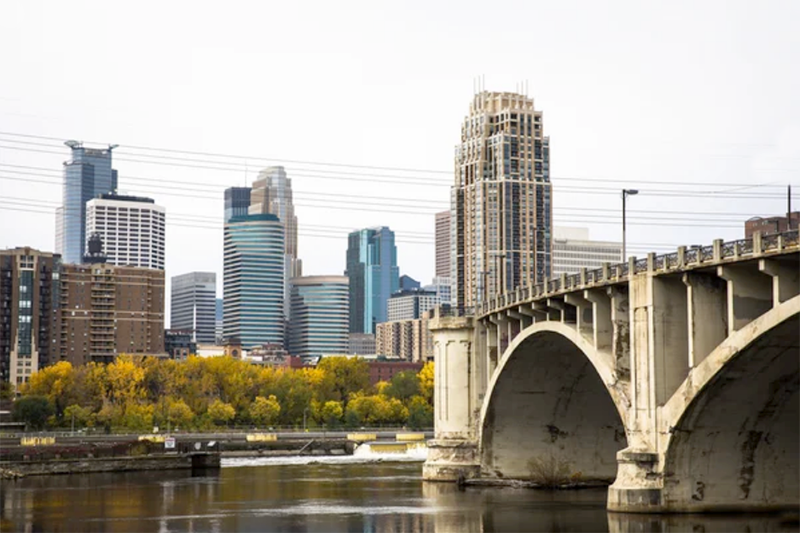
    During the past five years, MinneapolisSt. Paul was riding an unprecedented wave of growth. Buyers, spurred by historically low interest rates and a trend of urban migration, flooded the market, triggering bidding wars that catapulted prices into the stratosphere. But, as we venture into the third quarter of 2023, we’re seeing early indications of a slowdown, shifting the market dynamics from what was largely a seller’s market towards a more balanced terrain.

    Market Dynamics: Cooling Yet Healthy

    According to the Minneapolis Area Realtors Association, the median sales price, which soared by an astonishing 10% in 2022, has seen an incremental increase of just 1.5% through July 2023. Though this isn’t a drop in prices, the deceleration suggests that the market is moving toward normalization. This price stabilization is good news for buyers who were previously priced out of the market.

    Moreover, the inventory level, which had been lagging due to the onslaught of demand, is starting to rebound. Sellers who had been hesitant to list their properties amidst the uncertainty of the pandemic are feeling more confident, contributing to an increase in supply. While we are still far from the 6-month supply that characterizes a balanced market, the gap is gradually narrowing.

    Interest Rates and Affordable Housing

    Low interest rates have been a key driver in the previous boom. As we know, the Federal Reserve started hiking rates in 2023 in an attempt to combat inflation. This move has seen mortgage rates creep up from their record lows, which, to some extent, is impacting affordability and reducing the pool of potential buyers.

    However, despite the increase, interest rates remain at historically manageable levels. Coupled with the slowing price appreciation, buyers may find that homeownership is inching back within their reach.

    The Effect on Different Housing Segments

    The high-end market, which was the first to heat up, seems to be the first to cool off. Luxury properties are staying longer on the market, and price cuts, which were virtually non-existent during the past years, are becoming more common.

    On the other hand, the entry-level market remains competitive but less frenzied. With prices stabilizing and a slight increase in inventory, first-time buyers may find more opportunities than they have seen in recent years.

    Outlook for the Future

    It’s crucial to note that a cooling market is not synonymous with a crash. The underlying fundamentals of the Twin Cities housing market – a strong economy, low unemployment, and a desirable quality of life – remain robust.

    The shift we’re seeing is a natural market adjustment following an extraordinarily hot period. As we move forward, we expect to see a more balanced market, with moderate price growth and a healthier level of inventory. For prospective buyers who have been sidelined, this could be the window of opportunity they’ve been waiting for.

    In conclusion, while the Minnesota Twin Cities housing market is showing signs of cooling off after several hectic years, it remains a dynamic and promising landscape. Those armed with accurate information and a well-planned strategy will be well-positioned to navigate the shifting tides of this vibrant real estate market.

  • Minnesota and Twin Cities Metro See 20% Surge in June Home Listings

    Minnesota and Twin Cities Metro See 20% Surge in June Home Listings

    In June, both the state of Minnesota and the Twin Cities metro experienced a notable 20% increase in home listings. This surge has subsequently led to a modest uptick in buyer activity, as detailed in recent reports from state and local Realtors associations. This rise in listings has significantly impacted inventory levels across the state and metro areas.

    Impact on Inventory Levels

    The increase in home listings has boosted inventory levels throughout Minnesota to just over 12,400 homes, translating to about 2.2 months of supply, according to a report from Minnesota Realtors. In the Twin Cities metro area, the joint report by the Minneapolis Area Realtors and St. Paul Area Association of Realtors indicates an inventory of just above 7,700 units, or approximately 2 months of supply. This increase signals the arrival of the spring market but does not necessarily mean a drop in home prices.

    Market Prices and Influences

    Despite the increase in inventory, the cost of buying homes has continued to rise. The median sale price in the Twin Cities metro saw a 4.1% increase, climbing from $369,900 last year to $385,250. Statewide, the median price for a home rose 4.5%, from $335,000 to $350,000. According to Minnesota Realtor President Geri Theis, the reasons for rising prices include a slight dip in interest rates and persistently low inventory levels, compelling buyers to make higher bids to secure homes. This anticipates that prices may not increase as rapidly, depending on various market factors.

    Regional Inventory and Market Balance

    In some parts of Greater Minnesota, inventory levels are approaching a balanced market, characterized by four to six months of supply. For example, the West Central Region has 3.7 months of inventory, the Upper Minnesota Valley Region has 3.4 months, and the Northwest Region has 4.1 months. In contrast, the Twin Cities metro requires around 20,000 active listings to achieve a balanced market. According to MAR President Jamar Hardy, although the market is undersupplied, creating an advantage for sellers, both buyers and sellers can still meet their needs, even if not all their wants are fulfilled.

    Sales Trends in Twin Cities Metro

    Single-family home prices in the Twin Cities metro average around $425,000, while condos and townhomes are priced at approximately $217,000 and $312,000, respectively. Notably, condo sales in the region have surged by 25.5% compared to last year, with single-family homes and townhomes also seeing increases of 9.3% and 1.2%, respectively. This trend highlights the dynamic nature of the Twin Cities real estate market, influenced by various factors and continually evolving buyer preferences.

  • Short Sales 101: Understanding Your Rights and Responsibilities in Minnesota

    Short Sales 101: Understanding Your Rights and Responsibilities in Minnesota

    Short sales in real estate are a significant aspect of the housing market, particularly in times of economic downturn or when homeowners find themselves unable to meet their mortgage obligations. In Minnesota, understanding the intricacies of short sales is crucial for buyers, sellers, and real estate professionals. This article delves into the process, implications, and trends of short sales across Minnesota’s largest cities, including Minneapolis, Saint Paul, Rochester, Bloomington, and Duluth.

    What is a Short Sale?

    A short sale occurs when a homeowner sells a property for less than the amount owed on the mortgage, and the lien holder (typically a bank) must approve the sale. Homeowners often pursue this option when facing foreclosure as a way to mitigate financial damage. It is crucial to understand that in a short sale, the lien holder’s role is central, as they are the ones to accept the reduced payoff to release the lien on the property.

    The Role of Mortgage Loans and Lien Holders

    In the context of a short sale, the homeowner’s mortgage loan is a key element. When a property is bought, a mortgage loan is typically used to finance the purchase, and the lender becomes the lien holder. In a short sale scenario, the property’s sale price may not cover the full amount due on the mortgage, requiring the lien holder’s agreement to accept a lower amount. This makes the lien holder’s participation essential in the process.

    Navigating Short Sales in Minneapolis and Saint Paul

    Minneapolis and Saint Paul, as the twin hubs of urban and economic activity in Minnesota, see a varied range of real estate transactions, including short sales. Navigating a short sale in these cities requires understanding local market conditions and legal frameworks. Real estate agents with expertise in short sales can provide invaluable assistance, helping sellers negotiate with lien holders and aiding buyers in finding potential short sale properties.

    The Impact on Property Values in Rochester and Bloomington

    The occurrence of short sales can have a localized impact on property values, particularly in cities like Rochester and Bloomington. When multiple properties within a community are sold through short sales, it might temporarily depress property values. However, for buyers, this can present opportunities to enter the housing market at a lower point, potentially increasing long-term profit as the market recovers.

    Short Sales in Duluth: Challenges and Opportunities

    In Duluth, as in other parts of Minnesota, the challenges of short sales often revolve around the time-consuming and complex negotiation processes with lien holders. However, these challenges also bring opportunities. For buyers, particularly those not under time constraints to purchase, short sales can offer a chance to make a profitable investment, as sellers often list properties below market value.

    Future Trends in Minnesota’s Short Sale Market

    Looking ahead, broader economic conditions, mortgage rates, and foreclosure rates will likely influence the trend in short sales in Minnesota. As the market adjusts to post-pandemic economic realities, we may observe potential increases in short sales if homeowners continue to struggle with their mortgage obligations.

    In conclusion, short sales remain a critical element of Minnesota’s real estate landscape, offering unique challenges and opportunities to all parties involved. Whether in the bustling streets of Minneapolis or the scenic views of Duluth, understanding the dynamics of short sales is essential for anyone looking to navigate this complex market.

  • Exploring the Smallest Cities in Minnesota: A Real Estate Perspective

    Exploring the Smallest Cities in Minnesota: A Real Estate Perspective

    Minnesota, the “Land of 10,000 Lakes,” is a state teeming with natural beauty, vast landscapes, and dynamic urban centers. Yet, nestled amidst the more well-known hubs like Minneapolis and Saint Paul are a number of small cities that charm their residents and visitors alike. From a real estate perspective, these tiny towns offer unique opportunities and challenges. Let’s take a closer look at the smallest cities in Minnesota and what they have to offer.

    The Allure of Small Cities

    Why would anyone be interested in these smaller locales when there are bustling urban centers nearby? Well, the benefits are manifold:

    Peace and Tranquility: One of the primary appeals of smaller cities is the quieter, more relaxed pace of life they offer.
    Lower Costs: Real estate and cost of living can be considerably less expensive compared to urban areas.
    Close-knit Communities: Small towns foster tight-knit communities where everyone knows each other, promoting a sense of belonging and security.

    A Peek into Some of the Smallest Cities in Minnesota

    A. Whalan: A gem in southeastern Minnesota, Whalan is known for the scenic Root River and the popular Root River State Trail. Housing here provides a mix of historic homes and newer constructions. Its low population and serene setting make it a great location for those looking for solitude.

    B. Funkley: As one of the tiniest cities in the state, Funkley boasts a population that can be counted on two hands. With limited real estate transactions and listings, buying property here is about seizing opportunity when it arises.

    C. Tenney: With a charming history as one of the smallest incorporated cities, Tenney offers vast stretches of land and a sense of timeless tranquility. It’s a city where everyone truly knows everyone else.

    Real Estate Opportunities and Challenges

    Affordability: Real estate in smaller cities often comes at a fraction of the cost when compared to more populous areas.
    Potential for Growth: As urban centers become crowded, many people are seeking out quieter locales, leading to potential appreciation in property values in these areas.
    Unique Properties: From historic homes to large plots of land, small cities offer a range of unique real estate options.

    Limited Amenities: Smaller towns might not offer the same conveniences or amenities as their larger counterparts. It’s important to ensure that essential services are easily accessible.
    Lower Liquidity: The real estate market in tiny towns can be less liquid. Selling property might take longer than in more populous areas.

    Making the Move: Things to Consider

    If you’re considering making a move to one of Minnesota’s smallest cities, here are a few things to keep in mind:

    Research the Area: Spend time in the city, talk to locals, and understand the community’s dynamics.
    Check Infrastructure: Ensure that basic infrastructures like healthcare, schools, and transportation are up to your requirements.
    Seek Local Expertise: A local real estate agent can provide insights about the city, market trends, and potential future developments.

    Conclusion

    The smallest cities in Minnesota offer a refreshing contrast to the state’s bustling urban hubs. They present unique opportunities for real estate investment, with the promise of peace, community, and the timeless charm of small-town life. However, as with any real estate endeavor, thorough research, due diligence, and a deep understanding of the locality are essential. With the right approach, these tiny jewels of Minnesota can become the perfect place to call home or a smart, long-term investment.

  • Embracing the North Star State: Moving to Minnesota with Big Dreams in Tow

    Embracing the North Star State: Moving to Minnesota with Big Dreams in Tow

    The idea of starting anew is as alluring as it is challenging, particularly when it involves packing up your life and moving to a place like Minnesota, a state as renowned for its icy winters as it is for its warm, community-oriented residents. Moving to the North Star State with a big dream means charting a path through a terrain that’s both literal and metaphorical, marked by unique advantages, potential disadvantages, and opportunities as vast as the state’s open prairies.

    The Lure of the Land of 10,000 Lakes: Advantages of Moving to Minnesota

    Minnesota is not just a state, it’s a state of mind where the community is valued, and the quality of life is high. It boasts vibrant large cities like Minneapolis and Saint Paul, which offer cultural diversity, rich arts scenes, and a bustling economy. The education system is among the nation’s best, making it an ideal place for families and individuals looking to further their education.

    For the outdoorsy, Minnesota’s natural beauty is unparalleled. From the Boundary Waters Canoe Area Wilderness to the shores of Lake Superior, the state’s landscapes are as conducive to adventure as they are to peaceful contemplation.

    Navigating the Challenges: Disadvantages to Consider When Moving to MN

    No place is without its drawbacks. The weather in Minnesota can be a formidable foe, with harsh winters that bring heavy snowfalls and temperatures that can plunge well below freezing. While this can be a wonderland for some, it may be a hurdle for those unaccustomed to such conditions.

    The living expenses, while generally more reasonable than in coastal metropolises, can vary significantly. In the larger cities, the cost of living can be steep, making some dreamers think twice about urban life in the Gopher State.

    A Glimpse at Governance: Laws and Current Taxes

    Are you thinking of moving to MN? Minnesota’s laws and tax structures are reflective of its community-centric ethos. While the state has a reputation for higher taxes, with a progressive income tax structure and substantial property taxes, these funds are channeled into maintaining the state’s infrastructure, education, and healthcare systems. Current tax rates and laws are designed to balance individual responsibilities with community benefits, and any potential Minnesotan should consider how these might affect their dream pursuit.

    Weathering the Weather: A Four-Season Affair

    The weather in Minnesota offers a full four-season experience, each with its charm and challenges. Summers are warm and full of life, autumns are crisp with breathtaking foliage, springs blossom with refreshing rains, and winters are snowy wonderlands ideal for skiing, snowboarding, and ice fishing. If your big dream involves seasonal variety, you’ll find no shortage here.

    Counting the Costs: Living Expenses in Minnesota

    Is it worth moving to MN? Living expenses in Minnesota are generally on par with or slightly above the national average, depending on the area. Housing in Minneapolis-St. Paul is more expensive than in outlying rural areas, but even within the cities, there are neighborhoods that offer a more affordable cost of living. Groceries, utilities, and transportation costs also vary, but the state’s efficient services often offset these expenses.

    The Pillars of the Economy: Largest Employers in Minnesota

    If your dream includes career advancement or entrepreneurial ventures, you’ll be in good company. The largest employers in Minnesota include the Mayo Clinic, renowned for healthcare; UnitedHealth Group, a leader in health insurance; Target Corp., a retail giant; and the University of Minnesota. These employers are indicative of the state’s robust economy in healthcare, retail, education, and technology.

    Uniquely Minnesotan: What Sets the State Apart

    Minnesota has a spirit that’s hard to define but easy to love. It’s a place where community and individuality coexist beautifully. The state’s emphasis on education, health, and the arts is exceptional, and its population is among the most civic-minded in the nation. Minnesota’s unique blend of urban opportunity and rural beauty offers a quality of life that’s difficult to match.

    Moving to Minnesota

    Embarking on a journey to Minnesota with a dream in your heart is more than simply moving; it’s an adventure that promises growth, challenges, and the warm embrace of a community that cheers on dreamers. Whether you’re drawn by its economic vitality, its natural splendor, or the simple promise of a place that prides itself on making room at the table for everyone, Minnesota welcomes you with open arms and a chorus of friendly “You betchas!” Remember, every big dream begins with a brave step, and in Minnesota, your steps toward that dream are on fertile ground.