Category: News

  • Requirements to Obtain a Real Estate License in Minnesota

    Requirements to Obtain a Real Estate License in Minnesota

    The real estate industry is a vast, interconnected network of professionals dedicated to helping individuals buy, sell, or lease properties. In the U.S., each state has established its own unique set of requirements for becoming a licensed real estate agent or broker. While there are many similarities between states, there are also distinct differences that set them apart. Minnesota, known as the “Land of 10,000 Lakes,” is no exception. This article aims to elucidate the process of obtaining a real estate license in Minnesota and how it stands out from other states.

    Minnesota Real Estate License Requirements:

    1. Age and Eligibility:

    Prospective agents must be at least 18 years old.

    1. Education:

    Minnesota requires aspiring real estate agents to complete 90 hours of pre-license education from an approved provider. These hours are typically divided into three 30-hour courses.

    1. Examination:

    After the coursework is completed, candidates must pass the state real estate examination. This exam consists of both a national and state-specific section, ensuring that agents are proficient in general real estate principles as well as Minnesota-specific laws and regulations.

    1. Background Check:

    Minnesota requires applicants to undergo a background check. This helps protect consumers and ensures that those entering the profession have a clean record.

    1. Application and Fees:

    Upon passing the exam, candidates must submit an application to the Minnesota Department of Commerce along with the necessary fees.

    1. Affiliation with a Broker:

    New agents must be affiliated with a licensed Minnesota real estate broker. This allows them to work under the guidance and mentorship of experienced professionals.

    1. Continuing Education:

    Once licensed, real estate agents in Minnesota are required to complete 30 hours of continuing education every two years to renew their licenses.

    How Minnesota Differs from Other States:

    Education Hours:

    The requirement of 90 hours of pre-license education in Minnesota is more than in some states but less than in others. For example, California requires 135 hours, whereas Pennsylvania requires only 60 hours. This places Minnesota in a middle ground when it comes to education hours.

    Broker Affiliation:

    Some states allow new agents a grace period to find a sponsoring broker, while Minnesota mandates immediate affiliation upon licensing.

    Reciprocity:

    Minnesota has reciprocity agreements with some states but not all. This means if you’re a licensed agent in a state with a reciprocity agreement, you might not have to complete all the requirements or take the state-specific part of the exam. The specifics of these agreements can vary, making it essential for out-of-state agents to check the particulars when considering moving to or operating in Minnesota.

    Background Checks:

    While many states require background checks for aspiring real estate agents, Minnesota’s background check is quite thorough, ensuring a high standard of professionalism in the industry.

    Renewal and Continuing Education:

    The requirement for 30 hours of continuing education every two years in Minnesota is comparable to many states. However, the specific content and focus of the coursework might vary. Some states might emphasize ethics, while others could focus on recent legal changes or emerging market trends.

    In conclusion, while the journey to becoming a licensed real estate agent has many common elements across states, Minnesota’s approach aims to ensure that its agents are well-prepared and professional, and operate with the utmost integrity. Whether you’re considering a career in real estate in Minnesota or any other state, it’s crucial to understand and meet the specific requirements of that state to ensure success in the industry.

  • College and University-Friendly Cities in Minnesota: The Positive Impact on Real Estate

    College and University-Friendly Cities in Minnesota: The Positive Impact on Real Estate

    Minnesota, popularly known as the “Land of 10,000 Lakes”, is not only famed for its picturesque lakes and wilderness but also for its thriving education sector. Numerous cities in the state are home to prestigious colleges and universities, making them hotspots for students, faculty, and educational professionals. These institutions not only contribute to the cultural, social, and economic fabric of these cities but also play a pivotal role in influencing the real estate market.
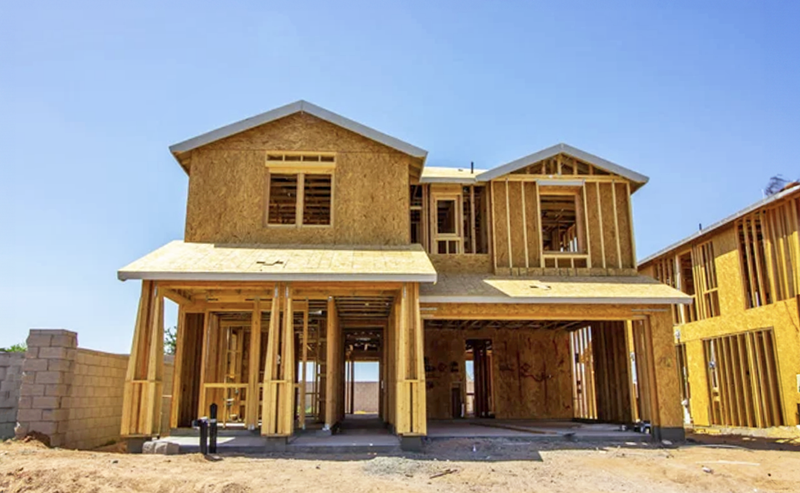
    This article dives deep into some of the college and university-friendly cities in Minnesota and how these institutions buoy the real estate sector.

    Minneapolis

    As the largest city in Minnesota, Minneapolis houses the flagship campus of the University of Minnesota. This public research university alone caters to over 50,000 students. The presence of such a significant institution has made the area a hub for students, educators, and professionals.

    Real Estate Impact: The high influx of students and faculty requires housing, leading to a consistent demand for rental properties, especially close to the university. This demand drives up property values in the vicinity and ensures stable rental income for property owners.

    St. Paul

    Adjacent to Minneapolis, St. Paul, the state’s capital, is another educational hub. Institutions like Macalester College, St. Catherine University, and Concordia University reside here.

    Real Estate Impact: St. Paul’s diverse academic landscape means there’s a diverse student population looking for housing options. Consequently, there’s a thriving market for multi-family residences, townhomes, and apartments catering to both short-term and long-term stays.

    Duluth

    Home to the University of Minnesota Duluth and The College of St. Scholastica, Duluth is a scenic city by Lake Superior. Its academic institutions are prominent contributors to the local economy.

    Real Estate Impact: Apart from the regular student housing demand, Duluth’s allure as a lake city makes it an attractive place for faculty and university staff to settle down. This has boosted the residential real estate market, especially in areas offering lake views.

    Mankato

    With institutions like Minnesota State University, and Mankato, the city is an educational center for the southern part of the state.

    Real Estate Impact: The consistent growth of the university has ensured a steady demand for housing in Mankato. This has resulted in the growth of off-campus student housing complexes and an uptick in the rental market.

    Moorhead

    Moorhead hosts Concordia College and Minnesota State University Moorhead. The city, being adjacent to Fargo, North Dakota, benefits from a combined student population of both states.

    Real Estate Impact: Moorhead’s housing market is buoyant because of the combined demand from both cities. Rental properties, especially those catering to students, have seen significant appreciation over the years.

    How Colleges and Universities Positively Impact Real Estate:

    Consistent Demand: Every academic year ushers in a new wave of students, ensuring a constant demand for housing.

    Infrastructure Development: Colleges often lead to better infrastructure in areas where they’re located, making them more appealing for real estate investments.

    Economic Boost: Colleges employ faculty, and staff, and indirectly boost local businesses, positively affecting the local economy and, by extension, the real estate sector.

    Cultural Hubs: University towns are often cultural hubs, hosting events, festivals, and conferences, which enhances the city’s appeal and livability, thereby bolstering property values.

    Stable Investment: Even during economic downturns, educational institutions can provide stability, making real estate investments in these areas less volatile.

    Conclusion

    Minnesota’s educational landscape, dotted with numerous colleges and universities, has had a pronounced positive influence on its real estate sector. Whether it’s the vibrant twin cities of Minneapolis and St. Paul or the scenic city of Duluth, these institutions have played a pivotal role in shaping the state’s real estate dynamics. Investing in cities with strong educational anchors is not just about capital appreciation but also about contributing to the growth of communities anchored in knowledge and culture.

  • Unveiling Property Records of Minnesota: The Ultimate Real Estate Information Hub

    Unveiling Property Records of Minnesota: The Ultimate Real Estate Information Hub

    Real estate is often considered one of the most crucial aspects of our lives, representing not only a physical dwelling or commercial space but a tangible embodiment of our dreams, aspirations, and financial milestones. It is no surprise then that making informed decisions about property requires a treasure trove of information. For Minnesotians, this wealth of information is now at your fingertips, thanks to the services of Property Records of Minnesota.

    Who is Property Records of Minnesota?

    Property Records of Minnesota is a one-stop hub for all your property-related information needs. Whether you are a first-time homebuyer, a seasoned real estate investor, or someone simply curious about the history of a property, this establishment provides a comprehensive array of insights about properties within the state of Minnesota.

    Why Minnesotians Need Property Records of Minnesota

    Real estate transactions can be intricate. The stakes are high, and every decision must be backed by solid research. This is where Property Records of Minnesota comes into play:

    Real Estate Guidance: Navigating the real estate market can be daunting. With Property Records of Minnesota, you’re never alone in your journey. They provide insights that can guide your buying, selling, or investment decisions.

    Property History Reports: Every property has a story. Knowing the chronological events associated with a property can illuminate potential issues or advantages. From past owners to structural changes, every piece of history can impact your decision.

    Deed Transactions and Title Transfers: These official documents determine property ownership. It is essential to understand the chain of title, ensuring that there are no hiccups or challenges in future transactions.

    Property Profile Reports: A snapshot of any property’s current status, these reports give you a comprehensive view, helping you make informed decisions.

    Foreclosure Activity: This gives potential buyers insights into properties that might come onto the market or areas that might be facing economic challenges.

    Demographics & Transaction History: Understanding the neighborhood’s demographic makeup can provide context about community characteristics, average property prices, and more.

    Teacher-to-Student Ratio: For families, education is a priority. Property Records of Minnesota goes beyond the brick and mortar, offering valuable information about educational institutions, and ensuring your family’s educational needs are met.

    Why Trust Property Records of Minnesota?

    Trust is a pillar of any transaction, especially in real estate. The company has built its reputation on providing accurate, up-to-date, and comprehensive data to its users.

    Conclusion

    Property Records of Minnesota is not just a service; it’s a commitment to empowering every Minnesotian with the knowledge to make informed real estate decisions. As the real estate landscape evolves, the need for reliable, detailed, and comprehensive property data becomes even more crucial. And for the people of Minnesota, Property Records of Minnesota is the beacon lighting their path.

    So, whether you’re stepping into the realm of real estate for the first time or you’re a seasoned expert, remember that the company is here, ensuring you have every bit of information you need at your disposal. Welcome to a world where real estate decisions become easier, more informed, and tailored for success.

  • Minnesota Real Estate Myths: A Detailed Report

    Minnesota Real Estate Myths: A Detailed Report

    Minnesota, known for its lakes, cold winters, and vibrant cultural scene, has its fair share of real estate myths. Understanding these myths can be essential for prospective buyers, sellers, or investors. Here’s a closer look at some of the most common misconceptions.

    Minnesota’s Harsh Winters Make Real Estate Unsellable During Cold Months

    Myth: No one buys homes in Minnesota during the winter due to harsh weather conditions.

    Reality: While it’s true that winters can be tough, the Minnesota real estate market doesn’t completely freeze over. Savvy buyers often consider winter a prime time to buy since there’s typically less competition, and they can potentially get a better deal.

    Lakefront Property is Only for the Wealthy

    Myth: Only the rich can afford lakefront properties in the “Land of 10,000 Lakes.”

    Reality: Minnesota boasts over 11,800 lakes, and while many lakefront properties come with a premium, there are affordable options available, especially on smaller or lesser-known lakes.

    Urban Properties are More Valuable than Rural Ones

    Myth: Homes in the Twin Cities (Minneapolis and St. Paul) are always more valuable than homes in rural areas.

    Reality: While urban areas typically have higher property values due to demand and amenities, certain rural properties, especially those with unique features or on larger land plots, can be quite valuable.

    Minnesota Real Estate is Only About Single-Family Homes

    Myth: The state mainly offers single-family homes, limiting options for buyers.

    Reality: Minnesota’s real estate market is diverse. The Twin Cities and other urban centers offer condos, townhomes, and lofts. Additionally, the increasing demand for multi-family homes and duplexes has further diversified available property types.

    New Homes Are Always Better than Older Ones

    Myth: New constructions are superior in quality and investment potential.

    Reality: While new homes offer modern amenities and designs, many older homes in Minnesota, especially in historic neighborhoods, are sought after for their character, craftsmanship, and charm. Properly maintained older homes can be just as valuable, if not more so, than newer constructions.

    The North is Too Remote for Real Estate Investments

    Myth: Areas in Northern Minnesota are too isolated to be considered good real estate investments.

    Reality: Northern Minnesota, with its natural beauty and recreational opportunities, has seen growth in vacation rentals, cabins, and retreats. As remote work becomes more prevalent, the desire for serene, natural settings might further boost property demand in these areas.

    Minnesota’s Taxes Make it a Bad Place to Buy

    Myth: High property taxes in Minnesota make it an unattractive state for real estate investments.

    Reality: While Minnesota does have relatively high property taxes compared to some states, it also offers good public services, schools, and infrastructure. For many, the trade-offs are worth it. Additionally, property value appreciation in certain areas can offset tax concerns.

    Conclusion

    Every real estate market has its myths and misconceptions. By understanding the realities of the Minnesota market, buyers, sellers, and investors can make informed decisions and potentially find great opportunities. Always consult with local real estate professionals to get the most accurate and up-to-date information.

  • Traveling to Minneapolis, MN: What to Expect and Instagram-Worthy Spots

    Traveling to Minneapolis, MN: What to Expect and Instagram-Worthy Spots

    Minneapolis, affectionately known as the “City of Lakes”, has long been a haven for travelers seeking a mix of urban sophistication and natural beauty. Whether you’re planning your trip for the purpose of photography or just looking to enjoy all that the city has to offer, this guide provides a comprehensive overview of what to expect.

    Minneapolis at a Glance

    When you think of travel in the Midwest, Minneapolis should be at the top of your list. Situated on the banks of the Mississippi River, the city presents an eclectic mix of modern architecture, historic landmarks, and natural beauty.

    Weather Expectations

    Minneapolis experiences all four seasons. Summers can be warm, with temperatures often reaching the 80s (Fahrenheit), while winters are known for their snow and can be quite chilly. Fall offers a picturesque backdrop of golden and crimson hues, making it a favorite for photographers. Spring is rejuvenating, with blossoms and fresh greenery.

    Getting Around

    Walking: Downtown Minneapolis is pedestrian-friendly, and many attractions are within walking distance of each other.

    Uber and other rideshares: These services are readily available and offer a convenient mode of transport.
    Train: The Metro Transit Light Rail connects major spots like the Mall of America and the airport.
    AirBnB and Hotels: Minneapolis offers a range of accommodation options. Airbnb provides a local feel, while the city’s hotels cater to a range of budgets.

    Expenses

    Traveling in Minneapolis can be done on a budget or in luxury. Dining ranges from affordable food trucks to gourmet restaurants. Accommodations vary in price, with AirBnB options often being more budget-friendly than upscale hotels. As always, it’s advisable to plan and book in advance to get the best deals.

    Instagram Locations

    For IG enthusiasts and photographers, Minneapolis is a goldmine. Some Instagram-worthy spots include:

    Stone Arch Bridge: This historic bridge offers panoramic views of the city skyline and the roaring Mississippi River.
    Minnehaha Falls: A 53-foot waterfall located within the city limits. Best photographed in spring or after a rainfall.
    Walker Art Center and Minneapolis Sculpture Garden: Home to the iconic “Spoonbridge and Cherry” sculpture.
    Guthrie Theater’s Endless Bridge: Offers sweeping views of the city and river, especially during sunset.

    Tips for Photographers

    Golden Hour: Just like any city, Minneapolis is bathed in a golden hue during the early mornings and late afternoons, perfect for those photo sessions.
    Local Hotspots: Engage with local photographers or join Instagram groups focused on Minneapolis to discover lesser-known, picturesque locations.

    In conclusion, Minneapolis offers a unique blend of urban and natural beauty, making it a must-visit for travelers and photographers alike. Whether you’re capturing the perfect Instagram shot or just soaking in the vibrant atmosphere, the city promises a memorable experience.

  • How Kitchen and Bathroom Makeovers Can Boost Your Home’s Value

    How Kitchen and Bathroom Makeovers Can Boost Your Home’s Value

    A successful real estate investment involves more than purchasing a property at a good price. It also involves maximizing its value to ensure a profitable return on your investment. One tried and true way to increase a property’s value is through home improvements, specifically remodeling the kitchen and bathroom. The kitchen and bathroom are the two rooms that, when renovated, can dramatically boost a property’s value and appeal.

    The Value in Remodeling Your Kitchen

    The kitchen is often referred to as the heart of the home. It’s where we prepare meals, gather with family and friends, and, in many cases, where we start and end our day. A dated kitchen can significantly decrease the overall appeal of a property. However, an attractive, functional, and modern kitchen can significantly increase a property’s value.

    In fact, according to a recent study by the National Association of Realtors, a kitchen remodel can recoup between 60% to 120% of your investment when you sell your home, depending on the level of the remodel and local market conditions. This makes it one of the most valuable home improvements you can undertake.

    Kitchen remodels can range widely in terms of cost. On the lower end, minor kitchen remodels (such as painting cabinets, installing new countertops, or upgrading appliances) could cost around $10,000 to $15,000. More substantial renovations, which might include changing the layout, replacing cabinets, installing high-end appliances, or upgrading to stone countertops, can range from $30,000 to over $100,000.

    The Value in Remodeling Your Bathroom

    Bathrooms, while not as central to daily life as kitchens, are nonetheless crucial in the eyes of potential buyers. A clean, modern bathroom can serve as a sanctuary—a place to relax and unwind. Meanwhile, outdated or poorly maintained bathrooms can turn potential buyers away, decreasing your property’s value.

    A report from the National Association of the Remodeling Industry suggests that homeowners can recoup up to 50% to 70% of the cost of a bathroom remodel when they sell their homes. In many cases, simply modernizing fixtures, retiling the shower, or adding a new vanity can make a significant difference.

    The cost of a bathroom remodel can vary as well. Small updates, like replacing fixtures or retiling, can cost anywhere from $3,000 to $7,000. More extensive remodels, like expanding the size of the bathroom, installing a new tub or shower, or adding high-end finishes, can range from $10,000 to $35,000 or more.

    Balancing Cost with Return on Investment

    While remodeling the kitchen and bathroom can indeed increase a property’s value, it’s essential to carefully consider the extent of the renovations and your overall budget. Spend too little, and the remodel may not significantly impact your home’s value or its appeal to potential buyers. Spend too much, and you may not recoup your investment.

    To make the most of a kitchen or bathroom remodel, focus on improvements that will appeal to the broadest range of potential buyers. Neutral color schemes, modern fixtures, and high-quality appliances and finishes are generally safe bets.

    Moreover, you must also consider the value of similar homes in your area. If you over-improve your home compared to others in your neighborhood, you might not see a return on your investment.

    Conclusion

    Kitchen and bathroom remodels offer a significant opportunity to boost a property’s value and appeal. By investing wisely in these high-impact areas, homeowners can expect a substantial return on their investment when it comes time to sell. Be sure to carefully consider your budget, the local real estate market, and the potential impact on your property’s value before undertaking any significant remodeling project.

  • Navigating Property Inheritance in Minnesota: To Rent, Sell, or Live?

    Navigating Property Inheritance in Minnesota: To Rent, Sell, or Live?

    As an heir in Minnesota, inheriting property may introduce various questions and complexities. Should you live in the property, rent it out, or sell it? How can you manage the tax implications of your inheritance, and what laws should you be aware of? This article will discuss these questions and more, highlighting key elements such as capital gain avoidance, Minnesota’s property laws, and Property Records of Minnesota.
    The Capital Gains Advantage of Inherited Property

    When a loved one passes away, becoming a beneficiary can have significant financial implications. Under Minnesota law, the property you inherit is assessed at its market value at the time of the previous owner’s death. The IRS recognizes this as a ‘stepped-up basis,’ which could prove a beneficial loophole in terms of capital gain tax.

    To Sell or Not to Sell: Weighing Your Options

    Whether to sell or hold onto the property is a crucial decision. The implications of both options in terms of capital gains are important to consider, as they have potential tax advantages and drawbacks.

    The Rental Route: Income and Responsibilities

    Renting inherited property is another viable option. This could provide a steady income stream, particularly if the property is located in a desirable area with high rental demand. However, it’s important to remember that rental income is taxable, and being a landlord entails certain responsibilities.

    Making it Home: Living in the Inherited Property

    Choosing to live in the property is a third option. For some, this can be an emotional decision, tied to maintaining a connection with the deceased owner. However, the practical aspects must also be considered. If you decide to live in the property, it becomes your primary residence, which can come with certain tax benefits, especially if you sell the property later.

    Deciphering Property Records in Minnesota

    The Property Records of Minnesota will be your primary source of property ownership data. This comprehensive record is publicly accessible and can help in verifying property ownership, tracing property history, and evaluating tax data.

    Navigating Minnesota Estate Laws

    Inheriting a property can also introduce certain complications with estate laws. Minnesota’s estate law stipulates that if the deceased owner’s estate exceeds a certain value ($3 million as of 2021), estate tax may apply. It’s crucial to consult with an estate attorney to understand your legal responsibilities fully.

    Making the Decision: Rent, Sell, or Live

    Ultimately, the decision to rent, sell, or live in an inherited property depends on a variety of factors including your financial circumstances, the condition and location of the property, and your personal preferences.

    The Takeaway

    Inheriting a property may appear daunting, but with a proper understanding of the IRS rules, Minnesota property laws, and the real estate market, you can make informed decisions that work best for you. Remember to consult with a tax advisor or real estate professional to navigate this complex process effectively. It may feel overwhelming, but with the right information and guidance, you can turn a challenging situation into a rewarding opportunity.

  • Federal Judge Dismisses Lawsuit Challenging Rent Control in Saint Paul

    Federal Judge Dismisses Lawsuit Challenging Rent Control in Saint Paul

    A United States federal judge has dismissed a lawsuit lodged against the city of Saint Paul, Minnesota, by a group of apartment owners. The litigants argued that the city’s rent control policy constituted an unconstitutional confiscation of private property. This lawsuit also included additional purported violations of various statutes of state and federal law. The decision marks a significant turning point in the ongoing debate surrounding the legitimacy of rent control measures.

    Nancy Brasel’s Landmark Judgment

    Presiding over the case was U.S. District Court Judge Nancy Brasel, who penned a comprehensive 51-page judgment on Monday, effectively terminating the federal lawsuit. Brasel flatly rejected the plaintiff’s request for a summary judgment, a legal motion requesting a final decision without proceeding to a full trial. In contrast, she granted the city’s request for summary judgment, effectively halting the lawsuit in its tracks.

    Context: Saint Paul’s Rent Control Ordinance

    The residents of Saint Paul approved the city’s rent control ordinance via a vote back in November of 2021. This statute imposed a 3% limit on annual rent increases, which at the time was recognized as one of the most stringent rent control policies in the United States. Subsequently, in September last year, the city council made amendments to this policy, exempting affordable housing projects as well as any new construction projects for the following 20 years.

    The plaintiffs, Woodstone Limited Partnership and Lofts at Farmers Market LLC, own properties within the city. Woodstone’s property is located at 2335 Stewart Ave., off Shepard Road, and the Lofts at Farmers Market is located at 260 Fifth St. E. between downtown Mears Park and CHS Field.

    Judge Brasel’s Opinion: A Rejection of Plaintiffs’ Claims

    Judge Brasel issued an expansive opinion, finding little to no substance in the claims made by the plaintiffs. They had argued that the voter-approved 3% cap on yearly rent increases could potentially devalue property assets and disincentivize the investment in affordable housing. In her judgment, Brasel argued, “Plaintiffs contend that the amended ordinance will not work and will not meet its stated objectives. These predictions may come true, but a poor policy decision is not a due‐process violation.”

    The judge highlighted that the city has put in place mechanisms for landlords to pursue rent increases of up to 8% via virtually automatic self-certifications. Increases beyond this limit can be sought with the approval of city staff. Contrasting this case with a 1976 suit against the city of Berkeley, California, she noted that Saint Paul has granted the majority of requested rent control exceptions without requiring public hearings. As proof of the system’s efficiency, she pointed out that out of 152 applications, only five led to appeals.

    The Constitutionality of Rent Control

    The argument that rent control violates the contracts clause of the U.S. Constitution was also addressed. Judge Brasel declared this point moot in the case of the Lofts at Farmers Market, as their downtown St. Paul apartment building, established in 2012, falls within the recent 20 years and is thus exempt from rent control starting from January 1st. She further declared, “Woodstone also should have reasonably known that courts have long upheld the constitutionality of rent‐stabilization policies that guarantee a reasonable return on investment.”

    Rent Control: Legal Precedents and Implications

    Judge Brasel was not convinced by the argument that placing limits on landlord rents equates to the government essentially confiscating money from them in two ways, both in terms of actual income and the resale value of their property. In her decision, she referenced legal precedents for rent control from across the country, as well as state housing law, stating that the Minnesota housing market is “highly regulated” and that “courts have long held that comparable rent‐stabilization policies are constitutional.”

    Judge Brasel concluded her judgment by noting that, in the context of rent stabilization, the Supreme Court has repeatedly asserted that states have considerable authority to regulate housing conditions and landlord-tenant relationships without the necessity of providing compensation for all economic injuries that such regulation might incur.

  • Unclaimed Property in Minnesota: A Comprehensive Real Estate Guide

    Unclaimed Property in Minnesota: A Comprehensive Real Estate Guide

    Minnesota, the “Land of 10,000 Lakes,” is known for its vibrant cities and breathtaking landscapes. Yet, among its well-documented aspects, one less-known facet is the significant volume of unclaimed property—real estate assets, land, houses, and homes—awaiting rightful owners who have, for various reasons, lost contact or been unaware of their ownership.

    Understanding the Concept of Unclaimed Property in Minnesota

    Unclaimed property typically refers to financial assets that have not had any activity or contact with the owner for an extended period, often due to the owner forgetting about the asset or the company losing contact with the owner. In Minnesota, this concept extends to tangible assets like abandoned houses, lands, and other forms of real estate. These are governed by specific laws aimed at protecting the rights of the original owners and preventing scams.

    How to Check for Unclaimed Property in Minnesota

    To find out if you have unclaimed property in Minnesota, you can refer to the Property Records of Minnesota, an official state-run database. This database is accessible to the public and provides detailed information about all registered properties within the state, including those deemed unclaimed or abandoned.

    The Role of Auctions in Dealing with Abandoned Properties

    In instances where owners cannot be found, Minnesota law permits the state to auction unclaimed properties. The funds raised from these auctions are held by the state until claimed by the rightful owner. So, if your property has been auctioned, you can still reclaim the proceeds even if the actual property has been sold.

    Avoiding Scams in the Quest for Unclaimed Property

    Unfortunately, the unclaimed property sector is riddled with scams. Fraudsters often target rightful owners by promising to help them find their abandoned property for a fee. Remember, you can access the Property Records of Minnesota for free, and the process of claiming your property does not require payment. Be wary of any unsolicited communication or service that demands payment upfront.

    Minnesota’s Abandoned Property Laws

    Minnesota’s unclaimed property law requires businesses (holders) to annually report and deliver the property to the Department of Commerce after a specified period of inactivity. For real estate, this period can range from one to five years. If the property is deemed abandoned after this period, it enters the state’s abandoned property process.

    In Conclusion

    Owning a house or land in Minnesota can be a significant asset. Yet, many homeowners lose contact with their properties due to various reasons, turning valuable assets into unclaimed or even abandoned properties. However, the state of Minnesota provides mechanisms to reunite owners with their property or proceeds from their property if it has been sold. By understanding how to check for abandoned property, being aware of potential scams, and familiarizing yourself with Minnesota’s abandoned property laws, you can ensure that your assets remain yours.

  • Minnesota Legislature Considers Ban on Corporate Ownership of Single-Family Homes for Rentals

    Minnesota Legislature Considers Ban on Corporate Ownership of Single-Family Homes for Rentals

    If passed, this proposed ban would ensure that families have a fair chance to access affordable homes without being priced out by corporate investors. The Minnesota Legislature, which is controlled by Democrats, is considering a new bill that seeks to prohibit corporations, real estate developers, and residential building contractors from purchasing single-family homes to rent them out. This proposed ban is a brainchild of Representative Esther Agbaje, who is taking a proactive approach to combat the state’s affordable housing crisis.

    Proposed Legislation Aims to Alleviate Affordable Housing Crisis in Minnesota

    The Twin Cities metro and other areas in the state have witnessed a surge in housing prices, making it increasingly difficult for Minnesota families to find homes they can afford. Rep. Agbaje’s bill, if passed into law, would go a long way in alleviating the housing affordability problem.

    Under the legislation, the state attorney general’s office would be responsible for enforcing the ban. Any corporation caught flouting the law would have one year to divest from the property. Failure to sell the property within this timeframe would result in the foreclosure process, where the property would be sold in court.

    Ban Would Apply to Real Estate Developers and Residential Building Contractors

    Currently, the bill is under the scrutiny of the Judiciary Finance and Civil Law Committee. The committee is responsible for evaluating the financial impact of the proposed legislation and will decide whether to send it to the House floor for further discussion and voting.

    In conclusion, this proposed ban on corporate ownership of single-family homes for rental purposes is a much-needed step toward addressing the affordable housing crisis in Minnesota. If passed, it would prevent corporations from monopolizing the housing market, thereby giving families a fair chance to find homes they can afford.

  • How to Improve Your Credit Score for Buying a House in Minnesota

    How to Improve Your Credit Score for Buying a House in Minnesota

    Buying a home is a significant milestone that many Americans strive for, but it can be a challenging process for those with less-than-perfect credit scores. If you’re a new homeowner in Minnesota, it’s essential to understand how your FICO Score affects your ability to get a mortgage and what you can do to improve it.

    What is a Good Credit Score for Buying a House?

    A good credit score for buying a house depends on the type of loan you’re applying for. FHA-insured loans, which are backed by the Federal Housing Administration, allow borrowers with poor credit scores to qualify for a mortgage. A FICO Score of 580 or higher is required for a down payment of 3.5%. However, a score of 500-579 will require a 10% down payment.

    For VA loans, which are available to veterans and active-duty military members, there is no specific credit score requirement. However, most lenders prefer a FICO Score of at least 620. For fix-rate mortgages, conventional loans, and USDA loans, lenders typically require a credit score of at least 620. A credit score of 700 or higher is considered very good, and borrowers may qualify for lower interest rates and better loan terms.

    Can I Get a Mortgage with a Low FICO Score?

    Yes, it is possible to get a mortgage with a low credit score, but it may be challenging. Borrowers with poor or fair credit may need to pay higher interest rates or come up with a larger down payment to offset the risk to lenders. To improve your chances of getting a mortgage with a low FICO Score, you can consider applying for an FHA-insured loan or a VA loan, which are specifically designed to help borrowers with less-than-perfect credit.

    How Much Money Do You Need to Buy a House in MN?

    The amount of money you need to buy a house in Minnesota depends on several factors, such as the price of the home, your credit score, and the type of loan you’re applying for. Generally, most lenders require a down payment of at least 3% of the home’s purchase price, but some programs, such as VA loans and USDA loans, require no down payment.

    In addition to the down payment, you’ll need to factor in closing costs, which typically range from 2% to 5% of the purchase price. You’ll also need to have funds set aside for home inspections, appraisals, and any necessary repairs.

    Why Does Minnesota Have the Highest Credit Score?

    According to a recent report by Experian, Minnesota has the highest credit score in the nation, with an average score of 739. The state’s residents tend to have low credit card balances and a high percentage of on-time payments.

    What Does My Credit Score Need to Be to Buy a House FHA?

    As mentioned earlier, a credit score of 580 or higher is required for an FHA-insured loan with a 3.5% down payment. If your FICO Score falls between 500-579, you’ll need to make a 10% down payment to qualify for an FHA-insured loan.

    How Much of a Home Loan Can I Get with a 650 Credit Score?

    The amount of home loan you can get with a 650 FICO Score depends on several factors, such as your debt-to-income ratio and the type of loan you’re applying for. Generally, a credit score of 650 is considered fair, and you may be eligible for a conventional loan with a down payment of at least 5%.

    What Credit Score is Needed to Buy a 300k House?

    To buy a $300,000 house, you’ll need a credit score of at least 620 for most conventional loans. However, some lenders may require a higher FICO Score or a larger down payment to offset the risk of lending to borrowers with less-than-perfect credit.

    Is 700 a Good Credit Score to Buy a House?

    Yes, a credit score of 700 is considered very good and may make you eligible for lower interest rates and better loan terms. However, it’s important to remember that lenders also consider other factors, such as your debt-to-income ratio and employment history, when deciding whether to approve your mortgage application.

    How Can I Raise My Credit Score by 100 Points Overnight?

    Unfortunately, there is no way to raise your credit score by 100 points overnight. Improving your FICO Score is a gradual process that takes time and effort. However, there are several steps you can take to improve your credit score, such as paying your bills on time, keeping your credit card balances low, and checking your credit report regularly for errors.

    Debt-to-Income Ratio

    Your debt-to-income ratio is a crucial factor that lenders consider when deciding whether to approve your mortgage application. Your debt-to-income ratio is the amount of debt you owe compared to your income. Ideally, lenders prefer a debt-to-income ratio of 36% or less.

    Old Credit Account

    Having an old credit account can be beneficial for your credit score, as it demonstrates a long history of responsible credit use. However, if you’re not using an old credit account, you may want to consider closing it to avoid paying unnecessary fees.

    Pay for Delete

    Pay for delete is a negotiation strategy that allows you to request that a creditor remove a negative item from your credit report in exchange for payment. While pay-for-delete is not always successful, it’s worth considering if you have a negative item on your credit report that is preventing you from getting approved for a mortgage.

    Collections

    If you have a collection account on your credit report, it may lower your credit score and make it harder to get approved for a mortgage. However, you can take steps to resolve the collection account, such as paying off the debt or negotiating a payment plan with the creditor.

    Creditor

    A creditor is a person or entity that lends money or extends credit to a borrower. When you apply for a mortgage, lenders will consider your credit history and the relationships you have with your creditors to determine whether to approve your application.

    In conclusion, your FICO Score plays a crucial role in your ability to buy a house in Minnesota. By understanding the credit score requirements for different types of loans and taking steps to improve your credit, you can increase your chances of getting approved for a mortgage and achieving your dream of homeownership.

  • Analyzing Rochester’s Housing Market Trends and Neighborhoods

    Analyzing Rochester’s Housing Market Trends and Neighborhoods

    The Rochester MN housing market may not have caught up with Minnesota’s downstate economy, but recent developments show promising signs. While it is best not to compare Rochester with Minneapolis or St. Paul, the city has witnessed three consecutive years of appreciation rates, which have brought about some much-needed relief for homeowners.

    According to Zillow, home values are expected to increase by 2.3% over the next year. The median home price in Rochester is currently $128,100, and while the city’s appreciation rate may not match the national average, it is heading in the right direction.

    The recent appreciation rates have resulted in many Rochester homeowners having more equity now than at any point during the recession. This influx of equity could promote owners to sell, leading to an increase in inventory levels.

    The following figures illustrate the amount of equity gained relative to the year of a home’s purchase:

    • Homes purchased in the Rochester housing market one year ago have appreciated, on average, by $3,444. The national average was $12,731 over the same period.
    • Homes purchased in the Rochester housing market three years ago have appreciated, on average, by $14,561. The national average was $51,204 over the same period.
    • Homes purchased in the Rochester housing market five years ago have appreciated, on average, by $17,874. The national average was $48,225 over the same period.
    • Homes purchased in the Rochester housing market seven years ago have appreciated, on average, by $21,514. The national average was $1,750 over the same period.
    • Homes purchased in the Rochester housing market nine years ago have appreciated, on average, by $32,435. The national average increased by $5,043 over the same period.

    A property profile report, free owner search, or property owner finder can provide valuable insights into the Minneapolis housing market. While the city’s housing market may have a ways to go to catch up with the downstate economy, recent developments suggest that Rochester is on the right track.

    Exploring the Rochester Housing Market: An Analysis of Key Trends and Neighborhoods

    The Rochester housing market has been on a steady path of recovery, but it still has a way to go before it catches up with Minneapolis’s economy. Nevertheless, there are plenty of reasons for optimism. According to Zillow, the median home price in Rochester is $128,100, and the housing market has experienced appreciation rates for three consecutive years. The forecast for the next year also looks promising, with a projected 2.4% increase in home values. This report analyzes key trends in the Rochester housing market, including its job sector, new construction, affordability, and delinquencies. It also highlights some of the most popular neighborhoods in Rochester, as identified by Trulia.

    Job Sector and Growth

    Although Rochester’s job sector is better than the national average, it still has room to grow. The city has a lower unemployment rate than the national average, which is currently at 5.8%. In particular, Rochester’s unemployment rate is close to that of Kansas City. However, the city’s job growth rate is a cause for concern, as it has only demonstrated a job growth rate of 0.5% over the course of a year. At that rate, Rochester is nearly one-quarter of the national average, whereas local employment growth for the rest of the country is just under 2%. Despite this, the job sector has demonstrated an ability to keep the Rochester housing market afloat.

    New Construction

    The current state of the Rochester housing market has not promoted new housing developments. Construction appears to have bottomed out, falling 3.2% below the long-term national average. The distinct lack of new construction should limit new supply to the market. With fewer properties available for purchase, inventory will temper just enough for demand to catch up. However, foreclosures and short sales in the Rochester housing market will add more properties to the market than in previous years. The presence of distressed inventory should place downward pressure on median home prices.

    Delinquencies and Affordability

    More than 6% of homeowners in the United States are delinquent on mortgage payments. However, the Rochester housing market nearly doubles the national average, with about 13% of all homeowners in the Rochester area behind on payments. Despite the high delinquency rate, only 11% of Rochester homeowners are underwater, meaning that they owe more on their property than it is worth. Affordability in the Rochester housing market continues to drive demand, as the city is more affordable than most markets across the country. The average Rochester homeowner allocates only 6.4% of their monthly income towards mortgage payments, which is less than half of what the average homeowner typically allocates, at 16.1% of their monthly income.

    As with any major metro, individual neighborhoods in Rochester perform at different levels. Trulia’s research identified some of the most popular areas in Rochester, including Bloomington, Duluth, Brooklyn Park, Woodbury, and Lakeville. These neighborhoods have outperformed others on an annual and even weekly basis, making them attractive areas to buy a home.

    In conclusion, the Rochester housing market is on the right track. While there are challenges to be addressed, such as the city’s job growth rate and delinquency rate, the city’s affordability and steady appreciation rates are driving demand. Moreover, some neighborhoods in Rochester are performing better than others, creating opportunities for buyers and sellers alike. With a projected increase in home values over the next year, now may be a good time to explore the Rochester housing market further. Don’t forget to take advantage of free owner searches and property owner finder services to make your search easier.

    Historic Price Changes & Housing Affordability

    Kiplinger recently published a report that provides an affordability index of one to 10 for the 100 largest metropolitan areas in the United States. This index assesses how affordable housing is based on the percentage of annual income needed to purchase a median-priced home. A score of one indicates the most affordable location, while 10 represents the least affordable. The Rochester metropolitan real estate market has an affordability index of 3, making it one of the more affordable places to own a home. Since the previous real estate peak, home prices in Rochester have increased by 44.4%, and since the last market bottom, they have grown by 60.3%. Kiplinger predicts that housing prices in Rochester and throughout the United States will likely continue to rise due to surging demand.

    Rochester, MN’s Economy

    In terms of quality of life, Business Insider ranks Rochester among the top 30 cities to live in as the economy recovers. The report considered nine key quality-of-life metrics, including population density, education levels, housing affordability, and the ability to work from home. According to Forbes, the cost of living in Rochester is 11% below the national average.

    Niche.com gives Rochester an overall B grade, with high ratings for outdoor activities, commuting, and nightlife. U.S. News & World Report ranks Rochester among the best places to live and retire in the country, with friendly residents. Furthermore, 37% of Rochester’s population is aged between 20 and 49, a demographic that usually prefers to rent than to own a home. Rochester experiences a humid continental climate, with four distinct seasons and regular precipitation throughout the year. Commute times average slightly over 21 minutes, allowing for more time with friends and family. The city is nicknamed the “World’s Image Centre,” as it has been the birthplace of innovative companies such as Kodak, Xerox, and Bausch & Lomb.

    Rochester continues to be a center for higher education, medical, and technological development, and its cultural institutions include the Rochester Philharmonic Orchestra, the International Museum of Photography and Film, and the Rochester Museum & Science Center.