Category: Selling

  • Exploring the Rich History and Facts of Minnesota’s Real Estate Landscape

    Exploring the Rich History and Facts of Minnesota’s Real Estate Landscape

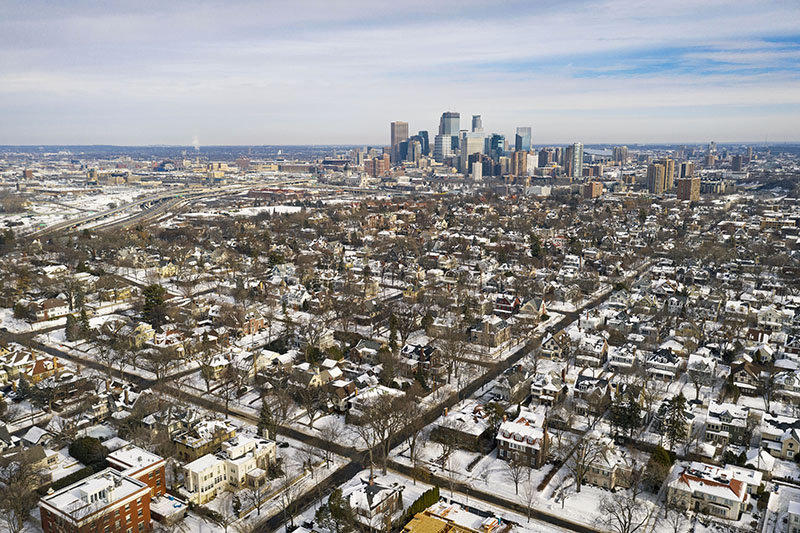
    Facts about Minnesota’s real estate market set it apart from other states in more ways than one. Known for its vibrant culture, diverse landscapes, and robust economy, Minnesota’s property scene offers a mix of urban sophistication and rural charm.

    Surprising facts about Minnesota’s real estate reveal a market of contrasts. From bustling urban centers like Minneapolis to serene lakeside properties, Minnesota offers a diverse range of housing options.

    Fun and Cool Aspects of Minnesota Living

    Fun facts about Minnesota’s lifestyle underscore the cool aspects of living in this state. The access to numerous lakes, parks, and cultural landmarks contributes to a unique living experience.

    Jaw-Dropping Developments: Recent Changes in the Market

    Jaw-dropping facts highlight the recent developments in Minnesota’s real estate. The market has witnessed significant shifts due to factors like technological advancements and demographic changes.

    The Real Story: Understanding Market Dynamics Facts

    Real facts about Minnesota’s market dynamics show a complex and evolving landscape. Factors such as economic growth, employment rates, and climate impact real estate trends in unique ways.

    Mind-Blowing Statistics: What Sets Minnesota Apart

    Mind-blowing facts about Minnesota’s real estate statistics reveal how the state stands out. From impressive growth rates to unique architectural styles, Minnesota’s market is full of surprises.

    A Stroll Through History: How Minnesota’s Real Estate Evolved

    The history of Minnesota’s real estate is as impressive as its current state. Tracing back to its early days, we see a transformation influenced by cultural, economic, and social factors.

    What Has Changed: The Evolving Face of Minnesota’s Properties

    What has changed in Minnesota’s real estate over the years is not just about the structures but also about the people and their preferences. This evolution is reflected in the changing skylines and community layouts.

    Conclusion: Embracing the Unique Charms of Minnesota’s Real Estate Facts

    In conclusion, the facts about Minnesota’s real estate paint a picture of a state that is not only rich in history and culture but also dynamic and forward-looking. Its unique blend of urban and rural, traditional and modern, makes it a fascinating place to call home.

  • The Most Dangerous Cities in Minnesota

    The Most Dangerous Cities in Minnesota

    Minnesota, popularly known as the “Land of 10,000 Lakes”, is known for its breathtaking landscapes, numerous lakes, friendly communities, and thriving job market. However, like any state, Minnesota has its fair share of cities where crime rates are higher than others, making them potentially more dangerous. If you’re considering purchasing real estate in Minnesota or are just curious about the state’s riskier cities, read on to gain some insights.

    Minneapolis

    Minneapolis, the largest city in the state, is a major hub for arts, culture, and commerce. However, its crime rate has been a point of concern over the years, making some areas potentially dangerous. In some years, Minneapolis has experienced higher rates of violent crime compared to other U.S. cities of similar size. The property crime rates, including burglary and vehicle theft, are also notable.

    Real Estate Perspective: While there are pockets of crime, Minneapolis also boasts upscale neighborhoods like Lowry Hill and Kenwood. Real estate in the city offers a wide variety, from luxury condos to affordable starter homes. It’s essential to research neighborhoods and work with a local realtor who understands the intricacies of the market.

    St. Paul

    The state’s capital and the twin city to Minneapolis, St. Paul has faced challenges related to crime, making certain areas potentially dangerous, particularly in specific districts. Areas like the North End and the East Side have traditionally seen higher crime rates.

    Real Estate Perspective: St. Paul has a rich history, and many neighborhoods like Summit Hill and Macalester-Groveland are highly sought after. However, due to crime concerns in certain areas, potential homeowners might find properties at a more affordable rate compared to safer neighborhoods.

    Duluth

    Located on the shores of Lake Superior, Duluth has faced issues primarily related to property crimes, making it a potentially dangerous area in terms of theft. In recent years, there have been spikes in burglaries, thefts, and car break-ins.

    Real Estate Perspective: Duluth is known for its natural beauty and historic architecture. Properties overlooking the lake are in high demand. Investors and potential homeowners can find value in this market, but they should be wary of areas with higher crime rates.

    Brooklyn Center

    A suburb of Minneapolis, Brooklyn Center has witnessed crime rates that are higher than the national average in the past. This includes both violent crimes and property crimes.

    Real Estate Perspective: Despite its challenges, Brooklyn Center offers convenient access to downtown Minneapolis and boasts numerous parks and recreational facilities.

    Bemidji

    This city, known as a gateway to the Mississippi’s headwaters, has had a notable crime rate, making some areas potentially dangerous, particularly concerning assaults and thefts.

    Real Estate Perspective: Bemidji offers a mix of lakeside properties and urban real estate. As always, careful research and understanding of local crime data can guide potential investors and homeowners in making informed decisions.

    Conclusion:

    When considering real estate in any city, not just those in Minnesota with higher crime rates, it’s essential to do thorough research to avoid potentially dangerous areas. Look at crime statistics, talk to local police departments, and engage with community members. It’s worth noting that even within cities with elevated crime rates, there are always pockets or neighborhoods that are safer and offer a higher quality of life. When considering an investment or a home purchase, one must weigh the risks against the potential benefits and opportunities a city might offer.

  • The Impact of Rising Property Taxes on Minnesota’s Home Affordability Crisis

    The Impact of Rising Property Taxes on Minnesota’s Home Affordability Crisis

    Navigating the complexities of the housing market can be a daunting task, especially when considering the impact of property taxes on the overall affordability of homeownership. As prospective buyers look to the vibrant and diverse state of Minnesota, understanding the nuances of the market becomes crucial.

    Known for its scenic landscapes and dynamic communities, the North Star State offers a wide range of living options, from bustling city life to serene rural retreats. However, the housing market’s health is not only gauged by home values but also by the property taxes that come with homeownership. These tariffs, often a reflection of the community and services provided, can significantly affect a buyer’s decision-making process.

    Rising Home Values and Property Taxes in Minnesota: Navigating the Double-Edged Sword of a Growing Housing Market

    The latest data from Zillow indicates that the average home value in Minnesota has reached $316,980, marking a 2% increase from the previous year. This upward trend in home values is a double-edged sword; while it reflects a healthy, growing market, it also raises concerns about affordability, particularly when combined with the property taxes levied on these homes. Property taxes are a crucial aspect of the monthly mortgage payment, often escrowed to ease the financial burden on homeowners. Yet, they can be the deciding factor for many when choosing where to plant their roots in Minnesota.

    Minnesota’s Property Tax Puzzle: Understanding Regional Variations and Their Impact

    A tax website provides a deeper insight into this matter, revealing that counties in Minnesota collect an average of 1.05% of a property’s assessed fair market value as property tax per year. With the median property tax at $2,098.00 annually for homes worth the median value of $200,400, Minnesota stands out for its property tax policies. The spectrum of tax rates across the state is broad, with some counties levying much higher rates than others, significantly impacting the housing market and the decision of where to buy.

    The 10 Minnesota Counties with the Highest Property Taxes in 2024

    As the housing market continues to face the challenges of high prices, potential buyers are increasingly scrutinizing property taxes. Here’s a closer look at the 10 Minnesota counties where these taxes are most burdensome, potentially slowing the market due to higher costs of living:

    • Carver County: Leading the list with nearly $3,000/year on average, cities like Chaska, Waconia, and Victoria face the highest property taxes, reflecting the county’s affluent communities and quality public services.
    • Hennepin County: With an average property tax bill of $2,831/year, Minneapolis and its surrounding cities like Brooklyn Park and Bloomington demonstrate the cost of living in the state’s most populous county.
    • Scott County: Home to Shakopee, Jordan, and Prior Lake, where the property taxes average about $2,828 per year, indicating the area’s growing appeal and development.
    • Washington County: Offering picturesque communities such as Stillwater and Woodbury, the average property tax here is $2,553 yearly, showcasing the balance between quality of life and financial consideration.
    • Chisago County: With $2,511 per year on average for areas like North Branch and Taylors Falls, the county balances rural charm with the fiscal realities of homeownership.
    • Ramsey County: A mix of urban and suburban, places like Shoreview, Maplewood, and St. Paul see an average property tax of $2,345 per year, reflecting diverse living options and community investments.
    • Dakota County: Known for cities like Eagan and Lakeville, the average property tax is $2,482 per year, a figure that underscores the county’s desirability and comprehensive amenities.
    • Anoka County: Hosting communities such as Anoka and Coon Rapids, where the average property tax bill is $2,243/year, demonstrating the cost associated with suburban living near the Twin Cities.
    • Sherburne County: With an average of $2,184 per year in places like Elk River and Big Lake, reflecting the balance between rural expansiveness and access to metropolitan areas.
    • Wright County: Cities like Monticello and Buffalo come with an average property tax of $2,080 per year, offering a glimpse into the suburban life outside Minneapolis.

    Conclusion

    In a housing market challenged by high prices, such as Minnesota’s, understanding the intricacies of property taxes is paramount for prospective homeowners. The state’s diverse counties offer a wide range of living experiences but also come with varying levels of property tax burdens.

    This detailed overview not only sheds light on the counties with the highest taxes but also emphasizes the importance of comprehensive financial planning when navigating the housing market. Prospective buyers are encouraged to consider these factors meticulously, as they significantly influence the true cost of homeownership in the beautiful North Star State.

  • The Impact of Wind Power on Real Estate: A Case Study of Minnesota

    The Impact of Wind Power on Real Estate: A Case Study of Minnesota

    When it comes to renewable energy sources, wind power is at the forefront of the revolution. Wind turbines, a common sight on the landscapes of places like Minnesota, stand as symbols of this shift towards sustainable energy. But what does the growing presence of these wind turbines mean for property owners and the real estate market? This article aims to explore the interaction between wind power, specifically wind turbines, and real estate.
    The Role of Wind Energy in Minnesota

    Minnesota has been a trailblazer in embracing wind energy, with numerous wind farms spread across the state. According to the American Clean Power Association, Minnesota ranked seventh nationwide for installed wind power capacity as of 2021. The state’s landscape and climate make it ideal for harnessing wind power, an asset that hasn’t been overlooked.

    Impact of Wind Farms on Property Value

    There is ongoing research regarding the effects of wind turbines on nearby property values. Initial concerns focused on potential noise and aesthetic impacts, which were hypothesized to lead to reduced property values. However, several comprehensive studies, including one published in the Journal of Real Estate Research, have found no significant impact on property values due to proximity to wind turbines.

    The Benefits to Property Owners: Leasing Private Land for Wind Energy

    One way property owners can benefit from the renewable energy trend is by leasing their land to energy companies for wind turbine installation. These arrangements often result in a stable income stream for landowners, boosting the overall value of their property. In addition, many communities see a rise in tax revenue from wind power projects, which can fund local services and infrastructure improvements, indirectly benefiting local real estate.

    Wind Power vs. Solar: What’s the Impact on Real Estate?

    While wind power has been a significant player in Minnesota’s renewable energy scene, solar power is also making strides. For property owners, installing solar panels can increase property value due to the promise of reduced electricity costs. As for larger solar farms, the impact on nearby property values is still under scrutiny, similar to wind farms. As both solar and wind power continue to grow, further research will illuminate their respective effects on the real estate market.

    Conclusion: The Future of Wind Power and Real Estate

    The intersection of wind power and real estate is a developing frontier in the move toward sustainable living and renewable energy. For property owners in places like Minnesota, the rise of wind turbines on the horizon can be a sign of a promising future. As wind energy continues to evolve and grow, its influence on real estate will undoubtedly remain a fascinating topic of study.

    Wind power, symbolized by the ever-increasing presence of wind turbines on our landscapes, is reshaping the way we think about energy, land use, and real estate. It’s a relationship that property owners, real estate professionals, and energy companies will continue to navigate in the years to come.

  • Duluth’s Housing Crisis Meets Its Match with Incline Village

    Duluth’s Housing Crisis Meets Its Match with Incline Village

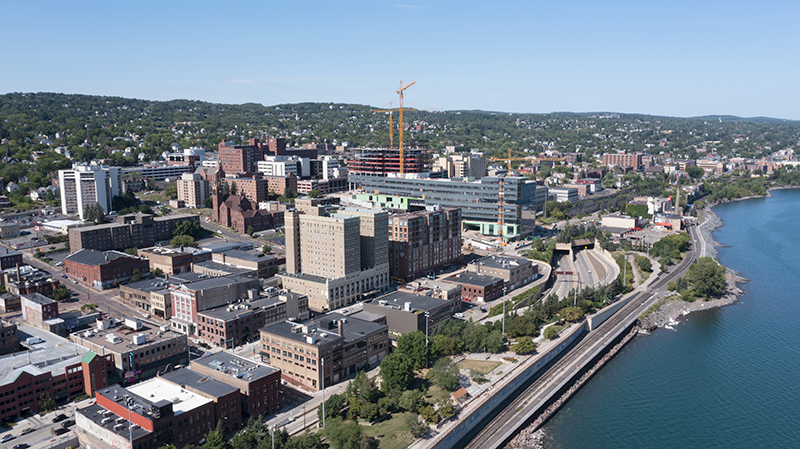
    Duluth is gearing up for a major housing project called Incline Village. This new development will be the largest in the city’s history, with plans to build 1,300 market-rate apartments and condos. The site chosen for this project is special because it overlooks Lake Superior and used to be where Central High School stood. Construction is set to begin this summer, and when it’s done, it will offer amazing views and much-needed housing.
    Duluth’s Housing Needs Are Growing

    In 2019, the city of Duluth commissioned a study to understand how many new homes were needed. The study revealed that between 2019 and 2024, the city would need to build 3,600 affordable housing units to keep up with demand. But affordable housing isn’t the only need. Since 2019, the city has added 1,183 housing units of all types, but it’s still not enough. According to Noah Hobbs, who works for One Roof Community Housing, Duluth is still far behind. Even though Incline Village will help by adding 1,300 new homes, they will be built slowly over seven to ten years.

    A Surprising Housing Shortage

    It might surprise some people that Duluth has a housing shortage, especially since the population hasn’t grown much. In fact, between 2000 and 2020, the city’s population only changed by 110 people. But there’s a shift happening in the age of the population. There are fewer young people under 19, while the number of people aged 20 to 34 is increasing. These are the ages when many people start looking to buy homes. Because of this, Duluth needs more housing now than it did in 2000. And while some homes were lost due to a hospital expansion, there hasn’t been a significant decrease in overall housing because of demolition.

    Challenges in Building New Homes

    Building new homes in Duluth isn’t easy. Two big challenges are the high interest rates and rising construction costs. This is a problem across the country, not just in Duluth. But Duluth faces some unique issues. The city doesn’t have many large general contractors, and there isn’t much land available for new housing. This makes it difficult to build enough single-family homes to solve the housing shortage. According to Hobbs, Duluth also lacks the multifamily housing options that other cities in the region have.

    Financial Help for Builders

    To encourage more housing development, Duluth is offering financial incentives to builders. For the Incline Village project, the city council approved a $25.8 million subsidy to help get the project started. There’s also a possibility that the project will receive tax-increment financing in the future. However, to build even more housing projects, Duluth will likely need to provide additional financial support.

    This project is a big step for Duluth, but there’s still a lot of work to do to meet the city’s growing housing needs.

  • Spark Your Minneapolis Home: Expert Tips on Hiring the Perfect Electrician

    Spark Your Minneapolis Home: Expert Tips on Hiring the Perfect Electrician

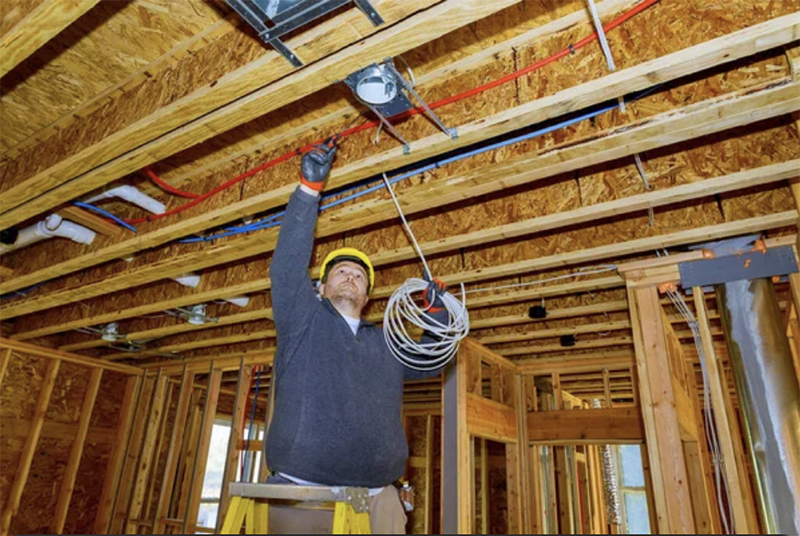
    In the dynamic world of real estate, understanding the intricacies of hiring an electrician in Minneapolis, MN, is crucial for both homeowners and business proprietors. The process extends beyond a mere Google search; it requires an informed approach, considering various factors from qualifications to cost implications.
    Qualifications to Look For

    When scouting for an electrician, the foremost criterion is their qualifications. A licensed electrician assures that they have met the state’s educational and practical requirements. Additionally, certifications from reputable organizations, such as the National Electrical Contractors Association (NECA), serve as a testament to their expertise.

    Choosing the Right Electrician

    The journey to choosing the right electrician involves more than verifying qualifications. Residential, commercial, and maintenance electrical workers each specialize in different areas. For instance, a residential electrician is adept at handling home electrical systems, whereas a commercial electrician specializes in larger projects such as office buildings or shopping centers. Maintenance electricians, on the other hand, focus on repairing and maintaining existing electrical systems.

    Cost Considerations

    Cost is a pivotal factor in the decision-making process. The cost of hiring an electrician in Minneapolis varies depending on the complexity of the job and the electrical worker’s level of expertise. Generally, residential services tend to be less costly compared to commercial projects due to the scale and complexity involved.

    Timeframe

    The duration of electrical work can range from a few hours for minor repairs to several weeks for extensive projects. It’s important to discuss the expected timeline with your electrician upfront to align your schedules and avoid potential inconveniences.

    Trustworthiness and Reviews

    In today’s digital age, online reviews are a goldmine of information. They offer insights into an electrician’s reliability, work ethic, and customer service. A trustworthy electric worker not only provides quality services but also maintains transparency and effective communication throughout the project.

    The Importance of Permits and Insurance

    Hiring an electrician who is insured and knowledgeable about the necessary permits is non-negotiable. This not only ensures compliance with local regulations but also protects you from liability in case of accidents or damage during the work.

    Free Estimates: A Common Offering

    Many electricians offer free estimates, providing you with a ballpark figure of the costs involved. This is an excellent opportunity to gauge the affordability and to compare quotes from different electrical workers.

    In conclusion, hiring the right electrician in Minneapolis requires a balanced approach, considering qualifications, specialization, cost, timeframe, trustworthiness, and legal compliance. By doing your homework and engaging in thorough discussions with potential electrical workers, you can ensure that your electrical needs are met with professionalism and expertise.

  • The Minnesota Twin Cities Housing Market: A Long-Expected Respite After A Whirlwind Of Activity

    The Minnesota Twin Cities Housing Market: A Long-Expected Respite After A Whirlwind Of Activity

    As the adage goes, “What goes up must come down,” and it appears the Minnesota Twin Cities housing market is no exception to this rule. After several consecutive years of scorching pace and seemingly limitless growth, the Twin Cities housing market is beginning to cool off, offering a much-needed breather to prospective buyers who have been battling skyrocketing prices and fierce competition.

    During the past five years, MinneapolisSt. Paul was riding an unprecedented wave of growth. Buyers, spurred by historically low interest rates and a trend of urban migration, flooded the market, triggering bidding wars that catapulted prices into the stratosphere. But, as we venture into the third quarter of 2023, we’re seeing early indications of a slowdown, shifting the market dynamics from what was largely a seller’s market towards a more balanced terrain.

    Market Dynamics: Cooling Yet Healthy

    According to the Minneapolis Area Realtors Association, the median sales price, which soared by an astonishing 10% in 2022, has seen an incremental increase of just 1.5% through July 2023. Though this isn’t a drop in prices, the deceleration suggests that the market is moving toward normalization. This price stabilization is good news for buyers who were previously priced out of the market.

    Moreover, the inventory level, which had been lagging due to the onslaught of demand, is starting to rebound. Sellers who had been hesitant to list their properties amidst the uncertainty of the pandemic are feeling more confident, contributing to an increase in supply. While we are still far from the 6-month supply that characterizes a balanced market, the gap is gradually narrowing.

    Interest Rates and Affordable Housing

    Low interest rates have been a key driver in the previous boom. As we know, the Federal Reserve started hiking rates in 2023 in an attempt to combat inflation. This move has seen mortgage rates creep up from their record lows, which, to some extent, is impacting affordability and reducing the pool of potential buyers.

    However, despite the increase, interest rates remain at historically manageable levels. Coupled with the slowing price appreciation, buyers may find that homeownership is inching back within their reach.

    The Effect on Different Housing Segments

    The high-end market, which was the first to heat up, seems to be the first to cool off. Luxury properties are staying longer on the market, and price cuts, which were virtually non-existent during the past years, are becoming more common.

    On the other hand, the entry-level market remains competitive but less frenzied. With prices stabilizing and a slight increase in inventory, first-time buyers may find more opportunities than they have seen in recent years.

    Outlook for the Future

    It’s crucial to note that a cooling market is not synonymous with a crash. The underlying fundamentals of the Twin Cities housing market – a strong economy, low unemployment, and a desirable quality of life – remain robust.

    The shift we’re seeing is a natural market adjustment following an extraordinarily hot period. As we move forward, we expect to see a more balanced market, with moderate price growth and a healthier level of inventory. For prospective buyers who have been sidelined, this could be the window of opportunity they’ve been waiting for.

    In conclusion, while the Minnesota Twin Cities housing market is showing signs of cooling off after several hectic years, it remains a dynamic and promising landscape. Those armed with accurate information and a well-planned strategy will be well-positioned to navigate the shifting tides of this vibrant real estate market.

  • How the NAR Settlement Changes Real Estate Commissions in Minneapolis 2024

    How the NAR Settlement Changes Real Estate Commissions in Minneapolis 2024

    When news broke about the National Association of Realtors (NAR) settlement, many home sellers called their real estate agents wondering: Am I off the hook to pay you? This article will delve into what this settlement means for home sellers, breaking down its impact in simple terms.

    Why It Matters

    Traditionally, home sellers have been responsible for paying a 5-6% commission fee, which is then split between the buying and selling agents. This means that if you sell a house for $300,000, you could be looking at paying $15,000 to $18,000 in commissions. The NAR settlement, however, is shaking things up. According to the settlement, while sellers can still offer to pay both broker fees, buyers should now be compensating their brokers.

    The Impact on Buyers and Sellers

    This change brings a significant shift in how commissions are handled. Some home buyers, especially first-time buyers, might hesitate to pay a broker fee on top of a down payment and other costs. Real estate agents, like Joey Oslund from the Twin Cities, suggest that offering to cover the buyer’s broker fee could help close a deal. However, many sellers, who are also often buyers, may not be willing to add this expense, preferring to save their money for their next home purchase.

    Steve Brobeck from the Consumer Federation of America recommends that sellers offer no more than 2% of the home’s sale price in concessions. Buyers can then decide to use those funds to pay their agent or cover the cost themselves.

    The Reality Check

    A 2023 NAR report revealed that 15% of consumers were unaware they could negotiate the commission. This percentage doubles to 31% among younger buyers, ages 24-32. Some real estate companies have already moved away from traditional commission structures. For example, Kris Lindahl Real Estate in the Twin Cities has eliminated agent fees, while others, like Home Avenue in Golden Valley, charge a flat fee.

    By August 17, the databases brokers use will no longer include offers of compensation, signaling a significant change in the industry. According to Brobeck, this shift will occur gradually and unevenly, leading to a lot of confusion.

    The Cost of Selling a Home

    Selling a house involves various costs, with commissions often being the largest expense. According to a survey conducted in May 2024, the median expenses for selling a home include:

    • Seller’s agent commission: $11,136
    • Buyer’s agent commission: $10,467
    • Repairs: $10,000
    • Closing costs: $8,000
    • Buyer concessions: $7,200
    • Moving costs: $3,300
    • Marketing costs: $2,300
    • Staging costs: $2,300

    What’s Next for Sellers?

    The big picture here is that selling a house is expensive, and commissions are typically the largest cost. Brobeck anticipates that the NAR settlement will drive commissions closer to 4% of the home sale price. Additionally, closing costs, which average about 3% of a home’s purchase price in Minnesota, will continue to affect a seller’s profits.

    The bottom line is that the NAR settlement opens the door for sellers to potentially keep more profit from their home sales, but it also introduces new challenges and uncertainties in the real estate market.

  • Minnesota and Twin Cities Metro See 20% Surge in June Home Listings

    Minnesota and Twin Cities Metro See 20% Surge in June Home Listings

    In June, both the state of Minnesota and the Twin Cities metro experienced a notable 20% increase in home listings. This surge has subsequently led to a modest uptick in buyer activity, as detailed in recent reports from state and local Realtors associations. This rise in listings has significantly impacted inventory levels across the state and metro areas.

    Impact on Inventory Levels

    The increase in home listings has boosted inventory levels throughout Minnesota to just over 12,400 homes, translating to about 2.2 months of supply, according to a report from Minnesota Realtors. In the Twin Cities metro area, the joint report by the Minneapolis Area Realtors and St. Paul Area Association of Realtors indicates an inventory of just above 7,700 units, or approximately 2 months of supply. This increase signals the arrival of the spring market but does not necessarily mean a drop in home prices.

    Market Prices and Influences

    Despite the increase in inventory, the cost of buying homes has continued to rise. The median sale price in the Twin Cities metro saw a 4.1% increase, climbing from $369,900 last year to $385,250. Statewide, the median price for a home rose 4.5%, from $335,000 to $350,000. According to Minnesota Realtor President Geri Theis, the reasons for rising prices include a slight dip in interest rates and persistently low inventory levels, compelling buyers to make higher bids to secure homes. This anticipates that prices may not increase as rapidly, depending on various market factors.

    Regional Inventory and Market Balance

    In some parts of Greater Minnesota, inventory levels are approaching a balanced market, characterized by four to six months of supply. For example, the West Central Region has 3.7 months of inventory, the Upper Minnesota Valley Region has 3.4 months, and the Northwest Region has 4.1 months. In contrast, the Twin Cities metro requires around 20,000 active listings to achieve a balanced market. According to MAR President Jamar Hardy, although the market is undersupplied, creating an advantage for sellers, both buyers and sellers can still meet their needs, even if not all their wants are fulfilled.

    Sales Trends in Twin Cities Metro

    Single-family home prices in the Twin Cities metro average around $425,000, while condos and townhomes are priced at approximately $217,000 and $312,000, respectively. Notably, condo sales in the region have surged by 25.5% compared to last year, with single-family homes and townhomes also seeing increases of 9.3% and 1.2%, respectively. This trend highlights the dynamic nature of the Twin Cities real estate market, influenced by various factors and continually evolving buyer preferences.

  • Scams in Minnesota Real Estate: A Growing Concern in Major Cities

    Scams in Minnesota Real Estate: A Growing Concern in Major Cities

    In Minnesota, real estate scams have become a sophisticated plague, affecting unsuspecting individuals across its largest cities including Minneapolis, Saint Paul, Rochester, Bloomington, and Duluth. From deed scams to foreclosure relief schemes, fraudsters are employing increasingly cunning tactics to defraud property buyers, sellers, and owners.

    Deed Scams: A Persistent Threat

    Deed scams often involve fraudsters tricking property owners into signing documents that transfer property ownership. These scams may appear as legitimate legal or government correspondence, urging immediate action. Victims in Minneapolis have reported instances where they were misled into transferring property deeds, believing they were merely updating records.

    Title and Mortgage Scams: Double Trouble

    Title scams involve the illegal use of property information, where scammers forge ownership to secure loans or sell properties. Meanwhile, mortgage scams in Saint Paul and Rochester see perpetrators targeting homeowners struggling with mortgage payments, offering fake refinancing deals that lead to large financial losses.

    Wire and Escrow Scams: The Digital Deception

    Wire scams, particularly rampant in Bloomington, involve redirecting payment transfers intended for real estate transactions to fraudulent accounts. Similarly, escrow scams deceive buyers into depositing funds into fake escrow services, often set up by scammers posing as real estate agents or attorneys.

    Craigslist Real Estate and Fake Realtor Scams: Buyer Beware

    Craigslist and other online platforms have become hotspots for real estate scams in Duluth, where fake listings and non-existent rentals are commonplace. Scammers posing as realtors or landlords often request upfront payments or personal information, leading to financial loss and identity theft.

    Foreclosure Relief Scams: Preying on Desperation

    In the face of foreclosure, many homeowners in Minnesota’s major cities are vulnerable to scams offering fake legal assistance or financial aid to stop the foreclosure process. These scams promise relief but often leave the victims in worse financial situations, stripping them of fees or even their homes under deceitful pretenses.

    Conclusion: Staying Vigilant Against Scams

    The Minnesota real estate market, while thriving, is fraught with various scams that can potentially devastate individuals financially and emotionally. Awareness and education are key in combating these fraudulent activities. Prospective buyers, sellers, and homeowners are urged to verify all information, work with reputable professionals, and report suspicious activities to the authorities.

    By highlighting the common scams prevalent in Minnesota’s largest cities, this article aims to arm residents with the knowledge to protect themselves and navigate the real estate market safely.

  • Short Sales 101: Understanding Your Rights and Responsibilities in Minnesota

    Short Sales 101: Understanding Your Rights and Responsibilities in Minnesota

    Short sales in real estate are a significant aspect of the housing market, particularly in times of economic downturn or when homeowners find themselves unable to meet their mortgage obligations. In Minnesota, understanding the intricacies of short sales is crucial for buyers, sellers, and real estate professionals. This article delves into the process, implications, and trends of short sales across Minnesota’s largest cities, including Minneapolis, Saint Paul, Rochester, Bloomington, and Duluth.

    What is a Short Sale?

    A short sale occurs when a homeowner sells a property for less than the amount owed on the mortgage, and the lien holder (typically a bank) must approve the sale. Homeowners often pursue this option when facing foreclosure as a way to mitigate financial damage. It is crucial to understand that in a short sale, the lien holder’s role is central, as they are the ones to accept the reduced payoff to release the lien on the property.

    The Role of Mortgage Loans and Lien Holders

    In the context of a short sale, the homeowner’s mortgage loan is a key element. When a property is bought, a mortgage loan is typically used to finance the purchase, and the lender becomes the lien holder. In a short sale scenario, the property’s sale price may not cover the full amount due on the mortgage, requiring the lien holder’s agreement to accept a lower amount. This makes the lien holder’s participation essential in the process.

    Navigating Short Sales in Minneapolis and Saint Paul

    Minneapolis and Saint Paul, as the twin hubs of urban and economic activity in Minnesota, see a varied range of real estate transactions, including short sales. Navigating a short sale in these cities requires understanding local market conditions and legal frameworks. Real estate agents with expertise in short sales can provide invaluable assistance, helping sellers negotiate with lien holders and aiding buyers in finding potential short sale properties.

    The Impact on Property Values in Rochester and Bloomington

    The occurrence of short sales can have a localized impact on property values, particularly in cities like Rochester and Bloomington. When multiple properties within a community are sold through short sales, it might temporarily depress property values. However, for buyers, this can present opportunities to enter the housing market at a lower point, potentially increasing long-term profit as the market recovers.

    Short Sales in Duluth: Challenges and Opportunities

    In Duluth, as in other parts of Minnesota, the challenges of short sales often revolve around the time-consuming and complex negotiation processes with lien holders. However, these challenges also bring opportunities. For buyers, particularly those not under time constraints to purchase, short sales can offer a chance to make a profitable investment, as sellers often list properties below market value.

    Future Trends in Minnesota’s Short Sale Market

    Looking ahead, broader economic conditions, mortgage rates, and foreclosure rates will likely influence the trend in short sales in Minnesota. As the market adjusts to post-pandemic economic realities, we may observe potential increases in short sales if homeowners continue to struggle with their mortgage obligations.

    In conclusion, short sales remain a critical element of Minnesota’s real estate landscape, offering unique challenges and opportunities to all parties involved. Whether in the bustling streets of Minneapolis or the scenic views of Duluth, understanding the dynamics of short sales is essential for anyone looking to navigate this complex market.

  • Exploring the Smallest Cities in Minnesota: A Real Estate Perspective

    Exploring the Smallest Cities in Minnesota: A Real Estate Perspective

    Minnesota, the “Land of 10,000 Lakes,” is a state teeming with natural beauty, vast landscapes, and dynamic urban centers. Yet, nestled amidst the more well-known hubs like Minneapolis and Saint Paul are a number of small cities that charm their residents and visitors alike. From a real estate perspective, these tiny towns offer unique opportunities and challenges. Let’s take a closer look at the smallest cities in Minnesota and what they have to offer.

    The Allure of Small Cities

    Why would anyone be interested in these smaller locales when there are bustling urban centers nearby? Well, the benefits are manifold:

    Peace and Tranquility: One of the primary appeals of smaller cities is the quieter, more relaxed pace of life they offer.
    Lower Costs: Real estate and cost of living can be considerably less expensive compared to urban areas.
    Close-knit Communities: Small towns foster tight-knit communities where everyone knows each other, promoting a sense of belonging and security.

    A Peek into Some of the Smallest Cities in Minnesota

    A. Whalan: A gem in southeastern Minnesota, Whalan is known for the scenic Root River and the popular Root River State Trail. Housing here provides a mix of historic homes and newer constructions. Its low population and serene setting make it a great location for those looking for solitude.

    B. Funkley: As one of the tiniest cities in the state, Funkley boasts a population that can be counted on two hands. With limited real estate transactions and listings, buying property here is about seizing opportunity when it arises.

    C. Tenney: With a charming history as one of the smallest incorporated cities, Tenney offers vast stretches of land and a sense of timeless tranquility. It’s a city where everyone truly knows everyone else.

    Real Estate Opportunities and Challenges

    Affordability: Real estate in smaller cities often comes at a fraction of the cost when compared to more populous areas.
    Potential for Growth: As urban centers become crowded, many people are seeking out quieter locales, leading to potential appreciation in property values in these areas.
    Unique Properties: From historic homes to large plots of land, small cities offer a range of unique real estate options.

    Limited Amenities: Smaller towns might not offer the same conveniences or amenities as their larger counterparts. It’s important to ensure that essential services are easily accessible.
    Lower Liquidity: The real estate market in tiny towns can be less liquid. Selling property might take longer than in more populous areas.

    Making the Move: Things to Consider

    If you’re considering making a move to one of Minnesota’s smallest cities, here are a few things to keep in mind:

    Research the Area: Spend time in the city, talk to locals, and understand the community’s dynamics.
    Check Infrastructure: Ensure that basic infrastructures like healthcare, schools, and transportation are up to your requirements.
    Seek Local Expertise: A local real estate agent can provide insights about the city, market trends, and potential future developments.

    Conclusion

    The smallest cities in Minnesota offer a refreshing contrast to the state’s bustling urban hubs. They present unique opportunities for real estate investment, with the promise of peace, community, and the timeless charm of small-town life. However, as with any real estate endeavor, thorough research, due diligence, and a deep understanding of the locality are essential. With the right approach, these tiny jewels of Minnesota can become the perfect place to call home or a smart, long-term investment.