Blog

  • Unclaimed Property in Minnesota: A Comprehensive Real Estate Guide

    Unclaimed Property in Minnesota: A Comprehensive Real Estate Guide

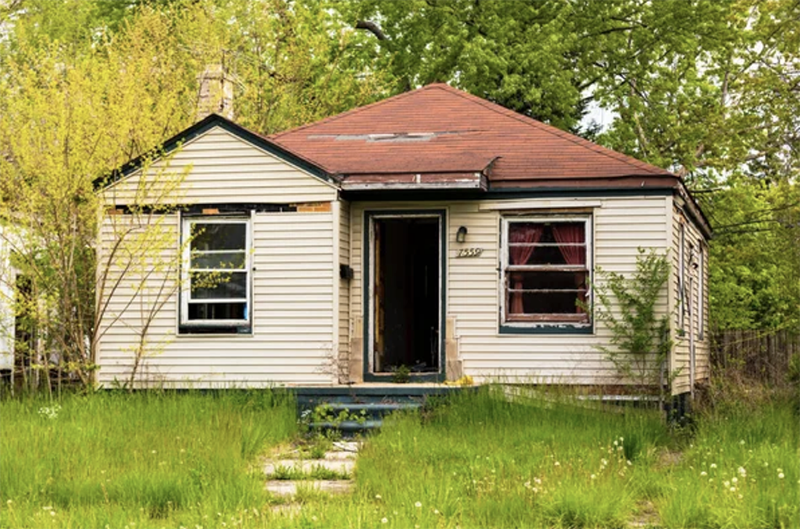
    Minnesota, the “Land of 10,000 Lakes,” is known for its vibrant cities and breathtaking landscapes. Yet, among its well-documented aspects, one less-known facet is the significant volume of unclaimed property—real estate assets, land, houses, and homes—awaiting rightful owners who have, for various reasons, lost contact or been unaware of their ownership.
    Understanding the Concept of Unclaimed Property in Minnesota

    Unclaimed property typically refers to financial assets that have not had any activity or contact with the owner for an extended period, often due to the owner forgetting about the asset or the company losing contact with the owner. In Minnesota, this concept extends to tangible assets like abandoned houses, lands, and other forms of real estate. These are governed by specific laws aimed at protecting the rights of the original owners and preventing scams.

    How to Check for Unclaimed Property in Minnesota

    To find out if you have unclaimed property in Minnesota, you can refer to the Property Records of Minnesota, an official state-run database. This database is accessible to the public and provides detailed information about all registered properties within the state, including those deemed unclaimed or abandoned.

    The Role of Auctions in Dealing with Abandoned Properties

    In instances where owners cannot be found, Minnesota law permits the state to auction unclaimed properties. The funds raised from these auctions are held by the state until claimed by the rightful owner. So, if your property has been auctioned, you can still reclaim the proceeds even if the actual property has been sold.

    Avoiding Scams in the Quest for Unclaimed Property

    Unfortunately, the unclaimed property sector is riddled with scams. Fraudsters often target rightful owners by promising to help them find their abandoned property for a fee. Remember, you can access the Property Records of Minnesota for free, and the process of claiming your property does not require payment. Be wary of any unsolicited communication or service that demands payment upfront.

    Minnesota’s Abandoned Property Laws

    Minnesota’s unclaimed property law requires businesses (holders) to annually report and deliver the property to the Department of Commerce after a specified period of inactivity. For real estate, this period can range from one to five years. If the property is deemed abandoned after this period, it enters the state’s abandoned property process.

    In Conclusion

    Owning a house or land in Minnesota can be a significant asset. Yet, many homeowners lose contact with their properties due to various reasons, turning valuable assets into unclaimed or even abandoned properties. However, the state of Minnesota provides mechanisms to reunite owners with their property or proceeds from their property if it has been sold. By understanding how to check for abandoned property, being aware of potential scams, and familiarizing yourself with Minnesota’s abandoned property laws, you can ensure that your assets remain yours.

  • Minnesota Legislature Considers Ban on Corporate Ownership of Single-Family Homes for Rentals

    Minnesota Legislature Considers Ban on Corporate Ownership of Single-Family Homes for Rentals

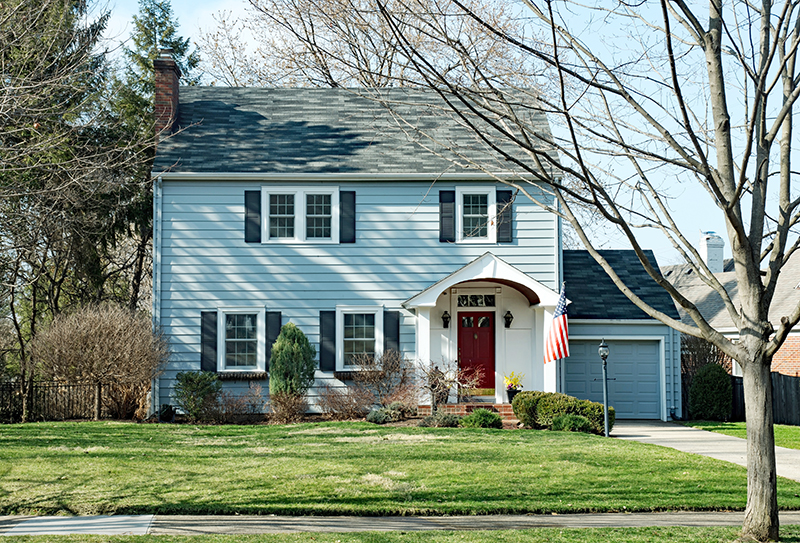
    If passed, this proposed ban would ensure that families have a fair chance to access affordable homes without being priced out by corporate investors. The Minnesota Legislature, which is controlled by Democrats, is considering a new bill that seeks to prohibit corporations, real estate developers, and residential building contractors from purchasing single-family homes to rent them out. This proposed ban is a brainchild of Representative Esther Agbaje, who is taking a proactive approach to combat the state’s affordable housing crisis.
    Proposed Legislation Aims to Alleviate Affordable Housing Crisis in Minnesota

    The Twin Cities metro and other areas in the state have witnessed a surge in housing prices, making it increasingly difficult for Minnesota families to find homes they can afford. Rep. Agbaje’s bill, if passed into law, would go a long way in alleviating the housing affordability problem.

    Under the legislation, the state attorney general’s office would be responsible for enforcing the ban. Any corporation caught flouting the law would have one year to divest from the property. Failure to sell the property within this timeframe would result in the foreclosure process, where the property would be sold in court.

    Ban Would Apply to Real Estate Developers and Residential Building Contractors

    Currently, the bill is under the scrutiny of the Judiciary Finance and Civil Law Committee. The committee is responsible for evaluating the financial impact of the proposed legislation and will decide whether to send it to the House floor for further discussion and voting.

    In conclusion, this proposed ban on corporate ownership of single-family homes for rental purposes is a much-needed step toward addressing the affordable housing crisis in Minnesota. If passed, it would prevent corporations from monopolizing the housing market, thereby giving families a fair chance to find homes they can afford.

  • 10 Cheapest Cities in Minnesota to Buy a Home With Minimum Down Payment

    10 Cheapest Cities in Minnesota to Buy a Home With Minimum Down Payment

    Minnesota the Land of 10,000 Lakes is a great state to purchase a house. Affordable and economical housing is not impossible if you look in the right place. Qualified buyers are able to buy their dream homes for a low cost with a minimum down payment of 3%. The North Star State offers great mortgage and downpayment loan programs for first-time homebuyers. Property Records of Minnesota created a 2022-23 list of the cheapest cities where you can buy a home.

    1. Montevideo, MN

    Montevideo is a small city in Minnesota in Chippewa County with one of the cheapest real estate in the state, with a population of over 5,290 residents as of 2022. The city has one of the largest populations of Norwegians outside of Norway. The average home price is about $147,000 for a two-bedroom which is 5.5% under the list price.

    2. Hibbing, MN

    Hibbing is a small town in Saint Louis County with a population of over 16,000 residents. The median home price of $145,000 gives homebuyers the opportunity to buy an affordable home with a low monthly payment. Hibbing is a great place to buy a low-priced home since the majority of houses have a good size front and backyard. This is a great town for couples who plan on starting a family in the future and plan on buying real estate for the cheapest price with good value.

    3. Kasson, MN

    Kasson is a small city located in the middle of Dodge County with an elevation of 1,253 and a population of over 6,930 residents as of 2021. This cozy city is a great and affordable city where most of the residents own their homes. Even though the city might be small it packs a great punch with activities for families like a historic museum, park, theatre, and restaurants. The median home price is $169,000 and up.

    4. Stewartville, MN

    Stewartville is a city 15 minutes away from Rochester, Minnesota with a growing population of over 6,750 residents. Located in Olmsted County the city offers great school districts, parks, restaurants, and upcoming housing developments and one of the cheapest real estate in the state. Stewartville gets all four seasons but it does get really cold in the wintertime. Just like Kasson, Stewartville has a median listing home price of $169,000 which is reasonably low-price.

    5. St. Paul Park, MN

    St. Paul Park is a small city in Washington County that was established in the late 1880s with a population of over 5,480 residents as of 2021. If you like parks this is the city for you. St. Paul Park has over 200 small and large parks. With a median home price of $165,000, St. Paul Park makes buying a house easy to afford.

    6. Owatonna, MN

    Owatonna is one of Minnesota’s cheapest cities to live in. Located in Steele County and an hour away from Minneapolis. The city has a population of over 26,390 residents as of 2021 with a 1,152′ elevation. Not only is the area ranked among the most livable small cities it’s also economical compared to other cities. The median listing home price is $281,000.

    7. St. Joseph, MN

    Saint Joseph is located in Stearns County and it offers residents a suburban feel with low crime. It is home to the College of Saint Benedict and a women’s University. Any time a neighborhood has a school in the neighborhood you will see an increase in property value sooner. St. Joseph has a population of over 6,930 residents as of 2021. The median income is an average of $25,400 and the median home price is $271,000.

    8. New Ulm, MN

    If you are looking for the cheapest real estate money can buy you are in the right place. New Ulm is located 1.5 hours away from Minneapolis with low-priced homes. The city has a great small-town feel but is not too far from the big city. New Ulm is the home of Martin Luther College, a private college that was established in 1995. With a population of over 14,090 residents, this city is affordable and safe for families of all sizes. The median house price is $168,500 according to Realtor.com. First-time homebuyers should take a look into buying affordable and economical homes in New Ulm, this city will help you save a few bucks.

    9. North Branch, MN

    North Branch, Minnesota is a city 40 minutes away from Minneapolis. In the past few years, home value has gone up making this city a great location to invest in. The median real estate price is $335,842 as of 2022 according to Zillow. Located in Chisago County on Interstate 35, North Branch, is a suburban area that recently was approved for twin-home and single-family residential development.

    10. International Falls, MN

    International Falls is located in Koochiching County right next to the Canadian border. The city goes by the nickname “Icebox of the Nation” due to having the lowest inter temperatures in the contiguous 48 states. The Couchiching Falls are a big reason why tourists go to International Falls. The main home price as of 2022 is $102,093. From cheap to cheapest International Falls has it all. Home prices keep increasing in this area due to somewhat high demand.

  • Top 10 Minneapolis Unique Attractions for Families

    Top 10 Minneapolis Unique Attractions for Families

    Minneapolis, MN is known for its city art scene, 11-acre Minneapolis Sculpture Garden, and Walker Art Center a multidisciplinary contemporary art museum. The golf scene is a major reason why people visit Minneapolis. The city is known as the city of 10,000 lakes which has the most lakes in any U.S. state. Families come to Minneapolis for outdoor activities like hiking, fishing, golfing, kayaking, and more.

    1. Target Field – 1 Twins Way, Minneapolis, MN 55403

    Target Field is a professional baseball stadium for the Major League Baseball Minnesota Twins that sits over 39,000 fans. The stadium is located in downtown Minneapolis in the historic warehouse district. The average game lasts about three hours that include $4.00 hotdogs and $8.50 domestic beers. Target Field is a great destination for people of all ages. Since the average temperature in April is in the high 50°Fs the stadium was built without a roof so fand can enjoy the sun.

    2. Mall of America – 60 E Broadway, Bloomington, MN 55425

    Mall of America opened in 1992, it welcomes more than 39 million visitors every year from all over the United States. The mall has over 520 retail stores, over 50 restaurants, an indoor theme park, and even an Aquarium. The suggested duration is more than 3 hours to view and experience the mall. Every Tuesday is Toddler Tuesday, this is a program that provides free entertainment for children.

    3. Minneapolis Sculpture Garden – 725 Vineland Pl, Minneapolis, MN 55403

    Minneapolis Sculpture Garden is an 11-acre free garden with sculptures all across the park. It is one of the largest sculpture urban gardens in the United States. The sculptures are moved and changed periodically to showcase different art. The most popular piece is the Spoonbridge and Cherry designed by husband and wife Claes Oldenburg and Coosje Van Bruggen.

    4. Minnehaha Falls

    Minnehaha Park is a historic landmark that became one of the first state parks that were purchased by the U.S. back in 1889. It was officially named Minnehaha Regional Park and lies within the Mississippi National River and Recreation Area. Due to low precipitation, has caused the falls to go dry in the past years.

    5. Nickelodeon Universe – 5000 Center Ct, Bloomington, MN 55425

    Nickelodeon Universe is located inside the Mall of America, it features entertainment for the entire family. The theme park was known as Knott’s Camp Snoopy and features rides like SpongeBob SquarePants Rock Bottom Plunge, Fairly Odd Coaster, BrainSurge, Shredder’s Mutant Masher, Paw Patrol: Adventure Bay, and much more.

    6. Guthrie Theater – 818 S 2nd St, Minneapolis, MN 55415

    Guthrie Theater is a performing arts center that was founded on May 7, 1963. The theater features 1 auditorium that seats 1,000 people, dining, public spaces, and alternate stages.

    7. Mill City Museum – 704 S 2nd St, Minneapolis, MN 55401

    Mill City Museum is a historical museum that focuses on hydropower from Saint Anthony Falls. The museum opened in mid-2003 next to Mill Ruins Park. Mill City Museum focuses on the history of Minneapolis. The museum features a unique feature that plays the voices of workers that worked in the Washburn A Mill. Local artists are featured periodically throughout the building.

    8. First Avenue – 701 N 1st Ave, Minneapolis, MN 55403

    First Avenue is two historic buildings that are now one big building in downtown Minneapolis, Minnesota. It hosts music guests and is a nightclub at night. The venue was made famous by the singer Prince after recorded one of his biggest hits in and around the building. Tours are available all year round and tickets start at $15 per person.

    9. The Museum of Russian Art – 5500 Stevens Ave, Minneapolis, MN 55419

    The Museum of Russian Art (TMORA) is a museum devoted entirely to Russian history and Russian art with the largest collection of Russian art in the World. TMORA is a nonprofit museum that lives off of donations and is located in downtown Minneapolis.

    10. Minneapolis Skyway System – Minneapolis, MN 55402

    Minneapolis Skyway System is a collection of footbridges that connect various buildings and retail stores together. The system is over 9.5 miles long and connects 80 city blocks. The main purpose of the system is to be used in the winter when it’s snowing but has now been a staple for the city and locals use it for their everyday commute.

  • How to Improve Your Credit Score for Buying a House in Minnesota

    How to Improve Your Credit Score for Buying a House in Minnesota

    Buying a home is a significant milestone that many Americans strive for, but it can be a challenging process for those with less-than-perfect credit scores. If you’re a new homeowner in Minnesota, it’s essential to understand how your FICO Score affects your ability to get a mortgage and what you can do to improve it.

    What is a Good Credit Score for Buying a House?

    A good credit score for buying a house depends on the type of loan you’re applying for. FHA-insured loans, which are backed by the Federal Housing Administration, allow borrowers with poor credit scores to qualify for a mortgage. A FICO Score of 580 or higher is required for a down payment of 3.5%. However, a score of 500-579 will require a 10% down payment.

    For VA loans, which are available to veterans and active-duty military members, there is no specific credit score requirement. However, most lenders prefer a FICO Score of at least 620. For fix-rate mortgages, conventional loans, and USDA loans, lenders typically require a credit score of at least 620. A credit score of 700 or higher is considered very good, and borrowers may qualify for lower interest rates and better loan terms.

    Can I Get a Mortgage with a Low FICO Score?

    Yes, it is possible to get a mortgage with a low credit score, but it may be challenging. Borrowers with poor or fair credit may need to pay higher interest rates or come up with a larger down payment to offset the risk to lenders. To improve your chances of getting a mortgage with a low FICO Score, you can consider applying for an FHA-insured loan or a VA loan, which are specifically designed to help borrowers with less-than-perfect credit.

    How Much Money Do You Need to Buy a House in MN?

    The amount of money you need to buy a house in Minnesota depends on several factors, such as the price of the home, your credit score, and the type of loan you’re applying for. Generally, most lenders require a down payment of at least 3% of the home’s purchase price, but some programs, such as VA loans and USDA loans, require no down payment.

    In addition to the down payment, you’ll need to factor in closing costs, which typically range from 2% to 5% of the purchase price. You’ll also need to have funds set aside for home inspections, appraisals, and any necessary repairs.

    Why Does Minnesota Have the Highest Credit Score?

    According to a recent report by Experian, Minnesota has the highest credit score in the nation, with an average score of 739. The state’s residents tend to have low credit card balances and a high percentage of on-time payments.

    What Does My Credit Score Need to Be to Buy a House FHA?

    As mentioned earlier, a credit score of 580 or higher is required for an FHA-insured loan with a 3.5% down payment. If your FICO Score falls between 500-579, you’ll need to make a 10% down payment to qualify for an FHA-insured loan.

    How Much of a Home Loan Can I Get with a 650 Credit Score?

    The amount of home loan you can get with a 650 FICO Score depends on several factors, such as your debt-to-income ratio and the type of loan you’re applying for. Generally, a credit score of 650 is considered fair, and you may be eligible for a conventional loan with a down payment of at least 5%.

    What Credit Score is Needed to Buy a 300k House?

    To buy a $300,000 house, you’ll need a credit score of at least 620 for most conventional loans. However, some lenders may require a higher FICO Score or a larger down payment to offset the risk of lending to borrowers with less-than-perfect credit.

    Is 700 a Good Credit Score to Buy a House?

    Yes, a credit score of 700 is considered very good and may make you eligible for lower interest rates and better loan terms. However, it’s important to remember that lenders also consider other factors, such as your debt-to-income ratio and employment history, when deciding whether to approve your mortgage application.

    How Can I Raise My Credit Score by 100 Points Overnight?

    Unfortunately, there is no way to raise your credit score by 100 points overnight. Improving your FICO Score is a gradual process that takes time and effort. However, there are several steps you can take to improve your credit score, such as paying your bills on time, keeping your credit card balances low, and checking your credit report regularly for errors.

    Debt-to-Income Ratio

    Your debt-to-income ratio is a crucial factor that lenders consider when deciding whether to approve your mortgage application. Your debt-to-income ratio is the amount of debt you owe compared to your income. Ideally, lenders prefer a debt-to-income ratio of 36% or less.

    Old Credit Account

    Having an old credit account can be beneficial for your credit score, as it demonstrates a long history of responsible credit use. However, if you’re not using an old credit account, you may want to consider closing it to avoid paying unnecessary fees.

    Pay for Delete

    Pay for delete is a negotiation strategy that allows you to request that a creditor remove a negative item from your credit report in exchange for payment. While pay-for-delete is not always successful, it’s worth considering if you have a negative item on your credit report that is preventing you from getting approved for a mortgage.

    Collections

    If you have a collection account on your credit report, it may lower your credit score and make it harder to get approved for a mortgage. However, you can take steps to resolve the collection account, such as paying off the debt or negotiating a payment plan with the creditor.

    Creditor

    A creditor is a person or entity that lends money or extends credit to a borrower. When you apply for a mortgage, lenders will consider your credit history and the relationships you have with your creditors to determine whether to approve your application.

    In conclusion, your FICO Score plays a crucial role in your ability to buy a house in Minnesota. By understanding the credit score requirements for different types of loans and taking steps to improve your credit, you can increase your chances of getting approved for a mortgage and achieving your dream of homeownership.

  • Analyzing Rochester’s Housing Market Trends and Neighborhoods

    Analyzing Rochester’s Housing Market Trends and Neighborhoods

    The Rochester MN housing market may not have caught up with Minnesota’s downstate economy, but recent developments show promising signs. While it is best not to compare Rochester with Minneapolis or St. Paul, the city has witnessed three consecutive years of appreciation rates, which have brought about some much-needed relief for homeowners.
    According to Zillow, home values are expected to increase by 2.3% over the next year. The median home price in Rochester is currently $128,100, and while the city’s appreciation rate may not match the national average, it is heading in the right direction.

    The recent appreciation rates have resulted in many Rochester homeowners having more equity now than at any point during the recession. This influx of equity could promote owners to sell, leading to an increase in inventory levels.

    The following figures illustrate the amount of equity gained relative to the year of a home’s purchase:

    • Homes purchased in the Rochester housing market one year ago have appreciated, on average, by $3,444. The national average was $12,731 over the same period.
    • Homes purchased in the Rochester housing market three years ago have appreciated, on average, by $14,561. The national average was $51,204 over the same period.
    • Homes purchased in the Rochester housing market five years ago have appreciated, on average, by $17,874. The national average was $48,225 over the same period.
    • Homes purchased in the Rochester housing market seven years ago have appreciated, on average, by $21,514. The national average was $1,750 over the same period.
    • Homes purchased in the Rochester housing market nine years ago have appreciated, on average, by $32,435. The national average increased by $5,043 over the same period.

    A property profile report, free owner search, or property owner finder can provide valuable insights into the Minneapolis housing market. While the city’s housing market may have a ways to go to catch up with the downstate economy, recent developments suggest that Rochester is on the right track.

    Exploring the Rochester Housing Market: An Analysis of Key Trends and Neighborhoods

    The Rochester housing market has been on a steady path of recovery, but it still has a way to go before it catches up with Minneapolis’s economy. Nevertheless, there are plenty of reasons for optimism. According to Zillow, the median home price in Rochester is $128,100, and the housing market has experienced appreciation rates for three consecutive years. The forecast for the next year also looks promising, with a projected 2.4% increase in home values. This report analyzes key trends in the Rochester housing market, including its job sector, new construction, affordability, and delinquencies. It also highlights some of the most popular neighborhoods in Rochester, as identified by Trulia.

    Job Sector and Growth

    Although Rochester’s job sector is better than the national average, it still has room to grow. The city has a lower unemployment rate than the national average, which is currently at 5.8%. In particular, Rochester’s unemployment rate is close to that of Kansas City. However, the city’s job growth rate is a cause for concern, as it has only demonstrated a job growth rate of 0.5% over the course of a year. At that rate, Rochester is nearly one-quarter of the national average, whereas local employment growth for the rest of the country is just under 2%. Despite this, the job sector has demonstrated an ability to keep the Rochester housing market afloat.

    New Construction

    The current state of the Rochester housing market has not promoted new housing developments. Construction appears to have bottomed out, falling 3.2% below the long-term national average. The distinct lack of new construction should limit new supply to the market. With fewer properties available for purchase, inventory will temper just enough for demand to catch up. However, foreclosures and short sales in the Rochester housing market will add more properties to the market than in previous years. The presence of distressed inventory should place downward pressure on median home prices.

    Delinquencies and Affordability

    More than 6% of homeowners in the United States are delinquent on mortgage payments. However, the Rochester housing market nearly doubles the national average, with about 13% of all homeowners in the Rochester area behind on payments. Despite the high delinquency rate, only 11% of Rochester homeowners are underwater, meaning that they owe more on their property than it is worth. Affordability in the Rochester housing market continues to drive demand, as the city is more affordable than most markets across the country. The average Rochester homeowner allocates only 6.4% of their monthly income towards mortgage payments, which is less than half of what the average homeowner typically allocates, at 16.1% of their monthly income.

    As with any major metro, individual neighborhoods in Rochester perform at different levels. Trulia’s research identified some of the most popular areas in Rochester, including Bloomington, Duluth, Brooklyn Park, Woodbury, and Lakeville. These neighborhoods have outperformed others on an annual and even weekly basis, making them attractive areas to buy a home.

    In conclusion, the Rochester housing market is on the right track. While there are challenges to be addressed, such as the city’s job growth rate and delinquency rate, the city’s affordability and steady appreciation rates are driving demand. Moreover, some neighborhoods in Rochester are performing better than others, creating opportunities for buyers and sellers alike. With a projected increase in home values over the next year, now may be a good time to explore the Rochester housing market further. Don’t forget to take advantage of free owner searches and property owner finder services to make your search easier.

    Historic Price Changes & Housing Affordability

    Kiplinger recently published a report that provides an affordability index of one to 10 for the 100 largest metropolitan areas in the United States. This index assesses how affordable housing is based on the percentage of annual income needed to purchase a median-priced home. A score of one indicates the most affordable location, while 10 represents the least affordable. The Rochester metropolitan real estate market has an affordability index of 3, making it one of the more affordable places to own a home. Since the previous real estate peak, home prices in Rochester have increased by 44.4%, and since the last market bottom, they have grown by 60.3%. Kiplinger predicts that housing prices in Rochester and throughout the United States will likely continue to rise due to surging demand.

    Rochester, MN’s Economy

    In terms of quality of life, Business Insider ranks Rochester among the top 30 cities to live in as the economy recovers. The report considered nine key quality-of-life metrics, including population density, education levels, housing affordability, and the ability to work from home. According to Forbes, the cost of living in Rochester is 11% below the national average.

    Niche.com gives Rochester an overall B grade, with high ratings for outdoor activities, commuting, and nightlife. U.S. News & World Report ranks Rochester among the best places to live and retire in the country, with friendly residents. Furthermore, 37% of Rochester’s population is aged between 20 and 49, a demographic that usually prefers to rent than to own a home. Rochester experiences a humid continental climate, with four distinct seasons and regular precipitation throughout the year. Commute times average slightly over 21 minutes, allowing for more time with friends and family. The city is nicknamed the “World’s Image Centre,” as it has been the birthplace of innovative companies such as Kodak, Xerox, and Bausch & Lomb.

    Rochester continues to be a center for higher education, medical, and technological development, and its cultural institutions include the Rochester Philharmonic Orchestra, the International Museum of Photography and Film, and the Rochester Museum & Science Center.

  • Property Records of Minnesota Unites With New MN Homeowner to Examine Property History Report

    Property Records of Minnesota Unites With New MN Homeowner to Examine Property History Report

    Property Records of Minnesota is based in Minneapolis, MN, the company has merged with new homebuyers and homeowners to create the perfect property history report. The property history report is for individuals who are interested in selling their house, buying a property, or simply want more details about a certain home. The reports help people make an educated decision regarding their real estate based on land information:

    • Sales records
    • Real property value
    • Mortgage records
    • Demographics
    • Releases
    • Foreclosure details  
    • And more

    Property Records of Minnesota works with third-party partnerships to collect the necessary up-to-date data that MN homeowners need. The next step is to put everything together into a comprehensive and easy-to-read property history report.

    Unfortunately, the real estate industry has a negative reputation for being overwhelming and stressful, this will discourage people from buying and or selling a property.

    What People Think It’s Like What It’s Really Like

    For many years television shows have portrayed home renovations and buying a home in a certain light that is somewhat unrealistic. As such, the people at Property Records of Minnesota decided to break down the steps to buying a home for MN residents. The purpose of this is to help individuals understand how the real estate market works.

    Property Records of Minnesota Helps Individuals Wanting to Buy a Home

    Property Records of Minnesota has told MN residents how important it is to educate themselves about the real estate industry and its new changes. Anyone person who is thinking about becoming a homeowner can make a smarter financial decision with this property history report due to the documents outlining a wide range of details regarding a real estate asset.

    Each property history report covers a specific address, so it can produce the best data possible. These types of reports come in handy for people who are thinking of selling their homes and those who are planning to purchase soon.

    When an individual decides to invest in a property history report they will receive a comprehensive list of documents that include topics covering:

    • Property releases
    • Zoning
    • Ownership report
    • Title transfer
    • Mortgage recording data
    • MN tax data
    • Foreclosure details
    • Student-to-faculty ratio
    • Flood information  
    • Summary of records
    • Public Records
    • Land information
    • Characteristics
    • Copy of the deed
    • Property History
    • Real value
    • Sales records
    • And more

    Property Records of Minnesota Helps MN Residents Invest in the Right Property

    Investing in the right property is something that people are always looking for and understand the importance of doing their homework first before purchasing.

    The biggest problem that rookie investors have is that some properties may look nice and intact but have more serious issues behind the walls. A pretty paint job is deceiving and it hides lies behind it. The property history report will help MN residents identify major renovations that didn’t have the proper permits. Not having the proper documentation usually means that the job was done by an individual or company without a contractor’s license. This is a big problem due to fire hazards, poor workmanship, and failure to follow contraction codes.

    Owning a House in MN is More Laborious Than People Might Think

    Owing a home in MN is more complex than some people might think. It’s not as easy as raising your credit score, saving a few thousand dollars for the down payment, and looking for a realtor. There are a lot more requirements that mortgage companies require an individual to have to just get pre-approved. Even though MN is not as expensive as states like New York, California, and Oregon mortgage companies require a long list of documents.

  • Cryptocurrency Helps Gen Z and Millennials Purchase Real Estate

    Cryptocurrency Helps Gen Z and Millennials Purchase Real Estate

    Generation Z is also known as Gen Z and Millennials are buying property in a different way than Baby Boomers did. With the growing popularity of cryptocurrencies like Bitcoin, Ethereum, and Dogecoin it is now easier than ever to buy property. Many people are drawn to real estate investing because of passive income; this is income where the money keeps growing without time being put into the equation. There are a lot of advantages to passive income, and this is one of the reasons why investors are so drawn to real estate. Investing in real estate has four main advantages.

    • Cash Flow
    • Amortization
    • Depreciation
    • Appreciation
    • Developing a Plan

    As a Gen Z and Millennial, it is vital to develop a plan when investing. There are a lot of people who simply start investing to try and make something happen. If you want to take the next step with your investment, there are a lot of things to keep in mind during the process. Not only do you need to think about the long term, but there are financing or cash requirements in the short term as well.

    The Benefits of Real Estate

    There are a lot of benefits to investing in real estate versus other asset classes. Over the long term, real estate tends to appreciate as you build up wealth. In addition, there are a lot of people who enjoy buying and owning real estate. Anyone who wants to take the next step with their wealth should look to this asset class as a way to build up their portfolio. Managing cash flow and tenants is difficult, but over time investing in this area is one of the best things that you can do for your money. Always keep the long-term in mind when it comes to investing.

    Earning Monthly Cash Flow

    Earning cash flow every month is one of the best things about real estate investing. Many people assume that rent – a mortgage is equal to your monthly cash flow. However, there are a lot of other expenses to keep in mind when renting out a property. A good rule of thumb is to estimate that 50% of your rental income will go to expenses other than your mortgage over time. Although this is a conservative estimate, it is a good indicator of how much your real cash flow will be.

    Are We Able to Increase Cash Flow?

    There are many ways for investors to increase their cash flow over time, many social media sites like youtube offer great videos on how to do just that, check this one out here. Anyone who wants to take the time to invest in real estate needs to make sure they understand the cash flow equation. Just like any debt, getting rid of payments requires debt payments. However, paying off a home is much more difficult than paying off your student loans. Learning how to increase your cash flow is one of the most important parts of investing. A lot of landlords will simply increase the rent every year. While the mortgage payment stays the same, the rents rise over time. Here are some ways to increase cash flow in your real estate business.

    • Pay Off Debt
    • Increase Rent
    • Reduce Other Expenses
    • Loan Term

    This sounds complicated, but really just means debt pays down over time, according to the Property Records of Minnesota. If you have a mortgage on a home, part of your payment goes to the principal balance on the debt. The longer the loan term, the more interest the borrower pays over time. One of the biggest advantages of real estate investing is that landlords experience amortization gains over time simply by renting out the property. Instead of having to pay for the mortgage, the tenant pays for the amortization over time.

    Long Term Wealth

    This process leads to a lot of long-term gains on paper. If you hold a property for 30 years, the tenant will pay off the entire mortgage. There are obviously going to be a lot of issues during that time that you have to deal with, but amortization is one of the most important aspects of building wealth through real estate.

    Depreciation

    Taxes are boring, so spending a lot of time on depreciation may make for good nighttime reading. There are a lot of people who overlook the benefits of depreciation on their homes. Over time, landlords can write off a lot of expenses that they would otherwise be unable to do. This leads to a huge amount of tax savings over time. If you have questions about this process, it is a good idea to talk to your CPA.

    Appreciation

    Perhaps the best aspect of real estate investing is appreciation. Real estate generally appreciates in price over the long term. Unlike investing in stocks, real estate investing is usually a lot less volatile. There are a couple of factors that influence the rate of appreciation in stocks.

    • Location
    • Quality
    • Economic Conditions
    • Age of Home
    • Appreciation Over Time

    There are a lot of factors that influence appreciation over time. As an investor, appreciation leads to a lot of paper gains in your net worth. One of the benefits of real estate investing is the fact that you are able to leverage a small amount of money to purchase a large asset. On a $200,000 home, an investor may only have to put down $40,000. This $200,000 may turn into a $350,000 property over a period of ten years. As the tenant pays down the principal balance, the property continues to build in value. Always look at the price of a home when you are spending money. Real estate investing can lead to financial independence, but it takes a lot of hard work over a long period of time to accomplish this goal.

  • How to Keep Squirrels Out of Your Home for Good (VIDEO)

    How to Keep Squirrels Out of Your Home for Good (VIDEO)

    Regardless of how adorable they examine Disney films, squirrels can cause a great deal of harm. They could crunch on vegetables in your nursery, menace birds at your feeders, and invade your loft — and that is not long before lunch. So on the off chance that you’re prepared to oust these terrible young men, this is the way to dispose of squirrels in your yard, home, and elsewhere they might be creating a commotion.

    Instructions to dispose of squirrels in your nursery

    While individuals depend on adding cayenne pepper to the dirt or hanging up gleaming CDs close by to drive them off, truly disposing of squirrels is an experimentation cycle — what scares one may be overlooked by another. And keeping in mind that some recommend that canines and felines can frighten off rodents, that is not a solid technique, so keep the food bowls inside.

    Squirrel problem

    The most ideal way to keep squirrels out of a nursery is to make an actual boundary, for example, a wired network with quarter-inch squares arcing over and around your plants. You would rather not conceal that beautiful grower, you say? You simply need to continue to attempt to see what works. By establishing specific kinds of blossoms squirrels tend to not eat (lilies, marigolds, hyacinths, and daffodils, for instance), yet their feasting inclinations will fluctuate contingent upon the region and the sorts of food they’re utilized to.

    So with everything taken into account, be ready to lose a few blossoms and veggies as you sort out what your own critters can’t stomach.

    Step-by-step instructions to dispose of squirrels threatening your bird feeder

    Since squirrels can bounce 10 feet or higher, your smartest option is to put bird feeders as distant from your home and trees as could be expected. Nichols proposes utilizing a metal post (normally excessively tricky for a squirrel’s grip) moored into the ground with the feeder appended at the top.

    “Squirrel-confirmation bird feeders” flourish as do different instruments like high-recurrence sound gadgets, yet they aren’t secure. Where there’s food, rodents will frequently track down away, so have a go at everything until something works.

    Instructions to keep squirrels out of your home

    Squirrels in your plants and birdseed are a certain something, yet having them set up camp in the dividers of your home or upper room is another. So to make quick work of it, check your protection for signs it has been tangled down or that trails have been made. Additionally, search for any indications of bitten wires and trash, for example, leaves or sticks that squirrels could have acquired.

    Assuming you have squirrels in your home, you’ll have to enlist an exterminator or purchase or lease a squirrel trap. Altruistic snares that catch them alive empower you to deliver them somewhere else, yet subsequently, how would you keep them out? You’ll have to brace your home’s squirrel protection and eliminate any doormats you could have accidentally spread out.

    Pest control

    The National Pest Management Association offers the accompanying extra tips to keep squirrels out of your home:

    • Seal all potential places of passage around the house utilizing a silicone-based caulk, steel fleece, or a blend of both.
    • Cover exhaust fan openings, soffits, and upper room vents.
    • Introduce smokestack covers.
    • Keep tree appendages sliced back 6 to 8 feet from the roofline.

  • Here is How You Make Your Small Dining Area Look Bigger and More Expensive

    Here is How You Make Your Small Dining Area Look Bigger and More Expensive

    A small dining area can feel cramped and uninviting, especially if you’re on a tight budget. However, with some creative thinking and smart design choices, you can transform your space into a luxurious and spacious dining area that’s sure to impress. Here are some tips to help you make your small dining area look bigger and more expensive without breaking the bank.

    Minimalist and Modern Design

    Minimalism is a popular design trend that emphasizes simplicity and clean lines. When it comes to a small dining area, a minimalist and modern design can help make the space look more spacious and luxurious. Choose a neutral color scheme with pops of color to add interest, and avoid cluttering the space with too many decorative items. Keep the design simple and streamlined for a sleek and modern look.

    Play with Lighting

    Lighting can have a big impact on the perceived size of a room. Consider incorporating multiple light sources, such as pendant lights, wall sconces, and table lamps, to create a warm and inviting atmosphere. Additionally, using light-colored curtains or sheer fabrics can help maximize natural light and create the illusion of more space.

    Add a Statement Piece

    One statement piece can instantly elevate the look of a small dining area and make it feel more luxurious. Consider investing in a unique chandelier, a piece of art, or a striking rug to add visual interest and personality to your space. Keep the rest of the decor simple to let the statement piece shine.

    Mix and Match Furniture

    Mixing and matching furniture pieces can add a sense of depth and character to your small dining area. Consider pairing different styles and materials, such as a wooden table with metal chairs, to create a modern and eclectic look. Additionally, consider using furniture with visible legs to create the illusion of more space.

    Shop Smart and Affordable

    Creating a luxurious and spacious dining area doesn’t have to break the bank. Shop smart and affordable by looking for deals and steals at thrift stores, flea markets, and online marketplaces. Additionally, consider shopping at affordable furniture retailers like IKEA, which offer a wide range of stylish and modern pieces at low-cost prices.

    Conclusion

    With some creative thinking and smart design choices, you can transform your small dining area into a luxurious and spacious space without spending a fortune. Consider a minimalist and modern design, play with lighting, add a statement piece, mix and match furniture, and shop smart and affordable. By following these tips, you can create a dining area that looks and feels expensive, modern, and inviting.

  • Easy Way to Get Rid of Bed Bugs Permanently (VIDEO)

    Easy Way to Get Rid of Bed Bugs Permanently (VIDEO)

    Ok, bed bugs. The family bug that nobody needs to contemplate, yet property owners need to be aware of to rest serenely consistently. Winter is an opportunity to cuddle up at home — that is except if the said home is pervaded with the most ridiculously feared and unwanted houseguests this side of parents-in-law and previous roommates: bed bugs. The very word sends chills all over our aggregate sensory systems. Also, these critters are on the ascent in many pieces of the U.S.

    In any case, perusing? Great! Here is a manual for all that you really want to be aware of these creepiest of unpleasant little animals. You might say thanks to us one day.

    What do bed bugs resemble?

    They seem to be apple seeds — frightful, walking apple seeds — going in size from 1 to 7 millimeters. That is the reason they’re so difficult to see, particularly since they conceal profound inside the little hiding spots of sleeping cushions and other furnishings, coming out just around evening time to eat, normally, on you.

    What, precisely, do they do to us?

    In the wake of embedding their needle-size snout into your skin, they chug your blood, which makes them twofold or triple in size. (Truly, would you say you are as yet perusing? Incredible!) Then, similar to college kids leaving a party, they slither back to their beds and have intercourse. Also, indeed, this brings forth more bed bugs. The consequences for people can shift. Some have no response; others experience bothersome red welts in bunches of a few, called the “breakfast, lunch, and supper” design. The main uplifting news, as indicated by the Centers for Disease Control and Prevention, is that bed bugs don’t spread illness.

    How long have bloodsuckers been near?

    They’ve been near, gracious, ambiguously perpetually, as per their appearances in the Bible and the Quran. During the 1970s, when U.S. Armed Force entomologist Harold Harlon observed the critters gnawing initiates at Fort Dix, he put them in containers and, to keep them alive, let them feed on his arms and legs. Significantly creepier, he actually has posterity of these bugs to concentrate on today.

    How to Get Rid of Bed Bugs – Video

    How would they get around and, specifically, into my home?

    They tunnel into beds, attire, gear, or the cleft of that handed-down couch you got up swap meet last Saturday. Bed bugs have penetrated rich digs from the Waldorf-Astoria to Bloomingdale’s, and keeping in mind that they incline toward the blood of the human assortment, they can benefit from any well-evolved creature in their middle, or dig in without nourishment for as long as a year.

    What are the signs my home has bed bugs?

    As per the CDC, in the event that you see any of the accompanyings, you might have a bed bugs invasion:

    • Dim or corroded spots on sheets, sleeping pads, or your PJs (That’s their fertilizer, sadly.)
    • Shed exoskeletons, or eggs, which seem to be tiny grains of rice
    • A smell that is like overripe raspberries
    • Unexplainable welts that you didn’t have before you hit the sack

    How might I keep them out of my home?

    Fredericks exhorts that when you get back from an outing, make a beeline for the clothes washer, and dump in the entirety of your garments. After they’re washed, dry them at a high-hotness setting. Anything over 120 degrees Fahrenheit will kill them. Then, assess your gear with a spotlight, actually looking at each crease and fissure. Assuming you track down a bloodsucker, dispose of the pack. Store your baggage anyplace besides close to you.

    What’s more, assuming that adorable bedside table at the secondhand shop store gets your attention, check it completely before you get it. The Environmental Protection Agency has a rundown of tips to safeguard your home from bed bugs.

    How would it be a good idea for me to respond assuming I have them?

    Try not to attempt to dispose of them yourself — simply ask Detroit occupant Sherry Young, who concluded she’d had enough after a yearlong invasion. She’d heard that hotness would drive the bugs out, so in November 2015, she turned on her broiler and splashed herself and her condo in scouring liquor. Blast! The floors and her boots got on fire going. She and her neighbors survived the ordeal, yet the whole 48-unit apartment building was annihilated. So were the bloodsuckers, yet this falls solidly into the class of “pointless excess.”

    Go to BedBugCentral to track down an expert in your space, or actually take a look at the EPA site for an exhaustive rundown of what to do.

    Elimination costs will change, as per Bedbugs.org: You’ll pay $250 to $900 per room, while outrageous invasions will go around $5,000. What’s more, as opposed to everything that you might have said, you don’t have to toss out your sleeping pad and every one of your effects, as indicated by PestCentral.com. As far as one might be concerned, these items can be actually treated; two, by tossing these things out, you’re simply spreading them to additional homes. You yourself do as well and your neighbors some help: Hold onto your stuff. Clean your stuff. Carry on with your life — without bed bugs.

  • How to Renovate Your Restroom on a Budget and Make it Look Extravagant

    How to Renovate Your Restroom on a Budget and Make it Look Extravagant

    Renovating your restroom can be an expensive task, but it doesn’t have to be. With a little creativity and some budget-friendly ideas, you can turn your plain and boring restroom into an extravagant and stylish space. In this article, we will explore some tips and tricks to help you renovate your restroom on a budget.

    Thrift and Yard Sale Finds

    Thrift stores and yard sales can be great sources of cheap and affordable decor items. Look for vintage or unique pieces that can add a touch of character to your restroom. For example, a vintage mirror or a rustic wooden shelf can be repurposed to add charm to your restroom. With a little bit of paint or polish, these items can look like they were meant to be in your restroom all along.

    Renovate Using Gold Accents

    Adding gold accents to your restroom can make it look expensive and luxurious. Look for gold-colored fixtures such as towel bars, toilet paper holders, and faucets. You can also add gold-colored decor items such as picture frames or vases. These small touches can make a big impact on the overall look and feel of your restroom.

    Keep it Minimalist

    A minimalist approach to restroom decor can be both stylish and budget-friendly. Keep your restroom clutter-free and organized with simple storage solutions. Use baskets or shelves to store toiletries and towels. A clean and clutter-free restroom will make it look more spacious and luxurious.

    DIY Renovate Projects

    DIY projects can be a great way to save money while adding a personal touch to your restroom decor. For example, you can make your own artwork by framing a favorite photograph or painting. You can also create your own soap dispensers by repurposing glass jars or bottles. The possibilities are endless, and DIY projects can be a fun way to get creative with your restroom decor.

    Free Upgrades

    Believe it or not, there are many free upgrades you can make to your restroom that will make it look more extravagant. For example, replacing your old shower curtain with a new one can instantly freshen up the look of your restroom. You can also swap out your old toilet seat for a new one or add a new rug or bath mat. These small changes can make a big difference without breaking the bank.

    In conclusion, renovating your restroom on a budget is possible with a little creativity and some thrifty ideas. Whether you choose to repurpose vintage finds or add gold accents, there are many ways to transform your restroom into an extravagant and stylish space. By keeping it minimalist and incorporating DIY projects, you can create a unique and personal space that reflects your style and personality. With these tips and tricks, you can renovate your restroom on a budget and enjoy the luxurious space you deserve.