Tag: Duluth

  • What the 2026 ICE Raids Mean for Minnesota’s Renters, Homeowners, and Workers

    What the 2026 ICE Raids Mean for Minnesota’s Renters, Homeowners, and Workers

    The ICE raids that expanded across Minnesota in 2026 have gone far beyond immigration enforcement. They are reshaping neighborhoods, disrupting housing stability, and changing how people move through their daily routines. While the raids are officially aimed at immigration violations, their ripple effects are being felt by renters, homeowners, landlords, employers, schools, and entire communities.
    Fear Is Driving Housing Decisions

    One of the biggest impacts is fear, and fear directly affects where people live.

    In many immigrant-heavy neighborhoods across the Twin Cities and surrounding areas, families are leaving apartments they have lived in for years. Some are moving in with relatives. Others are relocating to smaller towns or different states. Even households with mixed legal status are making sudden decisions to move, worried that a routine stop outside their building could turn into detention.

    This has led to higher vacancy rates in certain apartment complexes, especially older multifamily buildings that traditionally housed working-class families. Property owners are seeing more broken leases, last-minute move-outs, and tenants asking to be removed from lease agreements early. In a normal market, this level of turnover would be unusual.

    Rental Markets Are Slowing in Targeted Areas

    Rental demand has softened in neighborhoods most affected by enforcement activity. In places where rents were steadily rising just a year ago, landlords are now offering concessions to fill units. These include discounted rent, waived application fees, and more flexible lease terms.

    At the same time, demand is increasing in areas perceived as quieter or safer. Suburbs and smaller cities farther from visible enforcement activity are seeing higher interest from renters who can afford to move. This uneven demand is creating pockets of slowdown alongside pockets of pressure, rather than a single statewide trend.

    For renters who remain, the stress is financial as well as emotional. Missed work, reduced hours, or job loss tied to fear of leaving home has made it harder to pay rent on time. Tenant advocates report a rise in eviction filings that are indirectly tied to enforcement-related disruptions, even when the tenant has lived in the unit responsibly for years.

    Homeowners Are Also Affected

    Homeowners are not immune to the impact. In some neighborhoods, homes are being listed for sale sooner than expected as families decide they no longer feel safe staying. This is especially true for multigenerational households, where one person’s legal risk affects the entire family.

    Real estate agents report longer listing times in certain areas, not because homes are undesirable, but because buyers are hesitant about instability and community disruption. Even buyers with no connection to immigration issues are factoring in protests, enforcement visibility, and long-term uncertainty when deciding where to purchase.

    Everyday Life Has Quieted Down

    Beyond housing, daily life in many Minnesota communities has changed noticeably.

    Public spaces are emptier. Parks, libraries, and community centers that were once busy are seeing fewer families. Transit ridership has dipped in some neighborhoods as people avoid routine travel. Grocery shopping is happening less often, with households trying to limit trips outside.

    Workplaces are struggling with attendance. Industries like construction, food service, cleaning, caregiving, and agriculture are seeing staffing shortages because workers are afraid to commute or show up consistently. Some employers are trying to adjust schedules or offer flexibility, but many jobs simply cannot be done remotely.

    Schools and Children Are Caught in the Middle

    Schools are seeing the consequences as well. Attendance has dropped in districts with large immigrant populations. Some parents are keeping children home out of fear that enforcement activity near bus stops or school grounds could separate families.

    This has forced school districts to bring back remote or hybrid options, not because of health concerns, but because families no longer feel safe with normal routines. Educators say the emotional toll on students is growing, with anxiety, distraction, and disengagement becoming more common.

    Small Businesses Are Losing Customers

    Small businesses are taking a hit as well. Restaurants, neighborhood shops, salons, and local services depend on regular foot traffic. When people stay home, revenue drops fast. Some business owners are reducing hours or closing temporarily during periods of heavy enforcement activity.

    The concern among business groups is not just short-term losses, but long-term damage. If families permanently relocate, entire commercial corridors could struggle to recover.

    Rising Tension and Community Strain

    The raids have also increased tension between residents, law enforcement, and government officials. Protests have become more frequent, sometimes disrupting traffic and commerce. Communities are divided, with some residents supporting strict enforcement and others seeing the operations as harmful and excessive.

    Trust in institutions has eroded in many neighborhoods. Even people with legal status are hesitant to interact with authorities, which affects everything from reporting crimes to accessing public services.

    A Tragic Moment That Intensified the Crisis

    The situation escalated further after the fatal shooting of Renee Goods, a U.S. citizen, during an ICE operation in early 2026. The incident shocked the state and intensified public anger, protests, and legal challenges, becoming a symbol of how dangerous and far-reaching the enforcement actions had become.

    Long-Term Uncertainty for Minnesota

    What makes the situation especially difficult is uncertainty. Real estate markets depend on stability. Renters need predictability. Employers need reliable workers. Schools need consistent attendance. The ongoing raids have disrupted all of these at once.

    Even if enforcement slows in the future, the aftereffects will linger. Neighborhoods that lost residents may take years to recover. Trust, once broken, is slow to rebuild. For Minnesota, the ICE raids of 2026 are no longer just an immigration issue. They are a housing issue, an economic issue, and a community issue that will shape the state for years to come.

  • Discovering Duluth: Your Guide to Moving to This Minnesota Gem

    Discovering Duluth: Your Guide to Moving to This Minnesota Gem

    Unravel the beauty of Duluth, Minnesota, a city that effortlessly blends the stunning natural allure with abundant history and a lively community spirit. Despite its status as one of the largest urban areas in the North Star State, Duluth preserves its quaint, historical charm, teeming with myriad activities and delectable dining experiences. Known for its outdoor pursuits, scenic landscapes, and affable locals, Duluth has grown into a popular destination for those seeking a tranquil lifestyle or an unforgettable weekend escape.

    Whether you’re keen on exploring Property Records of Minnesota or just curious about the allure of Duluth, this guide is a perfect starting point. Get a glimpse of this city’s unique charm through these seven compelling reasons to consider a move to Duluth, MN.

    Experiencing Duluth’s Natural Grandeur

    Embrace Stunning Natural Beauty: Duluth boasts awe-inspiring landscapes featuring the rugged charm of Lake Superior, gushing waterfalls, and lush forests. Its 162 parks, including the prominent Canal Park and Enger Park, offer mesmerizing views, intricate walking trails, and abundant recreational opportunities. Nature enthusiasts will cherish the opportunity to delve into outdoor activities like hiking, biking, and birdwatching.

    Immersing in Outdoor Adventures

    Plentiful Outdoor Recreation: Duluth presents an assortment of outdoor pursuits for all ages and skill levels. The presence of Lake Superior enables residents to indulge in sailing, kayaking, and fishing during the warm months. Winter sports aficionados can enjoy skiing, snowboarding, and snowshoeing at the nearby Spirit Mountain. The Superior Hiking Trail and the Duluth Traverse provide miles of trails for hiking and mountain biking enthusiasts.

    Duluth further offers convenient access to the Boundary Waters Canoe Area Wilderness, a sprawling natural expanse spanning over one million acres, making it a paradise for canoeing, camping, fishing, and more.

    Enjoying the Four-Season Charm

    Four Distinct Seasons: The climate in Duluth ushers in four distinct seasons, allowing residents to savor the unique beauty of each. Spring is marked by blossoming wildflowers and budding trees, while summer promises warm days ideal for swimming and boating. Fall unveils vibrant foliage and crisp air, with winter turning the landscape into a snowy wonderland perfect for winter sports and cozy fireplace evenings.
    Duluth’s temperatures fluctuate from season to season, with summer highs averaging in the 70s and winter lows in the single digits, offering the second most number of days below freezing of any major city in the contiguous US, next only to International Falls.

    Exploring Duluth’s Affordability

    Affordable Cost of Living: One of the main draws of Duluth, MN, is its lower cost of living compared to other cities in the United States. Particularly, housing costs are relatively low, making the city a desirable option for those seeking affordability. The median house sale price in Duluth stands at $279,000, substantially lower than the national median. Rental living also presents an affordable choice; the average one-bedroom apartment costs $1,495.
    Housing options are diverse, from historic homes to modern apartments, typically priced lower than the national average. The city’s comparably low property taxes and utility costs also contribute to its affordability.

    Experiencing Duluth’s Vibrant Community

    Strong Sense of Community: Duluth’s friendly and welcoming ambiance is one of its most attractive features. The city hosts numerous community events and festivals such as the Duluth Airshow, Bayfront Blues Festival, and Grandma’s Marathon. These festivities bring the residents together, celebrating local culture and traditions. Moreover, the active arts scene, featuring establishments like the Duluth Playhouse and the Tweed Museum of Art, fosters a powerful sense of community.

    Indulging in Duluth’s Culinary Scene

    Thriving Culinary Scene: Duluth’s food scene is diverse and ever-evolving, presenting an array of dining options to cater to every palate. The city’s proximity to Lake Superior ensures a fresh supply of seafood, while local ingredients promise a farm-to-table experience in many eateries. Duluth also boasts a burgeoning number of craft breweries like Bent Paddle Brewing Co. and Canal Park Brewing Company, thereby creating a dynamic local beer scene for residents and visitors alike.

    Immersing in Duluth’s Rich History

    Rich History: Duluth has an extensive and intriguing maritime history, harking back to the days of fur trading and the evolution of the Great Lakes shipping industry. The city’s Lake Superior Maritime Visitor Center and the SS William A. Irvin Ore Boat Museum provide captivating insights into the region’s past. The iconic Aerial Lift Bridge stands as a testament to Duluth’s enduring connection to the water.

    In essence, Duluth, Minnesota, is a captivating blend of nature, community, affordability, and historical richness. Whether you are scrutinizing the Property Records of Minnesota or just exploring potential new homes, Duluth invites you to experience its charm firsthand.

  • Duluth Faces a Shortage of Over 6,000 Homes

    Duluth Faces a Shortage of Over 6,000 Homes

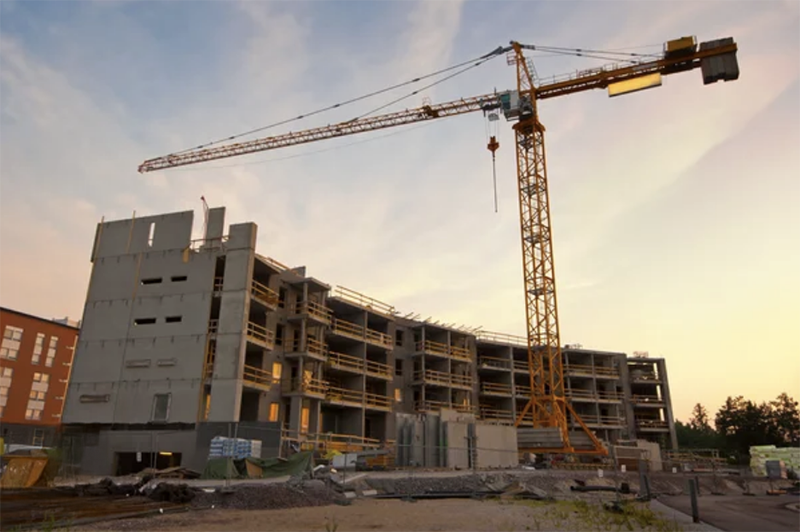
    A new study has shown that Duluth is facing a serious housing shortage. To meet the needs of its current and future residents, the city would need about 6,200 additional homes. Without these new homes, more families, workers, and seniors will continue to struggle to find a place to live. The shortage affects both renters and homeowners, making it harder for people to settle in the city or to stay long-term.
    Shortages Across All Price Ranges

    The lack of housing isn’t just a problem for people looking for low-cost options. Homes at nearly every price range are in short supply. Families searching for affordable starter homes can’t find enough choices, and middle-income buyers are also competing for limited options. This widespread shortage is pushing many people to either pay more than they can afford or delay buying altogether.

    High Rent and Low Vacancies

    Rental housing in Duluth is also in trouble. The average rent is around $1,443 a month, which is a lot when compared to average incomes in the area. More than half of renters spend over 30 percent of their earnings just on rent, which puts a strain on their budgets for food, healthcare, and other needs. On top of that, the vacancy rate is only 1.8 percent. A healthy market usually has closer to 5 to 7 percent vacancy, meaning Duluth is well below what is needed for renters to have real options.

    Seniors in Need of More Options

    Another major finding of the study is the need for more housing designed for older adults. By the year 2030, Duluth will need about 2,400 units built specifically for seniors. This would not only give older residents more suitable places to live, but it would also open up existing homes for younger families when seniors move into better-fitting housing. Without this kind of development, the pressure on the overall housing market will only grow.

    Possible Solutions for the City

    To address this housing crisis, Duluth will need to take action in several different ways. Building new homes is the most obvious solution, but that alone won’t be enough. Other options include repurposing older buildings, turning vacant offices into apartments, and finding creative ways to add more units throughout the city. The scale of the shortage means that no single solution will fix the problem. Instead, Duluth will need a combination of approaches to give residents more choices and to keep the city affordable and livable for the future.

  • Duluth Ends Deal for $500M Incline Village Project After Developer Fails to Show Funding

    Duluth Ends Deal for $500M Incline Village Project After Developer Fails to Show Funding

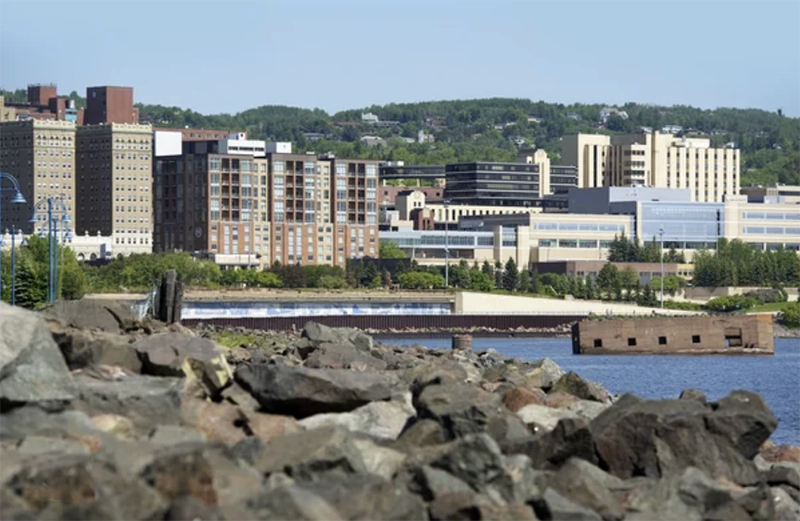
    Duluth officials voted to cancel their development agreement for a massive project called Incline Village. The plan was to build a $500 million mix of housing, retail, and other community spaces on the old Central High School site, a prime location that overlooks downtown and Lake Superior. City leaders said they had no choice but to end the deal because the developer, Incline Plaza Development LLC, failed to prove they had enough money lined up to build it.
    Why the Agreement Fell Apart

    The city’s Economic Development Authority, known as DEDA, required the developer to show proof of financing. That proof never came. Without it, Duluth couldn’t risk letting the project drag on. Officials stressed this wasn’t about rejecting development—it was about holding the developer accountable. After months of waiting and repeated extensions, the five commissioners voted unanimously to cancel the agreement.

    The Developer Pushes Back

    The company’s representatives argued that they had already invested heavily, putting in close to ten million dollars in cash and taking on millions more in debt. They claimed the delays weren’t their fault, pointing to problems with a bank that had promised financial backing but failed to deliver. That disagreement even turned into a lawsuit. One of the developers, Luzy Ostreicher, flew in from New York to plead for more time. He asked the city for a 120-day extension to secure the funding. Despite his appeal, the commissioners said they couldn’t allow any more delays.

    The Mayor’s Take

    Mayor Roger Reinert supported DEDA’s decision. He said the agreement included protections to keep taxpayers from paying the price if things went wrong, and that foresight paid off. Reinert emphasized that the city spent no public money on Incline Village and still views the Central High School site as valuable for future housing and development. He stressed that the issue wasn’t whether development should happen but whether the city should trust someone who could actually deliver.

    What Happens Now

    The site itself still belongs to the developer, which complicates things. Duluth can’t simply hand the land to another builder, at least not right away. City officials have made it clear they want to see housing and community growth on the property, but they’ll need a partner who can prove they have the money and the stability to make it happen. For now, the project is at a standstill, and the future of Incline Village depends on whether Ostreicher can rebuild trust with the city or if a new developer eventually steps in.

  • New Housing Developments Bring Opportunities for Duluth Residents

    New Housing Developments Bring Opportunities for Duluth Residents

    In Duluth, many businesses have struggled to attract and keep employees due to a severe housing shortage. To address this issue, local businesses joined forces to form the Northland Housing Partners (NHP). This group is dedicated to creating more housing options in the region, helping both current and future residents find affordable and suitable places to live.

    First Housing Development Launches in West Duluth

    The Northland Housing Partners recently celebrated their first major project in the RiverWest Development located in West Duluth. This development includes 20 newly built single-family homes for sale, adding to the existing vacation homes in the community. The houses are open to anyone interested in buying, with prices set by RiverWest developers and their partnered real estate agents.

    This project marks a significant step forward in addressing the local housing shortage. By creating more permanent housing options, the initiative provides stability for the growing workforce and their families.

    NHP’s Role in Funding Housing Projects

    The Northland Housing Partners played a critical role in making the RiverWest project possible by offering a financial “gap loan.” This type of loan helps cover any funding shortfall that developers face, ensuring projects can move forward. Businesses and charitable foundations that invest in NHP’s efforts will see returns on their contributions, making it a mutually beneficial arrangement.

    One major employer in Duluth has already invested heavily in NHP, contributing $3 million to the initiative so far. This Duluth-based employer has committed to a total of $10 million to fund future projects aimed at providing a variety of housing options. Their leadership has inspired other businesses in Duluth to consider similar contributions.

    Housing to Match a Diverse Workforce

    The housing being developed through NHP in Duluth is intentionally diverse to meet the needs of the community’s varied workforce. Some projects will include single-family homes like those in RiverWest, while others will focus on multi-family housing such as apartments. The goal is to ensure there are options in Duluth for individuals and families at different stages of life and income levels.

    NHP understands that the workforce is made up of people with different needs. From young professionals looking for apartments to families seeking spacious homes, the organization aims to create housing solutions that fit everyone.

    Impact on the Local Housing Market

    The RiverWest Development is already making a noticeable impact. Of the 20 new homes built, seven have been sold, and interest continues to grow. This development is also helping to free up existing housing in the area. For example, when someone moves into a new home or apartment, their previous residence often becomes available, creating more opportunities for others.

    This chain reaction is critical for a healthy housing market. As housing availability increases, more people will be able to find places to live, whether they are moving to Duluth for work or upgrading to a new home within the city.

    Building a Sustainable Future for Duluth

    NHP’s ultimate goal is to create a balanced housing system that supports both economic growth and community well-being. By filling the gaps in housing development, they aim to ensure Duluth remains an attractive place for businesses and employees alike. Leaders involved with NHP emphasize the importance of housing as part of a thriving, sustainable community.

    While the RiverWest Development is a strong start, the work of NHP is far from over. More projects are planned, including additional single-family homes and apartments, to address the ongoing demand for housing. With continued investment and collaboration, Duluth is taking big steps toward solving its housing crisis and securing a prosperous future for all.

  • How a Woman’s Identity Was Used to Misappropriate State Funds

    How a Woman’s Identity Was Used to Misappropriate State Funds

    A serious case of identity theft and fraud has come to light involving a man named Mark Allen Baker, who is 65 years old and lives in Duluth. He is accused of stealing a woman’s identity and using it to falsify documents, aiming to illegally obtain over $8,000 in COVID-19 relief funds specifically designed to help renters during the pandemic.

    The Scheme Uncovered

    The charges against Baker were filed this month, and they include seven felonies connected to his actions. It appears that Baker claimed he was behind on rent to qualify for rental assistance. He went as far as setting up a bank account under the woman’s name to channel the funds, which were intended to support landlords for rent missed by tenants during the economic downturn caused by the pandemic.

    Living Arrangements and Discovery of Fraud

    Baker and the woman he defrauded lived together from the fall of 2019 until September 2021. During this time, Baker was not on any lease agreement nor was he expected to pay rent. The fraudulent activities came to light in April 2023 when the woman was preparing her tax returns for 2022 and noticed a 1099 form indicating she had supposedly received a payment of $1,870 from the Minnesota Housing Finance Agency. Further investigation into her 2021 tax returns revealed an additional $6,225 from the same agency, which she had never received.

    Investigation and Evidence

    Upon discovering these discrepancies, the woman reported the suspected fraud to several agencies, including the St. Louis County Sheriff’s Office. An investigation was launched, which revealed that Baker first applied for rental assistance in April 2021. He falsely claimed he owed rent for 10 months. Part of the application process required a landlord form with an e-signature, supposedly from the woman, who later confirmed that she had never seen or signed such a document. Further investigation found several more instances of forged landlord signatures on critical documents like direct deposit authorizations and W-9 forms.

    Outcome and Consequences

    The fraudulent scheme resulted in a check for $6,225 being issued in September 2021. This check was endorsed in the woman’s name and deposited into the newly created bank account, from which the funds were transferred to a Chime mobile banking account controlled by Baker. Baker attempted to secure additional funds in January 2022 by applying for three more months of unpaid rent assistance, again using the woman’s forged signatures on necessary documents. The case highlights the need for strict monitoring and verification processes in financial assistance programs to prevent such abuses and protect innocent individuals from identity theft and financial fraud.

  • Evictions and Unpaid Rent: The Downfall of a Duluth Childcare Provider

    Evictions and Unpaid Rent: The Downfall of a Duluth Childcare Provider

    Many parents in the Duluth area are struggling to find reliable childcare, and the recent closure of the Building Blocks Learning Center has added to their challenges. Some parents are pointing fingers at the owners, blaming poor financial management for the center’s troubles. Building Blocks Learning Center was evicted twice for not paying rent, and its closure has left families scrambling to find alternatives. Here’s a detailed breakdown of the situation.

    First Eviction: Financial Troubles Begin

    In 2019, Building Blocks Learning Center rented a space on Haines Road in Duluth from BellaGrace Properties. The lease required monthly payments of $9,000, but the center quickly fell behind on rent. In 2020, they signed a rent modification agreement to lower payments temporarily, but the financial problems persisted.

    By 2021, the center owed BellaGrace over $57,000 and agreed to pay this through a legal confession of judgment. When they failed to meet the terms of this agreement, the lease was terminated, and they vacated the property by September 2023. BellaGrace claims the center left the space damaged, with costs totaling $70,058.90.

    The owners, Lucas and Holly Petrich, disputed these claims, stating the eviction was motivated by BellaGrace wanting to rent the space to another tenant.

    Second Eviction: A New Lease, Same Challenges in Duluth

    In July 2023, Building Blocks began renting a new space on the lower level of Duluth Vineyard Church for $4,500 per month. However, by May 2024, they were behind on rent again, owing over $12,000. Despite Vineyard offering a payment plan, the center failed to catch up in time, leading to another eviction notice.

    Church officials worked with the center to find a solution but ultimately filed an eviction complaint in September 2024. Signs were posted to notify parents and staff about the closure. Many parents were upset, saying they were given less than two weeks’ notice to find new childcare arrangements.

    Parents Speak Out: Concerns Over Transparency

    Some parents, speaking anonymously, expressed frustration with the lack of communication from the center’s owners. Rumors of financial issues had circulated, prompting some families to begin searching for other childcare options earlier.

    One Duluth parent questioned how the center could struggle financially when parents were paying nearly $1,000 a month for childcare. They calculated that teacher wages and tuition fees didn’t seem to align, leaving them to wonder where the money went.

    Future Plans for Building Blocks

    Despite these setbacks, Lucas and Holly Petrich remain determined to reopen the center. They are exploring options to rent a new facility, including working with a developer to design a financially sustainable space. Their childcare license is currently set to “pending reopen” status, allowing them to resume operations once a new location is secured.

    “This is a big lesson for us,” said Lucas Petrich. “We’re working on a clean slate to design a center that works better financially for everyone involved.”

    A Call for Childcare Funding

    The Petrichs emphasize that their struggles reflect broader issues in the childcare industry, which they argue need more public funding. Lucas urged community members to vote for leaders who prioritize childcare funding, calling it essential to prevent more closures statewide.

    “We had to make impossible decisions between paying our dedicated staff or our rent,” said Petrich. “This shouldn’t happen. The business model for childcare is broken.”

    A Heartfelt Goodbye and Hope for the Future

    In a letter to parents, the Petrichs expressed their heartbreak over the closure. They reassured families that Building Blocks intends to reopen in a better space, retaining its high Parent Aware Rating and continuing to serve the community.

    “While this has been devastating, we’re working toward a comeback,” said Petrich. “We deeply care about the families, children, and teachers who have been part of our journey.”

    As Duluth families search for alternative childcare, the challenges faced by Building Blocks highlight the ongoing need for systemic changes in the childcare industry.

  • College and University-Friendly Cities in Minnesota: The Positive Impact on Real Estate

    College and University-Friendly Cities in Minnesota: The Positive Impact on Real Estate

    Minnesota, popularly known as the “Land of 10,000 Lakes”, is not only famed for its picturesque lakes and wilderness but also for its thriving education sector. Numerous cities in the state are home to prestigious colleges and universities, making them hotspots for students, faculty, and educational professionals. These institutions not only contribute to the cultural, social, and economic fabric of these cities but also play a pivotal role in influencing the real estate market.

    This article dives deep into some of the college and university-friendly cities in Minnesota and how these institutions buoy the real estate sector.

    Minneapolis

    As the largest city in Minnesota, Minneapolis houses the flagship campus of the University of Minnesota. This public research university alone caters to over 50,000 students. The presence of such a significant institution has made the area a hub for students, educators, and professionals.

    Real Estate Impact: The high influx of students and faculty requires housing, leading to a consistent demand for rental properties, especially close to the university. This demand drives up property values in the vicinity and ensures stable rental income for property owners.

    St. Paul

    Adjacent to Minneapolis, St. Paul, the state’s capital, is another educational hub. Institutions like Macalester College, St. Catherine University, and Concordia University reside here.

    Real Estate Impact: St. Paul’s diverse academic landscape means there’s a diverse student population looking for housing options. Consequently, there’s a thriving market for multi-family residences, townhomes, and apartments catering to both short-term and long-term stays.

    Duluth

    Home to the University of Minnesota Duluth and The College of St. Scholastica, Duluth is a scenic city by Lake Superior. Its academic institutions are prominent contributors to the local economy.

    Real Estate Impact: Apart from the regular student housing demand, Duluth’s allure as a lake city makes it an attractive place for faculty and university staff to settle down. This has boosted the residential real estate market, especially in areas offering lake views.

    Mankato

    With institutions like Minnesota State University, and Mankato, the city is an educational center for the southern part of the state.

    Real Estate Impact: The consistent growth of the university has ensured a steady demand for housing in Mankato. This has resulted in the growth of off-campus student housing complexes and an uptick in the rental market.

    Moorhead

    Moorhead hosts Concordia College and Minnesota State University Moorhead. The city, being adjacent to Fargo, North Dakota, benefits from a combined student population of both states.

    Real Estate Impact: Moorhead’s housing market is buoyant because of the combined demand from both cities. Rental properties, especially those catering to students, have seen significant appreciation over the years.

    How Colleges and Universities Positively Impact Real Estate:

    Consistent Demand: Every academic year ushers in a new wave of students, ensuring a constant demand for housing.

    Infrastructure Development: Colleges often lead to better infrastructure in areas where they’re located, making them more appealing for real estate investments.

    Economic Boost: Colleges employ faculty, and staff, and indirectly boost local businesses, positively affecting the local economy and, by extension, the real estate sector.

    Cultural Hubs: University towns are often cultural hubs, hosting events, festivals, and conferences, which enhances the city’s appeal and livability, thereby bolstering property values.

    Stable Investment: Even during economic downturns, educational institutions can provide stability, making real estate investments in these areas less volatile.

    Conclusion

    Minnesota’s educational landscape, dotted with numerous colleges and universities, has had a pronounced positive influence on its real estate sector. Whether it’s the vibrant twin cities of Minneapolis and St. Paul or the scenic city of Duluth, these institutions have played a pivotal role in shaping the state’s real estate dynamics. Investing in cities with strong educational anchors is not just about capital appreciation but also about contributing to the growth of communities anchored in knowledge and culture.