Tag: Minnesota

  • A Visitor’s Guide to Maple Grove: Top Sites and Hidden Gems

    A Visitor’s Guide to Maple Grove: Top Sites and Hidden Gems

    Maple Grove, Minnesota, is a thriving city that blends suburban charm with modern amenities. It’s a place that’s constantly evolving, with new attractions and developments popping up regularly. If you’re thinking about visiting or moving to Maple Grove, here’s an in-depth look at what makes this city special, from its latest projects to its vibrant community life and real estate market.

    Exciting New Developments

    Maple Grove is witnessing a surge of new projects that are enhancing its appeal. One of the most anticipated developments is the expansion of the community center, which will include new fitness facilities and more space for community events. Additionally, the city is expanding its shopping districts to accommodate more stores and businesses, which will provide residents and visitors with even more shopping and dining options.

    Must-Visit Tourist Attractions

    Maple Grove is home to several beautiful parks and recreational areas that attract tourists from all over. The Maple Grove Arboretum is a picturesque spot that offers scenic views of the lake and a peaceful environment for walking and picnicking. Central Park is another highlight of the city, featuring an interactive fountain, a well-equipped playground, and a looping ice-skating trail that converts into a walking path in the summer, making it a year-round attraction.

    Shopping and Dining Hotspots

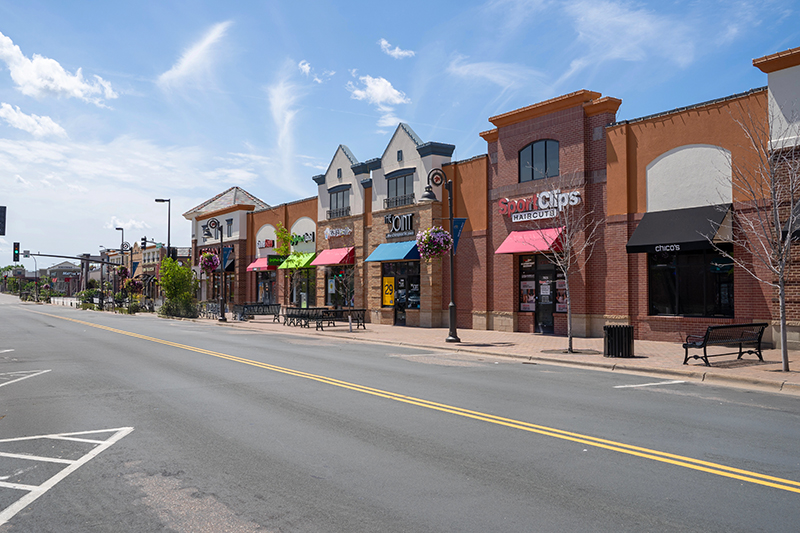
    The Shoppes at Arbor Lakes stands out as a top destination for shopping enthusiasts. This open-air shopping center hosts a variety of stores from well-known national brands to unique local boutiques. It’s not just about shopping; the area is also packed with restaurants and cafes that offer everything from quick bites to fine dining experiences. Whether you’re in the mood for a gourmet burger or a handcrafted coffee, you’ll find plenty of options to satisfy your cravings.

    Community Events

    Maple Grove’s community spirit is best experienced through its local events. The city hosts numerous gatherings throughout the year, such as Maple Grove Days, which includes a parade, a family fun run, and a spectacular fireworks show. The city also supports a vibrant farmers’ market that runs from June to October, where locals and visitors can purchase fresh, locally sourced produce and handmade goods.

    Real Estate Overview

    The real estate market in Maple Grove is dynamic and offers a range of options for potential homebuyers. Homes here vary from cozy single-family houses to expansive luxury estates, catering to diverse preferences and budgets. Currently, the average price for a home in Maple Grove is around $350,000, slightly above the national average due to the city’s desirable location and high quality of life. This makes Maple Grove an attractive area for both real estate investment and family living.

    Future Outlook

    Looking forward, Maple Grove is set to continue its growth and development. Plans for new residential areas and commercial developments are in the pipeline, promising to bring more amenities and services to the community. The city’s strategic initiatives to enhance public spaces and infrastructure signify a strong commitment to making Maple Grove an even more appealing place to live and visit.

    Maple Grove, Minnesota, combines natural beauty, community warmth, and modern conveniences, making it a standout city in the region. Whether you’re looking for a new home, a potential investment opportunity, or simply a pleasant place to visit, Maple Grove offers a welcoming and vibrant environment that’s hard to beat. With its ongoing developments and strong community spirit, Maple Grove is certainly a city on the rise.

  • Why Twin Cities Renters Should Sign a Lease Now

    Why Twin Cities Renters Should Sign a Lease Now

    If you’re looking for a rental in the Twin Cities, this could be your golden opportunity. The current rental market is in a brief pause, offering renters a chance to find more options at reasonable prices. However, this calm period won’t last long. Let’s dive into what’s happening in the Twin Cities rental market and how you can take advantage of it.

    A Slowdown in Apartment Demand – But Not for Long

    Over the past few months, demand for apartments has cooled slightly compared to earlier this year, when units were being rented out at a rapid pace. Developers are working hard to complete thousands of new apartments, but after these projects are finished, construction is expected to slow down significantly.

    This slowdown in construction is a result of high borrowing and building costs, forcing many developers to put their plans on hold. While the current lull might offer some breathing room for renters, experts warn that competition for available apartments will heat up soon. This increase in competition is likely to drive up rents, making now a great time to secure a lease before prices climb further.

    Vacancy Rates and Rent Trends Across the Metro

    Despite a quieter rental market this fall, vacancy rates have only risen slightly. In the third quarter, the average vacancy rate across the Twin Cities metro was 4.4%, up only a fraction from earlier in the year. A vacancy rate of 5% is generally considered balanced between supply and demand, but the Twin Cities has remained below this benchmark for years.

    This tight market has kept upward pressure on rents. The average rent across the metro area is now $1,514, reflecting a 3.7% increase compared to last year. Suburban areas like St. Anthony and Mounds View are experiencing even steeper rent hikes, as new buildings in these areas attract renters willing to pay higher prices.

    Urban Areas See Growing Demand

    Minneapolis and St. Paul are also seeing changes in their rental markets. In St. Paul, the city’s rent control ordinance has slowed rent increases to 2.7% over the past year, but this rate still outpaces Minneapolis, where rents rose by about 1.7%. Downtown Minneapolis, which saw a drop in rental demand during the pandemic, is bouncing back. So far this year, 920 units have been rented out in the downtown area, with another 1,642 new units expected to open in 2024.

    Vacancy rates in downtown Minneapolis have improved significantly. When new buildings still in their initial lease-up phases are excluded, the vacancy rate was just 5.5% in the third quarter, a big improvement from the 7.7% peak seen in 2020.

    Developers Face Tough Challenges

    The slowdown in new apartment construction is largely due to high costs. Borrowing money has become more expensive, and construction costs are near record highs. These challenges have forced many developers to shelve their plans.

    In 2022, the Twin Cities metro saw a record 9,995 new apartment units built, but that number is expected to drop dramatically. Only 7,200 market-rate units are anticipated in 2024, and by 2025, that figure could fall to just 2,800. This dwindling supply is likely to increase competition among renters and push rents even higher in the coming years.

    Even now, the number of new apartments being built is a fraction of what’s needed. For example, in October, permits were issued for just 354 new multifamily units across the metro, marking the first year-over-year increase in permits since February. However, this is far below the level of construction seen in recent years.

    Shifting Trends in Downtown Rentals

    Downtown Minneapolis is experiencing a resurgence, attracting a new type of renter. Many people moving into downtown are empty nesters or those looking to downsize from larger homes in the suburbs. Luxury apartments, like the O2 Tower, are especially popular. At O2, which features rents averaging $2,700 per month, 72 of its 240 units were leased just weeks after the building opened in September.

    The Mill District neighborhood, in particular, is becoming a hotspot. New restaurants and a vibrant atmosphere have drawn more people to the area. Buildings in the neighborhood now report occupancy rates of 97%. Incentives like free rent or move-in discounts, which were common during the pandemic, are becoming rare as demand continues to grow.

    What This Means for Renters

    The Twin Cities rental market is at a turning point. While demand has softened slightly in recent months, a combination of high construction costs and a limited supply of new apartments means rents are expected to rise significantly shortly.

    If you’re considering renting in the Twin Cities, acting now could help you secure a lease before competition and prices increase. With fewer new apartments on the horizon and strong demand continuing, the current market offers a rare chance for renters to find better deals. Don’t wait too long—this window of opportunity may close sooner than you think.

  • Cargill Announces Major Workforce Reductions, Set to Terminate 475 Jobs in Minnesota

    Cargill Announces Major Workforce Reductions, Set to Terminate 475 Jobs in Minnesota

    Cargill, one of the world’s largest agricultural trading companies, has announced it will lay off 475 employees at its headquarters in Minnesota as part of a global restructuring effort. The layoffs began on February 5, 2024, as the company struggled with declining revenue and tightening profit margins.

    Impact on Minnesota Employees

    The affected employees work at Cargill’s Wayzata office or are linked to the facility but live elsewhere. These workers will receive severance packages and outplacement services to assist in finding new jobs, according to a letter the company sent to the Minnesota Department of Employment and Economic Development. The letter also noted that the impacted roles are not represented by a union.

    The layoffs are part of a broader strategy to cut approximately 5% of Cargill’s workforce, which equates to around 8,000 jobs globally. Cargill employs over 160,000 people worldwide and is headquartered in Minnesota, where it has deep roots and serves as a major employer.

    Challenges in the Agricultural Sector

    Cargill’s decision comes as the agricultural industry faces significant challenges. Prices for major crops like wheat, corn, and soybeans have fallen to their lowest levels in four years, while crop processing margins have also tightened. These economic pressures have weighed heavily on agricultural merchants like Cargill, which relies on trading and processing these commodities for much of its revenue.

    The company’s revenue for its 2024 fiscal year, which ended in May, dropped to $160 billion from a record $177 billion the previous year. In an internal memo shared in August, Cargill revealed that less than one-third of its business units met their earnings goals during the fiscal year.

    Restructuring to Navigate Declining Revenues

    In its letter, Cargill described the layoffs as part of a broader restructuring effort aimed at streamlining its business operations. “Cargill is restructuring its business, leading to job reductions at the Wayzata Office Center,” the company stated.

    Cargill Profits Drop, Leading to Layoffs

    Cargill’s annual profits fell 36% this year to $2.5 billion, a big drop from the $6.7 billion it earned two years ago during the pandemic’s peak in commodity prices

    The company has not disclosed specific details about which departments will be most affected, but the restructuring reflects Cargill’s need to adapt to changing market conditions. Unlike publicly traded companies, Cargill does not release quarterly earnings reports, making this announcement one of the few insights into its financial health.

    Despite these challenges, Cargill remains a global powerhouse with operations spanning food, agriculture, and risk management. The company will continue to adapt its business model as it navigates the economic pressures facing the agricultural industry.

  • Evictions and Unpaid Rent: The Downfall of a Duluth Childcare Provider

    Evictions and Unpaid Rent: The Downfall of a Duluth Childcare Provider

    Many parents in the Duluth area are struggling to find reliable childcare, and the recent closure of the Building Blocks Learning Center has added to their challenges. Some parents are pointing fingers at the owners, blaming poor financial management for the center’s troubles. Building Blocks Learning Center was evicted twice for not paying rent, and its closure has left families scrambling to find alternatives. Here’s a detailed breakdown of the situation.

    First Eviction: Financial Troubles Begin

    In 2019, Building Blocks Learning Center rented a space on Haines Road in Duluth from BellaGrace Properties. The lease required monthly payments of $9,000, but the center quickly fell behind on rent. In 2020, they signed a rent modification agreement to lower payments temporarily, but the financial problems persisted.

    By 2021, the center owed BellaGrace over $57,000 and agreed to pay this through a legal confession of judgment. When they failed to meet the terms of this agreement, the lease was terminated, and they vacated the property by September 2023. BellaGrace claims the center left the space damaged, with costs totaling $70,058.90.

    The owners, Lucas and Holly Petrich, disputed these claims, stating the eviction was motivated by BellaGrace wanting to rent the space to another tenant.

    Second Eviction: A New Lease, Same Challenges in Duluth

    In July 2023, Building Blocks began renting a new space on the lower level of Duluth Vineyard Church for $4,500 per month. However, by May 2024, they were behind on rent again, owing over $12,000. Despite Vineyard offering a payment plan, the center failed to catch up in time, leading to another eviction notice.

    Church officials worked with the center to find a solution but ultimately filed an eviction complaint in September 2024. Signs were posted to notify parents and staff about the closure. Many parents were upset, saying they were given less than two weeks’ notice to find new childcare arrangements.

    Parents Speak Out: Concerns Over Transparency

    Some parents, speaking anonymously, expressed frustration with the lack of communication from the center’s owners. Rumors of financial issues had circulated, prompting some families to begin searching for other childcare options earlier.

    One Duluth parent questioned how the center could struggle financially when parents were paying nearly $1,000 a month for childcare. They calculated that teacher wages and tuition fees didn’t seem to align, leaving them to wonder where the money went.

    Future Plans for Building Blocks

    Despite these setbacks, Lucas and Holly Petrich remain determined to reopen the center. They are exploring options to rent a new facility, including working with a developer to design a financially sustainable space. Their childcare license is currently set to “pending reopen” status, allowing them to resume operations once a new location is secured.

    “This is a big lesson for us,” said Lucas Petrich. “We’re working on a clean slate to design a center that works better financially for everyone involved.”

    A Call for Childcare Funding

    The Petrichs emphasize that their struggles reflect broader issues in the childcare industry, which they argue need more public funding. Lucas urged community members to vote for leaders who prioritize childcare funding, calling it essential to prevent more closures statewide.

    “We had to make impossible decisions between paying our dedicated staff or our rent,” said Petrich. “This shouldn’t happen. The business model for childcare is broken.”

    A Heartfelt Goodbye and Hope for the Future

    In a letter to parents, the Petrichs expressed their heartbreak over the closure. They reassured families that Building Blocks intends to reopen in a better space, retaining its high Parent Aware Rating and continuing to serve the community.

    “While this has been devastating, we’re working toward a comeback,” said Petrich. “We deeply care about the families, children, and teachers who have been part of our journey.”

    As Duluth families search for alternative childcare, the challenges faced by Building Blocks highlight the ongoing need for systemic changes in the childcare industry.

  • The Most Dangerous Cities in Minnesota

    The Most Dangerous Cities in Minnesota

    Minnesota, popularly known as the “Land of 10,000 Lakes”, is known for its breathtaking landscapes, numerous lakes, friendly communities, and thriving job market. However, like any state, Minnesota has its fair share of cities where crime rates are higher than others, making them potentially more dangerous. If you’re considering purchasing real estate in Minnesota or are just curious about the state’s riskier cities, read on to gain some insights.

    Minneapolis

    Minneapolis, the largest city in the state, is a major hub for arts, culture, and commerce. However, its crime rate has been a point of concern over the years, making some areas potentially dangerous. In some years, Minneapolis has experienced higher rates of violent crime compared to other U.S. cities of similar size. The property crime rates, including burglary and vehicle theft, are also notable.

    Real Estate Perspective: While there are pockets of crime, Minneapolis also boasts upscale neighborhoods like Lowry Hill and Kenwood. Real estate in the city offers a wide variety, from luxury condos to affordable starter homes. It’s essential to research neighborhoods and work with a local realtor who understands the intricacies of the market.

    St. Paul

    The state’s capital and the twin city to Minneapolis, St. Paul has faced challenges related to crime, making certain areas potentially dangerous, particularly in specific districts. Areas like the North End and the East Side have traditionally seen higher crime rates.

    Real Estate Perspective: St. Paul has a rich history, and many neighborhoods like Summit Hill and Macalester-Groveland are highly sought after. However, due to crime concerns in certain areas, potential homeowners might find properties at a more affordable rate compared to safer neighborhoods.

    Duluth

    Located on the shores of Lake Superior, Duluth has faced issues primarily related to property crimes, making it a potentially dangerous area in terms of theft. In recent years, there have been spikes in burglaries, thefts, and car break-ins.

    Real Estate Perspective: Duluth is known for its natural beauty and historic architecture. Properties overlooking the lake are in high demand. Investors and potential homeowners can find value in this market, but they should be wary of areas with higher crime rates.

    Brooklyn Center

    A suburb of Minneapolis, Brooklyn Center has witnessed crime rates that are higher than the national average in the past. This includes both violent crimes and property crimes.

    Real Estate Perspective: Despite its challenges, Brooklyn Center offers convenient access to downtown Minneapolis and boasts numerous parks and recreational facilities.

    Bemidji

    This city, known as a gateway to the Mississippi’s headwaters, has had a notable crime rate, making some areas potentially dangerous, particularly concerning assaults and thefts.

    Real Estate Perspective: Bemidji offers a mix of lakeside properties and urban real estate. As always, careful research and understanding of local crime data can guide potential investors and homeowners in making informed decisions.

    Conclusion:

    When considering real estate in any city, not just those in Minnesota with higher crime rates, it’s essential to do thorough research to avoid potentially dangerous areas. Look at crime statistics, talk to local police departments, and engage with community members. It’s worth noting that even within cities with elevated crime rates, there are always pockets or neighborhoods that are safer and offer a higher quality of life. When considering an investment or a home purchase, one must weigh the risks against the potential benefits and opportunities a city might offer.

  • The Impact of Rising Property Taxes on Minnesota’s Home Affordability Crisis

    The Impact of Rising Property Taxes on Minnesota’s Home Affordability Crisis

    Navigating the complexities of the housing market can be a daunting task, especially when considering the impact of property taxes on the overall affordability of homeownership. As prospective buyers look to the vibrant and diverse state of Minnesota, understanding the nuances of the market becomes crucial.

    Known for its scenic landscapes and dynamic communities, the North Star State offers a wide range of living options, from bustling city life to serene rural retreats. However, the housing market’s health is not only gauged by home values but also by the property taxes that come with homeownership. These tariffs, often a reflection of the community and services provided, can significantly affect a buyer’s decision-making process.

    Rising Home Values and Property Taxes in Minnesota: Navigating the Double-Edged Sword of a Growing Housing Market

    The latest data from Zillow indicates that the average home value in Minnesota has reached $316,980, marking a 2% increase from the previous year. This upward trend in home values is a double-edged sword; while it reflects a healthy, growing market, it also raises concerns about affordability, particularly when combined with the property taxes levied on these homes. Property taxes are a crucial aspect of the monthly mortgage payment, often escrowed to ease the financial burden on homeowners. Yet, they can be the deciding factor for many when choosing where to plant their roots in Minnesota.

    Minnesota’s Property Tax Puzzle: Understanding Regional Variations and Their Impact

    A tax website provides a deeper insight into this matter, revealing that counties in Minnesota collect an average of 1.05% of a property’s assessed fair market value as property tax per year. With the median property tax at $2,098.00 annually for homes worth the median value of $200,400, Minnesota stands out for its property tax policies. The spectrum of tax rates across the state is broad, with some counties levying much higher rates than others, significantly impacting the housing market and the decision of where to buy.

    The 10 Minnesota Counties with the Highest Property Taxes in 2024

    As the housing market continues to face the challenges of high prices, potential buyers are increasingly scrutinizing property taxes. Here’s a closer look at the 10 Minnesota counties where these taxes are most burdensome, potentially slowing the market due to higher costs of living:

    • Carver County: Leading the list with nearly $3,000/year on average, cities like Chaska, Waconia, and Victoria face the highest property taxes, reflecting the county’s affluent communities and quality public services.
    • Hennepin County: With an average property tax bill of $2,831/year, Minneapolis and its surrounding cities like Brooklyn Park and Bloomington demonstrate the cost of living in the state’s most populous county.
    • Scott County: Home to Shakopee, Jordan, and Prior Lake, where the property taxes average about $2,828 per year, indicating the area’s growing appeal and development.
    • Washington County: Offering picturesque communities such as Stillwater and Woodbury, the average property tax here is $2,553 yearly, showcasing the balance between quality of life and financial consideration.
    • Chisago County: With $2,511 per year on average for areas like North Branch and Taylors Falls, the county balances rural charm with the fiscal realities of homeownership.
    • Ramsey County: A mix of urban and suburban, places like Shoreview, Maplewood, and St. Paul see an average property tax of $2,345 per year, reflecting diverse living options and community investments.
    • Dakota County: Known for cities like Eagan and Lakeville, the average property tax is $2,482 per year, a figure that underscores the county’s desirability and comprehensive amenities.
    • Anoka County: Hosting communities such as Anoka and Coon Rapids, where the average property tax bill is $2,243/year, demonstrating the cost associated with suburban living near the Twin Cities.
    • Sherburne County: With an average of $2,184 per year in places like Elk River and Big Lake, reflecting the balance between rural expansiveness and access to metropolitan areas.
    • Wright County: Cities like Monticello and Buffalo come with an average property tax of $2,080 per year, offering a glimpse into the suburban life outside Minneapolis.

    Conclusion

    In a housing market challenged by high prices, such as Minnesota’s, understanding the intricacies of property taxes is paramount for prospective homeowners. The state’s diverse counties offer a wide range of living experiences but also come with varying levels of property tax burdens.

    This detailed overview not only sheds light on the counties with the highest taxes but also emphasizes the importance of comprehensive financial planning when navigating the housing market. Prospective buyers are encouraged to consider these factors meticulously, as they significantly influence the true cost of homeownership in the beautiful North Star State.

  • Fake House Showing Leads to Tragic Kidnapping: Officer Receives 20-Year Sentence

    Fake House Showing Leads to Tragic Kidnapping: Officer Receives 20-Year Sentence

    A former probation officer from Hennepin County has been sentenced to 20 years in prison for her part in the tragic killing of Monique Baugh, a real estate agent from Minneapolis. The crime, which involved a fake house showing, occurred in 2019, and the sentencing ended a lengthy legal battle.

    Setting Up a Fake House Showing

    Elsa Segura, 32, admitted in court that she played a role in the kidnapping of Monique Baugh. Segura used a fake name and a burner phone to set up a meeting with Baugh, pretending she was interested in buying a house in Maple Grove. When Baugh arrived at the house, she was kidnapped by two other people who later shot and killed her.

    Overturned Life Sentence

    Segura was previously convicted by a jury and given a life sentence without parole. However, earlier this year, the Minnesota Supreme Court overturned the conviction, saying there wasn’t enough proof that Segura knew what her accomplices planned to do after the fake house meeting. This led to a new trial, a guilty plea, and a 20-year sentence.

    Baugh’s Family Struggles with Sentencing in Fake House Showing Case

    Baugh’s family, especially her mother Wanda Baugh, expressed their pain and disappointment in the courtroom. Wanda said that they had found comfort in the life sentence, believing Segura would never leave prison. Now, with the new 20-year sentence, the family feels a sense of loss all over again. Monique Baugh was 28 years old at the time of her death and left behind two young daughters.

    The Plan Behind the Crime

    According to prosecutors, the crime was planned by Lyndon Wiggins, Segura’s boyfriend at the time. Prosecutors believe Wiggins had a problem with Baugh’s boyfriend, Jon Mitchell-Momoh. Wiggins allegedly directed Segura to set up the fake house showing. On the evening of December 31, 2019, Baugh was kidnapped, shot, and killed. Her boyfriend was also shot but survived the attack.

    Courtroom Emotions and Judge’s Remarks in Case of Fake House Showing and Murder

    During the sentencing, Segura did not speak. However, one of Baugh’s family members stood up, shouting at Segura, “Do you understand what you did?” before being escorted out of the courtroom by officers. Judge Mark Kappelhoff sentenced Segura to 20 years, acknowledging the cruelty of the crime and the impact on Baugh’s family. He expressed hope that the sentencing might bring some form of closure to those grieving.

    Several other people involved in the crime have already been sentenced. Two defendants, Cedric Berry and Berry Davis, are serving life sentences without parole. Another defendant, Shante Davis, received parole for helping after the crime. Wiggins, who prosecutors say planned the killing, is due in court soon after his conviction was also overturned by the Supreme Court.

  • How a Couple Fell Victim to a $58,000 Real Estate Fraud

    How a Couple Fell Victim to a $58,000 Real Estate Fraud

    Authorities are on the lookout for a man named David Lange, 51, who is accused of committing a serious fraud involving the sale of property he did not legally own. Lange, who has an address listed in Blaine, Minnesota, is facing a felony theft charge for reportedly deceiving a couple into buying land in Fulton County. The case has now escalated, with an arrest warrant issued, but there’s more to the story than just a simple misunderstanding. The couple believed they were purchasing property and planning a future home, but what they didn’t know was that the deal was too good to be true.

    How the Fraud Began

    The incident came to light when a couple reached out to the Cherokee Village Police Department last Wednesday, reporting a suspicious transaction. They told the police that they had purchased a plot of land to build a home, and everything initially seemed legitimate. According to the probable cause affidavit, the male in the couple had been in communication with a man who identified himself as David Joas. This man later revealed to be David Lange, claimed he had access to several pieces of property available for sale.

    Lange reportedly showed the couple multiple properties, including a specific site located in the Omaha Center addition of Fulton County. During their interactions, Lange gave them the impression that he was in the process of purchasing the entire property from the city, which would allow him to sell individual lots to buyers like them. This fraud claim made the couple interested, and Lange didn’t stop there—he even went as far as to tell them that he was working with a construction company that could build a home on the lot. This added level of detail made the fraud offer seem more appealing and realistic.

    The Down Payment Trap

    To move forward with the deal, Lange requested a significant down payment of $58,000, which the couple wired to an account titled Fonce Chevalier Holdings, LLC. This is where things started to look promising for the victims, as Lange kept them updated on the supposed progress of the construction project. He informed them that workers had cleared the lot, laid the foundation, and would begin framing the house soon.

    The couple, believing their future home was becoming a reality, had no reason to suspect that something was wrong. They trusted Lange and assumed everything was proceeding as planned. It seemed like a dream come true—the purchase of a building site and the construction of a new home, all arranged by someone who appeared to be knowledgeable and connected in the real estate industry. Unfortunately, this dream was part of an elaborate fraud, as Lange had no legal ownership of the property he was selling.

    Discovery of the Fraud

    Unfortunately, this dream turned into a nightmare. When the couple contacted the vto check on the progress of their permits and paperwork, they were in for a shock. The department revealed that the city did not own the lot Lange sold to the couple. The land, spanning nearly 11 acres, remained unsubdivided and unapproved for individual sale. Additionally, no one had requested or issued any building permits for construction on that property. This revelation raised serious concerns, prompting the couple to dig deeper into the legitimacy of their purchase.

    To confirm their suspicions, the couple reached out to the Fulton County Assessor’s Office to obtain a copy of the deed for the land they thought they had bought. What they found was alarming—the property was owned by a couple currently living in Florida. This couple had not made any attempt to divide the land or sell individual lots, contrary to what Lange had told the victims. Although the Florida couple was in the process of selling the entire 11-acre lot, they were doing so through a realtor, not through any private arrangements with Lange.

    Realtor Uncovers More Lies

    The realtor representing the Florida couple provided additional crucial evidence in the fraud case. She provided a copy of the real estate contract for the sale of the entire property, signed on January 5. The contract identified David Lange as the buyer, acting on behalf of Fonce Chevalier Holdings, LLC—the same entity that received the couple’s $58,000 down payment. However, the realtor made it clear that Lange had never submitted any security deposit or escrow funds, which are standard requirements in legitimate real estate transactions, further confirming the fraud nature of the deal.

    The Cherokee Village Planning and Zoning Department further explained that even if Lange had completed the purchase of the land, he could not sell individual lots because the property did not meet the legal requirements for subdivision. Subdividing land requires legal approval and specific permits, and no one had requested those permits for this property.

    David Lange’s Criminal History

    As investigators delved deeper into David Lange’s background, they uncovered a troubling pattern. A search of court records in Minnesota revealed that Lange had been convicted multiple times of similar crimes, specifically theft by swindle. He had been using the same tactics to deceive people into thinking they were buying property, only to leave them empty-handed. His previous convictions followed a familiar pattern—promising something that didn’t exist or that he didn’t own, collecting payments, and then disappearing once the money was in his hands.

    This time, Lange’s fraud actions have caught up to him again. With a felony charge of theft hanging over him and an arrest warrant issued, authorities are hoping to bring him into custody soon. If arrested, Lange’s bond will be set at $58,000, the same amount he tricked the couple into paying him.

    Conclusion: A Cautionary Tale

    This case serves as a stark reminder to always verify the legitimacy of property sales and real estate deals before making any financial commitments. Scammers like David Lange can appear professional and convincing, but a few simple checks—such as verifying property ownership with local authorities and ensuring that all legal requirements are met—can help prevent falling victim to fraud. For this couple, the experience was a costly lesson, but it highlights the importance of thorough research and due diligence when making significant purchases like real estate.

  • Woman Sentenced to 20 Years in Prison for Role in Minneapolis Real Estate Agent’s Death

    Woman Sentenced to 20 Years in Prison for Role in Minneapolis Real Estate Agent’s Death

    A judge in Minnesota sentenced Elsa Segura to 20 years in prison for her part in the tragic death of Monique Baugh, a real estate agent in Minneapolis. The sentence came after Segura pleaded guilty to charges related to the kidnapping and death. Which took place on New Year’s Eve 2019. This case is tied to a complex revenge plot.

    Guilty Plea and Prison Sentencing

    Elsa Segura admitted to the charge of kidnapping to cause harm or instill fear in Monique Baugh. This plea deal with prosecutors helped her avoid a second trial after the Minnesota Supreme Court overturned her initial murder conviction. Her conviction was overturned due to incorrect jury instructions during the 2021 trial. The plea deal led to a reduced sentence, with Segura serving 20 years in prison.

    Details of the Crime

    Prosecutors explained that Segura played a key role in luring Monique Baugh to a fake house showing in Maple Grove, a suburb of Minneapolis. Once there, the kidnappers abducted Baugh and later fatally shot her. Leaving her body in a Minneapolis alley on the early morning of January 1, 2020. The killing was part of a revenge scheme against Baugh’s boyfriend, Jon Mitchell-Momoh.

    Prison Sentence for The Revenge Plot

    According to prosecutors, Jon Mitchell-Momoh, a recording artist, had a falling out with his former business partner, Lyndon Akeem Wiggins. Wiggins, also involved in drug dealing, believed Mitchell-Momoh was a snitch. This prompted Wiggins, romantically involved with Segura, to orchestrate the violent plot. In addition to killing Baugh, the attackers also shot Mitchell-Momoh in front of their two young children, who were only 1 and 3 years old at the time. Fortunately, he survived.

    Other Defendants and Ongoing Prison Trials

    The Minnesota Supreme Court also overturned Lyndon Akeem Wiggins’ conviction due to the same faulty jury instructions that affected Segura’s case. Wiggins is currently in jail awaiting a retrial. However, the court upheld the convictions of two other defendants involved in Baugh’s kidnapping, and they, along with Segura, received life sentences without parole.

  • The Impact of Wind Power on Real Estate: A Case Study of Minnesota

    The Impact of Wind Power on Real Estate: A Case Study of Minnesota

    When it comes to renewable energy sources, wind power is at the forefront of the revolution. Wind turbines, a common sight on the landscapes of places like Minnesota, stand as symbols of this shift towards sustainable energy. But what does the growing presence of these wind turbines mean for property owners and the real estate market? This article aims to explore the interaction between wind power, specifically wind turbines, and real estate.

    The Role of Wind Energy in Minnesota

    Minnesota has been a trailblazer in embracing wind energy, with numerous wind farms spread across the state. According to the American Clean Power Association, Minnesota ranked seventh nationwide for installed wind power capacity as of 2021. The state’s landscape and climate make it ideal for harnessing wind power, an asset that hasn’t been overlooked.

    Impact of Wind Farms on Property Value

    There is ongoing research regarding the effects of wind turbines on nearby property values. Initial concerns focused on potential noise and aesthetic impacts, which were hypothesized to lead to reduced property values. However, several comprehensive studies, including one published in the Journal of Real Estate Research, have found no significant impact on property values due to proximity to wind turbines.

    The Benefits to Property Owners: Leasing Private Land for Wind Energy

    One way property owners can benefit from the renewable energy trend is by leasing their land to energy companies for wind turbine installation. These arrangements often result in a stable income stream for landowners, boosting the overall value of their property. In addition, many communities see a rise in tax revenue from wind power projects, which can fund local services and infrastructure improvements, indirectly benefiting local real estate.

    Wind Power vs. Solar: What’s the Impact on Real Estate?

    While wind power has been a significant player in Minnesota’s renewable energy scene, solar power is also making strides. For property owners, installing solar panels can increase property value due to the promise of reduced electricity costs. As for larger solar farms, the impact on nearby property values is still under scrutiny, similar to wind farms. As both solar and wind power continue to grow, further research will illuminate their respective effects on the real estate market.

    Conclusion: The Future of Wind Power and Real Estate

    The intersection of wind power and real estate is a developing frontier in the move toward sustainable living and renewable energy. For property owners in places like Minnesota, the rise of wind turbines on the horizon can be a sign of a promising future. As wind energy continues to evolve and grow, its influence on real estate will undoubtedly remain a fascinating topic of study.

    Wind power, symbolized by the ever-increasing presence of wind turbines on our landscapes, is reshaping the way we think about energy, land use, and real estate. It’s a relationship that property owners, real estate professionals, and energy companies will continue to navigate in the years to come.

  • Discover the Community and Amenities of Bloomington, Minnesota

    Discover the Community and Amenities of Bloomington, Minnesota

    Bloomington, Minnesota, is a lively suburb just outside of Minneapolis. Known for its friendly community and prime location, this city offers a comfortable place to live and a strong economy that supports both residents and businesses. Bloomington stands out as a key economic center, housing the headquarters of big companies like HealthPartners and Toro, which helps the city maintain a higher job-per-capita ratio compared to neighboring areas like Minneapolis and Saint Paul.

    Bloomington’s Strong Economic Base

    The economy in Bloomington is diverse, with industries ranging from healthcare and retail to manufacturing. This diversity ensures that residents have plenty of job opportunities. Major companies headquartered here play a significant role in keeping the job market strong, making Bloomington a great place for both job seekers and professionals looking to advance their careers.

    Community and Public Amenities Enhance Quality of Life

    Bloomington isn’t just about work; it’s also a community-focused city with excellent public amenities. The city is home to the famous Mall of America, which not only attracts tourists but also creates numerous retail jobs for locals. In addition, Bloomington invests in its public spaces, like the Dred Scott Playfield, which recently added modern sports facilities. These amenities make the city a welcoming place for families, professionals, and visitors alike.

    Safety in Bloomington: A Mixed Picture

    Safety in Bloomington varies depending on the area. While some parts of the city, particularly the northeast, experience higher crime rates, the southwest and southeast areas are much safer and preferred by many residents. On average, Bloomington’s crime rates are higher than the national average, with violent crimes such as assault and robbery being a concern in some neighborhoods. However, the presence of high-traffic areas like shopping centers can sometimes inflate these statistics, making the city seem less safe than it is in residential zones.

    Exploring Bloomington’s Neighborhoods: Where to Live

    Bloomington offers a wide range of neighborhoods, each with its unique character. The southwestern part of the city is especially desirable, known for its higher property values and lower crime rates, making it ideal for families and professionals. On the other hand, East Bloomington provides more affordable housing, with median home prices below the national average. This area attracts residents looking for cost-effective living options, though neighborhood quality can vary. Despite this, many parts of East Bloomington actively maintain a high standard of living, offering a good balance of affordability and quality.

    In-Depth Neighborhood Profiles

    Bloomington’s neighborhoods, such as City Center and Bryant Park, offer a variety of housing and community options. City Center is known for its blend of small to medium-sized homes, with many built between 1940 and 1999, giving it a mature, established feel. With a median home price of $368,092, it’s more expensive than over half the neighborhoods in Minnesota but boasts a low vacancy rate, indicating strong demand. Bryant Park, slightly more affordable with a median home price of $319,552, is appreciated for its residential charm and accessibility, with a significant number of residents using public transportation.

    West Bloomington: A Suburban Gem

    West Bloomington is a sought-after area known for its suburban appeal. This neighborhood features a range of medium to large single-family homes and townhouses, mostly owner-occupied. The real estate market here is competitive, with homes typically selling quickly and at prices reflecting the area’s desirability. The low vacancy rate of 2.8% highlights the demand for housing in this part of the city, which combines modern living with a community-oriented atmosphere.

    South Loop District: The Future of Bloomington

    The South Loop District is transforming a suburban area to a more urbanized district. This area will become the center of Bloomington’s growth over the next 40 years, focusing on mixed land use, sustainable development, and improved public transportation. Located near key transportation hubs like MSP Airport and the Hiawatha Light Rail, the South Loop District is becoming a prime area for new developments. The Carbon31 project, for instance, is adding over 400 high-end residential units and retail spaces, reflecting the district’s shift towards a vibrant, urban community.

    Normandale Area: A Hub for Education and Recreation

    The Normandale area is an important part of Bloomington, known for its educational and recreational offerings. At the heart of this neighborhood is Normandale Community College, which serves over 14,000 students each year. The college is known for its affordability and support services, making it an excellent choice for students looking to further their education. Nearby, the Normandale Lake District offers outdoor activities and green spaces, contributing to the area’s appeal as a place where education and recreation go hand in hand.

    Transportation: Getting Around Bloomington

    Bloomington is well-connected by a network of buses and light rail services, making it easy to get around. The Metro Transit’s Blue Line provides direct service between downtown Minneapolis and Bloomington, offering a quick and convenient option for commuters. The city is also investing in better pedestrian and cycling paths to promote a healthier and more sustainable lifestyle. If you’re planning to move to Bloomington, professional movers can help make the transition smoother, taking advantage of the city’s efficient transportation system.

    Housing Market: Trends and Opportunities

    The housing market in Bloomington is active and diverse, with median home prices around $350,000 as of early 2024. The market is balanced, with homes typically staying on the market for about 30 days. This provides both buyers and sellers with fair opportunities to negotiate. Bloomington also supports affordable housing through various programs, helping low-to-moderate-income families transition from renting to homeownership, and ensuring long-term affordability.

    Educational Opportunities: A Focus on Inclusivity

    Bloomington is committed to providing excellent educational opportunities for all ages. Bloomington Public Schools focuses on educational equity, offering resources tailored to meet the needs of every student. For adults, Metro South Adult Basic Education provides essential services like GED preparation and ESL classes, helping residents gain the skills they need for career advancement. These programs reflect the city’s dedication to creating an inclusive and supportive educational environment for everyone.

    Employment in Bloomington: A Diverse Job Market

    The job market in Bloomington is robust, with opportunities across various sectors, including retail, healthcare, and administrative services. The city’s Parks and Recreation Department also offers seasonal and part-time jobs, which are great for those looking for flexible work arrangements. These diverse job opportunities not only strengthen the local economy but also contribute to a vibrant and engaged community.

  • Spark Your Minneapolis Home: Expert Tips on Hiring the Perfect Electrician

    Spark Your Minneapolis Home: Expert Tips on Hiring the Perfect Electrician

    In the dynamic world of real estate, understanding the intricacies of hiring an electrician in Minneapolis, MN, is crucial for both homeowners and business proprietors. The process extends beyond a mere Google search; it requires an informed approach, considering various factors from qualifications to cost implications.

    Qualifications to Look For

    When scouting for an electrician, the foremost criterion is their qualifications. A licensed electrician assures that they have met the state’s educational and practical requirements. Additionally, certifications from reputable organizations, such as the National Electrical Contractors Association (NECA), serve as a testament to their expertise.

    Choosing the Right Electrician

    The journey to choosing the right electrician involves more than verifying qualifications. Residential, commercial, and maintenance electrical workers each specialize in different areas. For instance, a residential electrician is adept at handling home electrical systems, whereas a commercial electrician specializes in larger projects such as office buildings or shopping centers. Maintenance electricians, on the other hand, focus on repairing and maintaining existing electrical systems.

    Cost Considerations

    Cost is a pivotal factor in the decision-making process. The cost of hiring an electrician in Minneapolis varies depending on the complexity of the job and the electrical worker’s level of expertise. Generally, residential services tend to be less costly compared to commercial projects due to the scale and complexity involved.

    Timeframe

    The duration of electrical work can range from a few hours for minor repairs to several weeks for extensive projects. It’s important to discuss the expected timeline with your electrician upfront to align your schedules and avoid potential inconveniences.

    Trustworthiness and Reviews

    In today’s digital age, online reviews are a goldmine of information. They offer insights into an electrician’s reliability, work ethic, and customer service. A trustworthy electric worker not only provides quality services but also maintains transparency and effective communication throughout the project.

    The Importance of Permits and Insurance

    Hiring an electrician who is insured and knowledgeable about the necessary permits is non-negotiable. This not only ensures compliance with local regulations but also protects you from liability in case of accidents or damage during the work.

    Free Estimates: A Common Offering

    Many electricians offer free estimates, providing you with a ballpark figure of the costs involved. This is an excellent opportunity to gauge the affordability and to compare quotes from different electrical workers.

    In conclusion, hiring the right electrician in Minneapolis requires a balanced approach, considering qualifications, specialization, cost, timeframe, trustworthiness, and legal compliance. By doing your homework and engaging in thorough discussions with potential electrical workers, you can ensure that your electrical needs are met with professionalism and expertise.