Tag: Real Estate

  • College and University-Friendly Cities in Minnesota: The Positive Impact on Real Estate

    College and University-Friendly Cities in Minnesota: The Positive Impact on Real Estate

    Minnesota, popularly known as the “Land of 10,000 Lakes”, is not only famed for its picturesque lakes and wilderness but also for its thriving education sector. Numerous cities in the state are home to prestigious colleges and universities, making them hotspots for students, faculty, and educational professionals. These institutions not only contribute to the cultural, social, and economic fabric of these cities but also play a pivotal role in influencing the real estate market.

    This article dives deep into some of the college and university-friendly cities in Minnesota and how these institutions buoy the real estate sector.

    Minneapolis

    As the largest city in Minnesota, Minneapolis houses the flagship campus of the University of Minnesota. This public research university alone caters to over 50,000 students. The presence of such a significant institution has made the area a hub for students, educators, and professionals.

    Real Estate Impact: The high influx of students and faculty requires housing, leading to a consistent demand for rental properties, especially close to the university. This demand drives up property values in the vicinity and ensures stable rental income for property owners.

    St. Paul

    Adjacent to Minneapolis, St. Paul, the state’s capital, is another educational hub. Institutions like Macalester College, St. Catherine University, and Concordia University reside here.

    Real Estate Impact: St. Paul’s diverse academic landscape means there’s a diverse student population looking for housing options. Consequently, there’s a thriving market for multi-family residences, townhomes, and apartments catering to both short-term and long-term stays.

    Duluth

    Home to the University of Minnesota Duluth and The College of St. Scholastica, Duluth is a scenic city by Lake Superior. Its academic institutions are prominent contributors to the local economy.

    Real Estate Impact: Apart from the regular student housing demand, Duluth’s allure as a lake city makes it an attractive place for faculty and university staff to settle down. This has boosted the residential real estate market, especially in areas offering lake views.

    Mankato

    With institutions like Minnesota State University, and Mankato, the city is an educational center for the southern part of the state.

    Real Estate Impact: The consistent growth of the university has ensured a steady demand for housing in Mankato. This has resulted in the growth of off-campus student housing complexes and an uptick in the rental market.

    Moorhead

    Moorhead hosts Concordia College and Minnesota State University Moorhead. The city, being adjacent to Fargo, North Dakota, benefits from a combined student population of both states.

    Real Estate Impact: Moorhead’s housing market is buoyant because of the combined demand from both cities. Rental properties, especially those catering to students, have seen significant appreciation over the years.

    How Colleges and Universities Positively Impact Real Estate:

    Consistent Demand: Every academic year ushers in a new wave of students, ensuring a constant demand for housing.

    Infrastructure Development: Colleges often lead to better infrastructure in areas where they’re located, making them more appealing for real estate investments.

    Economic Boost: Colleges employ faculty, and staff, and indirectly boost local businesses, positively affecting the local economy and, by extension, the real estate sector.

    Cultural Hubs: University towns are often cultural hubs, hosting events, festivals, and conferences, which enhances the city’s appeal and livability, thereby bolstering property values.

    Stable Investment: Even during economic downturns, educational institutions can provide stability, making real estate investments in these areas less volatile.

    Conclusion

    Minnesota’s educational landscape, dotted with numerous colleges and universities, has had a pronounced positive influence on its real estate sector. Whether it’s the vibrant twin cities of Minneapolis and St. Paul or the scenic city of Duluth, these institutions have played a pivotal role in shaping the state’s real estate dynamics. Investing in cities with strong educational anchors is not just about capital appreciation but also about contributing to the growth of communities anchored in knowledge and culture.

  • Minnesota Real Estate Myths: A Detailed Report

    Minnesota Real Estate Myths: A Detailed Report

    Minnesota, known for its lakes, cold winters, and vibrant cultural scene, has its fair share of real estate myths. Understanding these myths can be essential for prospective buyers, sellers, or investors. Here’s a closer look at some of the most common misconceptions.

    Minnesota’s Harsh Winters Make Real Estate Unsellable During Cold Months

    Myth: No one buys homes in Minnesota during the winter due to harsh weather conditions.

    Reality: While it’s true that winters can be tough, the Minnesota real estate market doesn’t completely freeze over. Savvy buyers often consider winter a prime time to buy since there’s typically less competition, and they can potentially get a better deal.

    Lakefront Property is Only for the Wealthy

    Myth: Only the rich can afford lakefront properties in the “Land of 10,000 Lakes.”

    Reality: Minnesota boasts over 11,800 lakes, and while many lakefront properties come with a premium, there are affordable options available, especially on smaller or lesser-known lakes.

    Urban Properties are More Valuable than Rural Ones

    Myth: Homes in the Twin Cities (Minneapolis and St. Paul) are always more valuable than homes in rural areas.

    Reality: While urban areas typically have higher property values due to demand and amenities, certain rural properties, especially those with unique features or on larger land plots, can be quite valuable.

    Minnesota Real Estate is Only About Single-Family Homes

    Myth: The state mainly offers single-family homes, limiting options for buyers.

    Reality: Minnesota’s real estate market is diverse. The Twin Cities and other urban centers offer condos, townhomes, and lofts. Additionally, the increasing demand for multi-family homes and duplexes has further diversified available property types.

    New Homes Are Always Better than Older Ones

    Myth: New constructions are superior in quality and investment potential.

    Reality: While new homes offer modern amenities and designs, many older homes in Minnesota, especially in historic neighborhoods, are sought after for their character, craftsmanship, and charm. Properly maintained older homes can be just as valuable, if not more so, than newer constructions.

    The North is Too Remote for Real Estate Investments

    Myth: Areas in Northern Minnesota are too isolated to be considered good real estate investments.

    Reality: Northern Minnesota, with its natural beauty and recreational opportunities, has seen growth in vacation rentals, cabins, and retreats. As remote work becomes more prevalent, the desire for serene, natural settings might further boost property demand in these areas.

    Minnesota’s Taxes Make it a Bad Place to Buy

    Myth: High property taxes in Minnesota make it an unattractive state for real estate investments.

    Reality: While Minnesota does have relatively high property taxes compared to some states, it also offers good public services, schools, and infrastructure. For many, the trade-offs are worth it. Additionally, property value appreciation in certain areas can offset tax concerns.

    Conclusion

    Every real estate market has its myths and misconceptions. By understanding the realities of the Minnesota market, buyers, sellers, and investors can make informed decisions and potentially find great opportunities. Always consult with local real estate professionals to get the most accurate and up-to-date information.

  • How Kitchen and Bathroom Makeovers Can Boost Your Home’s Value

    How Kitchen and Bathroom Makeovers Can Boost Your Home’s Value

    A successful real estate investment involves more than purchasing a property at a good price. It also involves maximizing its value to ensure a profitable return on your investment. One tried and true way to increase a property’s value is through home improvements, specifically remodeling the kitchen and bathroom. The kitchen and bathroom are the two rooms that, when renovated, can dramatically boost a property’s value and appeal.
    The Value in Remodeling Your Kitchen

    The kitchen is often referred to as the heart of the home. It’s where we prepare meals, gather with family and friends, and, in many cases, where we start and end our day. A dated kitchen can significantly decrease the overall appeal of a property. However, an attractive, functional, and modern kitchen can significantly increase a property’s value.

    In fact, according to a recent study by the National Association of Realtors, a kitchen remodel can recoup between 60% to 120% of your investment when you sell your home, depending on the level of the remodel and local market conditions. This makes it one of the most valuable home improvements you can undertake.

    Kitchen remodels can range widely in terms of cost. On the lower end, minor kitchen remodels (such as painting cabinets, installing new countertops, or upgrading appliances) could cost around $10,000 to $15,000. More substantial renovations, which might include changing the layout, replacing cabinets, installing high-end appliances, or upgrading to stone countertops, can range from $30,000 to over $100,000.

    The Value in Remodeling Your Bathroom

    Bathrooms, while not as central to daily life as kitchens, are nonetheless crucial in the eyes of potential buyers. A clean, modern bathroom can serve as a sanctuary—a place to relax and unwind. Meanwhile, outdated or poorly maintained bathrooms can turn potential buyers away, decreasing your property’s value.

    A report from the National Association of the Remodeling Industry suggests that homeowners can recoup up to 50% to 70% of the cost of a bathroom remodel when they sell their homes. In many cases, simply modernizing fixtures, retiling the shower, or adding a new vanity can make a significant difference.

    The cost of a bathroom remodel can vary as well. Small updates, like replacing fixtures or retiling, can cost anywhere from $3,000 to $7,000. More extensive remodels, like expanding the size of the bathroom, installing a new tub or shower, or adding high-end finishes, can range from $10,000 to $35,000 or more.

    Balancing Cost with Return on Investment

    While remodeling the kitchen and bathroom can indeed increase a property’s value, it’s essential to carefully consider the extent of the renovations and your overall budget. Spend too little, and the remodel may not significantly impact your home’s value or its appeal to potential buyers. Spend too much, and you may not recoup your investment.

    To make the most of a kitchen or bathroom remodel, focus on improvements that will appeal to the broadest range of potential buyers. Neutral color schemes, modern fixtures, and high-quality appliances and finishes are generally safe bets.

    Moreover, you must also consider the value of similar homes in your area. If you over-improve your home compared to others in your neighborhood, you might not see a return on your investment.

    Conclusion

    Kitchen and bathroom remodels offer a significant opportunity to boost a property’s value and appeal. By investing wisely in these high-impact areas, homeowners can expect a substantial return on their investment when it comes time to sell. Be sure to carefully consider your budget, the local real estate market, and the potential impact on your property’s value before undertaking any significant remodeling project.

  • Unclaimed Property in Minnesota: A Comprehensive Real Estate Guide

    Unclaimed Property in Minnesota: A Comprehensive Real Estate Guide

    Minnesota, the “Land of 10,000 Lakes,” is known for its vibrant cities and breathtaking landscapes. Yet, among its well-documented aspects, one less-known facet is the significant volume of unclaimed property—real estate assets, land, houses, and homes—awaiting rightful owners who have, for various reasons, lost contact or been unaware of their ownership.
    Understanding the Concept of Unclaimed Property in Minnesota

    Unclaimed property typically refers to financial assets that have not had any activity or contact with the owner for an extended period, often due to the owner forgetting about the asset or the company losing contact with the owner. In Minnesota, this concept extends to tangible assets like abandoned houses, lands, and other forms of real estate. These are governed by specific laws aimed at protecting the rights of the original owners and preventing scams.

    How to Check for Unclaimed Property in Minnesota

    To find out if you have unclaimed property in Minnesota, you can refer to the Property Records of Minnesota, an official state-run database. This database is accessible to the public and provides detailed information about all registered properties within the state, including those deemed unclaimed or abandoned.

    The Role of Auctions in Dealing with Abandoned Properties

    In instances where owners cannot be found, Minnesota law permits the state to auction unclaimed properties. The funds raised from these auctions are held by the state until claimed by the rightful owner. So, if your property has been auctioned, you can still reclaim the proceeds even if the actual property has been sold.

    Avoiding Scams in the Quest for Unclaimed Property

    Unfortunately, the unclaimed property sector is riddled with scams. Fraudsters often target rightful owners by promising to help them find their abandoned property for a fee. Remember, you can access the Property Records of Minnesota for free, and the process of claiming your property does not require payment. Be wary of any unsolicited communication or service that demands payment upfront.

    Minnesota’s Abandoned Property Laws

    Minnesota’s unclaimed property law requires businesses (holders) to annually report and deliver the property to the Department of Commerce after a specified period of inactivity. For real estate, this period can range from one to five years. If the property is deemed abandoned after this period, it enters the state’s abandoned property process.

    In Conclusion

    Owning a house or land in Minnesota can be a significant asset. Yet, many homeowners lose contact with their properties due to various reasons, turning valuable assets into unclaimed or even abandoned properties. However, the state of Minnesota provides mechanisms to reunite owners with their property or proceeds from their property if it has been sold. By understanding how to check for abandoned property, being aware of potential scams, and familiarizing yourself with Minnesota’s abandoned property laws, you can ensure that your assets remain yours.

  • Minnesota Legislature Considers Ban on Corporate Ownership of Single-Family Homes for Rentals

    Minnesota Legislature Considers Ban on Corporate Ownership of Single-Family Homes for Rentals

    If passed, this proposed ban would ensure that families have a fair chance to access affordable homes without being priced out by corporate investors. The Minnesota Legislature, which is controlled by Democrats, is considering a new bill that seeks to prohibit corporations, real estate developers, and residential building contractors from purchasing single-family homes to rent them out. This proposed ban is a brainchild of Representative Esther Agbaje, who is taking a proactive approach to combat the state’s affordable housing crisis.
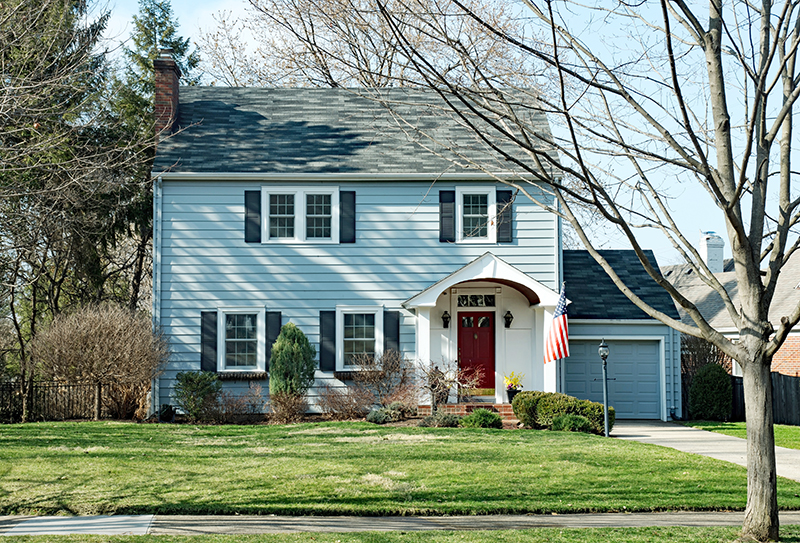
    Proposed Legislation Aims to Alleviate Affordable Housing Crisis in Minnesota

    The Twin Cities metro and other areas in the state have witnessed a surge in housing prices, making it increasingly difficult for Minnesota families to find homes they can afford. Rep. Agbaje’s bill, if passed into law, would go a long way in alleviating the housing affordability problem.

    Under the legislation, the state attorney general’s office would be responsible for enforcing the ban. Any corporation caught flouting the law would have one year to divest from the property. Failure to sell the property within this timeframe would result in the foreclosure process, where the property would be sold in court.

    Ban Would Apply to Real Estate Developers and Residential Building Contractors

    Currently, the bill is under the scrutiny of the Judiciary Finance and Civil Law Committee. The committee is responsible for evaluating the financial impact of the proposed legislation and will decide whether to send it to the House floor for further discussion and voting.

    In conclusion, this proposed ban on corporate ownership of single-family homes for rental purposes is a much-needed step toward addressing the affordable housing crisis in Minnesota. If passed, it would prevent corporations from monopolizing the housing market, thereby giving families a fair chance to find homes they can afford.

  • 10 Cheapest Cities in Minnesota to Buy a Home With Minimum Down Payment

    10 Cheapest Cities in Minnesota to Buy a Home With Minimum Down Payment

    Minnesota the Land of 10,000 Lakes is a great state to purchase a house. Affordable and economical housing is not impossible if you look in the right place. Qualified buyers are able to buy their dream homes for a low cost with a minimum down payment of 3%. The North Star State offers great mortgage and downpayment loan programs for first-time homebuyers. Property Records of Minnesota created a 2022-23 list of the cheapest cities where you can buy a home.
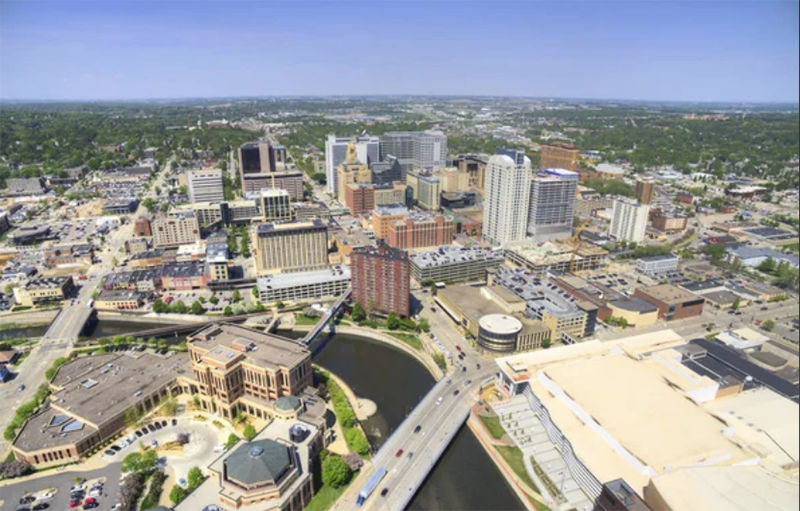
    1. Montevideo, MN

    Montevideo is a small city in Minnesota in Chippewa County with one of the cheapest real estate in the state, with a population of over 5,290 residents as of 2022. The city has one of the largest populations of Norwegians outside of Norway. The average home price is about $147,000 for a two-bedroom which is 5.5% under the list price.

    2. Hibbing, MN

    Hibbing is a small town in Saint Louis County with a population of over 16,000 residents. The median home price of $145,000 gives homebuyers the opportunity to buy an affordable home with a low monthly payment. Hibbing is a great place to buy a low-priced home since the majority of houses have a good size front and backyard. This is a great town for couples who plan on starting a family in the future and plan on buying real estate for the cheapest price with good value.

    3. Kasson, MN

    Kasson is a small city located in the middle of Dodge County with an elevation of 1,253 and a population of over 6,930 residents as of 2021. This cozy city is a great and affordable city where most of the residents own their homes. Even though the city might be small it packs a great punch with activities for families like a historic museum, park, theatre, and restaurants. The median home price is $169,000 and up.

    4. Stewartville, MN

    Stewartville is a city 15 minutes away from Rochester, Minnesota with a growing population of over 6,750 residents. Located in Olmsted County the city offers great school districts, parks, restaurants, and upcoming housing developments and one of the cheapest real estate in the state. Stewartville gets all four seasons but it does get really cold in the wintertime. Just like Kasson, Stewartville has a median listing home price of $169,000 which is reasonably low-price.

    5. St. Paul Park, MN

    St. Paul Park is a small city in Washington County that was established in the late 1880s with a population of over 5,480 residents as of 2021. If you like parks this is the city for you. St. Paul Park has over 200 small and large parks. With a median home price of $165,000, St. Paul Park makes buying a house easy to afford.

    6. Owatonna, MN

    Owatonna is one of Minnesota’s cheapest cities to live in. Located in Steele County and an hour away from Minneapolis. The city has a population of over 26,390 residents as of 2021 with a 1,152′ elevation. Not only is the area ranked among the most livable small cities it’s also economical compared to other cities. The median listing home price is $281,000.

    7. St. Joseph, MN

    Saint Joseph is located in Stearns County and it offers residents a suburban feel with low crime. It is home to the College of Saint Benedict and a women’s University. Any time a neighborhood has a school in the neighborhood you will see an increase in property value sooner. St. Joseph has a population of over 6,930 residents as of 2021. The median income is an average of $25,400 and the median home price is $271,000.

    8. New Ulm, MN

    If you are looking for the cheapest real estate money can buy you are in the right place. New Ulm is located 1.5 hours away from Minneapolis with low-priced homes. The city has a great small-town feel but is not too far from the big city. New Ulm is the home of Martin Luther College, a private college that was established in 1995. With a population of over 14,090 residents, this city is affordable and safe for families of all sizes. The median house price is $168,500 according to Realtor.com. First-time homebuyers should take a look into buying affordable and economical homes in New Ulm, this city will help you save a few bucks.

    9. North Branch, MN

    North Branch, Minnesota is a city 40 minutes away from Minneapolis. In the past few years, home value has gone up making this city a great location to invest in. The median real estate price is $335,842 as of 2022 according to Zillow. Located in Chisago County on Interstate 35, North Branch, is a suburban area that recently was approved for twin-home and single-family residential development.

    10. International Falls, MN

    International Falls is located in Koochiching County right next to the Canadian border. The city goes by the nickname “Icebox of the Nation” due to having the lowest inter temperatures in the contiguous 48 states. The Couchiching Falls are a big reason why tourists go to International Falls. The main home price as of 2022 is $102,093. From cheap to cheapest International Falls has it all. Home prices keep increasing in this area due to somewhat high demand.

  • Analyzing Rochester’s Housing Market Trends and Neighborhoods

    Analyzing Rochester’s Housing Market Trends and Neighborhoods

    The Rochester MN housing market may not have caught up with Minnesota’s downstate economy, but recent developments show promising signs. While it is best not to compare Rochester with Minneapolis or St. Paul, the city has witnessed three consecutive years of appreciation rates, which have brought about some much-needed relief for homeowners.
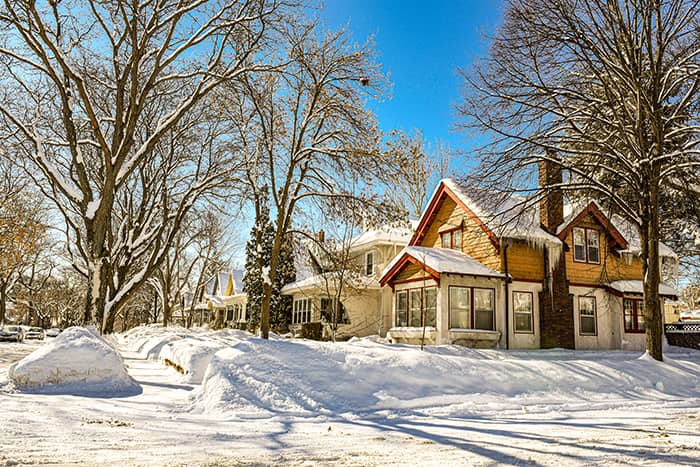
    According to Zillow, home values are expected to increase by 2.3% over the next year. The median home price in Rochester is currently $128,100, and while the city’s appreciation rate may not match the national average, it is heading in the right direction.

    The recent appreciation rates have resulted in many Rochester homeowners having more equity now than at any point during the recession. This influx of equity could promote owners to sell, leading to an increase in inventory levels.

    The following figures illustrate the amount of equity gained relative to the year of a home’s purchase:

    • Homes purchased in the Rochester housing market one year ago have appreciated, on average, by $3,444. The national average was $12,731 over the same period.
    • Homes purchased in the Rochester housing market three years ago have appreciated, on average, by $14,561. The national average was $51,204 over the same period.
    • Homes purchased in the Rochester housing market five years ago have appreciated, on average, by $17,874. The national average was $48,225 over the same period.
    • Homes purchased in the Rochester housing market seven years ago have appreciated, on average, by $21,514. The national average was $1,750 over the same period.
    • Homes purchased in the Rochester housing market nine years ago have appreciated, on average, by $32,435. The national average increased by $5,043 over the same period.

    A property profile report, free owner search, or property owner finder can provide valuable insights into the Minneapolis housing market. While the city’s housing market may have a ways to go to catch up with the downstate economy, recent developments suggest that Rochester is on the right track.

    Exploring the Rochester Housing Market: An Analysis of Key Trends and Neighborhoods

    The Rochester housing market has been on a steady path of recovery, but it still has a way to go before it catches up with Minneapolis’s economy. Nevertheless, there are plenty of reasons for optimism. According to Zillow, the median home price in Rochester is $128,100, and the housing market has experienced appreciation rates for three consecutive years. The forecast for the next year also looks promising, with a projected 2.4% increase in home values. This report analyzes key trends in the Rochester housing market, including its job sector, new construction, affordability, and delinquencies. It also highlights some of the most popular neighborhoods in Rochester, as identified by Trulia.

    Job Sector and Growth

    Although Rochester’s job sector is better than the national average, it still has room to grow. The city has a lower unemployment rate than the national average, which is currently at 5.8%. In particular, Rochester’s unemployment rate is close to that of Kansas City. However, the city’s job growth rate is a cause for concern, as it has only demonstrated a job growth rate of 0.5% over the course of a year. At that rate, Rochester is nearly one-quarter of the national average, whereas local employment growth for the rest of the country is just under 2%. Despite this, the job sector has demonstrated an ability to keep the Rochester housing market afloat.

    New Construction

    The current state of the Rochester housing market has not promoted new housing developments. Construction appears to have bottomed out, falling 3.2% below the long-term national average. The distinct lack of new construction should limit new supply to the market. With fewer properties available for purchase, inventory will temper just enough for demand to catch up. However, foreclosures and short sales in the Rochester housing market will add more properties to the market than in previous years. The presence of distressed inventory should place downward pressure on median home prices.

    Delinquencies and Affordability

    More than 6% of homeowners in the United States are delinquent on mortgage payments. However, the Rochester housing market nearly doubles the national average, with about 13% of all homeowners in the Rochester area behind on payments. Despite the high delinquency rate, only 11% of Rochester homeowners are underwater, meaning that they owe more on their property than it is worth. Affordability in the Rochester housing market continues to drive demand, as the city is more affordable than most markets across the country. The average Rochester homeowner allocates only 6.4% of their monthly income towards mortgage payments, which is less than half of what the average homeowner typically allocates, at 16.1% of their monthly income.

    As with any major metro, individual neighborhoods in Rochester perform at different levels. Trulia’s research identified some of the most popular areas in Rochester, including Bloomington, Duluth, Brooklyn Park, Woodbury, and Lakeville. These neighborhoods have outperformed others on an annual and even weekly basis, making them attractive areas to buy a home.

    In conclusion, the Rochester housing market is on the right track. While there are challenges to be addressed, such as the city’s job growth rate and delinquency rate, the city’s affordability and steady appreciation rates are driving demand. Moreover, some neighborhoods in Rochester are performing better than others, creating opportunities for buyers and sellers alike. With a projected increase in home values over the next year, now may be a good time to explore the Rochester housing market further. Don’t forget to take advantage of free owner searches and property owner finder services to make your search easier.

    Historic Price Changes & Housing Affordability

    Kiplinger recently published a report that provides an affordability index of one to 10 for the 100 largest metropolitan areas in the United States. This index assesses how affordable housing is based on the percentage of annual income needed to purchase a median-priced home. A score of one indicates the most affordable location, while 10 represents the least affordable. The Rochester metropolitan real estate market has an affordability index of 3, making it one of the more affordable places to own a home. Since the previous real estate peak, home prices in Rochester have increased by 44.4%, and since the last market bottom, they have grown by 60.3%. Kiplinger predicts that housing prices in Rochester and throughout the United States will likely continue to rise due to surging demand.

    Rochester, MN’s Economy

    In terms of quality of life, Business Insider ranks Rochester among the top 30 cities to live in as the economy recovers. The report considered nine key quality-of-life metrics, including population density, education levels, housing affordability, and the ability to work from home. According to Forbes, the cost of living in Rochester is 11% below the national average.

    Niche.com gives Rochester an overall B grade, with high ratings for outdoor activities, commuting, and nightlife. U.S. News & World Report ranks Rochester among the best places to live and retire in the country, with friendly residents. Furthermore, 37% of Rochester’s population is aged between 20 and 49, a demographic that usually prefers to rent than to own a home. Rochester experiences a humid continental climate, with four distinct seasons and regular precipitation throughout the year. Commute times average slightly over 21 minutes, allowing for more time with friends and family. The city is nicknamed the “World’s Image Centre,” as it has been the birthplace of innovative companies such as Kodak, Xerox, and Bausch & Lomb.

    Rochester continues to be a center for higher education, medical, and technological development, and its cultural institutions include the Rochester Philharmonic Orchestra, the International Museum of Photography and Film, and the Rochester Museum & Science Center.

  • Property Records of Minnesota Unites With New MN Homeowner to Examine Property History Report

    Property Records of Minnesota Unites With New MN Homeowner to Examine Property History Report

    Property Records of Minnesota is based in Minneapolis, MN, the company has merged with new homebuyers and homeowners to create the perfect property history report. The property history report is for individuals who are interested in selling their house, buying a property, or simply want more details about a certain home. The reports help people make an educated decision regarding their real estate based on land information:

    • Sales records
    • Real property value
    • Mortgage records
    • Demographics
    • Releases
    • Foreclosure details  
    • And more

    Property Records of Minnesota works with third-party partnerships to collect the necessary up-to-date data that MN homeowners need. The next step is to put everything together into a comprehensive and easy-to-read property history report.

    Unfortunately, the real estate industry has a negative reputation for being overwhelming and stressful, this will discourage people from buying and or selling a property.

    What People Think It’s Like What It’s Really Like

    For many years television shows have portrayed home renovations and buying a home in a certain light that is somewhat unrealistic. As such, the people at Property Records of Minnesota decided to break down the steps to buying a home for MN residents. The purpose of this is to help individuals understand how the real estate market works.

    Property Records of Minnesota Helps Individuals Wanting to Buy a Home

    Property Records of Minnesota has told MN residents how important it is to educate themselves about the real estate industry and its new changes. Anyone person who is thinking about becoming a homeowner can make a smarter financial decision with this property history report due to the documents outlining a wide range of details regarding a real estate asset.

    Each property history report covers a specific address, so it can produce the best data possible. These types of reports come in handy for people who are thinking of selling their homes and those who are planning to purchase soon.

    When an individual decides to invest in a property history report they will receive a comprehensive list of documents that include topics covering:

    • Property releases
    • Zoning
    • Ownership report
    • Title transfer
    • Mortgage recording data
    • MN tax data
    • Foreclosure details
    • Student-to-faculty ratio
    • Flood information  
    • Summary of records
    • Public Records
    • Land information
    • Characteristics
    • Copy of the deed
    • Property History
    • Real value
    • Sales records
    • And more

    Property Records of Minnesota Helps MN Residents Invest in the Right Property

    Investing in the right property is something that people are always looking for and understand the importance of doing their homework first before purchasing.

    The biggest problem that rookie investors have is that some properties may look nice and intact but have more serious issues behind the walls. A pretty paint job is deceiving and it hides lies behind it. The property history report will help MN residents identify major renovations that didn’t have the proper permits. Not having the proper documentation usually means that the job was done by an individual or company without a contractor’s license. This is a big problem due to fire hazards, poor workmanship, and failure to follow contraction codes.

    Owning a House in MN is More Laborious Than People Might Think

    Owing a home in MN is more complex than some people might think. It’s not as easy as raising your credit score, saving a few thousand dollars for the down payment, and looking for a realtor. There are a lot more requirements that mortgage companies require an individual to have to just get pre-approved. Even though MN is not as expensive as states like New York, California, and Oregon mortgage companies require a long list of documents.

  • Cryptocurrency Helps Gen Z and Millennials Purchase Real Estate

    Cryptocurrency Helps Gen Z and Millennials Purchase Real Estate

    Generation Z is also known as Gen Z and Millennials are buying property in a different way than Baby Boomers did. With the growing popularity of cryptocurrencies like Bitcoin, Ethereum, and Dogecoin it is now easier than ever to buy property. Many people are drawn to real estate investing because of passive income; this is income where the money keeps growing without time being put into the equation. There are a lot of advantages to passive income, and this is one of the reasons why investors are so drawn to real estate. Investing in real estate has four main advantages.

    • Cash Flow
    • Amortization
    • Depreciation
    • Appreciation
    • Developing a Plan

    As a Gen Z and Millennial, it is vital to develop a plan when investing. There are a lot of people who simply start investing to try and make something happen. If you want to take the next step with your investment, there are a lot of things to keep in mind during the process. Not only do you need to think about the long term, but there are financing or cash requirements in the short term as well.

    The Benefits of Real Estate

    There are a lot of benefits to investing in real estate versus other asset classes. Over the long term, real estate tends to appreciate as you build up wealth. In addition, there are a lot of people who enjoy buying and owning real estate. Anyone who wants to take the next step with their wealth should look to this asset class as a way to build up their portfolio. Managing cash flow and tenants is difficult, but over time investing in this area is one of the best things that you can do for your money. Always keep the long-term in mind when it comes to investing.

    Earning Monthly Cash Flow

    Earning cash flow every month is one of the best things about real estate investing. Many people assume that rent – a mortgage is equal to your monthly cash flow. However, there are a lot of other expenses to keep in mind when renting out a property. A good rule of thumb is to estimate that 50% of your rental income will go to expenses other than your mortgage over time. Although this is a conservative estimate, it is a good indicator of how much your real cash flow will be.

    Are We Able to Increase Cash Flow?

    There are many ways for investors to increase their cash flow over time, many social media sites like youtube offer great videos on how to do just that, check this one out here. Anyone who wants to take the time to invest in real estate needs to make sure they understand the cash flow equation. Just like any debt, getting rid of payments requires debt payments. However, paying off a home is much more difficult than paying off your student loans. Learning how to increase your cash flow is one of the most important parts of investing. A lot of landlords will simply increase the rent every year. While the mortgage payment stays the same, the rents rise over time. Here are some ways to increase cash flow in your real estate business.

    • Pay Off Debt
    • Increase Rent
    • Reduce Other Expenses
    • Loan Term

    This sounds complicated, but really just means debt pays down over time, according to the Property Records of Minnesota. If you have a mortgage on a home, part of your payment goes to the principal balance on the debt. The longer the loan term, the more interest the borrower pays over time. One of the biggest advantages of real estate investing is that landlords experience amortization gains over time simply by renting out the property. Instead of having to pay for the mortgage, the tenant pays for the amortization over time.

    Long Term Wealth

    This process leads to a lot of long-term gains on paper. If you hold a property for 30 years, the tenant will pay off the entire mortgage. There are obviously going to be a lot of issues during that time that you have to deal with, but amortization is one of the most important aspects of building wealth through real estate.

    Depreciation

    Taxes are boring, so spending a lot of time on depreciation may make for good nighttime reading. There are a lot of people who overlook the benefits of depreciation on their homes. Over time, landlords can write off a lot of expenses that they would otherwise be unable to do. This leads to a huge amount of tax savings over time. If you have questions about this process, it is a good idea to talk to your CPA.

    Appreciation

    Perhaps the best aspect of real estate investing is appreciation. Real estate generally appreciates in price over the long term. Unlike investing in stocks, real estate investing is usually a lot less volatile. There are a couple of factors that influence the rate of appreciation in stocks.

    • Location
    • Quality
    • Economic Conditions
    • Age of Home
    • Appreciation Over Time

    There are a lot of factors that influence appreciation over time. As an investor, appreciation leads to a lot of paper gains in your net worth. One of the benefits of real estate investing is the fact that you are able to leverage a small amount of money to purchase a large asset. On a $200,000 home, an investor may only have to put down $40,000. This $200,000 may turn into a $350,000 property over a period of ten years. As the tenant pays down the principal balance, the property continues to build in value. Always look at the price of a home when you are spending money. Real estate investing can lead to financial independence, but it takes a lot of hard work over a long period of time to accomplish this goal.

  • Here is How You Make Your Small Dining Area Look Bigger and More Expensive

    Here is How You Make Your Small Dining Area Look Bigger and More Expensive

    A small dining area can feel cramped and uninviting, especially if you’re on a tight budget. However, with some creative thinking and smart design choices, you can transform your space into a luxurious and spacious dining area that’s sure to impress. Here are some tips to help you make your small dining area look bigger and more expensive without breaking the bank.

    Minimalist and Modern Design

    Minimalism is a popular design trend that emphasizes simplicity and clean lines. When it comes to a small dining area, a minimalist and modern design can help make the space look more spacious and luxurious. Choose a neutral color scheme with pops of color to add interest, and avoid cluttering the space with too many decorative items. Keep the design simple and streamlined for a sleek and modern look.

    Play with Lighting

    Lighting can have a big impact on the perceived size of a room. Consider incorporating multiple light sources, such as pendant lights, wall sconces, and table lamps, to create a warm and inviting atmosphere. Additionally, using light-colored curtains or sheer fabrics can help maximize natural light and create the illusion of more space.

    Add a Statement Piece

    One statement piece can instantly elevate the look of a small dining area and make it feel more luxurious. Consider investing in a unique chandelier, a piece of art, or a striking rug to add visual interest and personality to your space. Keep the rest of the decor simple to let the statement piece shine.

    Mix and Match Furniture

    Mixing and matching furniture pieces can add a sense of depth and character to your small dining area. Consider pairing different styles and materials, such as a wooden table with metal chairs, to create a modern and eclectic look. Additionally, consider using furniture with visible legs to create the illusion of more space.

    Shop Smart and Affordable

    Creating a luxurious and spacious dining area doesn’t have to break the bank. Shop smart and affordable by looking for deals and steals at thrift stores, flea markets, and online marketplaces. Additionally, consider shopping at affordable furniture retailers like IKEA, which offer a wide range of stylish and modern pieces at low-cost prices.

    Conclusion

    With some creative thinking and smart design choices, you can transform your small dining area into a luxurious and spacious space without spending a fortune. Consider a minimalist and modern design, play with lighting, add a statement piece, mix and match furniture, and shop smart and affordable. By following these tips, you can create a dining area that looks and feels expensive, modern, and inviting.

  • How to Renovate Your Restroom on a Budget and Make it Look Extravagant

    How to Renovate Your Restroom on a Budget and Make it Look Extravagant

    Renovating your restroom can be an expensive task, but it doesn’t have to be. With a little creativity and some budget-friendly ideas, you can turn your plain and boring restroom into an extravagant and stylish space. In this article, we will explore some tips and tricks to help you renovate your restroom on a budget.

    Thrift and Yard Sale Finds

    Thrift stores and yard sales can be great sources of cheap and affordable decor items. Look for vintage or unique pieces that can add a touch of character to your restroom. For example, a vintage mirror or a rustic wooden shelf can be repurposed to add charm to your restroom. With a little bit of paint or polish, these items can look like they were meant to be in your restroom all along.

    Renovate Using Gold Accents

    Adding gold accents to your restroom can make it look expensive and luxurious. Look for gold-colored fixtures such as towel bars, toilet paper holders, and faucets. You can also add gold-colored decor items such as picture frames or vases. These small touches can make a big impact on the overall look and feel of your restroom.

    Keep it Minimalist

    A minimalist approach to restroom decor can be both stylish and budget-friendly. Keep your restroom clutter-free and organized with simple storage solutions. Use baskets or shelves to store toiletries and towels. A clean and clutter-free restroom will make it look more spacious and luxurious.

    DIY Renovate Projects

    DIY projects can be a great way to save money while adding a personal touch to your restroom decor. For example, you can make your own artwork by framing a favorite photograph or painting. You can also create your own soap dispensers by repurposing glass jars or bottles. The possibilities are endless, and DIY projects can be a fun way to get creative with your restroom decor.

    Free Upgrades

    Believe it or not, there are many free upgrades you can make to your restroom that will make it look more extravagant. For example, replacing your old shower curtain with a new one can instantly freshen up the look of your restroom. You can also swap out your old toilet seat for a new one or add a new rug or bath mat. These small changes can make a big difference without breaking the bank.

    In conclusion, renovating your restroom on a budget is possible with a little creativity and some thrifty ideas. Whether you choose to repurpose vintage finds or add gold accents, there are many ways to transform your restroom into an extravagant and stylish space. By keeping it minimalist and incorporating DIY projects, you can create a unique and personal space that reflects your style and personality. With these tips and tricks, you can renovate your restroom on a budget and enjoy the luxurious space you deserve.

  • Here’s How to Get Rid of Your Bat Problem in Your Home (VIDEO)

    Here’s How to Get Rid of Your Bat Problem in Your Home (VIDEO)

    Bats are fascinating creatures that play important roles in ecosystems around the world. However, they can sometimes take up residence in homes or other buildings, leading to concerns about their presence. In this article, we will address some common questions regarding Chiropteras, including how to identify their presence, the risks associated with bat infestations, and how to safely remove them.

    How can I tell if I have bats?

    There are several signs that can indicate the presence of bats in your home or other building. These include:

    • Sightings: If you see Chiroptera flying around your home or property, it is a clear indication that they are present.
    • Droppings: Bat droppings, also known as guano, are often found near entry points, such as attic vents or windows. They look like small, dark pellets and can accumulate over time.
    • Stains: Bats often leave oily stains on walls and ceilings, which can appear as smears or streaks. These stains may be caused by their fur, saliva, or urine.
    • Sounds: Chiroptera makes high-pitched squeaking or scratching sounds, which can often be heard coming from walls or ceilings.

    If you notice any of these signs, it is important to take action to remove the bats from your home.

    Are Chiroptera pervasions risky?

    While bats are generally harmless to humans and are beneficial for the environment, their presence can pose some risks. One of the main concerns is the potential for disease transmission. Chiroptera can carry rabies, which can be transmitted through bites or scratches. They can also carry other diseases, such as histoplasmosis, which can be contracted by inhaling spores from bat guano.

    In addition, bat infestations can cause damage to homes and buildings. Chiroptera droppings can accumulate over time, causing unpleasant odors and potential health hazards. They can also damage insulation and other building materials.

    Bat infestation in the attic – Video

    https://www.youtube.com/watch?v=0bEJK64W0U4&ab_channel=XceptionalWildlifeRemoval

    How can I dispose of bats?

    It is important to handle bat removal and disposal carefully to avoid harming the animals and to protect yourself from potential health risks. It is recommended to hire a professional wildlife removal service to handle Chiroptera removal and disposal. They have the expertise and equipment necessary to safely and humanely remove bats from your home and relocate them to a suitable habitat.

    It is important to note that bats are protected by law in many areas, and it is illegal to harm or kill them. Therefore, it is important to use humane methods to remove them.

    How can I keep Chiroptera out?

    Preventing bats from entering your home is the best way to avoid the need for removal and disposal. Here are some steps you can take to keep Chiroptera out of your home:

    • Seal entry points: Bats can enter through small cracks and gaps, so it is important to seal all potential entry points, such as vents, chimneys, and gaps around windows and doors.
    • Install screens: Installing screens over vents and other openings can help to keep Chiroptera out while still allowing air to flow.
    • Use deterrents: Some homeowners use ultrasonic devices or bright lights to deter Chiroptera from entering their homes.
    • Keep your yard well-maintained: Bats are attracted to overgrown vegetation and cluttered yards, so keeping your yard well-maintained can help to discourage them from taking up residence on your property.

    In conclusion, while bats can be fascinating creatures, their presence in your home can pose risks to both your health and your property. If you suspect that you have a Chiroptera infestation, it is important to take action to remove them safely and humanely. Additionally, taking steps to prevent bats from entering your home can help to avoid future infestations.