Tag: Saint Paul

  • Short Sales 101: Understanding Your Rights and Responsibilities in Minnesota

    Short Sales 101: Understanding Your Rights and Responsibilities in Minnesota

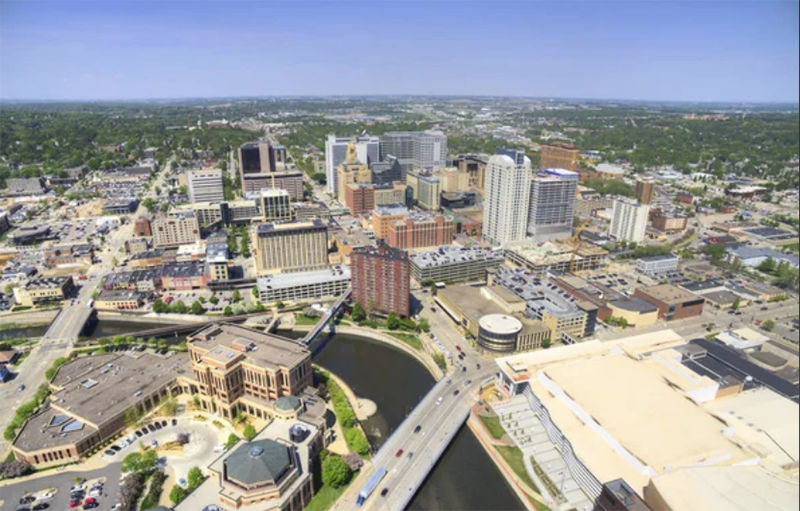
    Short sales in real estate are a significant aspect of the housing market, particularly in times of economic downturn or when homeowners find themselves unable to meet their mortgage obligations. In Minnesota, understanding the intricacies of short sales is crucial for buyers, sellers, and real estate professionals. This article delves into the process, implications, and trends of short sales across Minnesota’s largest cities, including Minneapolis, Saint Paul, Rochester, Bloomington, and Duluth.

    What is a Short Sale?

    A short sale occurs when a homeowner sells a property for less than the amount owed on the mortgage, and the lien holder (typically a bank) must approve the sale. Homeowners often pursue this option when facing foreclosure as a way to mitigate financial damage. It is crucial to understand that in a short sale, the lien holder’s role is central, as they are the ones to accept the reduced payoff to release the lien on the property.

    The Role of Mortgage Loans and Lien Holders

    In the context of a short sale, the homeowner’s mortgage loan is a key element. When a property is bought, a mortgage loan is typically used to finance the purchase, and the lender becomes the lien holder. In a short sale scenario, the property’s sale price may not cover the full amount due on the mortgage, requiring the lien holder’s agreement to accept a lower amount. This makes the lien holder’s participation essential in the process.

    Navigating Short Sales in Minneapolis and Saint Paul

    Minneapolis and Saint Paul, as the twin hubs of urban and economic activity in Minnesota, see a varied range of real estate transactions, including short sales. Navigating a short sale in these cities requires understanding local market conditions and legal frameworks. Real estate agents with expertise in short sales can provide invaluable assistance, helping sellers negotiate with lien holders and aiding buyers in finding potential short sale properties.

    The Impact on Property Values in Rochester and Bloomington

    The occurrence of short sales can have a localized impact on property values, particularly in cities like Rochester and Bloomington. When multiple properties within a community are sold through short sales, it might temporarily depress property values. However, for buyers, this can present opportunities to enter the housing market at a lower point, potentially increasing long-term profit as the market recovers.

    Short Sales in Duluth: Challenges and Opportunities

    In Duluth, as in other parts of Minnesota, the challenges of short sales often revolve around the time-consuming and complex negotiation processes with lien holders. However, these challenges also bring opportunities. For buyers, particularly those not under time constraints to purchase, short sales can offer a chance to make a profitable investment, as sellers often list properties below market value.

    Future Trends in Minnesota’s Short Sale Market

    Looking ahead, broader economic conditions, mortgage rates, and foreclosure rates will likely influence the trend in short sales in Minnesota. As the market adjusts to post-pandemic economic realities, we may observe potential increases in short sales if homeowners continue to struggle with their mortgage obligations.

    In conclusion, short sales remain a critical element of Minnesota’s real estate landscape, offering unique challenges and opportunities to all parties involved. Whether in the bustling streets of Minneapolis or the scenic views of Duluth, understanding the dynamics of short sales is essential for anyone looking to navigate this complex market.

  • St. Paul Suburb Blast and Inferno Kills at Least One, Fire Chief Reports

    St. Paul Suburb Blast and Inferno Kills at Least One, Fire Chief Reports

    In the early hours of Thursday morning, a devastating event unfolded in a residential area of South St. Paul, a suburb of Minnesota’s capital city. A catastrophic explosion, followed by a fierce fire, completely destroyed a home, tragically resulting in the loss of at least one life, as confirmed by a senior fire official.

    The incident occurred just after 6:15 a.m. in a quiet neighborhood of South St. Paul, as reported by South Metro Fire Department Chief Mark Juelfs. Firefighting teams responded with remarkable speed, arriving at the scene within minutes of the explosion. Despite the intensity of the flames, they were able to extinguish the fire rapidly.

    Firefighters Made a Heartbreaking Discovery

    In the aftermath, during an initial search of the ruins of the home, firefighters made a heartbreaking discovery. One individual was found deceased inside the garage area of the property. Authorities are yet to officially identify the victim, and at this time, it remains unclear if there were other occupants in the house at the time of the explosion.

    Chief Juelfs emphasized the challenges faced by the rescue teams due to the extensive debris. “We can’t confirm whether there are additional victims until we sort through a lot of the debris,” he stated, highlighting the complexity of the situation.

    The Investigation

    The fire department is collaborating closely with local law enforcement and public works officials to investigate and determine the cause of the blast. This joint effort is crucial in piecing together the events leading up to the tragedy and preventing similar incidents in the future.

    South St. Paul, a city with a population of approximately 21,000 residents, is situated about 8 miles (13 kilometers) south of the larger city of St. Paul. This close-knit community is now grappling with the aftermath of this unfortunate event, which has shaken the tranquility of this suburban area.

    As the investigation continues, the focus remains on providing support to those affected by the tragedy and ensuring the safety and well-being of all residents in the South St. Paul community.

  • College and University-Friendly Cities in Minnesota: The Positive Impact on Real Estate

    College and University-Friendly Cities in Minnesota: The Positive Impact on Real Estate

    Minnesota, popularly known as the “Land of 10,000 Lakes”, is not only famed for its picturesque lakes and wilderness but also for its thriving education sector. Numerous cities in the state are home to prestigious colleges and universities, making them hotspots for students, faculty, and educational professionals. These institutions not only contribute to the cultural, social, and economic fabric of these cities but also play a pivotal role in influencing the real estate market.
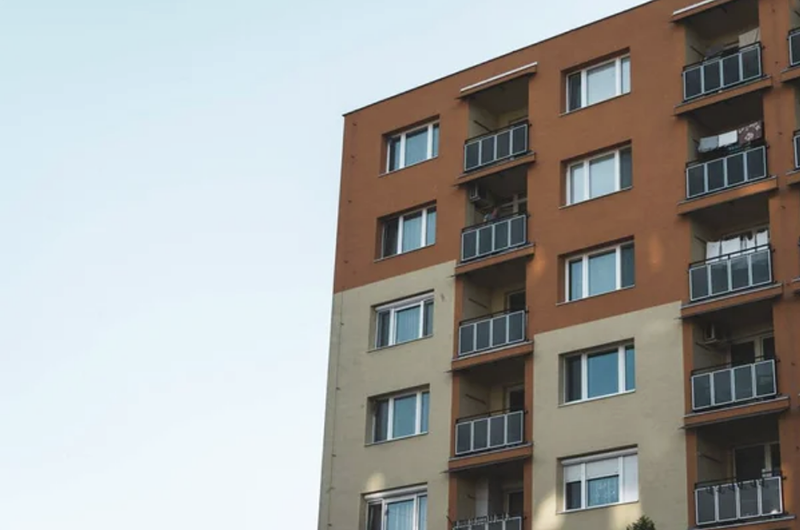
    This article dives deep into some of the college and university-friendly cities in Minnesota and how these institutions buoy the real estate sector.

    Minneapolis

    As the largest city in Minnesota, Minneapolis houses the flagship campus of the University of Minnesota. This public research university alone caters to over 50,000 students. The presence of such a significant institution has made the area a hub for students, educators, and professionals.

    Real Estate Impact: The high influx of students and faculty requires housing, leading to a consistent demand for rental properties, especially close to the university. This demand drives up property values in the vicinity and ensures stable rental income for property owners.

    St. Paul

    Adjacent to Minneapolis, St. Paul, the state’s capital, is another educational hub. Institutions like Macalester College, St. Catherine University, and Concordia University reside here.

    Real Estate Impact: St. Paul’s diverse academic landscape means there’s a diverse student population looking for housing options. Consequently, there’s a thriving market for multi-family residences, townhomes, and apartments catering to both short-term and long-term stays.

    Duluth

    Home to the University of Minnesota Duluth and The College of St. Scholastica, Duluth is a scenic city by Lake Superior. Its academic institutions are prominent contributors to the local economy.

    Real Estate Impact: Apart from the regular student housing demand, Duluth’s allure as a lake city makes it an attractive place for faculty and university staff to settle down. This has boosted the residential real estate market, especially in areas offering lake views.

    Mankato

    With institutions like Minnesota State University, and Mankato, the city is an educational center for the southern part of the state.

    Real Estate Impact: The consistent growth of the university has ensured a steady demand for housing in Mankato. This has resulted in the growth of off-campus student housing complexes and an uptick in the rental market.

    Moorhead

    Moorhead hosts Concordia College and Minnesota State University Moorhead. The city, being adjacent to Fargo, North Dakota, benefits from a combined student population of both states.

    Real Estate Impact: Moorhead’s housing market is buoyant because of the combined demand from both cities. Rental properties, especially those catering to students, have seen significant appreciation over the years.

    How Colleges and Universities Positively Impact Real Estate:

    Consistent Demand: Every academic year ushers in a new wave of students, ensuring a constant demand for housing.

    Infrastructure Development: Colleges often lead to better infrastructure in areas where they’re located, making them more appealing for real estate investments.

    Economic Boost: Colleges employ faculty, and staff, and indirectly boost local businesses, positively affecting the local economy and, by extension, the real estate sector.

    Cultural Hubs: University towns are often cultural hubs, hosting events, festivals, and conferences, which enhances the city’s appeal and livability, thereby bolstering property values.

    Stable Investment: Even during economic downturns, educational institutions can provide stability, making real estate investments in these areas less volatile.

    Conclusion

    Minnesota’s educational landscape, dotted with numerous colleges and universities, has had a pronounced positive influence on its real estate sector. Whether it’s the vibrant twin cities of Minneapolis and St. Paul or the scenic city of Duluth, these institutions have played a pivotal role in shaping the state’s real estate dynamics. Investing in cities with strong educational anchors is not just about capital appreciation but also about contributing to the growth of communities anchored in knowledge and culture.

  • Federal Judge Dismisses Lawsuit Challenging Rent Control in Saint Paul

    Federal Judge Dismisses Lawsuit Challenging Rent Control in Saint Paul

    A United States federal judge has dismissed a lawsuit lodged against the city of Saint Paul, Minnesota, by a group of apartment owners. The litigants argued that the city’s rent control policy constituted an unconstitutional confiscation of private property. This lawsuit also included additional purported violations of various statutes of state and federal law. The decision marks a significant turning point in the ongoing debate surrounding the legitimacy of rent control measures.

    Nancy Brasel’s Landmark Judgment

    Presiding over the case was U.S. District Court Judge Nancy Brasel, who penned a comprehensive 51-page judgment on Monday, effectively terminating the federal lawsuit. Brasel flatly rejected the plaintiff’s request for a summary judgment, a legal motion requesting a final decision without proceeding to a full trial. In contrast, she granted the city’s request for summary judgment, effectively halting the lawsuit in its tracks.

    Context: Saint Paul’s Rent Control Ordinance

    The residents of Saint Paul approved the city’s rent control ordinance via a vote back in November of 2021. This statute imposed a 3% limit on annual rent increases, which at the time was recognized as one of the most stringent rent control policies in the United States. Subsequently, in September last year, the city council made amendments to this policy, exempting affordable housing projects as well as any new construction projects for the following 20 years.

    The plaintiffs, Woodstone Limited Partnership and Lofts at Farmers Market LLC, own properties within the city. Woodstone’s property is located at 2335 Stewart Ave., off Shepard Road, and the Lofts at Farmers Market is located at 260 Fifth St. E. between downtown Mears Park and CHS Field.

    Judge Brasel’s Opinion: A Rejection of Plaintiffs’ Claims

    Judge Brasel issued an expansive opinion, finding little to no substance in the claims made by the plaintiffs. They had argued that the voter-approved 3% cap on yearly rent increases could potentially devalue property assets and disincentivize the investment in affordable housing. In her judgment, Brasel argued, “Plaintiffs contend that the amended ordinance will not work and will not meet its stated objectives. These predictions may come true, but a poor policy decision is not a due‐process violation.”

    The judge highlighted that the city has put in place mechanisms for landlords to pursue rent increases of up to 8% via virtually automatic self-certifications. Increases beyond this limit can be sought with the approval of city staff. Contrasting this case with a 1976 suit against the city of Berkeley, California, she noted that Saint Paul has granted the majority of requested rent control exceptions without requiring public hearings. As proof of the system’s efficiency, she pointed out that out of 152 applications, only five led to appeals.

    The Constitutionality of Rent Control

    The argument that rent control violates the contracts clause of the U.S. Constitution was also addressed. Judge Brasel declared this point moot in the case of the Lofts at Farmers Market, as their downtown St. Paul apartment building, established in 2012, falls within the recent 20 years and is thus exempt from rent control starting from January 1st. She further declared, “Woodstone also should have reasonably known that courts have long upheld the constitutionality of rent‐stabilization policies that guarantee a reasonable return on investment.”

    Rent Control: Legal Precedents and Implications

    Judge Brasel was not convinced by the argument that placing limits on landlord rents equates to the government essentially confiscating money from them in two ways, both in terms of actual income and the resale value of their property. In her decision, she referenced legal precedents for rent control from across the country, as well as state housing law, stating that the Minnesota housing market is “highly regulated” and that “courts have long held that comparable rent‐stabilization policies are constitutional.”

    Judge Brasel concluded her judgment by noting that, in the context of rent stabilization, the Supreme Court has repeatedly asserted that states have considerable authority to regulate housing conditions and landlord-tenant relationships without the necessity of providing compensation for all economic injuries that such regulation might incur.

  • Analyzing Rochester’s Housing Market Trends and Neighborhoods

    Analyzing Rochester’s Housing Market Trends and Neighborhoods

    The Rochester MN housing market may not have caught up with Minnesota’s downstate economy, but recent developments show promising signs. While it is best not to compare Rochester with Minneapolis or St. Paul, the city has witnessed three consecutive years of appreciation rates, which have brought about some much-needed relief for homeowners.

    According to Zillow, home values are expected to increase by 2.3% over the next year. The median home price in Rochester is currently $128,100, and while the city’s appreciation rate may not match the national average, it is heading in the right direction.

    The recent appreciation rates have resulted in many Rochester homeowners having more equity now than at any point during the recession. This influx of equity could promote owners to sell, leading to an increase in inventory levels.

    The following figures illustrate the amount of equity gained relative to the year of a home’s purchase:

    • Homes purchased in the Rochester housing market one year ago have appreciated, on average, by $3,444. The national average was $12,731 over the same period.
    • Homes purchased in the Rochester housing market three years ago have appreciated, on average, by $14,561. The national average was $51,204 over the same period.
    • Homes purchased in the Rochester housing market five years ago have appreciated, on average, by $17,874. The national average was $48,225 over the same period.
    • Homes purchased in the Rochester housing market seven years ago have appreciated, on average, by $21,514. The national average was $1,750 over the same period.
    • Homes purchased in the Rochester housing market nine years ago have appreciated, on average, by $32,435. The national average increased by $5,043 over the same period.

    A property profile report, free owner search, or property owner finder can provide valuable insights into the Minneapolis housing market. While the city’s housing market may have a ways to go to catch up with the downstate economy, recent developments suggest that Rochester is on the right track.

    Exploring the Rochester Housing Market: An Analysis of Key Trends and Neighborhoods

    The Rochester housing market has been on a steady path of recovery, but it still has a way to go before it catches up with Minneapolis’s economy. Nevertheless, there are plenty of reasons for optimism. According to Zillow, the median home price in Rochester is $128,100, and the housing market has experienced appreciation rates for three consecutive years. The forecast for the next year also looks promising, with a projected 2.4% increase in home values. This report analyzes key trends in the Rochester housing market, including its job sector, new construction, affordability, and delinquencies. It also highlights some of the most popular neighborhoods in Rochester, as identified by Trulia.

    Job Sector and Growth

    Although Rochester’s job sector is better than the national average, it still has room to grow. The city has a lower unemployment rate than the national average, which is currently at 5.8%. In particular, Rochester’s unemployment rate is close to that of Kansas City. However, the city’s job growth rate is a cause for concern, as it has only demonstrated a job growth rate of 0.5% over the course of a year. At that rate, Rochester is nearly one-quarter of the national average, whereas local employment growth for the rest of the country is just under 2%. Despite this, the job sector has demonstrated an ability to keep the Rochester housing market afloat.

    New Construction

    The current state of the Rochester housing market has not promoted new housing developments. Construction appears to have bottomed out, falling 3.2% below the long-term national average. The distinct lack of new construction should limit new supply to the market. With fewer properties available for purchase, inventory will temper just enough for demand to catch up. However, foreclosures and short sales in the Rochester housing market will add more properties to the market than in previous years. The presence of distressed inventory should place downward pressure on median home prices.

    Delinquencies and Affordability

    More than 6% of homeowners in the United States are delinquent on mortgage payments. However, the Rochester housing market nearly doubles the national average, with about 13% of all homeowners in the Rochester area behind on payments. Despite the high delinquency rate, only 11% of Rochester homeowners are underwater, meaning that they owe more on their property than it is worth. Affordability in the Rochester housing market continues to drive demand, as the city is more affordable than most markets across the country. The average Rochester homeowner allocates only 6.4% of their monthly income towards mortgage payments, which is less than half of what the average homeowner typically allocates, at 16.1% of their monthly income.

    As with any major metro, individual neighborhoods in Rochester perform at different levels. Trulia’s research identified some of the most popular areas in Rochester, including Bloomington, Duluth, Brooklyn Park, Woodbury, and Lakeville. These neighborhoods have outperformed others on an annual and even weekly basis, making them attractive areas to buy a home.

    In conclusion, the Rochester housing market is on the right track. While there are challenges to be addressed, such as the city’s job growth rate and delinquency rate, the city’s affordability and steady appreciation rates are driving demand. Moreover, some neighborhoods in Rochester are performing better than others, creating opportunities for buyers and sellers alike. With a projected increase in home values over the next year, now may be a good time to explore the Rochester housing market further. Don’t forget to take advantage of free owner searches and property owner finder services to make your search easier.

    Historic Price Changes & Housing Affordability

    Kiplinger recently published a report that provides an affordability index of one to 10 for the 100 largest metropolitan areas in the United States. This index assesses how affordable housing is based on the percentage of annual income needed to purchase a median-priced home. A score of one indicates the most affordable location, while 10 represents the least affordable. The Rochester metropolitan real estate market has an affordability index of 3, making it one of the more affordable places to own a home. Since the previous real estate peak, home prices in Rochester have increased by 44.4%, and since the last market bottom, they have grown by 60.3%. Kiplinger predicts that housing prices in Rochester and throughout the United States will likely continue to rise due to surging demand.

    Rochester, MN’s Economy

    In terms of quality of life, Business Insider ranks Rochester among the top 30 cities to live in as the economy recovers. The report considered nine key quality-of-life metrics, including population density, education levels, housing affordability, and the ability to work from home. According to Forbes, the cost of living in Rochester is 11% below the national average.

    Niche.com gives Rochester an overall B grade, with high ratings for outdoor activities, commuting, and nightlife. U.S. News & World Report ranks Rochester among the best places to live and retire in the country, with friendly residents. Furthermore, 37% of Rochester’s population is aged between 20 and 49, a demographic that usually prefers to rent than to own a home. Rochester experiences a humid continental climate, with four distinct seasons and regular precipitation throughout the year. Commute times average slightly over 21 minutes, allowing for more time with friends and family. The city is nicknamed the “World’s Image Centre,” as it has been the birthplace of innovative companies such as Kodak, Xerox, and Bausch & Lomb.

    Rochester continues to be a center for higher education, medical, and technological development, and its cultural institutions include the Rochester Philharmonic Orchestra, the International Museum of Photography and Film, and the Rochester Museum & Science Center.