Category: Renting

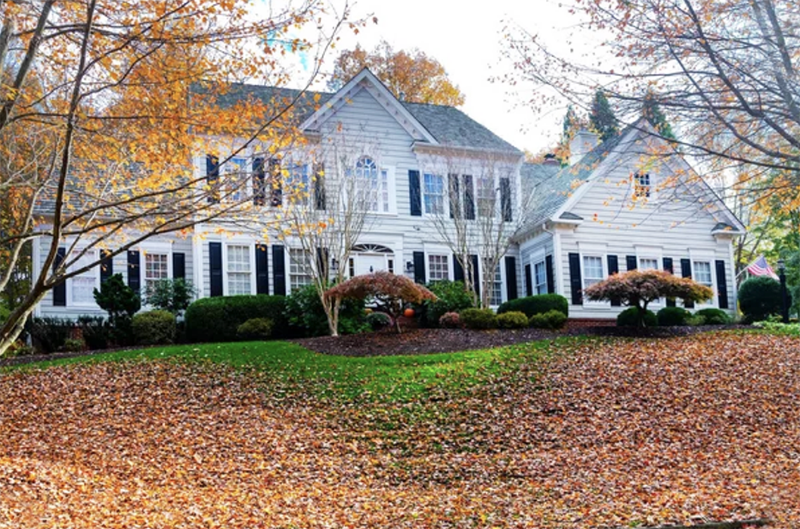
  • A Large Number of City Residents Are Making a Transition to Suburban Living

    A Large Number of City Residents Are Making a Transition to Suburban Living

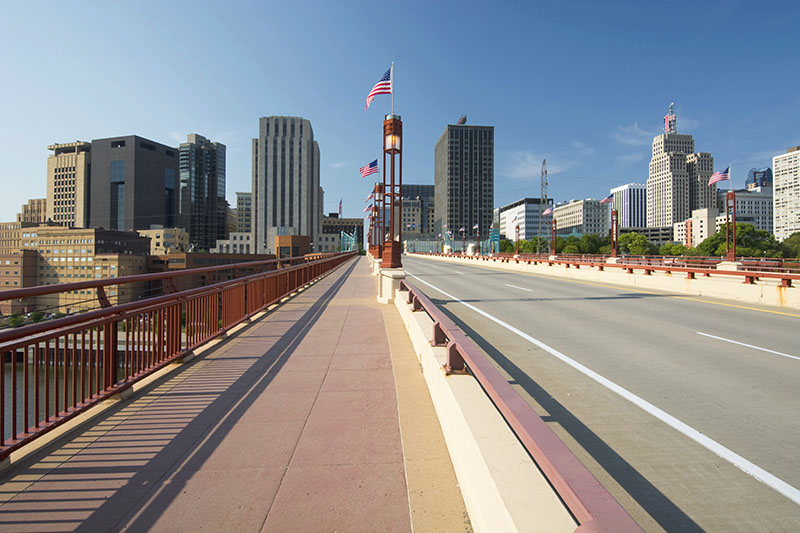
    The once-booming downtown metropolises, the pillars of industry and economic growth, are experiencing an exodus that’s reshaping the real estate landscape. As we continue to navigate the societal impacts of the 21st century, an undeniable trend has been gaining momentum: people are moving from crowded city centers to more spacious suburbs. This shift is not simply a demographic change; it is a social transformation influenced by overpopulation, anxiety, crime, and the high cost of living.

    The City Overpopulation Factor

    Big cities like New York, Los Angeles, and Chicago have long been a magnet for individuals seeking job opportunities, diverse cultures, and a vibrant lifestyle. However, as these metropolises become increasingly crowded, overpopulation has become a major concern. It leads to inadequate access to basic amenities, congested traffic, pollution, and a significant decrease in the quality of life. As a result, many are trading city life for the more comfortable, less crowded surroundings of the suburbs.

    Anxiety: The Unseen Enemy

    Modern urban life, with its unceasing demands and rapid pace, can lead to increased levels of anxiety. The COVID-19 pandemic only exacerbated this issue by fostering fear and insecurity, especially in densely populated areas. Meanwhile, suburban areas, with their slower pace of life and greater access to nature, offer a perceived respite from such stresses, causing many city dwellers to rethink their lifestyle choices.

    Crime Rates: A Push Factor

    While it is an oversimplification to state that all cities have higher crime rates than suburbs, perception plays a key role in influencing decisions. High-profile instances of crime, widely reported in the media, can foster an atmosphere of fear, making the comparative safety of suburban neighborhoods more appealing.

    The High Cost of City Living

    The economic aspect of this migration cannot be overstated. City living comes with high costs: skyrocketing rents, expensive groceries, elevated transportation costs, and more. According to the Council for Community and Economic Research, the cost of living in Manhattan, for instance, is 148% higher than the national average. In contrast, suburban areas often offer more affordable housing options, lower cost of living, and potentially better quality of life.

    Impact on the Real Estate Market

    The implications of this urban-to-suburban migration are reshaping the real estate industry. Demand for suburban properties has seen a surge, leading to increased property values and a more competitive market in these areas. Meanwhile, the urban real estate market is experiencing a shift, with an oversupply of apartments and condos leading to decreased rental prices. It’s also led to a change in what buyers and renters are looking for. A home office has gone from a luxury to a necessity for many, as remote working becomes more widespread.

    Conclusion

    The great migration from cities to suburbs is a complex phenomenon, driven by factors such as overpopulation, anxiety, crime, and high cost of living. It’s a clear reflection of changing lifestyle preferences and societal trends. For the real estate industry, understanding and adapting to these shifts will be critical to staying ahead of the curve.

    This urban-to-suburban exodus is not just about where people are choosing to live. It’s about why they’re making these choices and how these reasons are intrinsically tied to the quest for a better quality of life. This migration may very well be a reflection of a broader societal shift towards prioritizing well-being, community, and affordability over the perceived advantages of city living.

  • Building a Brighter Future: Solving Minnesota’s Housing Crisis

    Building a Brighter Future: Solving Minnesota’s Housing Crisis

    Is the housing crisis getting out of hand in Minnesota? In the intricate tapestry of life, few things hold as much significance as having a secure and stable place to call home. Without this foundation, the rest of life’s endeavors often falter. However, despite its paramount importance, investment and innovation in housing have long been overlooked by state governments. In Minnesota, the dire consequences of this negligence have become evident, exacerbated by the housing crisis that has worsened since the onset of the pandemic.
    The Alarming Impact of Unaffordable Rent: Minnesota’s Housing Crisis Unveiled

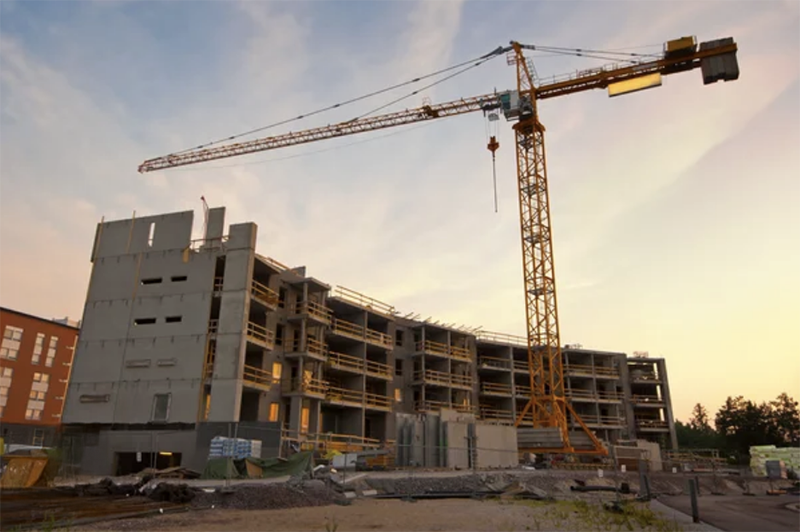
    From Albert Lea to International Falls, working families find themselves burdened by unaffordable rent. Even seniors on fixed incomes are being priced out of their homes. Shockingly, over 550,000 Minnesotans currently allocate more than 30% of their income to housing, leaving them grappling to make ends meet. The distressing statistics continue: family homelessness in Hennepin County alone increased by 250% last year, and the state witnessed over 20,000 evictions, surpassing pre-pandemic levels.

    The Multifaceted Consequences:

    The impact of Minnesota’s deepening housing crisis is not limited to the individuals directly affected. Its collateral consequences permeate all age groups and undermine the state’s economy as a whole. Housing instability directly contributes to poorer educational outcomes for students, reduced productivity among workers, and limited social mobility. Consequently, the housing crisis not only poses a moral hazard but also carries severe economic implications. Communities throughout the state struggle to attract and retain workers due to the scarcity of suitable housing options.

    Addressing the Urgent Need for Safe and Stable Homes Across the State

    As chairs of the House and Senate housing committees, we recognize the urgency of the situation and firmly believe that it is time to move beyond simply acknowledging the problem. Instead, we must make game-changing investments to alter the trajectory of Minnesota’s housing crisis. To this end, we propose a comprehensive road map that involves sustained biennial investments of over $1 billion, aiming to ensure that all Minnesotans have access to a safe and stable place they can call home. Here are the highlights of our visionary plan:

    Ending Child and Youth Homelessness by 2030:

    Recognizing the staggering number of homeless individuals in Minnesota, nearly half of whom are children, we prioritize eradicating child and youth homelessness by 2030. Our plan encompasses state-based housing vouchers and direct support systems for low-income families, effectively preventing housing crises before they occur. Immediate action includes fast-tracking $100 million in funding for the Family Homeless Prevention and Assistance Program. We also emphasize the preservation of existing affordable housing to prevent the displacement of families.

    Reducing the Racial Homeownership Gap:

    Minnesota harbors one of the most severe racial gaps in homeownership due to systemic racism within housing policies and the housing crisis. To address this issue, we propose building more affordable homes and implementing innovative down payment assistance initiatives. Our plan aims to facilitate the realization of homeownership for over 5,000 new first-generation homebuyers, thus significantly closing the racial homeownership gap.

    Supercharging Housing Supply:

    A key ingredient in tackling homelessness among youth and reducing racial disparities in housing lies in the production and preservation of affordable homes—many affordable homes. Currently, Minnesota faces a staggering 100,000-unit supply gap for homes that are affordable for lower-income individuals. The shortage also extends to affordable homes available for ownership, driving up prices for everyone.

    Recognizing that the free market alone cannot solve this crisis, we propose sustained and substantial public funding, coupled with nonprofit and for-profit investments, to spur the production of homes. Our ambitious plan aims to build and preserve an estimated 150,000 affordable homes, encompassing deeply affordable rental units, the preservation of public housing and naturally occurring affordable housing, manufactured home preservation, and creation, as well as new affordable homes for ownership.

    Tackling Minnesota’s Housing Crisis for a Brighter 2023 and Beyond

    Whether we are striving to bridge opportunity gaps in education, improve health outcomes, or enhance the economic stability of families, the path inevitably leads back home. Let us seize the year 2023 as an opportunity to take bold and decisive action, resolving Minnesota’s housing crisis once and for all. By investing in safe and stable homes for all Minnesotans, we can lay the foundation for a brighter future, where prosperity and well-being flourish throughout the state.

  • Duluth Ends Deal for $500M Incline Village Project After Developer Fails to Show Funding

    Duluth Ends Deal for $500M Incline Village Project After Developer Fails to Show Funding

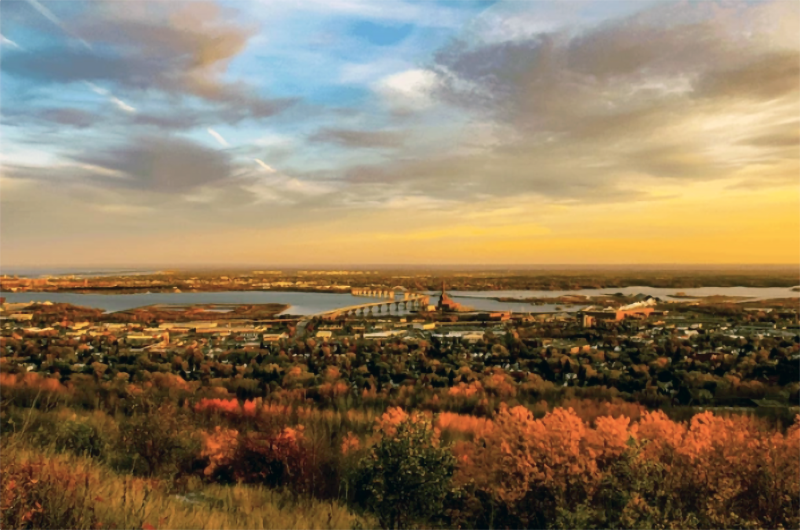
    Duluth officials voted to cancel their development agreement for a massive project called Incline Village. The plan was to build a $500 million mix of housing, retail, and other community spaces on the old Central High School site, a prime location that overlooks downtown and Lake Superior. City leaders said they had no choice but to end the deal because the developer, Incline Plaza Development LLC, failed to prove they had enough money lined up to build it.

    Why the Agreement Fell Apart

    The city’s Economic Development Authority, known as DEDA, required the developer to show proof of financing. That proof never came. Without it, Duluth couldn’t risk letting the project drag on. Officials stressed this wasn’t about rejecting development—it was about holding the developer accountable. After months of waiting and repeated extensions, the five commissioners voted unanimously to cancel the agreement.

    The Developer Pushes Back

    The company’s representatives argued that they had already invested heavily, putting in close to ten million dollars in cash and taking on millions more in debt. They claimed the delays weren’t their fault, pointing to problems with a bank that had promised financial backing but failed to deliver. That disagreement even turned into a lawsuit. One of the developers, Luzy Ostreicher, flew in from New York to plead for more time. He asked the city for a 120-day extension to secure the funding. Despite his appeal, the commissioners said they couldn’t allow any more delays.

    The Mayor’s Take

    Mayor Roger Reinert supported DEDA’s decision. He said the agreement included protections to keep taxpayers from paying the price if things went wrong, and that foresight paid off. Reinert emphasized that the city spent no public money on Incline Village and still views the Central High School site as valuable for future housing and development. He stressed that the issue wasn’t whether development should happen but whether the city should trust someone who could actually deliver.

    What Happens Now

    The site itself still belongs to the developer, which complicates things. Duluth can’t simply hand the land to another builder, at least not right away. City officials have made it clear they want to see housing and community growth on the property, but they’ll need a partner who can prove they have the money and the stability to make it happen. For now, the project is at a standstill, and the future of Incline Village depends on whether Ostreicher can rebuild trust with the city or if a new developer eventually steps in.

  • Minnesota’s Struggle with Rising Identity Theft: A Deep Dive into the Crisis

    Minnesota’s Struggle with Rising Identity Theft: A Deep Dive into the Crisis

    Minnesota, known for its picturesque landscapes and vibrant urban centers, has been grappling with a rising wave of identity theft. As the crime rates rise, an increasing number of residents in cities like Minneapolis, Saint Paul, Duluth, and Hibbing, as well as smaller towns like Elk River, are falling victim to this insidious form of fraud.

    Identity Theft: A Growing Concern

    The Federal Trade Commission (FTC) has noted an alarming increase in identity theft cases across the country, with Minnesota experiencing a corresponding surge. Impersonating, which involves fraudulently acquiring and using another person’s personal information, typically for financial gain, has severe implications for the victims. Their credit score can be damaged, they may face unexpected financial obligations, and they could even become implicated in crimes they didn’t commit.

    The Impact of Identity Theft

    Identity theft is not limited to financial fraud. It extends to various domains, including medical identity theft, where the criminal uses someone else’s identity to obtain medical care or drugs. The real estate sector has also been targeted, with home buyers and sellers becoming victims of sophisticated scams. Recently, an alarming trend of tax refund fraud has been noted, where perpetrators use stolen identities to falsely claim tax refunds from the Internal Revenue Service (IRS).

    The Role of Cybersecurity

    As our world becomes increasingly digitized, the role of cybersecurity in preventing identity theft cannot be overstated. The internet has become a fertile hunting ground for identity thieves. They exploit weak security systems and unsuspecting individuals, turning online platforms into rip-off hotspots.

    Reporting Identity Theft: The Legal Perspective

    Victims of identity theft in Minnesota should report the crime to local law enforcement and the FTC. They should also contact a lawyer experienced in impersonating cases to understand their rights and possible legal remedies. In cases of tax refund fraud, the IRS should be informed immediately.

    Penalties for Fraud

    Under Minnesota law, identity theft can result in severe penalties, including imprisonment and hefty fines, depending on the amount of financial loss incurred by the victim. The federal government can also prosecute impersonating cases, often resulting in even more severe penalties.

    The Housing Market and Fraud

    The surge in fraud in Minnesota has sparked debates around housing policies, particularly regarding the ban on corporate ownership of single-family homes for rentals. With more people moving into rentals, the risk of impersonating has increased due to the amount of personal information being exchanged.

    Conclusion: A Call to Action

    As Minnesotans, we must stay vigilant and proactive in protecting our identities. Implementing strong cybersecurity measures, being aware of potential scams, and checking credit reports regularly are key steps toward safeguarding personal information. In the face of this rising threat, we must unite and act decisively to stem the tide of identity theft in our state.

  • How Minneapolis and St. Paul Are Embracing Office-to-Residential Conversions

    How Minneapolis and St. Paul Are Embracing Office-to-Residential Conversions

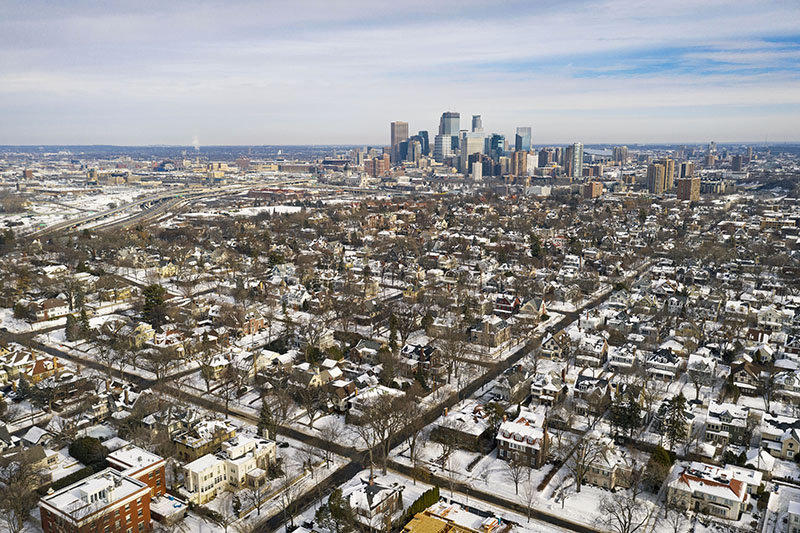
    Cities across the U.S. are reimagining what their downtowns could be, and Minneapolis and St. Paul are no exception. With so many office buildings now empty due to shifting work patterns, local leaders, developers, and city planners are promoting an idea known as “office-to-residential conversions.” This approach aims to transform unused office buildings into apartments, breathing new life into these areas. But while the concept has sparked hope, it has proven to be a complex and costly process, posing several challenges.
    Why Converting Office Spaces Matters

    Downtown areas in Minneapolis and St. Paul have seen a decline in foot traffic since more companies adopted remote and hybrid work models during the pandemic. Office buildings that were once bustling with workers are now sitting empty, and the surrounding areas lack the energy they once had. Conversion projects are seen as a way to address this problem by turning these unused spaces into homes.

    The benefits of these conversions are multiple. More housing downtown means more people living there, which increases demand for local shops, restaurants, and services, thus revitalizing the entire area. Moreover, by reducing vacant office space and creating new residential options, these projects address both the housing shortage and the issue of unused commercial real estate. City leaders view these conversions as an opportunity to reshape downtown communities into lively, mixed-use communities.

    Overcoming the Financial and Structural Hurdles

    While office-to-residential conversions offer many advantages, they are far from easy to accomplish. First, the cost of converting a building from office space to residential use is substantial. Construction expenses are high, especially when factoring in the changes needed to meet residential standards, like adding bathrooms, kitchens, and other necessary facilities. Additionally, modern office buildings, often designed with larger floor spaces and fixed windows, pose unique challenges. Unlike older buildings with smaller, flexible floor plans, these modern designs make it more challenging to create enough windows and natural light for a comfortable living space.

    Historically, developers have been able to use historic tax credits to help offset the costs of conversions, especially for older buildings. However, the rising costs of materials and labor, combined with higher interest rates, have made these credits less impactful. As a result, developers and city officials are working together to find ways to make these projects financially viable, including looking at new funding methods and incentives.

    Meeting the Need for Affordable Housing in Minneapolis

    Creating more housing downtown is essential, but city leaders and developers understand that not all of this housing should be high-end. In recent years, the apartment vacancy rate downtown has risen, so building an excess of luxury apartments may not be sustainable. To address this, many projects are focusing on providing more affordable housing options. This approach aims to attract a diverse population of residents, including service workers, students, and retirees who may find it challenging to afford high rents.

    By offering affordable options, these conversions can meet the needs of those who work downtown or rely on public transit and may not want—or be able—to pay for high-end apartments. Some recent projects have even prioritized housing for individuals who have experienced homelessness, providing not only shelter but also access to support services to help these individuals thrive.

    Support from Local and State Governments

    Recognizing the potential of these conversions, both Minneapolis and St. Paul are actively supporting the movement. City officials have introduced new measures to reduce the time and cost involved in these projects. For instance, Minneapolis recently passed a law waiving the city’s inclusionary zoning requirement for office-to-residential conversions, making it easier for developers to move forward. In addition, St. Paul has included funds in its budget to help cover permitting and other fees for conversion projects, signaling strong support for these efforts.

    Beyond the city level, advocates are pushing for state tax credits that could further reduce the cost burden on developers. A proposed five-year tax credit program would cover up to 30% of qualified project expenses for converting underutilized or vacant buildings. Although this proposal has not yet passed, it has garnered support and could play a crucial role in future conversion projects.

    A Vision for a Mixed-Use, Vibrant Downtown Minneapolis

    In the past, downtown areas were often segmented by purpose: business districts, entertainment areas, and retail zones each existed separately. However, the current vision for Minneapolis and St. Paul’s downtowns involves blending these areas to create a more dynamic, 24/7 neighborhood where people can live, work, and play. Successful examples of this mixed-use approach can already be seen in areas like Minneapolis’ North Loop and St. Paul’s Lowertown, where former warehouses have been turned into trendy apartments, attracting new residents, shops, and restaurants.

    For the larger, high-rise office buildings that dominate the heart of downtown, conversions will require even more innovation and investment. Yet leaders believe that by adding residential space, creating walkable areas, and blending entertainment, retail, and housing options, they can create vibrant downtown cores that draw a diverse range of people.

    Creating a Path Forward for Downtown’s Future

    While the vision for a reinvigorated downtown is clear, making it a reality requires substantial coordination and support. Nonprofits and coalitions are working behind the scenes to study which buildings are best suited for conversion and to help educate property owners on the potential benefits of these projects. For example, the nonprofit St. Paul Downtown Alliance has commissioned studies on 20 downtown buildings to determine their suitability for conversion, while a new group called CityShift is working to provide developers with a blueprint for how to carry out these transformations.

    CityShift, made up of architects, consultants, and market analysts, serves as a one-stop resource for anyone interested in learning more about conversions. By providing insight into the financial, structural, and market aspects of these projects, the group aims to attract more investors to consider office-to-residential conversions as a valuable and realistic option.

    The hope is that with a mix of public incentives, private investments, and careful planning, Minneapolis and St. Paul can create thriving downtown neighborhoods that attract new residents and foster a vibrant community. Though there are challenges, the potential rewards are significant, and the movement toward creating a new, blended-use downtown is already underway.

    Leaders acknowledge that transforming these large, empty buildings will take time, creativity, and flexibility. But with the right support, they believe that a new era is on the horizon for the Twin Cities’ downtowns, one that could revitalize these areas and make them once again the bustling hearts of Minneapolis and St. Paul.

  • The Twin Cities Real Estate Market: Navigating a Changing Landscape

    The Twin Cities Real Estate Market: Navigating a Changing Landscape

    A renowned digital real estate brokerage provides a comprehensive analysis of the housing market across the 100 largest metropolitan areas in the United States. This assessment spans from February 2022 to February 2023, focusing on critical metrics such as changes in home prices, the prevalence of price reductions, inventory levels, pending sales, the sale-to-list price ratio, and the proportion of homes selling within a fortnight. This data paints a detailed picture of the current state and trends in the national housing market.

    The Impact of Tech Sector Instability on Housing

    Redfin’s study extends beyond mere data, incorporating insights from agents on ground-level impacts. A notable focus is the influence of the technology sector’s fluctuations, including widespread tech layoffs, volatile tech stock markets, and recent banking sector unrest, on local housing markets. The report reveals varying responses from potential buyers, ranging from those deterred by job insecurity and unstable tech stocks to others facing challenges due to a scarcity of available housing. These findings underscore the interconnectedness of different economic sectors and their collective influence on real estate dynamics.

    Stability Rankings and the Outliers

    Central to Redfin’s analysis is the stability ranking of the real estate markets across these metropolitan areas. The Twin Cities, for example, are positioned at number 34 out of 100, indicating relative stability in their real estate market compared to others. The report also highlights the accelerated cooling in markets predominantly associated with tech hubs, attributable to a confluence of factors such as high mortgage rates, tech industry challenges, and a dearth of reasonably priced homes.

    Additionally, it touches upon the effects of the recent banking sector crisis on major financial centers like the San Francisco Bay Area and New York City. The analysis concludes by spotlighting the five cities most impacted by these trends and the ten metros demonstrating the greatest resilience in their housing markets.

  • Home Prices in Minnesota Climb Despite Slowing Market Activity

    Home Prices in Minnesota Climb Despite Slowing Market Activity

    The real estate market in Minnesota has been experiencing notable changes as of September. While home prices continue to edge upwards, there’s a simultaneous dip in the activity levels of buyers and sellers. The latest report from Minnesota Realtors highlights these trends, revealing a 3% increase in median home sale prices compared to the same period last year. However, this rise in prices contrasts with a significant decrease in closed sales, which have fallen by nearly 17%, and a 5.5% drop in new listings.
    Market Analysis and Expert Insights

    Despite the decline in transactions, the market still seems to favor sellers. Homes are selling in about a month, and the supply of available homes has slightly increased, now standing at 2.6 months – a 23.8% increase from last year. Minnesota Realtors President Bob Parker finds the ongoing price increases rather “puzzling,” given the overall market scenario. She points out that even though some areas have witnessed a softening in sales, the parallel decline in buyer and seller activity has kept the market relatively balanced. This trend aligns with earlier reports from July, where a similar pattern of declining sales and listings was observed.

    The Buyer’s Perspective and Future Outlook

    There’s a silver lining for buyers, as they seem to be gaining some leverage. The gap between listing and selling prices is narrowing, with buyers paying 98.5% of the original listing prices in September, compared to just over 100% in July. Jamar Hardy, President-elect of the Minneapolis Area Realtors, views these developments as part of an adjustment phase the industry has been experiencing, especially after the impact of high-interest rates.

    The 16-county Twin Cities area, in particular, saw a 9.4% drop in inventory, yet the monthly supply of homes for sale has increased. Hardy sees this increase as a positive sign for market balance, but also expresses concern about the sustainability of current price levels and when they might start to decline. He believes that reaching a nine-month supply of homes would be indicative of a shift towards a buyer’s market.

    Minnesota’s Real Estate

    In summary, Minnesota’s real estate market is undergoing a phase of transition with mixed signals. Prices are rising, but the overall activity is slowing down, creating a unique set of challenges and opportunities for both buyers and sellers. Understanding these trends is crucial for navigating the market effectively.

  • The Safest Cities in Minnesota to Start a Family and Buy a Home

    The Safest Cities in Minnesota to Start a Family and Buy a Home

    What are the safest Minnestoa cities? Minnesota, also fondly referred to as the “Land of 10,000 Lakes,” is a Midwestern U.S. state known for its stunning natural landscapes, thriving cultural scene, and rich history. Not only does it boast a reputation for being one of the friendliest states, but many of its cities consistently rank high in terms of safety. Let’s dive into some of the safest cities in Minnesota, based on crime rates, community involvement, and overall quality of life.

    Eden Prairie

    Located southwest of downtown Minneapolis, Eden Prairie consistently ranks high not just in terms of safety but also in quality of life and livability. Its robust community programs, well-maintained public spaces, and proactive law enforcement make it a top pick for many families.

    Key highlights:

    • Excellent public schools and community centers.
    • Thriving local businesses and shopping centers.
    • Extensive parks and recreational opportunities.

    Woodbury

    Situated to the east of St. Paul, Woodbury is one of the fastest-growing cities in Minnesota. The city takes a community-centric approach to safety, with many neighborhood watch programs and community policing initiatives.

    Key highlights:

    • Modern amenities and shopping destinations.
    • A range of housing options, from apartments to sprawling homes.
    • Close-knit communities with active homeowner associations.

    Eagan

    Known for its natural beauty and proximity to the Twin Cities, Eagan offers a harmonious blend of suburban and urban lifestyles. The city’s low crime rates can be attributed to the active engagement of its residents and effective community outreach by the police department.

    Key highlights:

    • Home to numerous nature preserves and parks.
    • Strong school systems and community sports programs.
    • Active arts and cultural scene.

    Maple Grove

    Situated to the northwest of Minneapolis, Maple Grove boasts a dynamic local economy and well-planned residential communities. The city’s vigilant law enforcement agencies ensure the streets remain safe, making it ideal for both families and retirees.

    Key highlights:

    • Home to The Shoppes at Arbor Lakes, a major shopping and entertainment hub.
    • Plenty of green spaces, walking trails, and outdoor recreation areas.
    • Numerous annual community events and festivals.

    Blaine

    A blend of residential, commercial, and open spaces, Blaine offers a diverse living experience for its residents. The city’s police department is proactive in ensuring the safety of its residents through regular patrols and community outreach initiatives.

    Key highlights:

    • Hosts the annual Blaine Festival, which emphasizes community engagement.
    • A plethora of recreational opportunities including golf courses and sports complexes.
    • A growing business sector with plenty of employment opportunities.

    Plymouth

    Plymouth’s reputation as a safe city can be credited to its vigilant residents and the efforts of the local police department. The city offers a balanced life with ample green spaces, a bustling downtown area, and a range of housing options.

    Key highlights:

    • Several beautiful lakes offer various water activities.
    • Numerous parks, playgrounds, and walking trails.
    • Active community groups and neighborhood watch programs.

    Lakeville

    Lakeville lives up to Minnesota’s nickname with its beautiful lakes and water bodies. It’s a haven for nature lovers and families alike. The city’s authorities prioritize safety and well-being, making it one of the top safe cities in the state.

    Key highlights:

    • A rich history dating back to the 1800s.
    • Numerous community events throughout the year.
    • A mix of historic homes and modern housing developments.

    Safest Minnesota Cities Conclusion

    Minnesota offers a plethora of safe cities for individuals and families seeking a high quality of life. While the cities listed above are some of the safest, it’s essential to recognize that safety often goes hand in hand with community engagement. The active involvement of residents in ensuring the well-being of their neighborhoods, combined with effective law enforcement, contributes significantly to making Minnesota’s cities safe havens in the heart of America. Whether you’re considering relocating or simply visiting, you’ll find peace of mind in the Land of 10,000 Lakes.

  • Exploring the Rich History and Facts of Minnesota’s Real Estate Landscape

    Exploring the Rich History and Facts of Minnesota’s Real Estate Landscape

    Facts about Minnesota’s real estate market set it apart from other states in more ways than one. Known for its vibrant culture, diverse landscapes, and robust economy, Minnesota’s property scene offers a mix of urban sophistication and rural charm.

    Surprising facts about Minnesota’s real estate reveal a market of contrasts. From bustling urban centers like Minneapolis to serene lakeside properties, Minnesota offers a diverse range of housing options.

    Fun and Cool Aspects of Minnesota Living

    Fun facts about Minnesota’s lifestyle underscore the cool aspects of living in this state. The access to numerous lakes, parks, and cultural landmarks contributes to a unique living experience.

    Jaw-Dropping Developments: Recent Changes in the Market

    Jaw-dropping facts highlight the recent developments in Minnesota’s real estate. The market has witnessed significant shifts due to factors like technological advancements and demographic changes.

    The Real Story: Understanding Market Dynamics Facts

    Real facts about Minnesota’s market dynamics show a complex and evolving landscape. Factors such as economic growth, employment rates, and climate impact real estate trends in unique ways.

    Mind-Blowing Statistics: What Sets Minnesota Apart

    Mind-blowing facts about Minnesota’s real estate statistics reveal how the state stands out. From impressive growth rates to unique architectural styles, Minnesota’s market is full of surprises.

    A Stroll Through History: How Minnesota’s Real Estate Evolved

    The history of Minnesota’s real estate is as impressive as its current state. Tracing back to its early days, we see a transformation influenced by cultural, economic, and social factors.

    What Has Changed: The Evolving Face of Minnesota’s Properties

    What has changed in Minnesota’s real estate over the years is not just about the structures but also about the people and their preferences. This evolution is reflected in the changing skylines and community layouts.

    Conclusion: Embracing the Unique Charms of Minnesota’s Real Estate Facts

    In conclusion, the facts about Minnesota’s real estate paint a picture of a state that is not only rich in history and culture but also dynamic and forward-looking. Its unique blend of urban and rural, traditional and modern, makes it a fascinating place to call home.

  • How a Woman’s Identity Was Used to Misappropriate State Funds

    How a Woman’s Identity Was Used to Misappropriate State Funds

    A serious case of identity theft and fraud has come to light involving a man named Mark Allen Baker, who is 65 years old and lives in Duluth. He is accused of stealing a woman’s identity and using it to falsify documents, aiming to illegally obtain over $8,000 in COVID-19 relief funds specifically designed to help renters during the pandemic.

    The Scheme Uncovered

    The charges against Baker were filed this month, and they include seven felonies connected to his actions. It appears that Baker claimed he was behind on rent to qualify for rental assistance. He went as far as setting up a bank account under the woman’s name to channel the funds, which were intended to support landlords for rent missed by tenants during the economic downturn caused by the pandemic.

    Living Arrangements and Discovery of Fraud

    Baker and the woman he defrauded lived together from the fall of 2019 until September 2021. During this time, Baker was not on any lease agreement nor was he expected to pay rent. The fraudulent activities came to light in April 2023 when the woman was preparing her tax returns for 2022 and noticed a 1099 form indicating she had supposedly received a payment of $1,870 from the Minnesota Housing Finance Agency. Further investigation into her 2021 tax returns revealed an additional $6,225 from the same agency, which she had never received.

    Investigation and Evidence

    Upon discovering these discrepancies, the woman reported the suspected fraud to several agencies, including the St. Louis County Sheriff’s Office. An investigation was launched, which revealed that Baker first applied for rental assistance in April 2021. He falsely claimed he owed rent for 10 months. Part of the application process required a landlord form with an e-signature, supposedly from the woman, who later confirmed that she had never seen or signed such a document. Further investigation found several more instances of forged landlord signatures on critical documents like direct deposit authorizations and W-9 forms.

    Outcome and Consequences

    The fraudulent scheme resulted in a check for $6,225 being issued in September 2021. This check was endorsed in the woman’s name and deposited into the newly created bank account, from which the funds were transferred to a Chime mobile banking account controlled by Baker. Baker attempted to secure additional funds in January 2022 by applying for three more months of unpaid rent assistance, again using the woman’s forged signatures on necessary documents. The case highlights the need for strict monitoring and verification processes in financial assistance programs to prevent such abuses and protect innocent individuals from identity theft and financial fraud.

  • Why Twin Cities Renters Should Sign a Lease Now

    Why Twin Cities Renters Should Sign a Lease Now

    If you’re looking for a rental in the Twin Cities, this could be your golden opportunity. The current rental market is in a brief pause, offering renters a chance to find more options at reasonable prices. However, this calm period won’t last long. Let’s dive into what’s happening in the Twin Cities rental market and how you can take advantage of it.

    A Slowdown in Apartment Demand – But Not for Long

    Over the past few months, demand for apartments has cooled slightly compared to earlier this year, when units were being rented out at a rapid pace. Developers are working hard to complete thousands of new apartments, but after these projects are finished, construction is expected to slow down significantly.

    This slowdown in construction is a result of high borrowing and building costs, forcing many developers to put their plans on hold. While the current lull might offer some breathing room for renters, experts warn that competition for available apartments will heat up soon. This increase in competition is likely to drive up rents, making now a great time to secure a lease before prices climb further.

    Vacancy Rates and Rent Trends Across the Metro

    Despite a quieter rental market this fall, vacancy rates have only risen slightly. In the third quarter, the average vacancy rate across the Twin Cities metro was 4.4%, up only a fraction from earlier in the year. A vacancy rate of 5% is generally considered balanced between supply and demand, but the Twin Cities has remained below this benchmark for years.

    This tight market has kept upward pressure on rents. The average rent across the metro area is now $1,514, reflecting a 3.7% increase compared to last year. Suburban areas like St. Anthony and Mounds View are experiencing even steeper rent hikes, as new buildings in these areas attract renters willing to pay higher prices.

    Urban Areas See Growing Demand

    Minneapolis and St. Paul are also seeing changes in their rental markets. In St. Paul, the city’s rent control ordinance has slowed rent increases to 2.7% over the past year, but this rate still outpaces Minneapolis, where rents rose by about 1.7%. Downtown Minneapolis, which saw a drop in rental demand during the pandemic, is bouncing back. So far this year, 920 units have been rented out in the downtown area, with another 1,642 new units expected to open in 2024.

    Vacancy rates in downtown Minneapolis have improved significantly. When new buildings still in their initial lease-up phases are excluded, the vacancy rate was just 5.5% in the third quarter, a big improvement from the 7.7% peak seen in 2020.

    Developers Face Tough Challenges

    The slowdown in new apartment construction is largely due to high costs. Borrowing money has become more expensive, and construction costs are near record highs. These challenges have forced many developers to shelve their plans.

    In 2022, the Twin Cities metro saw a record 9,995 new apartment units built, but that number is expected to drop dramatically. Only 7,200 market-rate units are anticipated in 2024, and by 2025, that figure could fall to just 2,800. This dwindling supply is likely to increase competition among renters and push rents even higher in the coming years.

    Even now, the number of new apartments being built is a fraction of what’s needed. For example, in October, permits were issued for just 354 new multifamily units across the metro, marking the first year-over-year increase in permits since February. However, this is far below the level of construction seen in recent years.

    Shifting Trends in Downtown Rentals

    Downtown Minneapolis is experiencing a resurgence, attracting a new type of renter. Many people moving into downtown are empty nesters or those looking to downsize from larger homes in the suburbs. Luxury apartments, like the O2 Tower, are especially popular. At O2, which features rents averaging $2,700 per month, 72 of its 240 units were leased just weeks after the building opened in September.

    The Mill District neighborhood, in particular, is becoming a hotspot. New restaurants and a vibrant atmosphere have drawn more people to the area. Buildings in the neighborhood now report occupancy rates of 97%. Incentives like free rent or move-in discounts, which were common during the pandemic, are becoming rare as demand continues to grow.

    What This Means for Renters

    The Twin Cities rental market is at a turning point. While demand has softened slightly in recent months, a combination of high construction costs and a limited supply of new apartments means rents are expected to rise significantly shortly.

    If you’re considering renting in the Twin Cities, acting now could help you secure a lease before competition and prices increase. With fewer new apartments on the horizon and strong demand continuing, the current market offers a rare chance for renters to find better deals. Don’t wait too long—this window of opportunity may close sooner than you think.

  • The Most Dangerous Cities in Minnesota

    The Most Dangerous Cities in Minnesota

    Minnesota, popularly known as the “Land of 10,000 Lakes”, is known for its breathtaking landscapes, numerous lakes, friendly communities, and thriving job market. However, like any state, Minnesota has its fair share of cities where crime rates are higher than others, making them potentially more dangerous. If you’re considering purchasing real estate in Minnesota or are just curious about the state’s riskier cities, read on to gain some insights.

    Minneapolis

    Minneapolis, the largest city in the state, is a major hub for arts, culture, and commerce. However, its crime rate has been a point of concern over the years, making some areas potentially dangerous. In some years, Minneapolis has experienced higher rates of violent crime compared to other U.S. cities of similar size. The property crime rates, including burglary and vehicle theft, are also notable.

    Real Estate Perspective: While there are pockets of crime, Minneapolis also boasts upscale neighborhoods like Lowry Hill and Kenwood. Real estate in the city offers a wide variety, from luxury condos to affordable starter homes. It’s essential to research neighborhoods and work with a local realtor who understands the intricacies of the market.

    St. Paul

    The state’s capital and the twin city to Minneapolis, St. Paul has faced challenges related to crime, making certain areas potentially dangerous, particularly in specific districts. Areas like the North End and the East Side have traditionally seen higher crime rates.

    Real Estate Perspective: St. Paul has a rich history, and many neighborhoods like Summit Hill and Macalester-Groveland are highly sought after. However, due to crime concerns in certain areas, potential homeowners might find properties at a more affordable rate compared to safer neighborhoods.

    Duluth

    Located on the shores of Lake Superior, Duluth has faced issues primarily related to property crimes, making it a potentially dangerous area in terms of theft. In recent years, there have been spikes in burglaries, thefts, and car break-ins.

    Real Estate Perspective: Duluth is known for its natural beauty and historic architecture. Properties overlooking the lake are in high demand. Investors and potential homeowners can find value in this market, but they should be wary of areas with higher crime rates.

    Brooklyn Center

    A suburb of Minneapolis, Brooklyn Center has witnessed crime rates that are higher than the national average in the past. This includes both violent crimes and property crimes.

    Real Estate Perspective: Despite its challenges, Brooklyn Center offers convenient access to downtown Minneapolis and boasts numerous parks and recreational facilities.

    Bemidji

    This city, known as a gateway to the Mississippi’s headwaters, has had a notable crime rate, making some areas potentially dangerous, particularly concerning assaults and thefts.

    Real Estate Perspective: Bemidji offers a mix of lakeside properties and urban real estate. As always, careful research and understanding of local crime data can guide potential investors and homeowners in making informed decisions.

    Conclusion:

    When considering real estate in any city, not just those in Minnesota with higher crime rates, it’s essential to do thorough research to avoid potentially dangerous areas. Look at crime statistics, talk to local police departments, and engage with community members. It’s worth noting that even within cities with elevated crime rates, there are always pockets or neighborhoods that are safer and offer a higher quality of life. When considering an investment or a home purchase, one must weigh the risks against the potential benefits and opportunities a city might offer.