Category: Renting

  • The Impact of Rising Property Taxes on Minnesota’s Home Affordability Crisis

    The Impact of Rising Property Taxes on Minnesota’s Home Affordability Crisis

    Navigating the complexities of the housing market can be a daunting task, especially when considering the impact of property taxes on the overall affordability of homeownership. As prospective buyers look to the vibrant and diverse state of Minnesota, understanding the nuances of the market becomes crucial.
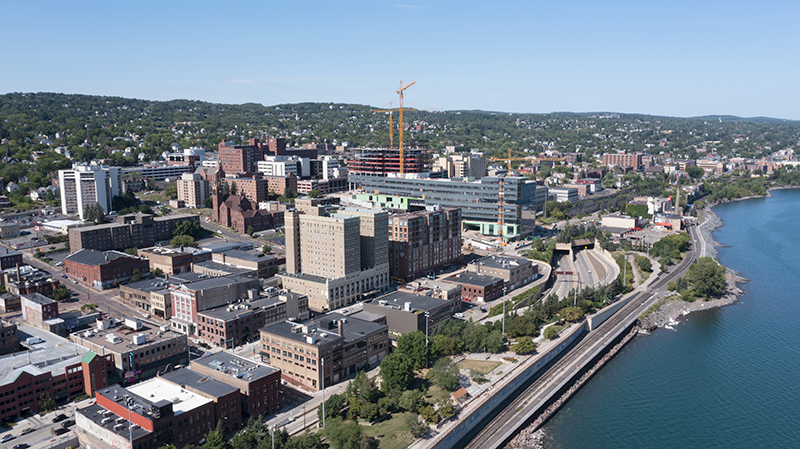
    Known for its scenic landscapes and dynamic communities, the North Star State offers a wide range of living options, from bustling city life to serene rural retreats. However, the housing market’s health is not only gauged by home values but also by the property taxes that come with homeownership. These tariffs, often a reflection of the community and services provided, can significantly affect a buyer’s decision-making process.

    Rising Home Values and Property Taxes in Minnesota: Navigating the Double-Edged Sword of a Growing Housing Market

    The latest data from Zillow indicates that the average home value in Minnesota has reached $316,980, marking a 2% increase from the previous year. This upward trend in home values is a double-edged sword; while it reflects a healthy, growing market, it also raises concerns about affordability, particularly when combined with the property taxes levied on these homes. Property taxes are a crucial aspect of the monthly mortgage payment, often escrowed to ease the financial burden on homeowners. Yet, they can be the deciding factor for many when choosing where to plant their roots in Minnesota.

    Minnesota’s Property Tax Puzzle: Understanding Regional Variations and Their Impact

    A tax website provides a deeper insight into this matter, revealing that counties in Minnesota collect an average of 1.05% of a property’s assessed fair market value as property tax per year. With the median property tax at $2,098.00 annually for homes worth the median value of $200,400, Minnesota stands out for its property tax policies. The spectrum of tax rates across the state is broad, with some counties levying much higher rates than others, significantly impacting the housing market and the decision of where to buy.

    The 10 Minnesota Counties with the Highest Property Taxes in 2024

    As the housing market continues to face the challenges of high prices, potential buyers are increasingly scrutinizing property taxes. Here’s a closer look at the 10 Minnesota counties where these taxes are most burdensome, potentially slowing the market due to higher costs of living:

    • Carver County: Leading the list with nearly $3,000/year on average, cities like Chaska, Waconia, and Victoria face the highest property taxes, reflecting the county’s affluent communities and quality public services.
    • Hennepin County: With an average property tax bill of $2,831/year, Minneapolis and its surrounding cities like Brooklyn Park and Bloomington demonstrate the cost of living in the state’s most populous county.
    • Scott County: Home to Shakopee, Jordan, and Prior Lake, where the property taxes average about $2,828 per year, indicating the area’s growing appeal and development.
    • Washington County: Offering picturesque communities such as Stillwater and Woodbury, the average property tax here is $2,553 yearly, showcasing the balance between quality of life and financial consideration.
    • Chisago County: With $2,511 per year on average for areas like North Branch and Taylors Falls, the county balances rural charm with the fiscal realities of homeownership.
    • Ramsey County: A mix of urban and suburban, places like Shoreview, Maplewood, and St. Paul see an average property tax of $2,345 per year, reflecting diverse living options and community investments.
    • Dakota County: Known for cities like Eagan and Lakeville, the average property tax is $2,482 per year, a figure that underscores the county’s desirability and comprehensive amenities.
    • Anoka County: Hosting communities such as Anoka and Coon Rapids, where the average property tax bill is $2,243/year, demonstrating the cost associated with suburban living near the Twin Cities.
    • Sherburne County: With an average of $2,184 per year in places like Elk River and Big Lake, reflecting the balance between rural expansiveness and access to metropolitan areas.
    • Wright County: Cities like Monticello and Buffalo come with an average property tax of $2,080 per year, offering a glimpse into the suburban life outside Minneapolis.

    Conclusion

    In a housing market challenged by high prices, such as Minnesota’s, understanding the intricacies of property taxes is paramount for prospective homeowners. The state’s diverse counties offer a wide range of living experiences but also come with varying levels of property tax burdens.

    This detailed overview not only sheds light on the counties with the highest taxes but also emphasizes the importance of comprehensive financial planning when navigating the housing market. Prospective buyers are encouraged to consider these factors meticulously, as they significantly influence the true cost of homeownership in the beautiful North Star State.

  • Duluth’s Housing Crisis Meets Its Match with Incline Village

    Duluth’s Housing Crisis Meets Its Match with Incline Village

    Duluth is gearing up for a major housing project called Incline Village. This new development will be the largest in the city’s history, with plans to build 1,300 market-rate apartments and condos. The site chosen for this project is special because it overlooks Lake Superior and used to be where Central High School stood. Construction is set to begin this summer, and when it’s done, it will offer amazing views and much-needed housing.

    Duluth’s Housing Needs Are Growing

    In 2019, the city of Duluth commissioned a study to understand how many new homes were needed. The study revealed that between 2019 and 2024, the city would need to build 3,600 affordable housing units to keep up with demand. But affordable housing isn’t the only need. Since 2019, the city has added 1,183 housing units of all types, but it’s still not enough. According to Noah Hobbs, who works for One Roof Community Housing, Duluth is still far behind. Even though Incline Village will help by adding 1,300 new homes, they will be built slowly over seven to ten years.

    A Surprising Housing Shortage

    It might surprise some people that Duluth has a housing shortage, especially since the population hasn’t grown much. In fact, between 2000 and 2020, the city’s population only changed by 110 people. But there’s a shift happening in the age of the population. There are fewer young people under 19, while the number of people aged 20 to 34 is increasing. These are the ages when many people start looking to buy homes. Because of this, Duluth needs more housing now than it did in 2000. And while some homes were lost due to a hospital expansion, there hasn’t been a significant decrease in overall housing because of demolition.

    Challenges in Building New Homes

    Building new homes in Duluth isn’t easy. Two big challenges are the high interest rates and rising construction costs. This is a problem across the country, not just in Duluth. But Duluth faces some unique issues. The city doesn’t have many large general contractors, and there isn’t much land available for new housing. This makes it difficult to build enough single-family homes to solve the housing shortage. According to Hobbs, Duluth also lacks the multifamily housing options that other cities in the region have.

    Financial Help for Builders

    To encourage more housing development, Duluth is offering financial incentives to builders. For the Incline Village project, the city council approved a $25.8 million subsidy to help get the project started. There’s also a possibility that the project will receive tax-increment financing in the future. However, to build even more housing projects, Duluth will likely need to provide additional financial support.

    This project is a big step for Duluth, but there’s still a lot of work to do to meet the city’s growing housing needs.

  • Spark Your Minneapolis Home: Expert Tips on Hiring the Perfect Electrician

    Spark Your Minneapolis Home: Expert Tips on Hiring the Perfect Electrician

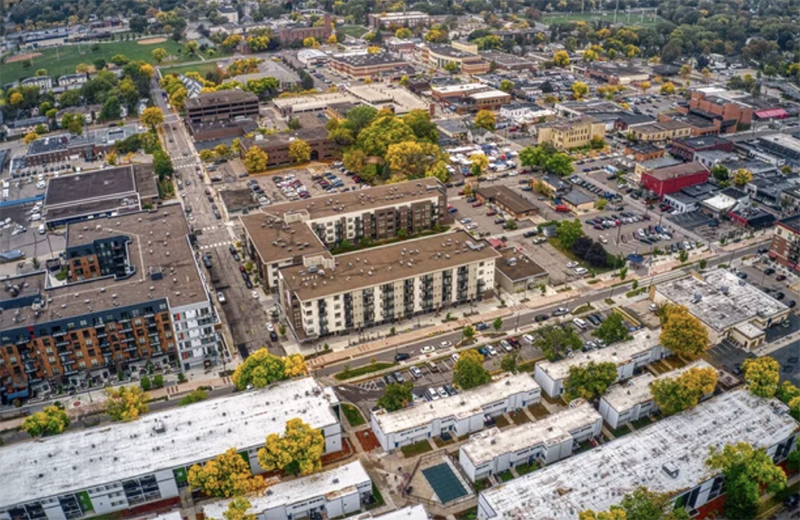
    In the dynamic world of real estate, understanding the intricacies of hiring an electrician in Minneapolis, MN, is crucial for both homeowners and business proprietors. The process extends beyond a mere Google search; it requires an informed approach, considering various factors from qualifications to cost implications.
    Qualifications to Look For

    When scouting for an electrician, the foremost criterion is their qualifications. A licensed electrician assures that they have met the state’s educational and practical requirements. Additionally, certifications from reputable organizations, such as the National Electrical Contractors Association (NECA), serve as a testament to their expertise.

    Choosing the Right Electrician

    The journey to choosing the right electrician involves more than verifying qualifications. Residential, commercial, and maintenance electrical workers each specialize in different areas. For instance, a residential electrician is adept at handling home electrical systems, whereas a commercial electrician specializes in larger projects such as office buildings or shopping centers. Maintenance electricians, on the other hand, focus on repairing and maintaining existing electrical systems.

    Cost Considerations

    Cost is a pivotal factor in the decision-making process. The cost of hiring an electrician in Minneapolis varies depending on the complexity of the job and the electrical worker’s level of expertise. Generally, residential services tend to be less costly compared to commercial projects due to the scale and complexity involved.

    Timeframe

    The duration of electrical work can range from a few hours for minor repairs to several weeks for extensive projects. It’s important to discuss the expected timeline with your electrician upfront to align your schedules and avoid potential inconveniences.

    Trustworthiness and Reviews

    In today’s digital age, online reviews are a goldmine of information. They offer insights into an electrician’s reliability, work ethic, and customer service. A trustworthy electric worker not only provides quality services but also maintains transparency and effective communication throughout the project.

    The Importance of Permits and Insurance

    Hiring an electrician who is insured and knowledgeable about the necessary permits is non-negotiable. This not only ensures compliance with local regulations but also protects you from liability in case of accidents or damage during the work.

    Free Estimates: A Common Offering

    Many electricians offer free estimates, providing you with a ballpark figure of the costs involved. This is an excellent opportunity to gauge the affordability and to compare quotes from different electrical workers.

    In conclusion, hiring the right electrician in Minneapolis requires a balanced approach, considering qualifications, specialization, cost, timeframe, trustworthiness, and legal compliance. By doing your homework and engaging in thorough discussions with potential electrical workers, you can ensure that your electrical needs are met with professionalism and expertise.

  • The Minnesota Twin Cities Housing Market: A Long-Expected Respite After A Whirlwind Of Activity

    The Minnesota Twin Cities Housing Market: A Long-Expected Respite After A Whirlwind Of Activity

    As the adage goes, “What goes up must come down,” and it appears the Minnesota Twin Cities housing market is no exception to this rule. After several consecutive years of scorching pace and seemingly limitless growth, the Twin Cities housing market is beginning to cool off, offering a much-needed breather to prospective buyers who have been battling skyrocketing prices and fierce competition.

    During the past five years, MinneapolisSt. Paul was riding an unprecedented wave of growth. Buyers, spurred by historically low interest rates and a trend of urban migration, flooded the market, triggering bidding wars that catapulted prices into the stratosphere. But, as we venture into the third quarter of 2023, we’re seeing early indications of a slowdown, shifting the market dynamics from what was largely a seller’s market towards a more balanced terrain.

    Market Dynamics: Cooling Yet Healthy

    According to the Minneapolis Area Realtors Association, the median sales price, which soared by an astonishing 10% in 2022, has seen an incremental increase of just 1.5% through July 2023. Though this isn’t a drop in prices, the deceleration suggests that the market is moving toward normalization. This price stabilization is good news for buyers who were previously priced out of the market.

    Moreover, the inventory level, which had been lagging due to the onslaught of demand, is starting to rebound. Sellers who had been hesitant to list their properties amidst the uncertainty of the pandemic are feeling more confident, contributing to an increase in supply. While we are still far from the 6-month supply that characterizes a balanced market, the gap is gradually narrowing.

    Interest Rates and Affordable Housing

    Low interest rates have been a key driver in the previous boom. As we know, the Federal Reserve started hiking rates in 2023 in an attempt to combat inflation. This move has seen mortgage rates creep up from their record lows, which, to some extent, is impacting affordability and reducing the pool of potential buyers.

    However, despite the increase, interest rates remain at historically manageable levels. Coupled with the slowing price appreciation, buyers may find that homeownership is inching back within their reach.

    The Effect on Different Housing Segments

    The high-end market, which was the first to heat up, seems to be the first to cool off. Luxury properties are staying longer on the market, and price cuts, which were virtually non-existent during the past years, are becoming more common.

    On the other hand, the entry-level market remains competitive but less frenzied. With prices stabilizing and a slight increase in inventory, first-time buyers may find more opportunities than they have seen in recent years.

    Outlook for the Future

    It’s crucial to note that a cooling market is not synonymous with a crash. The underlying fundamentals of the Twin Cities housing market – a strong economy, low unemployment, and a desirable quality of life – remain robust.

    The shift we’re seeing is a natural market adjustment following an extraordinarily hot period. As we move forward, we expect to see a more balanced market, with moderate price growth and a healthier level of inventory. For prospective buyers who have been sidelined, this could be the window of opportunity they’ve been waiting for.

    In conclusion, while the Minnesota Twin Cities housing market is showing signs of cooling off after several hectic years, it remains a dynamic and promising landscape. Those armed with accurate information and a well-planned strategy will be well-positioned to navigate the shifting tides of this vibrant real estate market.

  • Exploring the Smallest Cities in Minnesota: A Real Estate Perspective

    Exploring the Smallest Cities in Minnesota: A Real Estate Perspective

    Minnesota, the “Land of 10,000 Lakes,” is a state teeming with natural beauty, vast landscapes, and dynamic urban centers. Yet, nestled amidst the more well-known hubs like Minneapolis and Saint Paul are a number of small cities that charm their residents and visitors alike. From a real estate perspective, these tiny towns offer unique opportunities and challenges. Let’s take a closer look at the smallest cities in Minnesota and what they have to offer.

    The Allure of Small Cities

    Why would anyone be interested in these smaller locales when there are bustling urban centers nearby? Well, the benefits are manifold:

    Peace and Tranquility: One of the primary appeals of smaller cities is the quieter, more relaxed pace of life they offer.
    Lower Costs: Real estate and cost of living can be considerably less expensive compared to urban areas.
    Close-knit Communities: Small towns foster tight-knit communities where everyone knows each other, promoting a sense of belonging and security.

    A Peek into Some of the Smallest Cities in Minnesota

    A. Whalan: A gem in southeastern Minnesota, Whalan is known for the scenic Root River and the popular Root River State Trail. Housing here provides a mix of historic homes and newer constructions. Its low population and serene setting make it a great location for those looking for solitude.

    B. Funkley: As one of the tiniest cities in the state, Funkley boasts a population that can be counted on two hands. With limited real estate transactions and listings, buying property here is about seizing opportunity when it arises.

    C. Tenney: With a charming history as one of the smallest incorporated cities, Tenney offers vast stretches of land and a sense of timeless tranquility. It’s a city where everyone truly knows everyone else.

    Real Estate Opportunities and Challenges

    Affordability: Real estate in smaller cities often comes at a fraction of the cost when compared to more populous areas.
    Potential for Growth: As urban centers become crowded, many people are seeking out quieter locales, leading to potential appreciation in property values in these areas.
    Unique Properties: From historic homes to large plots of land, small cities offer a range of unique real estate options.

    Limited Amenities: Smaller towns might not offer the same conveniences or amenities as their larger counterparts. It’s important to ensure that essential services are easily accessible.
    Lower Liquidity: The real estate market in tiny towns can be less liquid. Selling property might take longer than in more populous areas.

    Making the Move: Things to Consider

    If you’re considering making a move to one of Minnesota’s smallest cities, here are a few things to keep in mind:

    Research the Area: Spend time in the city, talk to locals, and understand the community’s dynamics.
    Check Infrastructure: Ensure that basic infrastructures like healthcare, schools, and transportation are up to your requirements.
    Seek Local Expertise: A local real estate agent can provide insights about the city, market trends, and potential future developments.

    Conclusion

    The smallest cities in Minnesota offer a refreshing contrast to the state’s bustling urban hubs. They present unique opportunities for real estate investment, with the promise of peace, community, and the timeless charm of small-town life. However, as with any real estate endeavor, thorough research, due diligence, and a deep understanding of the locality are essential. With the right approach, these tiny jewels of Minnesota can become the perfect place to call home or a smart, long-term investment.

  • Embracing the North Star State: Moving to Minnesota with Big Dreams in Tow

    Embracing the North Star State: Moving to Minnesota with Big Dreams in Tow

    The idea of starting anew is as alluring as it is challenging, particularly when it involves packing up your life and moving to a place like Minnesota, a state as renowned for its icy winters as it is for its warm, community-oriented residents. Moving to the North Star State with a big dream means charting a path through a terrain that’s both literal and metaphorical, marked by unique advantages, potential disadvantages, and opportunities as vast as the state’s open prairies.

    The Lure of the Land of 10,000 Lakes: Advantages of Moving to Minnesota

    Minnesota is not just a state, it’s a state of mind where the community is valued, and the quality of life is high. It boasts vibrant large cities like Minneapolis and Saint Paul, which offer cultural diversity, rich arts scenes, and a bustling economy. The education system is among the nation’s best, making it an ideal place for families and individuals looking to further their education.

    For the outdoorsy, Minnesota’s natural beauty is unparalleled. From the Boundary Waters Canoe Area Wilderness to the shores of Lake Superior, the state’s landscapes are as conducive to adventure as they are to peaceful contemplation.

    Navigating the Challenges: Disadvantages to Consider When Moving to MN

    No place is without its drawbacks. The weather in Minnesota can be a formidable foe, with harsh winters that bring heavy snowfalls and temperatures that can plunge well below freezing. While this can be a wonderland for some, it may be a hurdle for those unaccustomed to such conditions.

    The living expenses, while generally more reasonable than in coastal metropolises, can vary significantly. In the larger cities, the cost of living can be steep, making some dreamers think twice about urban life in the Gopher State.

    A Glimpse at Governance: Laws and Current Taxes

    Are you thinking of moving to MN? Minnesota’s laws and tax structures are reflective of its community-centric ethos. While the state has a reputation for higher taxes, with a progressive income tax structure and substantial property taxes, these funds are channeled into maintaining the state’s infrastructure, education, and healthcare systems. Current tax rates and laws are designed to balance individual responsibilities with community benefits, and any potential Minnesotan should consider how these might affect their dream pursuit.

    Weathering the Weather: A Four-Season Affair

    The weather in Minnesota offers a full four-season experience, each with its charm and challenges. Summers are warm and full of life, autumns are crisp with breathtaking foliage, springs blossom with refreshing rains, and winters are snowy wonderlands ideal for skiing, snowboarding, and ice fishing. If your big dream involves seasonal variety, you’ll find no shortage here.

    Counting the Costs: Living Expenses in Minnesota

    Is it worth moving to MN? Living expenses in Minnesota are generally on par with or slightly above the national average, depending on the area. Housing in Minneapolis-St. Paul is more expensive than in outlying rural areas, but even within the cities, there are neighborhoods that offer a more affordable cost of living. Groceries, utilities, and transportation costs also vary, but the state’s efficient services often offset these expenses.

    The Pillars of the Economy: Largest Employers in Minnesota

    If your dream includes career advancement or entrepreneurial ventures, you’ll be in good company. The largest employers in Minnesota include the Mayo Clinic, renowned for healthcare; UnitedHealth Group, a leader in health insurance; Target Corp., a retail giant; and the University of Minnesota. These employers are indicative of the state’s robust economy in healthcare, retail, education, and technology.

    Uniquely Minnesotan: What Sets the State Apart

    Minnesota has a spirit that’s hard to define but easy to love. It’s a place where community and individuality coexist beautifully. The state’s emphasis on education, health, and the arts is exceptional, and its population is among the most civic-minded in the nation. Minnesota’s unique blend of urban opportunity and rural beauty offers a quality of life that’s difficult to match.

    Moving to Minnesota

    Embarking on a journey to Minnesota with a dream in your heart is more than simply moving; it’s an adventure that promises growth, challenges, and the warm embrace of a community that cheers on dreamers. Whether you’re drawn by its economic vitality, its natural splendor, or the simple promise of a place that prides itself on making room at the table for everyone, Minnesota welcomes you with open arms and a chorus of friendly “You betchas!” Remember, every big dream begins with a brave step, and in Minnesota, your steps toward that dream are on fertile ground.

  • College and University-Friendly Cities in Minnesota: The Positive Impact on Real Estate

    College and University-Friendly Cities in Minnesota: The Positive Impact on Real Estate

    Minnesota, popularly known as the “Land of 10,000 Lakes”, is not only famed for its picturesque lakes and wilderness but also for its thriving education sector. Numerous cities in the state are home to prestigious colleges and universities, making them hotspots for students, faculty, and educational professionals. These institutions not only contribute to the cultural, social, and economic fabric of these cities but also play a pivotal role in influencing the real estate market.
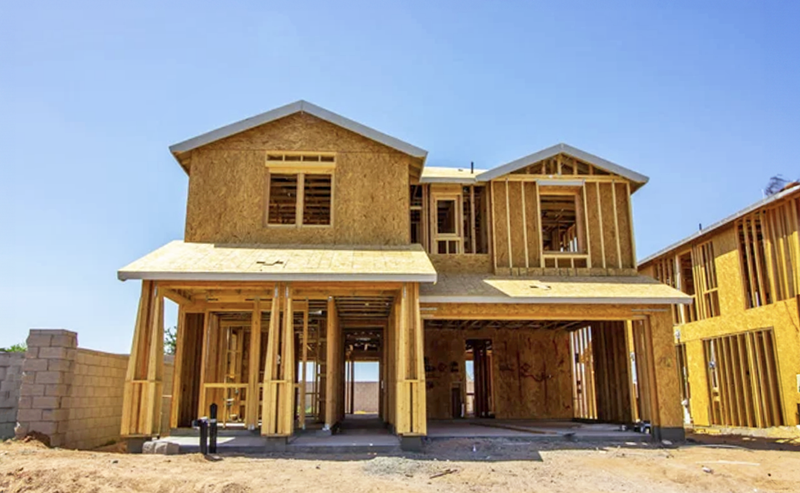
    This article dives deep into some of the college and university-friendly cities in Minnesota and how these institutions buoy the real estate sector.

    Minneapolis

    As the largest city in Minnesota, Minneapolis houses the flagship campus of the University of Minnesota. This public research university alone caters to over 50,000 students. The presence of such a significant institution has made the area a hub for students, educators, and professionals.

    Real Estate Impact: The high influx of students and faculty requires housing, leading to a consistent demand for rental properties, especially close to the university. This demand drives up property values in the vicinity and ensures stable rental income for property owners.

    St. Paul

    Adjacent to Minneapolis, St. Paul, the state’s capital, is another educational hub. Institutions like Macalester College, St. Catherine University, and Concordia University reside here.

    Real Estate Impact: St. Paul’s diverse academic landscape means there’s a diverse student population looking for housing options. Consequently, there’s a thriving market for multi-family residences, townhomes, and apartments catering to both short-term and long-term stays.

    Duluth

    Home to the University of Minnesota Duluth and The College of St. Scholastica, Duluth is a scenic city by Lake Superior. Its academic institutions are prominent contributors to the local economy.

    Real Estate Impact: Apart from the regular student housing demand, Duluth’s allure as a lake city makes it an attractive place for faculty and university staff to settle down. This has boosted the residential real estate market, especially in areas offering lake views.

    Mankato

    With institutions like Minnesota State University, and Mankato, the city is an educational center for the southern part of the state.

    Real Estate Impact: The consistent growth of the university has ensured a steady demand for housing in Mankato. This has resulted in the growth of off-campus student housing complexes and an uptick in the rental market.

    Moorhead

    Moorhead hosts Concordia College and Minnesota State University Moorhead. The city, being adjacent to Fargo, North Dakota, benefits from a combined student population of both states.

    Real Estate Impact: Moorhead’s housing market is buoyant because of the combined demand from both cities. Rental properties, especially those catering to students, have seen significant appreciation over the years.

    How Colleges and Universities Positively Impact Real Estate:

    Consistent Demand: Every academic year ushers in a new wave of students, ensuring a constant demand for housing.

    Infrastructure Development: Colleges often lead to better infrastructure in areas where they’re located, making them more appealing for real estate investments.

    Economic Boost: Colleges employ faculty, and staff, and indirectly boost local businesses, positively affecting the local economy and, by extension, the real estate sector.

    Cultural Hubs: University towns are often cultural hubs, hosting events, festivals, and conferences, which enhances the city’s appeal and livability, thereby bolstering property values.

    Stable Investment: Even during economic downturns, educational institutions can provide stability, making real estate investments in these areas less volatile.

    Conclusion

    Minnesota’s educational landscape, dotted with numerous colleges and universities, has had a pronounced positive influence on its real estate sector. Whether it’s the vibrant twin cities of Minneapolis and St. Paul or the scenic city of Duluth, these institutions have played a pivotal role in shaping the state’s real estate dynamics. Investing in cities with strong educational anchors is not just about capital appreciation but also about contributing to the growth of communities anchored in knowledge and culture.

  • Unveiling Property Records of Minnesota: The Ultimate Real Estate Information Hub

    Unveiling Property Records of Minnesota: The Ultimate Real Estate Information Hub

    Real estate is often considered one of the most crucial aspects of our lives, representing not only a physical dwelling or commercial space but a tangible embodiment of our dreams, aspirations, and financial milestones. It is no surprise then that making informed decisions about property requires a treasure trove of information. For Minnesotians, this wealth of information is now at your fingertips, thanks to the services of Property Records of Minnesota.

    Who is Property Records of Minnesota?

    Property Records of Minnesota is a one-stop hub for all your property-related information needs. Whether you are a first-time homebuyer, a seasoned real estate investor, or someone simply curious about the history of a property, this establishment provides a comprehensive array of insights about properties within the state of Minnesota.

    Why Minnesotians Need Property Records of Minnesota

    Real estate transactions can be intricate. The stakes are high, and every decision must be backed by solid research. This is where Property Records of Minnesota comes into play:

    Real Estate Guidance: Navigating the real estate market can be daunting. With Property Records of Minnesota, you’re never alone in your journey. They provide insights that can guide your buying, selling, or investment decisions.

    Property History Reports: Every property has a story. Knowing the chronological events associated with a property can illuminate potential issues or advantages. From past owners to structural changes, every piece of history can impact your decision.

    Deed Transactions and Title Transfers: These official documents determine property ownership. It is essential to understand the chain of title, ensuring that there are no hiccups or challenges in future transactions.

    Property Profile Reports: A snapshot of any property’s current status, these reports give you a comprehensive view, helping you make informed decisions.

    Foreclosure Activity: This gives potential buyers insights into properties that might come onto the market or areas that might be facing economic challenges.

    Demographics & Transaction History: Understanding the neighborhood’s demographic makeup can provide context about community characteristics, average property prices, and more.

    Teacher-to-Student Ratio: For families, education is a priority. Property Records of Minnesota goes beyond the brick and mortar, offering valuable information about educational institutions, and ensuring your family’s educational needs are met.

    Why Trust Property Records of Minnesota?

    Trust is a pillar of any transaction, especially in real estate. The company has built its reputation on providing accurate, up-to-date, and comprehensive data to its users.

    Conclusion

    Property Records of Minnesota is not just a service; it’s a commitment to empowering every Minnesotian with the knowledge to make informed real estate decisions. As the real estate landscape evolves, the need for reliable, detailed, and comprehensive property data becomes even more crucial. And for the people of Minnesota, Property Records of Minnesota is the beacon lighting their path.

    So, whether you’re stepping into the realm of real estate for the first time or you’re a seasoned expert, remember that the company is here, ensuring you have every bit of information you need at your disposal. Welcome to a world where real estate decisions become easier, more informed, and tailored for success.

  • Minnesota Real Estate Myths: A Detailed Report

    Minnesota Real Estate Myths: A Detailed Report

    Minnesota, known for its lakes, cold winters, and vibrant cultural scene, has its fair share of real estate myths. Understanding these myths can be essential for prospective buyers, sellers, or investors. Here’s a closer look at some of the most common misconceptions.

    Minnesota’s Harsh Winters Make Real Estate Unsellable During Cold Months

    Myth: No one buys homes in Minnesota during the winter due to harsh weather conditions.

    Reality: While it’s true that winters can be tough, the Minnesota real estate market doesn’t completely freeze over. Savvy buyers often consider winter a prime time to buy since there’s typically less competition, and they can potentially get a better deal.

    Lakefront Property is Only for the Wealthy

    Myth: Only the rich can afford lakefront properties in the “Land of 10,000 Lakes.”

    Reality: Minnesota boasts over 11,800 lakes, and while many lakefront properties come with a premium, there are affordable options available, especially on smaller or lesser-known lakes.

    Urban Properties are More Valuable than Rural Ones

    Myth: Homes in the Twin Cities (Minneapolis and St. Paul) are always more valuable than homes in rural areas.

    Reality: While urban areas typically have higher property values due to demand and amenities, certain rural properties, especially those with unique features or on larger land plots, can be quite valuable.

    Minnesota Real Estate is Only About Single-Family Homes

    Myth: The state mainly offers single-family homes, limiting options for buyers.

    Reality: Minnesota’s real estate market is diverse. The Twin Cities and other urban centers offer condos, townhomes, and lofts. Additionally, the increasing demand for multi-family homes and duplexes has further diversified available property types.

    New Homes Are Always Better than Older Ones

    Myth: New constructions are superior in quality and investment potential.

    Reality: While new homes offer modern amenities and designs, many older homes in Minnesota, especially in historic neighborhoods, are sought after for their character, craftsmanship, and charm. Properly maintained older homes can be just as valuable, if not more so, than newer constructions.

    The North is Too Remote for Real Estate Investments

    Myth: Areas in Northern Minnesota are too isolated to be considered good real estate investments.

    Reality: Northern Minnesota, with its natural beauty and recreational opportunities, has seen growth in vacation rentals, cabins, and retreats. As remote work becomes more prevalent, the desire for serene, natural settings might further boost property demand in these areas.

    Minnesota’s Taxes Make it a Bad Place to Buy

    Myth: High property taxes in Minnesota make it an unattractive state for real estate investments.

    Reality: While Minnesota does have relatively high property taxes compared to some states, it also offers good public services, schools, and infrastructure. For many, the trade-offs are worth it. Additionally, property value appreciation in certain areas can offset tax concerns.

    Conclusion

    Every real estate market has its myths and misconceptions. By understanding the realities of the Minnesota market, buyers, sellers, and investors can make informed decisions and potentially find great opportunities. Always consult with local real estate professionals to get the most accurate and up-to-date information.

  • Navigating Property Inheritance in Minnesota: To Rent, Sell, or Live?

    Navigating Property Inheritance in Minnesota: To Rent, Sell, or Live?

    As an heir in Minnesota, inheriting property may introduce various questions and complexities. Should you live in the property, rent it out, or sell it? How can you manage the tax implications of your inheritance, and what laws should you be aware of? This article will discuss these questions and more, highlighting key elements such as capital gain avoidance, Minnesota’s property laws, and Property Records of Minnesota.

    The Capital Gains Advantage of Inherited Property

    When a loved one passes away, becoming a beneficiary can have significant financial implications. Under Minnesota law, the property you inherit is assessed at its market value at the time of the previous owner’s death. The IRS recognizes this as a ‘stepped-up basis,’ which could prove a beneficial loophole in terms of capital gain tax.

    To Sell or Not to Sell: Weighing Your Options

    Whether to sell or hold onto the property is a crucial decision. The implications of both options in terms of capital gains are important to consider, as they have potential tax advantages and drawbacks.

    The Rental Route: Income and Responsibilities

    Renting inherited property is another viable option. This could provide a steady income stream, particularly if the property is located in a desirable area with high rental demand. However, it’s important to remember that rental income is taxable, and being a landlord entails certain responsibilities.

    Making it Home: Living in the Inherited Property

    Choosing to live in the property is a third option. For some, this can be an emotional decision, tied to maintaining a connection with the deceased owner. However, the practical aspects must also be considered. If you decide to live in the property, it becomes your primary residence, which can come with certain tax benefits, especially if you sell the property later.

    Deciphering Property Records in Minnesota

    The Property Records of Minnesota will be your primary source of property ownership data. This comprehensive record is publicly accessible and can help in verifying property ownership, tracing property history, and evaluating tax data.

    Navigating Minnesota Estate Laws

    Inheriting a property can also introduce certain complications with estate laws. Minnesota’s estate law stipulates that if the deceased owner’s estate exceeds a certain value ($3 million as of 2021), estate tax may apply. It’s crucial to consult with an estate attorney to understand your legal responsibilities fully.

    Making the Decision: Rent, Sell, or Live

    Ultimately, the decision to rent, sell, or live in an inherited property depends on a variety of factors including your financial circumstances, the condition and location of the property, and your personal preferences.

    The Takeaway

    Inheriting a property may appear daunting, but with a proper understanding of the IRS rules, Minnesota property laws, and the real estate market, you can make informed decisions that work best for you. Remember to consult with a tax advisor or real estate professional to navigate this complex process effectively. It may feel overwhelming, but with the right information and guidance, you can turn a challenging situation into a rewarding opportunity.

  • Federal Judge Dismisses Lawsuit Challenging Rent Control in Saint Paul

    Federal Judge Dismisses Lawsuit Challenging Rent Control in Saint Paul

    A United States federal judge has dismissed a lawsuit lodged against the city of Saint Paul, Minnesota, by a group of apartment owners. The litigants argued that the city’s rent control policy constituted an unconstitutional confiscation of private property. This lawsuit also included additional purported violations of various statutes of state and federal law. The decision marks a significant turning point in the ongoing debate surrounding the legitimacy of rent control measures.

    Nancy Brasel’s Landmark Judgment

    Presiding over the case was U.S. District Court Judge Nancy Brasel, who penned a comprehensive 51-page judgment on Monday, effectively terminating the federal lawsuit. Brasel flatly rejected the plaintiff’s request for a summary judgment, a legal motion requesting a final decision without proceeding to a full trial. In contrast, she granted the city’s request for summary judgment, effectively halting the lawsuit in its tracks.

    Context: Saint Paul’s Rent Control Ordinance

    The residents of Saint Paul approved the city’s rent control ordinance via a vote back in November of 2021. This statute imposed a 3% limit on annual rent increases, which at the time was recognized as one of the most stringent rent control policies in the United States. Subsequently, in September last year, the city council made amendments to this policy, exempting affordable housing projects as well as any new construction projects for the following 20 years.

    The plaintiffs, Woodstone Limited Partnership and Lofts at Farmers Market LLC, own properties within the city. Woodstone’s property is located at 2335 Stewart Ave., off Shepard Road, and the Lofts at Farmers Market is located at 260 Fifth St. E. between downtown Mears Park and CHS Field.

    Judge Brasel’s Opinion: A Rejection of Plaintiffs’ Claims

    Judge Brasel issued an expansive opinion, finding little to no substance in the claims made by the plaintiffs. They had argued that the voter-approved 3% cap on yearly rent increases could potentially devalue property assets and disincentivize the investment in affordable housing. In her judgment, Brasel argued, “Plaintiffs contend that the amended ordinance will not work and will not meet its stated objectives. These predictions may come true, but a poor policy decision is not a due‐process violation.”

    The judge highlighted that the city has put in place mechanisms for landlords to pursue rent increases of up to 8% via virtually automatic self-certifications. Increases beyond this limit can be sought with the approval of city staff. Contrasting this case with a 1976 suit against the city of Berkeley, California, she noted that Saint Paul has granted the majority of requested rent control exceptions without requiring public hearings. As proof of the system’s efficiency, she pointed out that out of 152 applications, only five led to appeals.

    The Constitutionality of Rent Control

    The argument that rent control violates the contracts clause of the U.S. Constitution was also addressed. Judge Brasel declared this point moot in the case of the Lofts at Farmers Market, as their downtown St. Paul apartment building, established in 2012, falls within the recent 20 years and is thus exempt from rent control starting from January 1st. She further declared, “Woodstone also should have reasonably known that courts have long upheld the constitutionality of rent‐stabilization policies that guarantee a reasonable return on investment.”

    Rent Control: Legal Precedents and Implications

    Judge Brasel was not convinced by the argument that placing limits on landlord rents equates to the government essentially confiscating money from them in two ways, both in terms of actual income and the resale value of their property. In her decision, she referenced legal precedents for rent control from across the country, as well as state housing law, stating that the Minnesota housing market is “highly regulated” and that “courts have long held that comparable rent‐stabilization policies are constitutional.”

    Judge Brasel concluded her judgment by noting that, in the context of rent stabilization, the Supreme Court has repeatedly asserted that states have considerable authority to regulate housing conditions and landlord-tenant relationships without the necessity of providing compensation for all economic injuries that such regulation might incur.

  • Minnesota Legislature Considers Ban on Corporate Ownership of Single-Family Homes for Rentals

    Minnesota Legislature Considers Ban on Corporate Ownership of Single-Family Homes for Rentals

    If passed, this proposed ban would ensure that families have a fair chance to access affordable homes without being priced out by corporate investors. The Minnesota Legislature, which is controlled by Democrats, is considering a new bill that seeks to prohibit corporations, real estate developers, and residential building contractors from purchasing single-family homes to rent them out. This proposed ban is a brainchild of Representative Esther Agbaje, who is taking a proactive approach to combat the state’s affordable housing crisis.

    Proposed Legislation Aims to Alleviate Affordable Housing Crisis in Minnesota

    The Twin Cities metro and other areas in the state have witnessed a surge in housing prices, making it increasingly difficult for Minnesota families to find homes they can afford. Rep. Agbaje’s bill, if passed into law, would go a long way in alleviating the housing affordability problem.

    Under the legislation, the state attorney general’s office would be responsible for enforcing the ban. Any corporation caught flouting the law would have one year to divest from the property. Failure to sell the property within this timeframe would result in the foreclosure process, where the property would be sold in court.

    Ban Would Apply to Real Estate Developers and Residential Building Contractors

    Currently, the bill is under the scrutiny of the Judiciary Finance and Civil Law Committee. The committee is responsible for evaluating the financial impact of the proposed legislation and will decide whether to send it to the House floor for further discussion and voting.

    In conclusion, this proposed ban on corporate ownership of single-family homes for rental purposes is a much-needed step toward addressing the affordable housing crisis in Minnesota. If passed, it would prevent corporations from monopolizing the housing market, thereby giving families a fair chance to find homes they can afford.