Tag: Renting

  • Property Management 101: A Step-by-Step Guide for First-Timers

    Property Management 101: A Step-by-Step Guide for First-Timers

    Property management in its essence is the operation, control, maintenance, and oversight of real estate and physical property. This can include residential, commercial, and land real estate. Property management is a critical service that bridges the gap between property owners and tenants, ensuring a harmonious and professionally handled living or working environment.

    Types of Property Management in Minnesota

    Minnesota’s property management sector is diverse, catering to different types of properties. Residential property management focuses on individual or multi-family housing units. Commercial property management, on the other hand, involves handling business properties, such as offices, retail spaces, and commercial buildings. Additionally, there is a niche sector managing vacation or short-term rental properties, particularly in tourist-favored locations.

    Licensing for Property Management in Minnesota

    In Minnesota, holding a real estate broker’s license is essential for engaging in most property management activities. This requirement ensures that property managers are well-versed in the legal and financial aspects of real estate transactions, adhering to the state’s regulatory standards. Aspiring property managers should familiarize themselves with the specific licensing requirements and procedures governed by the Minnesota Real Estate Commission.

    Duties and Responsibilities of Property Managers

    A property manager’s role is multifaceted. One of the primary duties is to maintain a strong line of communication with property owners and tenants, addressing concerns and ensuring satisfaction. They are responsible for marketing properties, screening and selecting tenants, drafting lease agreements, and ensuring compliance with relevant laws and regulations.

    Rent Collection and Financial Management

    Efficient rent collection is a cornerstone of successful property management. This involves setting up and managing timely rent payments, handling late payments, and, when necessary, facilitating the eviction process. In addition to rent collection, property managers provide invaluable accounting services. They oversee budgeting for property maintenance, manage operating expenses, and ensure accurate financial record-keeping for owners.

    Property Inspections and Maintenance

    Regular property inspections are vital to maintaining the value and safety of the property. Property managers routinely inspect properties to identify and address repair needs, ensuring compliance with health and safety standards. They also coordinate maintenance and repair work, involving a network of trusted contractors and service providers.

    Challenges

    Property management in Minnesota faces a unique set of challenges, shaped by the state’s diverse climate, regulatory environment, and evolving real estate market. One of the primary challenges is managing properties through the state’s harsh winters, which demand meticulous planning for snow removal, heating system maintenance, and addressing weather-related wear and tear. Additionally, Minnesota’s legal landscape presents its complexities, with property managers needing to stay abreast of local housing laws, rental regulations, and compliance requirements that can vary significantly across different municipalities.

    The dynamic real estate market also poses a challenge, as property managers must adapt to fluctuating rental demands, especially in areas experiencing rapid growth or economic shifts. Furthermore, balancing the needs and expectations of tenants with those of property owners requires excellent communication skills and conflict resolution abilities. These challenges necessitate property managers in Minnesota to be highly adaptable, knowledgeable, and resourceful to successfully navigate the multifaceted realm of property management in the state.

    Conclusion

    Stepping into the world of property management in Minnesota is a journey filled with learning and opportunities. For beginners, understanding the various aspects of property management—from legal compliance and licensing to the day-to-day operations of managing a property—is key to success. With dedication and a keen understanding of these fundamentals, one can navigate the complex but rewarding terrain of property management in this beautiful state.

  • 10 Suburbs Near Minneapolis Offering Affordable Living and Easy Commutes

    10 Suburbs Near Minneapolis Offering Affordable Living and Easy Commutes

    If you’re in the market for a home in Minneapolis this year, it might be wise to broaden your search to the nearby cities. These neighboring communities offer a compelling mix of affordability and convenience, providing a diverse range of options for both renters and buyers alike. Living just a short distance from Minneapolis allows you to enjoy the best of both worlds—proximity to the city’s amenities while benefiting from the unique features and charm of surrounding areas.
    Additionally, Minneapolis has seen an influx of renters drawn by its more affordable housing options compared to larger metropolitan areas. This trend has made the city an attractive destination for those looking to balance cost with quality of life. This article dives into the rent and housing costs, commute times, and lifestyle factors to help you find a place that suits your budget and preferences.

    1. St. Paul

    • Average commute to Minneapolis: 15 minutes
    • Median home sale price: $300,000
    • Average rent: $1,047
    • Highlights: Historical landmarks, cultural diversity, educational institutions

    St. Paul, Minnesota’s capital city, is steeped in history and brimming with cultural diversity. It’s home to the iconic Minnesota State Capitol and the stunning Cathedral of Saint Paul, both of which draw visitors from near and far. The city’s educational landscape is enriched by institutions like the University of St. Thomas and Hamline University, fostering a vibrant intellectual community. With a diverse economy supported by government, education, and healthcare sectors, St. Paul offers a balanced lifestyle. Residents enjoy a continental climate, experiencing cold winters perfect for ice skating and warm summers ideal for boating and other outdoor activities. The city’s dedication to sustainability and community-driven initiatives makes it an inviting place to call home.

    2. Bloomington

    • Average commute to Minneapolis: 20 minutes
    • Median home sale price: $370,000
    • Average rent: $1,804
    • Highlights: Shopping, outdoor activities, friendly environment

    Bloomington is a dynamic city just south of Minneapolis, famed for hosting the Mall of America, a retail and entertainment hub that attracts visitors globally. Besides shopping, Bloomington offers a wealth of outdoor activities, from skiing in the winter to hiking in the summer, thanks to its varied seasonal climate. Major employers in the retail, hospitality, and healthcare sectors bolster the city’s economy. Bloomington is also a city that values green spaces, with numerous parks that encourage an active and healthy lifestyle.

    3. Edina

    • Average commute to Minneapolis: 15 minutes
    • Median home sale price: $650,000
    • Average rent: $1,237
    • Highlights: Upscale living, excellent schools, golf courses

    Edina is synonymous with luxury and sophistication, offering an upscale suburban lifestyle with top-tier schools and abundant amenities. The city is home to premier shopping destinations like the Galleria and Southdale Center, which cater to discerning shoppers. Edina’s parks and golf courses make it a haven for outdoor enthusiasts, providing ample opportunities for recreation throughout the year. The city’s strong economy, driven by sectors like retail, healthcare, and professional services, coupled with its commitment to maintaining a high quality of life, makes it a sought-after place to live.

    4. Maple Grove

    • Average commute to Minneapolis: 25 minutes
    • Median home sale price: $418,000
    • Average rent: $1,715
    • Highlights: Shopping, parks, active lifestyle

    Maple Grove, located northwest of Minneapolis, is a vibrant suburb known for its extensive shopping and recreational facilities. The Shoppes at Arbor Lakes is a major draw, offering a diverse array of retail and dining options. The city is also rich in green spaces, with numerous parks and trails, including the expansive Elm Creek Park Reserve, which supports an active, outdoor lifestyle. Maple Grove’s climate, with its cold winters and mild summers, provides a perfect backdrop for seasonal activities like snowshoeing and biking. The city’s focus on sustainability and environmental preservation makes it an appealing choice for eco-conscious residents.

    5. Plymouth

    • Average commute to Minneapolis: 20 minutes
    • Median home sale price: $490,000
    • Average rent: $912
    • Highlights: Parks, lakes, community events

    Plymouth, located to the west of Minneapolis, is celebrated for its picturesque parks and serene lakes. The city offers a wealth of recreational opportunities, including the popular French Regional Park and Medicine Lake, ideal for boating, fishing, and picnicking. Plymouth’s community spirit is showcased in the numerous events held throughout the year, fostering a close-knit atmosphere among residents. The city’s long fall season and cooler weather make it a perfect place to enjoy autumnal activities. Plymouth is also known for its strong local economy, driven by key sectors such as retail, healthcare, and professional services.

    6. Eden Prairie

    • Average commute to Minneapolis: 25 minutes
    • Median home sale price: $515,000
    • Average rent: $1,935
    • Highlights: Business parks, outdoor activities, shopping

    Eden Prairie is a thriving suburb southwest of Minneapolis, renowned for its business parks and outdoor recreation. The city is home to several major companies, including C.H. Robinson and Optum, making it a significant employment hub. Eden Prairie also offers a wealth of parks and trails, including the scenic Purgatory Creek Park and Staring Lake Park, providing ample opportunities for hiking, biking, and enjoying the outdoors. The local economy is robust, supported by sectors like technology, healthcare, and retail, making Eden Prairie an attractive option for both work and play.

    7. Minnetonka

    • Average commute to Minneapolis: 20 minutes
    • Median home sale price: $543,000
    • Average rent: $1,654
    • Highlights: Lakes, parks, business opportunities

    Minnetonka, a scenic suburb west of Minneapolis, is known for its stunning lakes and parks. The city offers an abundance of recreational activities, from boating on Lake Minnetonka to hiking in Minnetonka Regional Park. Minnetonka is also a key business hub, with major employers like UnitedHealth Group and Cargill headquartered here, contributing to a diverse and thriving economy. The city’s commitment to environmental preservation and sustainability, coupled with its cold winters and warm summers, makes it a desirable place to live.

    8. Eagan

    • Average commute to Minneapolis: 25 minutes
    • Median home sale price: $390,000
    • Average rent: $1,382
    • Highlights: Parks, business opportunities, community-based environment

    Eagan, situated to the south of Minneapolis, is a bustling suburb known for its extensive parks and strong business environment. The city’s Lebanon Hills Regional Park is a favorite among residents for hiking, biking, and fishing. Eagan is also home to several major companies, including Thomson Reuters and Blue Cross Blue Shield of Minnesota, making it a significant employment center. The local economy thrives on key sectors such as healthcare, technology, and retail. Eagan’s commitment to sustainability and community initiatives, coupled with its seasonal climate, makes it a well-rounded and attractive place to live.

    9. Burnsville

    • Average commute to Minneapolis: 25 minutes
    • Median home sale price: $370,000
    • Average rent: $1,468
    • Highlights: Shopping, parks, close-knit community

    Burnsville, located south of Minneapolis, is a vibrant suburb known for its shopping and recreational offerings. The Burnsville Center is a popular shopping destination, providing a wide variety of retail options. The city’s parks and trails, including Buck Hill, offer seasonal activities like skiing in the winter and mountain biking in the summer. Burnsville’s economy is diverse, with strong retail, healthcare, and manufacturing sectors, and its close-knit community makes it an inviting place to settle down.

    10. Woodbury

    • Average commute to Minneapolis: 30 minutes
    • Median home sale price: $474,000
    • Average rent: $1,599
    • Highlights: Shopping, parks, growing town

    Woodbury, a thriving suburb east of Minneapolis, is recognized for its expansive shopping and recreational opportunities. The Woodbury Lakes shopping center is a focal point for retail therapy, while Carver Lake Park offers outdoor activities such as hiking, biking, and fishing. Woodbury’s economy is robust, with key sectors like retail, healthcare, and technology driving growth. The city’s climate, characterized by cold winters and warm summers, supports a wide range of seasonal activities, making Woodbury an increasingly popular choice for new residents.

  • Maple Grove Sees Continued Growth in Townhome Developments

    Maple Grove Sees Continued Growth in Townhome Developments

    A townhome complex in a quiet neighborhood has recently been sold for just over $10 million. The purchase was confirmed through a certificate of real estate value. The complex is located in Maple Grove and consists of six buildings, originally built in 1996. With a total of 48 units, the cost per unit comes out to about $213,000.

    Details of the Complex

    The townhomes, known for their spacious living arrangements, include 16 units with two bedrooms and 32 units with three bedrooms. Each unit also has one and a half bathrooms, making them attractive to renters looking for a bit more space. In 2014, the complex underwent renovations to update its features, ensuring the property remains modern and appealing.

    New Ownership and Investment Strategy

    The new owner of the complex specializes in multifamily investments. This group has previously invested in properties across other states, including Missouri and Texas. However, this purchase marks their third investment in Minnesota, following earlier purchases of apartment buildings in Rochester. Their focus is on acquiring and managing older multifamily housing that typically appeals to working-class families.

    Rising Property Values in Maple Grove

    Interestingly, the sale price is significantly higher than the property’s assessed value by Hennepin County, which placed the value at $8 million in 2022. The previous owner had bought the complex for around $7.6 million in 2020, making this recent sale a substantial profit for them. Rent for these townhomes varies between $1,895 and $2,295, making them relatively affordable for families and seniors looking for rental options.

    Future Townhome Developments

    Maple Grove is expected to see more townhome development shortly. Another entity has purchased land for $4.25 million to build 155 rental townhomes, further boosting the area’s housing options. In addition, other developers are planning to add more townhome communities, with a focus on build-to-rent properties that cater to growing demand in the area.

    The ongoing development of townhomes reflects the growing interest in rental communities, particularly for those transitioning into or out of homeownership. This trend is likely to continue as Maple Grove and surrounding areas experience more growth and demand for housing options.

  • What the 2026 ICE Raids Mean for Minnesota’s Renters, Homeowners, and Workers

    What the 2026 ICE Raids Mean for Minnesota’s Renters, Homeowners, and Workers

    The ICE raids that expanded across Minnesota in 2026 have gone far beyond immigration enforcement. They are reshaping neighborhoods, disrupting housing stability, and changing how people move through their daily routines. While the raids are officially aimed at immigration violations, their ripple effects are being felt by renters, homeowners, landlords, employers, schools, and entire communities.

    Fear Is Driving Housing Decisions

    One of the biggest impacts is fear, and fear directly affects where people live.

    In many immigrant-heavy neighborhoods across the Twin Cities and surrounding areas, families are leaving apartments they have lived in for years. Some are moving in with relatives. Others are relocating to smaller towns or different states. Even households with mixed legal status are making sudden decisions to move, worried that a routine stop outside their building could turn into detention.

    This has led to higher vacancy rates in certain apartment complexes, especially older multifamily buildings that traditionally housed working-class families. Property owners are seeing more broken leases, last-minute move-outs, and tenants asking to be removed from lease agreements early. In a normal market, this level of turnover would be unusual.

    Rental Markets Are Slowing in Targeted Areas

    Rental demand has softened in neighborhoods most affected by enforcement activity. In places where rents were steadily rising just a year ago, landlords are now offering concessions to fill units. These include discounted rent, waived application fees, and more flexible lease terms.

    At the same time, demand is increasing in areas perceived as quieter or safer. Suburbs and smaller cities farther from visible enforcement activity are seeing higher interest from renters who can afford to move. This uneven demand is creating pockets of slowdown alongside pockets of pressure, rather than a single statewide trend.

    For renters who remain, the stress is financial as well as emotional. Missed work, reduced hours, or job loss tied to fear of leaving home has made it harder to pay rent on time. Tenant advocates report a rise in eviction filings that are indirectly tied to enforcement-related disruptions, even when the tenant has lived in the unit responsibly for years.

    Homeowners Are Also Affected

    Homeowners are not immune to the impact. In some neighborhoods, homes are being listed for sale sooner than expected as families decide they no longer feel safe staying. This is especially true for multigenerational households, where one person’s legal risk affects the entire family.

    Real estate agents report longer listing times in certain areas, not because homes are undesirable, but because buyers are hesitant about instability and community disruption. Even buyers with no connection to immigration issues are factoring in protests, enforcement visibility, and long-term uncertainty when deciding where to purchase.

    Everyday Life Has Quieted Down

    Beyond housing, daily life in many Minnesota communities has changed noticeably.

    Public spaces are emptier. Parks, libraries, and community centers that were once busy are seeing fewer families. Transit ridership has dipped in some neighborhoods as people avoid routine travel. Grocery shopping is happening less often, with households trying to limit trips outside.

    Workplaces are struggling with attendance. Industries like construction, food service, cleaning, caregiving, and agriculture are seeing staffing shortages because workers are afraid to commute or show up consistently. Some employers are trying to adjust schedules or offer flexibility, but many jobs simply cannot be done remotely.

    Schools and Children Are Caught in the Middle

    Schools are seeing the consequences as well. Attendance has dropped in districts with large immigrant populations. Some parents are keeping children home out of fear that enforcement activity near bus stops or school grounds could separate families.

    This has forced school districts to bring back remote or hybrid options, not because of health concerns, but because families no longer feel safe with normal routines. Educators say the emotional toll on students is growing, with anxiety, distraction, and disengagement becoming more common.

    Small Businesses Are Losing Customers

    Small businesses are taking a hit as well. Restaurants, neighborhood shops, salons, and local services depend on regular foot traffic. When people stay home, revenue drops fast. Some business owners are reducing hours or closing temporarily during periods of heavy enforcement activity.

    The concern among business groups is not just short-term losses, but long-term damage. If families permanently relocate, entire commercial corridors could struggle to recover.

    Rising Tension and Community Strain

    The raids have also increased tension between residents, law enforcement, and government officials. Protests have become more frequent, sometimes disrupting traffic and commerce. Communities are divided, with some residents supporting strict enforcement and others seeing the operations as harmful and excessive.

    Trust in institutions has eroded in many neighborhoods. Even people with legal status are hesitant to interact with authorities, which affects everything from reporting crimes to accessing public services.

    A Tragic Moment That Intensified the Crisis

    The situation escalated further after the fatal shooting of Renee Goods, a U.S. citizen, during an ICE operation in early 2026. The incident shocked the state and intensified public anger, protests, and legal challenges, becoming a symbol of how dangerous and far-reaching the enforcement actions had become.

    Long-Term Uncertainty for Minnesota

    What makes the situation especially difficult is uncertainty. Real estate markets depend on stability. Renters need predictability. Employers need reliable workers. Schools need consistent attendance. The ongoing raids have disrupted all of these at once.

    Even if enforcement slows in the future, the aftereffects will linger. Neighborhoods that lost residents may take years to recover. Trust, once broken, is slow to rebuild. For Minnesota, the ICE raids of 2026 are no longer just an immigration issue. They are a housing issue, an economic issue, and a community issue that will shape the state for years to come.

  • Will Minneapolis Adopt Rent Control Like St. Paul?

    Will Minneapolis Adopt Rent Control Like St. Paul?

    Rent control is a rule that limits how much landlords can raise the rent each year. The idea is to protect renters from big jumps in price so they can stay in their homes without worrying about sudden increases they can’t afford.

    Some cities set a fixed number, like a cap of a few percent per year. Others tie it to inflation or other economic factors. Supporters say it keeps housing stable for working families. Critics argue it can slow down new construction or push landlords to sell their buildings because they feel they can’t earn enough to maintain them.

    What St. Paul Already Did

    St. Paul approved a strict rent-control policy that limits annual rent increases to a small percentage. They also stopped landlords from raising the rent when a tenant moves out, which is something many other cities allow.

    The goal was simple: stop rapidly rising rents. But it created pushback. Some developers paused or canceled projects because they didn’t want to build under such tight rules. Some landlords also complained that they couldn’t recover their costs, especially with property taxes, repairs, and insurance going up.

    What Minneapolis Has Done So Far

    Minneapolis is in a different place. Residents voted to let the city council create a rent-control policy if it chooses to. So the city has the power, but it hasn’t put a policy in place yet.

    The topic has become a political fight. Some city leaders say rent control is necessary to protect renters, especially with rising housing costs and a shortage of affordable units. Others believe strict rules would hurt the housing market and slow down development that the city needs.

    Because of this divide, Minneapolis hasn’t moved forward with a full rent-control plan. The city is studying the issue and trying to understand what worked and what didn’t in St. Paul.

    The Big Questions for Minneapolis

    City leaders are watching St. Paul closely. They want to know whether rent control actually helps renters or ends up shrinking the supply of new housing.

    Supporters of rent control argue that without limits, long-time residents get pushed out of their neighborhoods as rents rise faster than wages. They say a cap creates stability and stops unfair price jumps.

    People who are against it say that too many rules can scare off builders, slow down the creation of new units, and make the housing shortage even worse. They also argue that landlords might cut back on repairs if they feel squeezed financially.

    What Could Happen Next

    Nothing is guaranteed. Minneapolis has the authority to create rent control, but the city is split over how strict the rules should be or whether they should exist at all.

    Future elections will shape the direction. New council members or a shift in public pressure could bring the issue back to the front. On the other hand, concerns about development and the financial health of the housing market might keep leaders cautious.

    For now, Minneapolis is still in a wait-and-see period, trying to learn from St. Paul’s experience before making a final decision.

  • How Fortune 500 Companies Shape the Minnesota Housing Market

    How Fortune 500 Companies Shape the Minnesota Housing Market

    Minnesota is known for its lakes, parks, and friendly communities, but it’s also home to a powerful business scene. The Twin Cities metropolitan area, which includes Minneapolis and St. Paul, has one of the highest concentrations of Fortune 500 companies in the country. Big names like Target, Best Buy, 3M, U.S. Bancorp, General Mills, and UnitedHealth Group are all based here.

    Even if people don’t think about it, these companies strongly influence the local real estate market. When major employers hire thousands of workers, offer steady salaries, and attract talent from around the country, housing demand naturally changes.

    More Jobs Mean More People Moving In

    When companies like Target or Best Buy expand, they bring in new employees. Some are local, but many move from out of state. This creates higher demand for homes, apartments, and condos, especially near the Twin Cities. Neighborhoods close to corporate offices or near major highways usually see the fastest growth.

    Higher Demand Often Raises Home Prices

    As more people compete for housing, prices tend to go up. This has happened in several Twin Cities suburbs where many corporate workers live, such as Bloomington, Eagan, St. Louis Park, Edina, and Maple Grove. These areas offer short drives to office campuses, which makes them popular.

    New Development Follows Big Employers

    Large companies attract restaurants, shops, and entertainment to the surrounding areas. Developers respond by building new apartment buildings, townhomes, and mixed-use projects. This boosts property values and transforms older neighborhoods into busy, modern areas.

    Stable Companies Create Stable Housing Markets

    One reason Minnesota real estate stays strong is the job security these companies offer. Even during economic slowdowns, major employers like 3M and General Mills help keep the job market steady. When jobs remain stable, the housing market usually avoids sharp drops.

    Renters Feel the Impact Too

    High-paying corporate jobs can push rents higher. Areas near downtown Minneapolis and St. Paul, or close to business hubs like Eagan or Richfield, often see higher rent because landlords know demand stays strong.

    A Strong Future for Minnesota Real Estate

    As long as the Twin Cities remain home to so many Fortune 500 headquarters, the real estate market is likely to stay competitive. Companies attract workers, workers need housing, and housing costs rise in the most popular neighborhoods. For buyers and investors, Minnesota offers a mix of long-term stability and steady demand.

  • Duluth Faces a Shortage of Over 6,000 Homes

    Duluth Faces a Shortage of Over 6,000 Homes

    A new study has shown that Duluth is facing a serious housing shortage. To meet the needs of its current and future residents, the city would need about 6,200 additional homes. Without these new homes, more families, workers, and seniors will continue to struggle to find a place to live. The shortage affects both renters and homeowners, making it harder for people to settle in the city or to stay long-term.

    Shortages Across All Price Ranges

    The lack of housing isn’t just a problem for people looking for low-cost options. Homes at nearly every price range are in short supply. Families searching for affordable starter homes can’t find enough choices, and middle-income buyers are also competing for limited options. This widespread shortage is pushing many people to either pay more than they can afford or delay buying altogether.

    High Rent and Low Vacancies

    Rental housing in Duluth is also in trouble. The average rent is around $1,443 a month, which is a lot when compared to average incomes in the area. More than half of renters spend over 30 percent of their earnings just on rent, which puts a strain on their budgets for food, healthcare, and other needs. On top of that, the vacancy rate is only 1.8 percent. A healthy market usually has closer to 5 to 7 percent vacancy, meaning Duluth is well below what is needed for renters to have real options.

    Seniors in Need of More Options

    Another major finding of the study is the need for more housing designed for older adults. By the year 2030, Duluth will need about 2,400 units built specifically for seniors. This would not only give older residents more suitable places to live, but it would also open up existing homes for younger families when seniors move into better-fitting housing. Without this kind of development, the pressure on the overall housing market will only grow.

    Possible Solutions for the City

    To address this housing crisis, Duluth will need to take action in several different ways. Building new homes is the most obvious solution, but that alone won’t be enough. Other options include repurposing older buildings, turning vacant offices into apartments, and finding creative ways to add more units throughout the city. The scale of the shortage means that no single solution will fix the problem. Instead, Duluth will need a combination of approaches to give residents more choices and to keep the city affordable and livable for the future.

  • How Minneapolis and St. Paul Are Embracing Office-to-Residential Conversions

    How Minneapolis and St. Paul Are Embracing Office-to-Residential Conversions

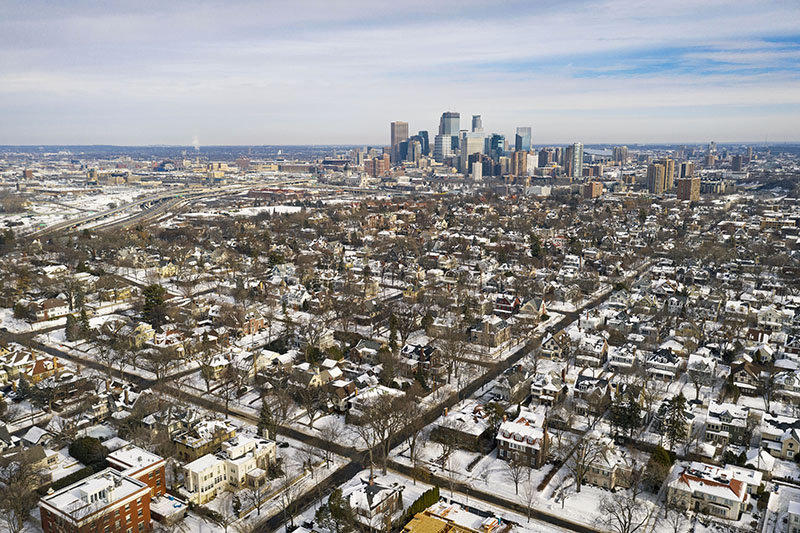
    Cities across the U.S. are reimagining what their downtowns could be, and Minneapolis and St. Paul are no exception. With so many office buildings now empty due to shifting work patterns, local leaders, developers, and city planners are promoting an idea known as “office-to-residential conversions.” This approach aims to transform unused office buildings into apartments, breathing new life into these areas. But while the concept has sparked hope, it has proven to be a complex and costly process, posing several challenges.
    Why Converting Office Spaces Matters

    Downtown areas in Minneapolis and St. Paul have seen a decline in foot traffic since more companies adopted remote and hybrid work models during the pandemic. Office buildings that were once bustling with workers are now sitting empty, and the surrounding areas lack the energy they once had. Conversion projects are seen as a way to address this problem by turning these unused spaces into homes.

    The benefits of these conversions are multiple. More housing downtown means more people living there, which increases demand for local shops, restaurants, and services, thus revitalizing the entire area. Moreover, by reducing vacant office space and creating new residential options, these projects address both the housing shortage and the issue of unused commercial real estate. City leaders view these conversions as an opportunity to reshape downtown communities into lively, mixed-use communities.

    Overcoming the Financial and Structural Hurdles

    While office-to-residential conversions offer many advantages, they are far from easy to accomplish. First, the cost of converting a building from office space to residential use is substantial. Construction expenses are high, especially when factoring in the changes needed to meet residential standards, like adding bathrooms, kitchens, and other necessary facilities. Additionally, modern office buildings, often designed with larger floor spaces and fixed windows, pose unique challenges. Unlike older buildings with smaller, flexible floor plans, these modern designs make it more challenging to create enough windows and natural light for a comfortable living space.

    Historically, developers have been able to use historic tax credits to help offset the costs of conversions, especially for older buildings. However, the rising costs of materials and labor, combined with higher interest rates, have made these credits less impactful. As a result, developers and city officials are working together to find ways to make these projects financially viable, including looking at new funding methods and incentives.

    Meeting the Need for Affordable Housing in Minneapolis

    Creating more housing downtown is essential, but city leaders and developers understand that not all of this housing should be high-end. In recent years, the apartment vacancy rate downtown has risen, so building an excess of luxury apartments may not be sustainable. To address this, many projects are focusing on providing more affordable housing options. This approach aims to attract a diverse population of residents, including service workers, students, and retirees who may find it challenging to afford high rents.

    By offering affordable options, these conversions can meet the needs of those who work downtown or rely on public transit and may not want—or be able—to pay for high-end apartments. Some recent projects have even prioritized housing for individuals who have experienced homelessness, providing not only shelter but also access to support services to help these individuals thrive.

    Support from Local and State Governments

    Recognizing the potential of these conversions, both Minneapolis and St. Paul are actively supporting the movement. City officials have introduced new measures to reduce the time and cost involved in these projects. For instance, Minneapolis recently passed a law waiving the city’s inclusionary zoning requirement for office-to-residential conversions, making it easier for developers to move forward. In addition, St. Paul has included funds in its budget to help cover permitting and other fees for conversion projects, signaling strong support for these efforts.

    Beyond the city level, advocates are pushing for state tax credits that could further reduce the cost burden on developers. A proposed five-year tax credit program would cover up to 30% of qualified project expenses for converting underutilized or vacant buildings. Although this proposal has not yet passed, it has garnered support and could play a crucial role in future conversion projects.

    A Vision for a Mixed-Use, Vibrant Downtown Minneapolis

    In the past, downtown areas were often segmented by purpose: business districts, entertainment areas, and retail zones each existed separately. However, the current vision for Minneapolis and St. Paul’s downtowns involves blending these areas to create a more dynamic, 24/7 neighborhood where people can live, work, and play. Successful examples of this mixed-use approach can already be seen in areas like Minneapolis’ North Loop and St. Paul’s Lowertown, where former warehouses have been turned into trendy apartments, attracting new residents, shops, and restaurants.

    For the larger, high-rise office buildings that dominate the heart of downtown, conversions will require even more innovation and investment. Yet leaders believe that by adding residential space, creating walkable areas, and blending entertainment, retail, and housing options, they can create vibrant downtown cores that draw a diverse range of people.

    Creating a Path Forward for Downtown’s Future

    While the vision for a reinvigorated downtown is clear, making it a reality requires substantial coordination and support. Nonprofits and coalitions are working behind the scenes to study which buildings are best suited for conversion and to help educate property owners on the potential benefits of these projects. For example, the nonprofit St. Paul Downtown Alliance has commissioned studies on 20 downtown buildings to determine their suitability for conversion, while a new group called CityShift is working to provide developers with a blueprint for how to carry out these transformations.

    CityShift, made up of architects, consultants, and market analysts, serves as a one-stop resource for anyone interested in learning more about conversions. By providing insight into the financial, structural, and market aspects of these projects, the group aims to attract more investors to consider office-to-residential conversions as a valuable and realistic option.

    The hope is that with a mix of public incentives, private investments, and careful planning, Minneapolis and St. Paul can create thriving downtown neighborhoods that attract new residents and foster a vibrant community. Though there are challenges, the potential rewards are significant, and the movement toward creating a new, blended-use downtown is already underway.

    Leaders acknowledge that transforming these large, empty buildings will take time, creativity, and flexibility. But with the right support, they believe that a new era is on the horizon for the Twin Cities’ downtowns, one that could revitalize these areas and make them once again the bustling hearts of Minneapolis and St. Paul.

  • The Safest Cities in Minnesota to Start a Family and Buy a Home

    The Safest Cities in Minnesota to Start a Family and Buy a Home

    What are the safest Minnestoa cities? Minnesota, also fondly referred to as the “Land of 10,000 Lakes,” is a Midwestern U.S. state known for its stunning natural landscapes, thriving cultural scene, and rich history. Not only does it boast a reputation for being one of the friendliest states, but many of its cities consistently rank high in terms of safety. Let’s dive into some of the safest cities in Minnesota, based on crime rates, community involvement, and overall quality of life.

    Eden Prairie

    Located southwest of downtown Minneapolis, Eden Prairie consistently ranks high not just in terms of safety but also in quality of life and livability. Its robust community programs, well-maintained public spaces, and proactive law enforcement make it a top pick for many families.

    Key highlights:

    • Excellent public schools and community centers.
    • Thriving local businesses and shopping centers.
    • Extensive parks and recreational opportunities.

    Woodbury

    Situated to the east of St. Paul, Woodbury is one of the fastest-growing cities in Minnesota. The city takes a community-centric approach to safety, with many neighborhood watch programs and community policing initiatives.

    Key highlights:

    • Modern amenities and shopping destinations.
    • A range of housing options, from apartments to sprawling homes.
    • Close-knit communities with active homeowner associations.

    Eagan

    Known for its natural beauty and proximity to the Twin Cities, Eagan offers a harmonious blend of suburban and urban lifestyles. The city’s low crime rates can be attributed to the active engagement of its residents and effective community outreach by the police department.

    Key highlights:

    • Home to numerous nature preserves and parks.
    • Strong school systems and community sports programs.
    • Active arts and cultural scene.

    Maple Grove

    Situated to the northwest of Minneapolis, Maple Grove boasts a dynamic local economy and well-planned residential communities. The city’s vigilant law enforcement agencies ensure the streets remain safe, making it ideal for both families and retirees.

    Key highlights:

    • Home to The Shoppes at Arbor Lakes, a major shopping and entertainment hub.
    • Plenty of green spaces, walking trails, and outdoor recreation areas.
    • Numerous annual community events and festivals.

    Blaine

    A blend of residential, commercial, and open spaces, Blaine offers a diverse living experience for its residents. The city’s police department is proactive in ensuring the safety of its residents through regular patrols and community outreach initiatives.

    Key highlights:

    • Hosts the annual Blaine Festival, which emphasizes community engagement.
    • A plethora of recreational opportunities including golf courses and sports complexes.
    • A growing business sector with plenty of employment opportunities.

    Plymouth

    Plymouth’s reputation as a safe city can be credited to its vigilant residents and the efforts of the local police department. The city offers a balanced life with ample green spaces, a bustling downtown area, and a range of housing options.

    Key highlights:

    • Several beautiful lakes offer various water activities.
    • Numerous parks, playgrounds, and walking trails.
    • Active community groups and neighborhood watch programs.

    Lakeville

    Lakeville lives up to Minnesota’s nickname with its beautiful lakes and water bodies. It’s a haven for nature lovers and families alike. The city’s authorities prioritize safety and well-being, making it one of the top safe cities in the state.

    Key highlights:

    • A rich history dating back to the 1800s.
    • Numerous community events throughout the year.
    • A mix of historic homes and modern housing developments.

    Safest Minnesota Cities Conclusion

    Minnesota offers a plethora of safe cities for individuals and families seeking a high quality of life. While the cities listed above are some of the safest, it’s essential to recognize that safety often goes hand in hand with community engagement. The active involvement of residents in ensuring the well-being of their neighborhoods, combined with effective law enforcement, contributes significantly to making Minnesota’s cities safe havens in the heart of America. Whether you’re considering relocating or simply visiting, you’ll find peace of mind in the Land of 10,000 Lakes.

  • How a Woman’s Identity Was Used to Misappropriate State Funds

    How a Woman’s Identity Was Used to Misappropriate State Funds

    A serious case of identity theft and fraud has come to light involving a man named Mark Allen Baker, who is 65 years old and lives in Duluth. He is accused of stealing a woman’s identity and using it to falsify documents, aiming to illegally obtain over $8,000 in COVID-19 relief funds specifically designed to help renters during the pandemic.

    The Scheme Uncovered

    The charges against Baker were filed this month, and they include seven felonies connected to his actions. It appears that Baker claimed he was behind on rent to qualify for rental assistance. He went as far as setting up a bank account under the woman’s name to channel the funds, which were intended to support landlords for rent missed by tenants during the economic downturn caused by the pandemic.

    Living Arrangements and Discovery of Fraud

    Baker and the woman he defrauded lived together from the fall of 2019 until September 2021. During this time, Baker was not on any lease agreement nor was he expected to pay rent. The fraudulent activities came to light in April 2023 when the woman was preparing her tax returns for 2022 and noticed a 1099 form indicating she had supposedly received a payment of $1,870 from the Minnesota Housing Finance Agency. Further investigation into her 2021 tax returns revealed an additional $6,225 from the same agency, which she had never received.

    Investigation and Evidence

    Upon discovering these discrepancies, the woman reported the suspected fraud to several agencies, including the St. Louis County Sheriff’s Office. An investigation was launched, which revealed that Baker first applied for rental assistance in April 2021. He falsely claimed he owed rent for 10 months. Part of the application process required a landlord form with an e-signature, supposedly from the woman, who later confirmed that she had never seen or signed such a document. Further investigation found several more instances of forged landlord signatures on critical documents like direct deposit authorizations and W-9 forms.

    Outcome and Consequences

    The fraudulent scheme resulted in a check for $6,225 being issued in September 2021. This check was endorsed in the woman’s name and deposited into the newly created bank account, from which the funds were transferred to a Chime mobile banking account controlled by Baker. Baker attempted to secure additional funds in January 2022 by applying for three more months of unpaid rent assistance, again using the woman’s forged signatures on necessary documents. The case highlights the need for strict monitoring and verification processes in financial assistance programs to prevent such abuses and protect innocent individuals from identity theft and financial fraud.

  • Why Twin Cities Renters Should Sign a Lease Now

    Why Twin Cities Renters Should Sign a Lease Now

    If you’re looking for a rental in the Twin Cities, this could be your golden opportunity. The current rental market is in a brief pause, offering renters a chance to find more options at reasonable prices. However, this calm period won’t last long. Let’s dive into what’s happening in the Twin Cities rental market and how you can take advantage of it.

    A Slowdown in Apartment Demand – But Not for Long

    Over the past few months, demand for apartments has cooled slightly compared to earlier this year, when units were being rented out at a rapid pace. Developers are working hard to complete thousands of new apartments, but after these projects are finished, construction is expected to slow down significantly.

    This slowdown in construction is a result of high borrowing and building costs, forcing many developers to put their plans on hold. While the current lull might offer some breathing room for renters, experts warn that competition for available apartments will heat up soon. This increase in competition is likely to drive up rents, making now a great time to secure a lease before prices climb further.

    Vacancy Rates and Rent Trends Across the Metro

    Despite a quieter rental market this fall, vacancy rates have only risen slightly. In the third quarter, the average vacancy rate across the Twin Cities metro was 4.4%, up only a fraction from earlier in the year. A vacancy rate of 5% is generally considered balanced between supply and demand, but the Twin Cities has remained below this benchmark for years.

    This tight market has kept upward pressure on rents. The average rent across the metro area is now $1,514, reflecting a 3.7% increase compared to last year. Suburban areas like St. Anthony and Mounds View are experiencing even steeper rent hikes, as new buildings in these areas attract renters willing to pay higher prices.

    Urban Areas See Growing Demand

    Minneapolis and St. Paul are also seeing changes in their rental markets. In St. Paul, the city’s rent control ordinance has slowed rent increases to 2.7% over the past year, but this rate still outpaces Minneapolis, where rents rose by about 1.7%. Downtown Minneapolis, which saw a drop in rental demand during the pandemic, is bouncing back. So far this year, 920 units have been rented out in the downtown area, with another 1,642 new units expected to open in 2024.

    Vacancy rates in downtown Minneapolis have improved significantly. When new buildings still in their initial lease-up phases are excluded, the vacancy rate was just 5.5% in the third quarter, a big improvement from the 7.7% peak seen in 2020.

    Developers Face Tough Challenges

    The slowdown in new apartment construction is largely due to high costs. Borrowing money has become more expensive, and construction costs are near record highs. These challenges have forced many developers to shelve their plans.

    In 2022, the Twin Cities metro saw a record 9,995 new apartment units built, but that number is expected to drop dramatically. Only 7,200 market-rate units are anticipated in 2024, and by 2025, that figure could fall to just 2,800. This dwindling supply is likely to increase competition among renters and push rents even higher in the coming years.

    Even now, the number of new apartments being built is a fraction of what’s needed. For example, in October, permits were issued for just 354 new multifamily units across the metro, marking the first year-over-year increase in permits since February. However, this is far below the level of construction seen in recent years.

    Shifting Trends in Downtown Rentals

    Downtown Minneapolis is experiencing a resurgence, attracting a new type of renter. Many people moving into downtown are empty nesters or those looking to downsize from larger homes in the suburbs. Luxury apartments, like the O2 Tower, are especially popular. At O2, which features rents averaging $2,700 per month, 72 of its 240 units were leased just weeks after the building opened in September.

    The Mill District neighborhood, in particular, is becoming a hotspot. New restaurants and a vibrant atmosphere have drawn more people to the area. Buildings in the neighborhood now report occupancy rates of 97%. Incentives like free rent or move-in discounts, which were common during the pandemic, are becoming rare as demand continues to grow.

    What This Means for Renters

    The Twin Cities rental market is at a turning point. While demand has softened slightly in recent months, a combination of high construction costs and a limited supply of new apartments means rents are expected to rise significantly shortly.

    If you’re considering renting in the Twin Cities, acting now could help you secure a lease before competition and prices increase. With fewer new apartments on the horizon and strong demand continuing, the current market offers a rare chance for renters to find better deals. Don’t wait too long—this window of opportunity may close sooner than you think.

  • Navigating Property Inheritance in Minnesota: To Rent, Sell, or Live?

    Navigating Property Inheritance in Minnesota: To Rent, Sell, or Live?

    As an heir in Minnesota, inheriting property may introduce various questions and complexities. Should you live in the property, rent it out, or sell it? How can you manage the tax implications of your inheritance, and what laws should you be aware of? This article will discuss these questions and more, highlighting key elements such as capital gain avoidance, Minnesota’s property laws, and Property Records of Minnesota.

    The Capital Gains Advantage of Inherited Property

    When a loved one passes away, becoming a beneficiary can have significant financial implications. Under Minnesota law, the property you inherit is assessed at its market value at the time of the previous owner’s death. The IRS recognizes this as a ‘stepped-up basis,’ which could prove a beneficial loophole in terms of capital gain tax.

    To Sell or Not to Sell: Weighing Your Options

    Whether to sell or hold onto the property is a crucial decision. The implications of both options in terms of capital gains are important to consider, as they have potential tax advantages and drawbacks.

    The Rental Route: Income and Responsibilities

    Renting inherited property is another viable option. This could provide a steady income stream, particularly if the property is located in a desirable area with high rental demand. However, it’s important to remember that rental income is taxable, and being a landlord entails certain responsibilities.

    Making it Home: Living in the Inherited Property

    Choosing to live in the property is a third option. For some, this can be an emotional decision, tied to maintaining a connection with the deceased owner. However, the practical aspects must also be considered. If you decide to live in the property, it becomes your primary residence, which can come with certain tax benefits, especially if you sell the property later.

    Deciphering Property Records in Minnesota

    The Property Records of Minnesota will be your primary source of property ownership data. This comprehensive record is publicly accessible and can help in verifying property ownership, tracing property history, and evaluating tax data.

    Navigating Minnesota Estate Laws

    Inheriting a property can also introduce certain complications with estate laws. Minnesota’s estate law stipulates that if the deceased owner’s estate exceeds a certain value ($3 million as of 2021), estate tax may apply. It’s crucial to consult with an estate attorney to understand your legal responsibilities fully.

    Making the Decision: Rent, Sell, or Live

    Ultimately, the decision to rent, sell, or live in an inherited property depends on a variety of factors including your financial circumstances, the condition and location of the property, and your personal preferences.

    The Takeaway

    Inheriting a property may appear daunting, but with a proper understanding of the IRS rules, Minnesota property laws, and the real estate market, you can make informed decisions that work best for you. Remember to consult with a tax advisor or real estate professional to navigate this complex process effectively. It may feel overwhelming, but with the right information and guidance, you can turn a challenging situation into a rewarding opportunity.