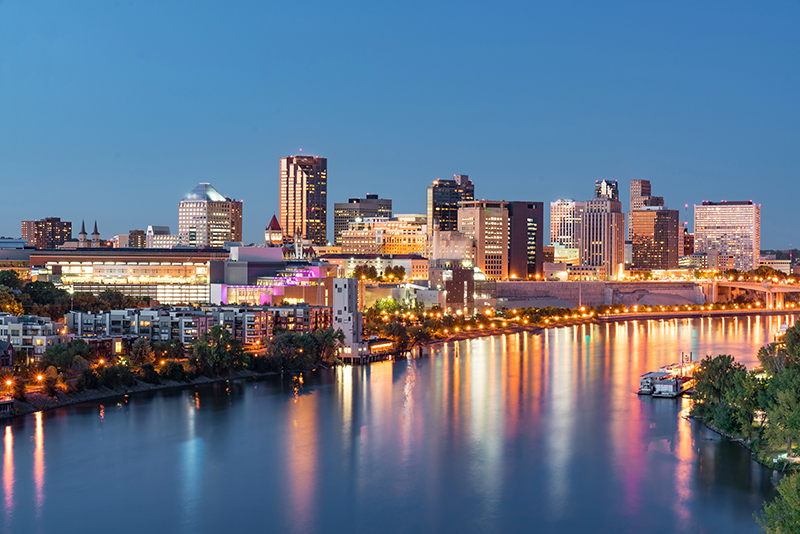
Tag: Saint Paul

  • 10 Suburbs Near Minneapolis Offering Affordable Living and Easy Commutes

    10 Suburbs Near Minneapolis Offering Affordable Living and Easy Commutes

    If you’re in the market for a home in Minneapolis this year, it might be wise to broaden your search to the nearby cities. These neighboring communities offer a compelling mix of affordability and convenience, providing a diverse range of options for both renters and buyers alike. Living just a short distance from Minneapolis allows you to enjoy the best of both worlds—proximity to the city’s amenities while benefiting from the unique features and charm of surrounding areas.

    Additionally, Minneapolis has seen an influx of renters drawn by its more affordable housing options compared to larger metropolitan areas. This trend has made the city an attractive destination for those looking to balance cost with quality of life. This article dives into the rent and housing costs, commute times, and lifestyle factors to help you find a place that suits your budget and preferences.

    1. St. Paul

    • Average commute to Minneapolis: 15 minutes
    • Median home sale price: $300,000
    • Average rent: $1,047
    • Highlights: Historical landmarks, cultural diversity, educational institutions

    St. Paul, Minnesota’s capital city, is steeped in history and brimming with cultural diversity. It’s home to the iconic Minnesota State Capitol and the stunning Cathedral of Saint Paul, both of which draw visitors from near and far. The city’s educational landscape is enriched by institutions like the University of St. Thomas and Hamline University, fostering a vibrant intellectual community. With a diverse economy supported by government, education, and healthcare sectors, St. Paul offers a balanced lifestyle. Residents enjoy a continental climate, experiencing cold winters perfect for ice skating and warm summers ideal for boating and other outdoor activities. The city’s dedication to sustainability and community-driven initiatives makes it an inviting place to call home.

    2. Bloomington

    • Average commute to Minneapolis: 20 minutes
    • Median home sale price: $370,000
    • Average rent: $1,804
    • Highlights: Shopping, outdoor activities, friendly environment

    Bloomington is a dynamic city just south of Minneapolis, famed for hosting the Mall of America, a retail and entertainment hub that attracts visitors globally. Besides shopping, Bloomington offers a wealth of outdoor activities, from skiing in the winter to hiking in the summer, thanks to its varied seasonal climate. Major employers in the retail, hospitality, and healthcare sectors bolster the city’s economy. Bloomington is also a city that values green spaces, with numerous parks that encourage an active and healthy lifestyle.

    3. Edina

    • Average commute to Minneapolis: 15 minutes
    • Median home sale price: $650,000
    • Average rent: $1,237
    • Highlights: Upscale living, excellent schools, golf courses

    Edina is synonymous with luxury and sophistication, offering an upscale suburban lifestyle with top-tier schools and abundant amenities. The city is home to premier shopping destinations like the Galleria and Southdale Center, which cater to discerning shoppers. Edina’s parks and golf courses make it a haven for outdoor enthusiasts, providing ample opportunities for recreation throughout the year. The city’s strong economy, driven by sectors like retail, healthcare, and professional services, coupled with its commitment to maintaining a high quality of life, makes it a sought-after place to live.

    4. Maple Grove

    • Average commute to Minneapolis: 25 minutes
    • Median home sale price: $418,000
    • Average rent: $1,715
    • Highlights: Shopping, parks, active lifestyle

    Maple Grove, located northwest of Minneapolis, is a vibrant suburb known for its extensive shopping and recreational facilities. The Shoppes at Arbor Lakes is a major draw, offering a diverse array of retail and dining options. The city is also rich in green spaces, with numerous parks and trails, including the expansive Elm Creek Park Reserve, which supports an active, outdoor lifestyle. Maple Grove’s climate, with its cold winters and mild summers, provides a perfect backdrop for seasonal activities like snowshoeing and biking. The city’s focus on sustainability and environmental preservation makes it an appealing choice for eco-conscious residents.

    5. Plymouth

    • Average commute to Minneapolis: 20 minutes
    • Median home sale price: $490,000
    • Average rent: $912
    • Highlights: Parks, lakes, community events

    Plymouth, located to the west of Minneapolis, is celebrated for its picturesque parks and serene lakes. The city offers a wealth of recreational opportunities, including the popular French Regional Park and Medicine Lake, ideal for boating, fishing, and picnicking. Plymouth’s community spirit is showcased in the numerous events held throughout the year, fostering a close-knit atmosphere among residents. The city’s long fall season and cooler weather make it a perfect place to enjoy autumnal activities. Plymouth is also known for its strong local economy, driven by key sectors such as retail, healthcare, and professional services.

    6. Eden Prairie

    • Average commute to Minneapolis: 25 minutes
    • Median home sale price: $515,000
    • Average rent: $1,935
    • Highlights: Business parks, outdoor activities, shopping

    Eden Prairie is a thriving suburb southwest of Minneapolis, renowned for its business parks and outdoor recreation. The city is home to several major companies, including C.H. Robinson and Optum, making it a significant employment hub. Eden Prairie also offers a wealth of parks and trails, including the scenic Purgatory Creek Park and Staring Lake Park, providing ample opportunities for hiking, biking, and enjoying the outdoors. The local economy is robust, supported by sectors like technology, healthcare, and retail, making Eden Prairie an attractive option for both work and play.

    7. Minnetonka

    • Average commute to Minneapolis: 20 minutes
    • Median home sale price: $543,000
    • Average rent: $1,654
    • Highlights: Lakes, parks, business opportunities

    Minnetonka, a scenic suburb west of Minneapolis, is known for its stunning lakes and parks. The city offers an abundance of recreational activities, from boating on Lake Minnetonka to hiking in Minnetonka Regional Park. Minnetonka is also a key business hub, with major employers like UnitedHealth Group and Cargill headquartered here, contributing to a diverse and thriving economy. The city’s commitment to environmental preservation and sustainability, coupled with its cold winters and warm summers, makes it a desirable place to live.

    8. Eagan

    • Average commute to Minneapolis: 25 minutes
    • Median home sale price: $390,000
    • Average rent: $1,382
    • Highlights: Parks, business opportunities, community-based environment

    Eagan, situated to the south of Minneapolis, is a bustling suburb known for its extensive parks and strong business environment. The city’s Lebanon Hills Regional Park is a favorite among residents for hiking, biking, and fishing. Eagan is also home to several major companies, including Thomson Reuters and Blue Cross Blue Shield of Minnesota, making it a significant employment center. The local economy thrives on key sectors such as healthcare, technology, and retail. Eagan’s commitment to sustainability and community initiatives, coupled with its seasonal climate, makes it a well-rounded and attractive place to live.

    9. Burnsville

    • Average commute to Minneapolis: 25 minutes
    • Median home sale price: $370,000
    • Average rent: $1,468
    • Highlights: Shopping, parks, close-knit community

    Burnsville, located south of Minneapolis, is a vibrant suburb known for its shopping and recreational offerings. The Burnsville Center is a popular shopping destination, providing a wide variety of retail options. The city’s parks and trails, including Buck Hill, offer seasonal activities like skiing in the winter and mountain biking in the summer. Burnsville’s economy is diverse, with strong retail, healthcare, and manufacturing sectors, and its close-knit community makes it an inviting place to settle down.

    10. Woodbury

    • Average commute to Minneapolis: 30 minutes
    • Median home sale price: $474,000
    • Average rent: $1,599
    • Highlights: Shopping, parks, growing town

    Woodbury, a thriving suburb east of Minneapolis, is recognized for its expansive shopping and recreational opportunities. The Woodbury Lakes shopping center is a focal point for retail therapy, while Carver Lake Park offers outdoor activities such as hiking, biking, and fishing. Woodbury’s economy is robust, with key sectors like retail, healthcare, and technology driving growth. The city’s climate, characterized by cold winters and warm summers, supports a wide range of seasonal activities, making Woodbury an increasingly popular choice for new residents.

  • A Tale of Two Extremes: Minnesota’s Housing Market Highs and Lows

    A Tale of Two Extremes: Minnesota’s Housing Market Highs and Lows

    In an illuminating revelation by the Minneapolis Area Realtors and the Saint Paul Area Association of Realtors, housing and home sales experienced a significant downturn for the second consecutive year in 2023. The joint annual report highlighted this year as witnessing the lowest number of sales recorded in the state since 2011, marking a stark contrast to the 20-year-high in home sales seen in 2021. This downturn is a significant development, shedding light on the shifting dynamics within the real estate market in Minnesota.

    The Impact of Economic Factors on the Housing Market

    The decline in home sales has been primarily attributed to a trio of economic factors: rising interest rates, escalating home prices, and a pronounced shortage of housing supply. The report poignantly captures the essence of these challenges, quoting, “The pendulum always overswings.” Such a statement encapsulates the cyclical nature of real estate markets, where periods of growth are often followed by adjustments and slowdowns. The associations utilized data compiled by NorthstarMLS to offer a comprehensive analysis of buying trends, painting a detailed picture of the current market landscape.

    Mortgage Rates and Market Dynamics

    A significant factor exacerbating the decline in home sales has been the near tripling of mortgage rates from 2021 to 2023, skyrocketing from a modest 2.7% to an imposing 8%. This sharp increase has understandably cooled buying activity, yet, paradoxically, the persistent shortage in housing supply has continued to push home prices upward. This dynamic has led to a cautious approach from buyers and a hesitancy among sellers, who are reluctant to forfeit their favorable mortgage rates. The report also notes an increase in the average time homes stayed on the market, although it remains relatively low compared to historical data.

    Analyzing the Trends: Insights from Industry Experts

    Amy Peterson, the president of the Saint Paul Area Association of Realtors, provided further insights into the trends observed over the year. Echoing the patterns of the latter half of 2022, Peterson noted a decline in both listings and sales, coupled with rising prices, strong offers, and relatively quick market times. This juxtaposition of declining sales against rising prices and quick market times underscores the complex interplay of factors influencing the real estate market.

    The report offers a granular look at the shifting sales trends across different housing types, with single-family sales, condos, and townhomes all experiencing declines. The median sales price, inventory levels, and days on the market all underwent notable changes, highlighting the varied impact across the market. Furthermore, the report delves into the challenges facing buyers, particularly the significant increase in monthly mortgage payments, which have risen dramatically since 2020. This aspect underscores the broader economic challenges impacting potential home buyers and the real estate market at large.

    Conclusion

    The joint annual report by the Minneapolis Area Realtors and the Saint Paul Area Association of Realtors presents a comprehensive overview of the Minnesota housing market in 2023. The detailed analysis of sales trends, economic factors, and market dynamics offers valuable insights into the challenges and opportunities within the real estate sector. As the market continues to navigate these turbulent times, the report underscores the importance of economic stability and job growth in sustaining the health and sustainability of the housing market moving forward.

  • What the 2026 ICE Raids Mean for Minnesota’s Renters, Homeowners, and Workers

    What the 2026 ICE Raids Mean for Minnesota’s Renters, Homeowners, and Workers

    The ICE raids that expanded across Minnesota in 2026 have gone far beyond immigration enforcement. They are reshaping neighborhoods, disrupting housing stability, and changing how people move through their daily routines. While the raids are officially aimed at immigration violations, their ripple effects are being felt by renters, homeowners, landlords, employers, schools, and entire communities.

    Fear Is Driving Housing Decisions

    One of the biggest impacts is fear, and fear directly affects where people live.

    In many immigrant-heavy neighborhoods across the Twin Cities and surrounding areas, families are leaving apartments they have lived in for years. Some are moving in with relatives. Others are relocating to smaller towns or different states. Even households with mixed legal status are making sudden decisions to move, worried that a routine stop outside their building could turn into detention.

    This has led to higher vacancy rates in certain apartment complexes, especially older multifamily buildings that traditionally housed working-class families. Property owners are seeing more broken leases, last-minute move-outs, and tenants asking to be removed from lease agreements early. In a normal market, this level of turnover would be unusual.

    Rental Markets Are Slowing in Targeted Areas

    Rental demand has softened in neighborhoods most affected by enforcement activity. In places where rents were steadily rising just a year ago, landlords are now offering concessions to fill units. These include discounted rent, waived application fees, and more flexible lease terms.

    At the same time, demand is increasing in areas perceived as quieter or safer. Suburbs and smaller cities farther from visible enforcement activity are seeing higher interest from renters who can afford to move. This uneven demand is creating pockets of slowdown alongside pockets of pressure, rather than a single statewide trend.

    For renters who remain, the stress is financial as well as emotional. Missed work, reduced hours, or job loss tied to fear of leaving home has made it harder to pay rent on time. Tenant advocates report a rise in eviction filings that are indirectly tied to enforcement-related disruptions, even when the tenant has lived in the unit responsibly for years.

    Homeowners Are Also Affected

    Homeowners are not immune to the impact. In some neighborhoods, homes are being listed for sale sooner than expected as families decide they no longer feel safe staying. This is especially true for multigenerational households, where one person’s legal risk affects the entire family.

    Real estate agents report longer listing times in certain areas, not because homes are undesirable, but because buyers are hesitant about instability and community disruption. Even buyers with no connection to immigration issues are factoring in protests, enforcement visibility, and long-term uncertainty when deciding where to purchase.

    Everyday Life Has Quieted Down

    Beyond housing, daily life in many Minnesota communities has changed noticeably.

    Public spaces are emptier. Parks, libraries, and community centers that were once busy are seeing fewer families. Transit ridership has dipped in some neighborhoods as people avoid routine travel. Grocery shopping is happening less often, with households trying to limit trips outside.

    Workplaces are struggling with attendance. Industries like construction, food service, cleaning, caregiving, and agriculture are seeing staffing shortages because workers are afraid to commute or show up consistently. Some employers are trying to adjust schedules or offer flexibility, but many jobs simply cannot be done remotely.

    Schools and Children Are Caught in the Middle

    Schools are seeing the consequences as well. Attendance has dropped in districts with large immigrant populations. Some parents are keeping children home out of fear that enforcement activity near bus stops or school grounds could separate families.

    This has forced school districts to bring back remote or hybrid options, not because of health concerns, but because families no longer feel safe with normal routines. Educators say the emotional toll on students is growing, with anxiety, distraction, and disengagement becoming more common.

    Small Businesses Are Losing Customers

    Small businesses are taking a hit as well. Restaurants, neighborhood shops, salons, and local services depend on regular foot traffic. When people stay home, revenue drops fast. Some business owners are reducing hours or closing temporarily during periods of heavy enforcement activity.

    The concern among business groups is not just short-term losses, but long-term damage. If families permanently relocate, entire commercial corridors could struggle to recover.

    Rising Tension and Community Strain

    The raids have also increased tension between residents, law enforcement, and government officials. Protests have become more frequent, sometimes disrupting traffic and commerce. Communities are divided, with some residents supporting strict enforcement and others seeing the operations as harmful and excessive.

    Trust in institutions has eroded in many neighborhoods. Even people with legal status are hesitant to interact with authorities, which affects everything from reporting crimes to accessing public services.

    A Tragic Moment That Intensified the Crisis

    The situation escalated further after the fatal shooting of Renee Goods, a U.S. citizen, during an ICE operation in early 2026. The incident shocked the state and intensified public anger, protests, and legal challenges, becoming a symbol of how dangerous and far-reaching the enforcement actions had become.

    Long-Term Uncertainty for Minnesota

    What makes the situation especially difficult is uncertainty. Real estate markets depend on stability. Renters need predictability. Employers need reliable workers. Schools need consistent attendance. The ongoing raids have disrupted all of these at once.

    Even if enforcement slows in the future, the aftereffects will linger. Neighborhoods that lost residents may take years to recover. Trust, once broken, is slow to rebuild. For Minnesota, the ICE raids of 2026 are no longer just an immigration issue. They are a housing issue, an economic issue, and a community issue that will shape the state for years to come.

  • Will Minneapolis Adopt Rent Control Like St. Paul?

    Will Minneapolis Adopt Rent Control Like St. Paul?

    Rent control is a rule that limits how much landlords can raise the rent each year. The idea is to protect renters from big jumps in price so they can stay in their homes without worrying about sudden increases they can’t afford.

    Some cities set a fixed number, like a cap of a few percent per year. Others tie it to inflation or other economic factors. Supporters say it keeps housing stable for working families. Critics argue it can slow down new construction or push landlords to sell their buildings because they feel they can’t earn enough to maintain them.

    What St. Paul Already Did

    St. Paul approved a strict rent-control policy that limits annual rent increases to a small percentage. They also stopped landlords from raising the rent when a tenant moves out, which is something many other cities allow.

    The goal was simple: stop rapidly rising rents. But it created pushback. Some developers paused or canceled projects because they didn’t want to build under such tight rules. Some landlords also complained that they couldn’t recover their costs, especially with property taxes, repairs, and insurance going up.

    What Minneapolis Has Done So Far

    Minneapolis is in a different place. Residents voted to let the city council create a rent-control policy if it chooses to. So the city has the power, but it hasn’t put a policy in place yet.

    The topic has become a political fight. Some city leaders say rent control is necessary to protect renters, especially with rising housing costs and a shortage of affordable units. Others believe strict rules would hurt the housing market and slow down development that the city needs.

    Because of this divide, Minneapolis hasn’t moved forward with a full rent-control plan. The city is studying the issue and trying to understand what worked and what didn’t in St. Paul.

    The Big Questions for Minneapolis

    City leaders are watching St. Paul closely. They want to know whether rent control actually helps renters or ends up shrinking the supply of new housing.

    Supporters of rent control argue that without limits, long-time residents get pushed out of their neighborhoods as rents rise faster than wages. They say a cap creates stability and stops unfair price jumps.

    People who are against it say that too many rules can scare off builders, slow down the creation of new units, and make the housing shortage even worse. They also argue that landlords might cut back on repairs if they feel squeezed financially.

    What Could Happen Next

    Nothing is guaranteed. Minneapolis has the authority to create rent control, but the city is split over how strict the rules should be or whether they should exist at all.

    Future elections will shape the direction. New council members or a shift in public pressure could bring the issue back to the front. On the other hand, concerns about development and the financial health of the housing market might keep leaders cautious.

    For now, Minneapolis is still in a wait-and-see period, trying to learn from St. Paul’s experience before making a final decision.

  • How Fortune 500 Companies Shape the Minnesota Housing Market

    How Fortune 500 Companies Shape the Minnesota Housing Market

    Minnesota is known for its lakes, parks, and friendly communities, but it’s also home to a powerful business scene. The Twin Cities metropolitan area, which includes Minneapolis and St. Paul, has one of the highest concentrations of Fortune 500 companies in the country. Big names like Target, Best Buy, 3M, U.S. Bancorp, General Mills, and UnitedHealth Group are all based here.

    Even if people don’t think about it, these companies strongly influence the local real estate market. When major employers hire thousands of workers, offer steady salaries, and attract talent from around the country, housing demand naturally changes.

    More Jobs Mean More People Moving In

    When companies like Target or Best Buy expand, they bring in new employees. Some are local, but many move from out of state. This creates higher demand for homes, apartments, and condos, especially near the Twin Cities. Neighborhoods close to corporate offices or near major highways usually see the fastest growth.

    Higher Demand Often Raises Home Prices

    As more people compete for housing, prices tend to go up. This has happened in several Twin Cities suburbs where many corporate workers live, such as Bloomington, Eagan, St. Louis Park, Edina, and Maple Grove. These areas offer short drives to office campuses, which makes them popular.

    New Development Follows Big Employers

    Large companies attract restaurants, shops, and entertainment to the surrounding areas. Developers respond by building new apartment buildings, townhomes, and mixed-use projects. This boosts property values and transforms older neighborhoods into busy, modern areas.

    Stable Companies Create Stable Housing Markets

    One reason Minnesota real estate stays strong is the job security these companies offer. Even during economic slowdowns, major employers like 3M and General Mills help keep the job market steady. When jobs remain stable, the housing market usually avoids sharp drops.

    Renters Feel the Impact Too

    High-paying corporate jobs can push rents higher. Areas near downtown Minneapolis and St. Paul, or close to business hubs like Eagan or Richfield, often see higher rent because landlords know demand stays strong.

    A Strong Future for Minnesota Real Estate

    As long as the Twin Cities remain home to so many Fortune 500 headquarters, the real estate market is likely to stay competitive. Companies attract workers, workers need housing, and housing costs rise in the most popular neighborhoods. For buyers and investors, Minnesota offers a mix of long-term stability and steady demand.

  • Living in St. Paul, MN: Pros and Cons

    Living in St. Paul, MN: Pros and Cons

    St. Paul, Minnesota, is a lively and diverse city known for its beautiful buildings, delicious food, and rich cultural scene. It’s a city full of opportunities for fun, career growth, and an exciting urban lifestyle. However, like any city, it has its challenges. In this article, we’ll look at the good and bad sides of living in St. Paul to help you decide if it’s the right place for you.

    Vibrant Arts and Culture Scene

    Pro: A Thriving Arts Community
    St. Paul is a great place for art and culture lovers. The city is home to many theaters, art galleries, and music venues. Every year, it hosts the Minnesota State Fair, one of the biggest and most popular state fairs in the country. There are always cultural events and activities happening, making it an exciting place to live for those who enjoy the arts.

    Con: Limited Nightlife Options
    While St. Paul has a rich cultural scene, it may not have as many nightlife options as its neighboring city, Minneapolis. If you enjoy a vibrant nightlife with lots of bars, clubs, and entertainment venues, you might find St. Paul’s offerings a bit limited in comparison.

    The Weather

    Con: Harsh Winter Weather
    One of the downsides of living in St. Paul is the cold and snowy winters. The winters are long and can be quite harsh, with heavy snowfall. This can make commuting and outdoor activities challenging. If you prefer a milder climate, the extreme cold and snow might be a downside.

    Pro: Summer Festivals and Events
    Despite the harsh winters, St. Paul comes alive in the summer with many festivals and events. The warmer months offer a variety of outdoor activities and community gatherings that make up for the cold winter season.

    Parks and Green Spaces

    Pro: Abundance of Parks and Nature
    St. Paul is known for its many parks and green spaces. Places like Como Park and the Mississippi National River and Recreation Area offer scenic trails, picnic spots, and opportunities to see wildlife. If you love the outdoors, you’ll appreciate the city’s access to nature.

    Con: Traffic Congestion in Parks
    However, popular parks and green spaces can get crowded, especially on weekends and holidays. Traffic congestion in and around these areas can sometimes be a hassle for those looking to enjoy a peaceful day in nature.

    Transportation

    Con: Limited Public Transportation
    St. Paul does have a public transportation system, but it’s not as extensive as in some bigger cities. You might need to rely on your car for daily commutes, as public transport might not be the most convenient or efficient way to get around.

    Pro: Accessible Highways
    On the flip side, St. Paul has good highway access, making it easier for drivers to navigate the city and reach surrounding areas quickly.

    Cost of Living

    Con: High Cost of Living
    Living in St. Paul can be more expensive compared to other cities in the Midwest. Housing, utilities, and groceries tend to cost more. For example, the median home price is around $298,700, and renting a two-bedroom apartment averages about $1,480 per month. This can be a challenge if you’re on a tight budget.

    Pro: Strong Job Market
    Despite the higher cost of living, St. Paul boasts a strong job market. There are many job opportunities in fields like healthcare, education, and technology. The city is home to major corporations and has a growing startup scene, providing ample career prospects and economic stability.

    Community and Education

    Pro: Strong Sense of Community
    St. Paul has a close-knit community feel, with many neighborhoods known for their friendly and active residents. People often take pride in their city and participate in local events and community initiatives, making it a welcoming place for newcomers.

    Pro: Access to Higher Education
    The city is home to several higher education institutions, such as the University of St. Thomas and Concordia University. Residents have access to quality education and lifelong learning opportunities, which adds to the cultural and intellectual vibe of the city.

    Con: Traffic Congestion
    Like many big cities, St. Paul experiences traffic congestion, especially during peak commuting hours. This can lead to delays and long commutes, which can be frustrating for daily travelers.

    In summary, St. Paul offers a vibrant cultural scene, beautiful parks, and a strong job market, but it also has its challenges, like harsh winters and a high cost of living. By weighing these pros and cons, you can decide if St. Paul is the right place for you.

  • What Saint Paul Homeowners Need to Know About Next Year’s Taxes

    What Saint Paul Homeowners Need to Know About Next Year’s Taxes

    In recent years, Saint Paul has seen steady growth in single-family home values, reflecting the strong demand for residential properties. However, not all property types are experiencing the same trend. Commercial properties, industrial buildings, and apartment complexes have slightly dipped in their estimated market values over the past year. This shift in property value dynamics has significant implications for homeowners, as the value of various property types in the area heavily influences property taxes. As a result, Saint Paul homeowners are likely to face higher property tax bills in the coming year.

    Property Tax Increases Expected for Homeowners

    For most homeowners, property taxes are a major expense, and Saint Paul residents should brace themselves for a noticeable increase. A typical single-family home with a median value could see a property tax hike of about $200 next year. This increase is the result of combined tax levies from the city, county, and school districts. But that’s not all – fees for essential services like trash collection, water, recycling, and sewer are expected to rise as well, adding at least $100 more to household expenses. Altogether, homeowners may face approximately $300 in additional taxes and fees next year, depending on their neighborhood and the final approved tax rates.

    Budget Challenges and Shifting Tax Burdens

    The city’s leaders are navigating a challenging financial landscape, with a growing reliance on residential property taxes to balance the budget. Saint Paul’s mayor has proposed a 7.9% increase to the city’s property tax levy, which would raise $16.5 million in additional revenue. While this is a significant increase, it is not unprecedented, as larger tax hikes have occurred in the past decade. The tax burden appears to be shifting more toward residential properties, as the value of commercial and industrial properties has declined. This means that Saint Paul homeowners will likely shoulder a larger share of the city’s tax needs compared to previous years.

    Neighborhoods Experience Different Impacts

    These tax increases will affect Saint Paul unevenly. In neighborhoods like Highland Park, where home values are climbing by over 5%, homeowners can expect substantial property tax bill increases. For example, a home in Highland Park worth $413,000 may see its taxes increase by $527 next year. On the other hand, downtown condo owners could see some relief, as property values in that area have slightly declined. Other neighborhoods will fall somewhere in the middle. For instance, a home in the Payne-Phalen neighborhood, with a smaller increase in market value, might see a more modest tax hike of around $89.

    Decline in Commercial and Apartment Values

    While residential property values are on the rise, commercial and industrial properties, as well as apartment buildings, are experiencing a downturn. Commercial property values have dropped by 1.5%, industrial values by 2.4%, and apartment values by 4.5%. This decline means these property types will likely see lower property tax bills, providing some financial relief for businesses and landlords. However, this shift places a heavier burden on residential properties to make up for the revenue shortfall. The commercial and office real estate markets are also adjusting to new trends, such as hybrid work models and fewer retail developments, which could further affect property values and tax revenues.

    Development and Programs to Offset Tax Impacts

    Despite the challenges, there are bright spots in Saint Paul’s real estate and financial landscape. Major residential development projects, such as Highland Bridge and The Heights, are moving forward, along with other large-scale developments throughout Ramsey County. These projects are expected to boost the housing market and provide long-term benefits to the local economy. Additionally, Saint Paul benefits from a regional fiscal disparities program, which redistributes property tax revenue from commercial-industrial properties across counties. Ramsey County is set to receive $56.8 million from this program in 2025, an increase of nearly 12% compared to last year. This shared revenue helps offset some of the tax burdens on homeowners.

    Preparing for a Challenging Year Ahead

    Saint Paul residents should prepare for a challenging year as property taxes and fees rise to address the city’s budget needs. While development and fiscal programs may provide some relief, the increase in residential property taxes is inevitable for many homeowners. Those looking to minimize their tax burden should consider exploring options such as challenging their property’s market value assessment, a method some homeowners have already used successfully. As city, county, and school district officials finalize budgets in the coming months, they may still adjust tax rates, but the general trend shows higher costs for Saint Paul households in 2025.

  • Saint Paul’s Downtown Crisis Didn’t Happen Overnight

    Saint Paul’s Downtown Crisis Didn’t Happen Overnight

    Downtown Saint Paul has been struggling lately. People are noticing closed stores, empty office buildings, and fewer people walking around. For example, the last full-service grocery store in the area shut down, and one of the major office towers, the Alliance Bank Center, is now sitting mostly vacant. It feels like the area is falling apart. But the truth is, this isn’t the first time downtown Saint Paul has hit a rough patch. Over the years, downtown has been called “dead” or “dying” many times. It has had its ups and downs for more than a century.

    So while things might seem especially bad now, there’s more to the story than just a struggling downtown. The bigger issue has to do with how certain properties were handled and neglected, and how that had a ripple effect across the whole area.

    One Saint Paul Landlord Made Things Worse

    Much of the damage to downtown Saint Paul can be traced to a company called Madison Equities. For more than a decade, they owned some of the most important buildings in the downtown area. Instead of taking care of those properties, they let many of them fall into disrepair. Elevators stopped working, garbage piled up, and businesses started moving out.

    Madison Equities kept buying more buildings while ignoring the condition of the ones they already had. This had a snowball effect. When buildings aren’t maintained, they lose tenants. When tenants leave, there’s less foot traffic and fewer people spending money in the area. Other businesses nearby start to suffer, and eventually, the entire downtown feels lifeless.

    A History of Neglect and Legal Trouble

    The problems with Madison Equities didn’t happen overnight. In 2012, the company bought the Lowry Hotel and turned it into apartments, but they didn’t put enough money into keeping the building in good shape. In 2013, they took over the U.S. Bank Center and replaced union janitors with cheaper workers. In 2015, they refused to work with union labor for renovations, which led to more tension with city officials and workers.

    Later on, the company got into serious legal trouble. The Minnesota attorney general sued Madison Equities for things like wage theft and mistreatment of workers. The case is still being appealed, but it shows how the company repeatedly avoided responsibility.

    Madison Equities also pulled out of a program that helps keep downtown areas clean and welcoming, known as the Downtown Improvement District. Other businesses stayed in the program, but Madison chose not to contribute, even though they owned so much of the property. This made it harder for downtown as a whole to stay appealing.

    Things Got Worse After the Owner Died

    The founder of Madison Equities, Jim Crockarell, passed away in early 2024. After his death, the company began falling apart. His family started selling off properties, and the buildings were no longer being managed properly. One by one, tenants started leaving, and the conditions got worse.

    At the Lowry Hotel, the situation became so bad that the city had to shut it down and evacuate tenants. Other buildings followed. In early 2025, the company even shut off power and utilities in the Alliance Bank Center without warning. That building was an important part of the downtown skyway system, a network of indoor walkways connecting buildings. Because of the closure, parts of the skyway were forced to shut down too. Now, people can’t move through downtown the way they used to, which only adds to the sense that the area is falling apart.

    What Can Be Done to Fix Downtown Saint Paul?

    Despite how bad things look, downtown Saint Paul isn’t beyond saving. But fixing it will take strong leadership and long-term thinking. City officials, businesses, and property owners will need to work together, which is something that didn’t happen with Madison Equities.

    There are good examples in other cities. For instance, downtown Detroit once had similar problems: abandoned buildings, lack of investment, and a shrinking population. But one investor bought up many of the worst buildings and took the time to repair them. Over the years, that effort brought people back to the area.

    Saint Paul needs something like that, someone who sees the long-term value in rebuilding and doesn’t just let buildings rot. It also needs cooperation between property owners and public programs that can keep the area clean, safe, and active.

    Right now, the downtown area is facing a crisis not just because of economic changes, but because of poor leadership and neglect. If those issues are addressed, there’s still hope for a comeback. It won’t happen overnight, but downtown can thrive again with the right attention and care.

  • How Minneapolis and St. Paul Are Embracing Office-to-Residential Conversions

    How Minneapolis and St. Paul Are Embracing Office-to-Residential Conversions

    Cities across the U.S. are reimagining what their downtowns could be, and Minneapolis and St. Paul are no exception. With so many office buildings now empty due to shifting work patterns, local leaders, developers, and city planners are promoting an idea known as “office-to-residential conversions.” This approach aims to transform unused office buildings into apartments, breathing new life into these areas. But while the concept has sparked hope, it has proven to be a complex and costly process, posing several challenges.

    Why Converting Office Spaces Matters

    Downtown areas in Minneapolis and St. Paul have seen a decline in foot traffic since more companies adopted remote and hybrid work models during the pandemic. Office buildings that were once bustling with workers are now sitting empty, and the surrounding areas lack the energy they once had. Conversion projects are seen as a way to address this problem by turning these unused spaces into homes.

    The benefits of these conversions are multiple. More housing downtown means more people living there, which increases demand for local shops, restaurants, and services, thus revitalizing the entire area. Moreover, by reducing vacant office space and creating new residential options, these projects address both the housing shortage and the issue of unused commercial real estate. City leaders view these conversions as an opportunity to reshape downtown communities into lively, mixed-use communities.

    Overcoming the Financial and Structural Hurdles

    While office-to-residential conversions offer many advantages, they are far from easy to accomplish. First, the cost of converting a building from office space to residential use is substantial. Construction expenses are high, especially when factoring in the changes needed to meet residential standards, like adding bathrooms, kitchens, and other necessary facilities. Additionally, modern office buildings, often designed with larger floor spaces and fixed windows, pose unique challenges. Unlike older buildings with smaller, flexible floor plans, these modern designs make it more challenging to create enough windows and natural light for a comfortable living space.

    Historically, developers have been able to use historic tax credits to help offset the costs of conversions, especially for older buildings. However, the rising costs of materials and labor, combined with higher interest rates, have made these credits less impactful. As a result, developers and city officials are working together to find ways to make these projects financially viable, including looking at new funding methods and incentives.

    Meeting the Need for Affordable Housing in Minneapolis

    Creating more housing downtown is essential, but city leaders and developers understand that not all of this housing should be high-end. In recent years, the apartment vacancy rate downtown has risen, so building an excess of luxury apartments may not be sustainable. To address this, many projects are focusing on providing more affordable housing options. This approach aims to attract a diverse population of residents, including service workers, students, and retirees who may find it challenging to afford high rents.

    By offering affordable options, these conversions can meet the needs of those who work downtown or rely on public transit and may not want—or be able—to pay for high-end apartments. Some recent projects have even prioritized housing for individuals who have experienced homelessness, providing not only shelter but also access to support services to help these individuals thrive.

    Support from Local and State Governments

    Recognizing the potential of these conversions, both Minneapolis and St. Paul are actively supporting the movement. City officials have introduced new measures to reduce the time and cost involved in these projects. For instance, Minneapolis recently passed a law waiving the city’s inclusionary zoning requirement for office-to-residential conversions, making it easier for developers to move forward. In addition, St. Paul has included funds in its budget to help cover permitting and other fees for conversion projects, signaling strong support for these efforts.

    Beyond the city level, advocates are pushing for state tax credits that could further reduce the cost burden on developers. A proposed five-year tax credit program would cover up to 30% of qualified project expenses for converting underutilized or vacant buildings. Although this proposal has not yet passed, it has garnered support and could play a crucial role in future conversion projects.

    A Vision for a Mixed-Use, Vibrant Downtown Minneapolis

    In the past, downtown areas were often segmented by purpose: business districts, entertainment areas, and retail zones each existed separately. However, the current vision for Minneapolis and St. Paul’s downtowns involves blending these areas to create a more dynamic, 24/7 neighborhood where people can live, work, and play. Successful examples of this mixed-use approach can already be seen in areas like Minneapolis’ North Loop and St. Paul’s Lowertown, where former warehouses have been turned into trendy apartments, attracting new residents, shops, and restaurants.

    For the larger, high-rise office buildings that dominate the heart of downtown, conversions will require even more innovation and investment. Yet leaders believe that by adding residential space, creating walkable areas, and blending entertainment, retail, and housing options, they can create vibrant downtown cores that draw a diverse range of people.

    Creating a Path Forward for Downtown’s Future

    While the vision for a reinvigorated downtown is clear, making it a reality requires substantial coordination and support. Nonprofits and coalitions are working behind the scenes to study which buildings are best suited for conversion and to help educate property owners on the potential benefits of these projects. For example, the nonprofit St. Paul Downtown Alliance has commissioned studies on 20 downtown buildings to determine their suitability for conversion, while a new group called CityShift is working to provide developers with a blueprint for how to carry out these transformations.

    CityShift, made up of architects, consultants, and market analysts, serves as a one-stop resource for anyone interested in learning more about conversions. By providing insight into the financial, structural, and market aspects of these projects, the group aims to attract more investors to consider office-to-residential conversions as a valuable and realistic option.

    The hope is that with a mix of public incentives, private investments, and careful planning, Minneapolis and St. Paul can create thriving downtown neighborhoods that attract new residents and foster a vibrant community. Though there are challenges, the potential rewards are significant, and the movement toward creating a new, blended-use downtown is already underway.

    Leaders acknowledge that transforming these large, empty buildings will take time, creativity, and flexibility. But with the right support, they believe that a new era is on the horizon for the Twin Cities’ downtowns, one that could revitalize these areas and make them once again the bustling hearts of Minneapolis and St. Paul.

  • Why Twin Cities Renters Should Sign a Lease Now

    Why Twin Cities Renters Should Sign a Lease Now

    If you’re looking for a rental in the Twin Cities, this could be your golden opportunity. The current rental market is in a brief pause, offering renters a chance to find more options at reasonable prices. However, this calm period won’t last long. Let’s dive into what’s happening in the Twin Cities rental market and how you can take advantage of it.

    A Slowdown in Apartment Demand – But Not for Long

    Over the past few months, demand for apartments has cooled slightly compared to earlier this year, when units were being rented out at a rapid pace. Developers are working hard to complete thousands of new apartments, but after these projects are finished, construction is expected to slow down significantly.

    This slowdown in construction is a result of high borrowing and building costs, forcing many developers to put their plans on hold. While the current lull might offer some breathing room for renters, experts warn that competition for available apartments will heat up soon. This increase in competition is likely to drive up rents, making now a great time to secure a lease before prices climb further.

    Vacancy Rates and Rent Trends Across the Metro

    Despite a quieter rental market this fall, vacancy rates have only risen slightly. In the third quarter, the average vacancy rate across the Twin Cities metro was 4.4%, up only a fraction from earlier in the year. A vacancy rate of 5% is generally considered balanced between supply and demand, but the Twin Cities has remained below this benchmark for years.

    This tight market has kept upward pressure on rents. The average rent across the metro area is now $1,514, reflecting a 3.7% increase compared to last year. Suburban areas like St. Anthony and Mounds View are experiencing even steeper rent hikes, as new buildings in these areas attract renters willing to pay higher prices.

    Urban Areas See Growing Demand

    Minneapolis and St. Paul are also seeing changes in their rental markets. In St. Paul, the city’s rent control ordinance has slowed rent increases to 2.7% over the past year, but this rate still outpaces Minneapolis, where rents rose by about 1.7%. Downtown Minneapolis, which saw a drop in rental demand during the pandemic, is bouncing back. So far this year, 920 units have been rented out in the downtown area, with another 1,642 new units expected to open in 2024.

    Vacancy rates in downtown Minneapolis have improved significantly. When new buildings still in their initial lease-up phases are excluded, the vacancy rate was just 5.5% in the third quarter, a big improvement from the 7.7% peak seen in 2020.

    Developers Face Tough Challenges

    The slowdown in new apartment construction is largely due to high costs. Borrowing money has become more expensive, and construction costs are near record highs. These challenges have forced many developers to shelve their plans.

    In 2022, the Twin Cities metro saw a record 9,995 new apartment units built, but that number is expected to drop dramatically. Only 7,200 market-rate units are anticipated in 2024, and by 2025, that figure could fall to just 2,800. This dwindling supply is likely to increase competition among renters and push rents even higher in the coming years.

    Even now, the number of new apartments being built is a fraction of what’s needed. For example, in October, permits were issued for just 354 new multifamily units across the metro, marking the first year-over-year increase in permits since February. However, this is far below the level of construction seen in recent years.

    Shifting Trends in Downtown Rentals

    Downtown Minneapolis is experiencing a resurgence, attracting a new type of renter. Many people moving into downtown are empty nesters or those looking to downsize from larger homes in the suburbs. Luxury apartments, like the O2 Tower, are especially popular. At O2, which features rents averaging $2,700 per month, 72 of its 240 units were leased just weeks after the building opened in September.

    The Mill District neighborhood, in particular, is becoming a hotspot. New restaurants and a vibrant atmosphere have drawn more people to the area. Buildings in the neighborhood now report occupancy rates of 97%. Incentives like free rent or move-in discounts, which were common during the pandemic, are becoming rare as demand continues to grow.

    What This Means for Renters

    The Twin Cities rental market is at a turning point. While demand has softened slightly in recent months, a combination of high construction costs and a limited supply of new apartments means rents are expected to rise significantly shortly.

    If you’re considering renting in the Twin Cities, acting now could help you secure a lease before competition and prices increase. With fewer new apartments on the horizon and strong demand continuing, the current market offers a rare chance for renters to find better deals. Don’t wait too long—this window of opportunity may close sooner than you think.

  • Minnesota and Twin Cities Metro See 20% Surge in June Home Listings

    Minnesota and Twin Cities Metro See 20% Surge in June Home Listings

    In June, both the state of Minnesota and the Twin Cities metro experienced a notable 20% increase in home listings. This surge has subsequently led to a modest uptick in buyer activity, as detailed in recent reports from state and local Realtors associations. This rise in listings has significantly impacted inventory levels across the state and metro areas.

    Impact on Inventory Levels

    The increase in home listings has boosted inventory levels throughout Minnesota to just over 12,400 homes, translating to about 2.2 months of supply, according to a report from Minnesota Realtors. In the Twin Cities metro area, the joint report by the Minneapolis Area Realtors and St. Paul Area Association of Realtors indicates an inventory of just above 7,700 units, or approximately 2 months of supply. This increase signals the arrival of the spring market but does not necessarily mean a drop in home prices.

    Market Prices and Influences

    Despite the increase in inventory, the cost of buying homes has continued to rise. The median sale price in the Twin Cities metro saw a 4.1% increase, climbing from $369,900 last year to $385,250. Statewide, the median price for a home rose 4.5%, from $335,000 to $350,000. According to Minnesota Realtor President Geri Theis, the reasons for rising prices include a slight dip in interest rates and persistently low inventory levels, compelling buyers to make higher bids to secure homes. This anticipates that prices may not increase as rapidly, depending on various market factors.

    Regional Inventory and Market Balance

    In some parts of Greater Minnesota, inventory levels are approaching a balanced market, characterized by four to six months of supply. For example, the West Central Region has 3.7 months of inventory, the Upper Minnesota Valley Region has 3.4 months, and the Northwest Region has 4.1 months. In contrast, the Twin Cities metro requires around 20,000 active listings to achieve a balanced market. According to MAR President Jamar Hardy, although the market is undersupplied, creating an advantage for sellers, both buyers and sellers can still meet their needs, even if not all their wants are fulfilled.

    Sales Trends in Twin Cities Metro

    Single-family home prices in the Twin Cities metro average around $425,000, while condos and townhomes are priced at approximately $217,000 and $312,000, respectively. Notably, condo sales in the region have surged by 25.5% compared to last year, with single-family homes and townhomes also seeing increases of 9.3% and 1.2%, respectively. This trend highlights the dynamic nature of the Twin Cities real estate market, influenced by various factors and continually evolving buyer preferences.

  • St. Paul and Minneapolis Ranked Among Top Biking Destinations in 2024

    St. Paul and Minneapolis Ranked Among Top Biking Destinations in 2024

    The annual City Ratings by PeopleForBikes have once again highlighted the prominence of St. Paul and Minneapolis as top destinations for bicyclists. This comprehensive program aims to rank cities across the United States based on how friendly they are to bicyclists. Both cities have made it to the top 10 in the large city category, which is a significant achievement.

    Ranking the Cities

    The process of ranking the cities is quite meticulous. PeopleForBikes uses the Bicycle Network Analysis (BNA). This system evaluates cities of different sizes—small, medium, and large—based on their population. Each city receives a score from 0 to 100. The evaluation is thorough, considering six key factors abbreviated as SPRINT: safe speeds, protected bike lanes, reallocated space for biking and walking, intersection treatments, network connections, and trusted data. These factors help determine how easy and safe it is to bike in each city.

    St. Paul and Minneapolis Impressive Scores

    In the 2024 rankings, Minneapolis achieved the top position with a BNA score of 71, making it the number one city for bicyclists in the large city category. St. Paul was not far behind, securing the fourth spot with a commendable score of 61. These scores reflect the cities’ ongoing efforts to improve and expand their biking infrastructure, ensuring safety and accessibility for all bicyclists. Other notable cities in the rankings were Seattle, San Francisco, and Portland, Oregon, which also scored well but did not surpass the Twin Cities.